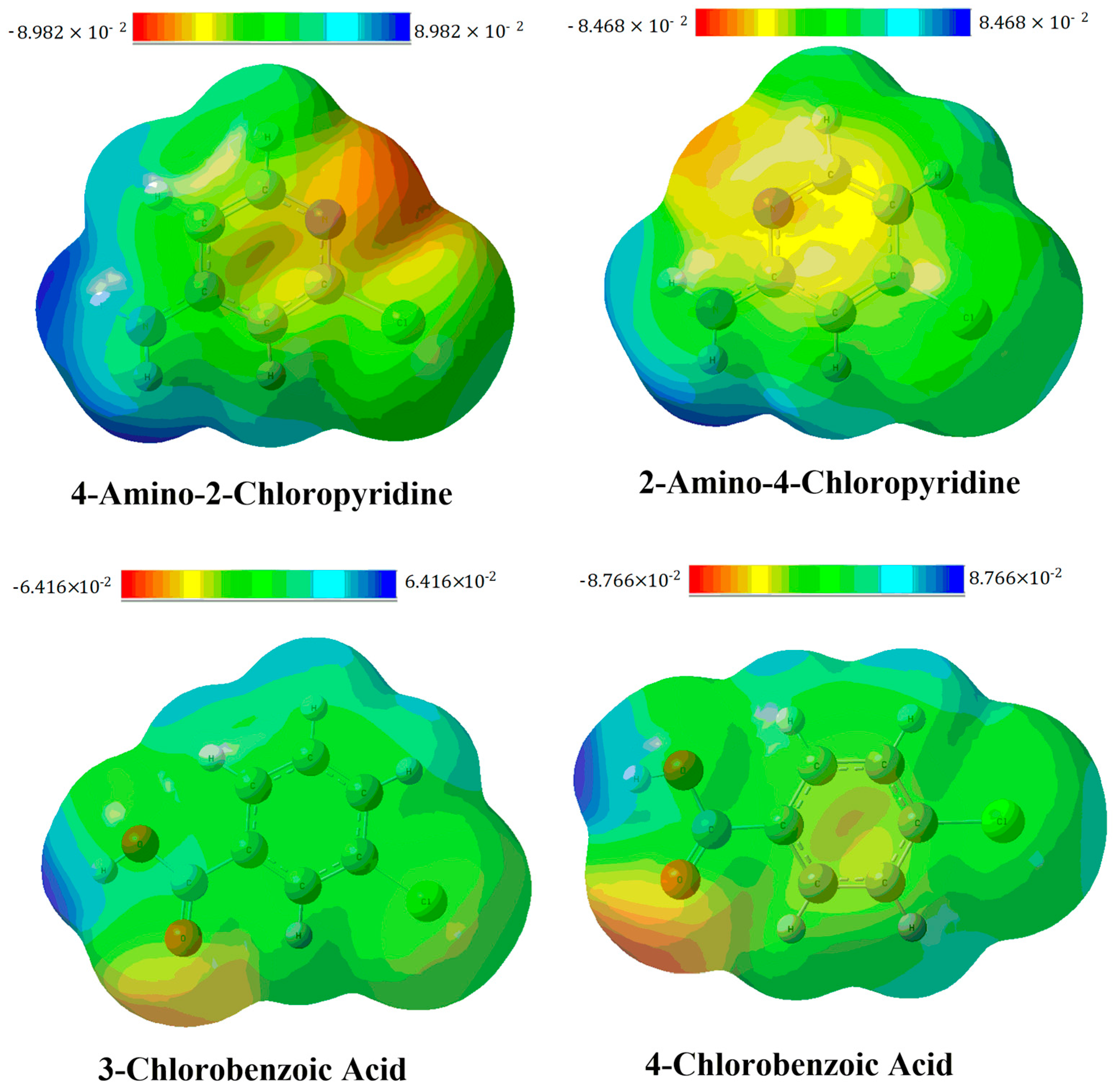
4-Chlorobenzoic acid is a chlorinated derivative of benzoic acid widely utilized as a chemical intermediate in the synthesis of pharmaceuticals, dyes, and agrochemicals, functioning primarily through its reactive carboxylic acid and chlorinated aromatic ring.
Introduction and Chemical Identity
4-Chlorobenzoic acid (often abbreviated as 4-CBA) is an organic compound with the chemical formula $\text{ClC}_6\text{H}_4\text{COOH}$. It consists of a benzene ring substituted with a chlorine atom and a carboxylic acid group at the para (1,4) positions relative to each other. This specific substitution pattern imparts unique electronic and steric properties, making it a valuable building block in organic synthesis.
Commercially, 4-chlorobenzoic acid typically appears as a white to off-white crystalline solid or powder. It has a high melting point and limited solubility in water, though it dissolves readily in polar organic solvents such as ethanol, diethyl ether, and acetone. Because of its dual functionality—possessing both an acidic carboxyl group and a deactivatable yet reactive aromatic ring—it serves as an essential precursor for manufacturing diverse industrial and fine chemical products. Understanding its physical properties, chemical reactivity, and safety profile is vital for chemists, industrial engineers, and regulatory compliance officers handling the substance.
Physical and Chemical Properties
The molecular architecture of 4-chlorobenzoic acid dictates its behavior in chemical reactions and physical processes. The presence of the electron-withdrawing chlorine atom at the para position increases the acidity of the carboxylic acid group relative to unsubstituted benzoic acid, lowering its $\text{p}K_a$ value.
Key physical and chemical characteristics include:
- Molecular Weight: 156.57 g/mol
- Appearance: White crystalline solid
- Melting Point: Approximately 238°C to 243°C
- Solubility: Sparingly soluble in cold water; soluble in hot water, ethanol, and ether.
- Stability: Stable under recommended storage conditions, though incompatible with strong oxidizing agents and strong bases.
The chlorine substituent on the benzene ring can participate in cross-coupling reactions, such as Suzuki-Miyaura or Ullmann-type reactions, under specialized catalytic conditions, although it is less reactive than bromo- or iodo-derivatives. The primary reactive site for most industrial transformations remains the carboxylic acid group, which readily forms esters, acyl chlorides, amides, and salts.
Primary Industrial Applications
4-Chlorobenzoic acid finds extensive utility across multiple industrial sectors, acting primarily as a chemical intermediate rather than a standalone end product. Its applications span pharmaceuticals, agrochemicals, and material science.
Pharmaceutical Synthesis
In the pharmaceutical industry, 4-chlorobenzoic acid is frequently employed in the synthesis of active pharmaceutical ingredients (APIs). It serves as a precursor for various therapeutic agents, including lipid-lowering drugs, antihistamines, and anti-inflammatory medications. The introduction of the chlorobenzoyl moiety into drug molecules often modulates their lipophilicity, metabolic stability, and receptor-binding affinity.
Agrochemical Production
The compound is an important intermediate in the manufacturing of agrochemicals, including specific fungicides, herbicides, and plant growth regulators. The halogenated aromatic structure contributes to the biological efficacy and environmental persistence profiles required for effective crop protection agents.
Dyes and Pigments
In dye chemistry, 4-chlorobenzoic acid derivatives are utilized to produce specialty colorants and pigments. The structural stability imparted by the chlorobenzene ring helps ensure lightfastness and chemical resistance in finished textile dyes and industrial coatings.
Synthesis and Manufacturing Methods
Commercially, 4-chlorobenzoic acid is typically produced via methods that selectively introduce or manipulate substituents on an aromatic ring.
| Synthesis Method | Primary Reagents | General Mechanism | Industrial Relevance |
|---|---|---|---|
| Oxidation of 4-Chlorotoluene | 4-Chlorotoluene, nitric acid or air (with catalysts) | Catalytic oxidation of the methyl group to a carboxylic acid | Most common industrial route for large-scale production. |
| Chlorination of Benzoic Acid | Benzoic acid, chlorine gas, Lewis acid catalyst | Electrophilic aromatic substitution directing primarily to the para position | Alternative route, though separation from the ortho isomer is required. |
| Sandmeyer Reaction | 4-Aminobenzoic acid, sodium nitrite, hydrochloric acid, copper(I) chloride | Conversion of an amino group to a diazonium salt, followed by displacement with chlorine | Laboratory-scale or specialized fine chemical synthesis. |
The direct oxidation of 4-chlorotoluene using transition metal catalysts or nitric acid remains the dominant industrial pathway due to the ready availability of the starting material and high conversion efficiency. Purification typically involves recrystallization from aqueous alcohol or hot water to remove unreacted starting materials and isomeric byproducts.
Safety, Toxicity, and Handling
Like many chlorinated aromatic compounds, 4-chlorobenzoic acid requires careful handling to minimize occupational exposure and environmental impact. Safety data sheets (SDS) classify the substance as an irritant.
- Health Hazards: Direct contact with skin or eyes can cause irritation and redness. Inhalation of dust may cause respiratory tract irritation. Ingestion may lead to gastrointestinal discomfort. It is not classified as a known human carcinogen, but standard industrial hygiene practices must be observed.
- Environmental Impact: Chlorinated organic compounds can exhibit persistence in aquatic environments. Industrial effluents containing 4-chlorobenzoic acid must be treated via appropriate wastewater management techniques, such as activated carbon adsorption or advanced oxidation processes, before discharge.
- Personal Protective Equipment (PPE): Personnel handling the chemical bulk should wear chemical-resistant gloves (nitrile or neoprene), safety goggles, a laboratory coat or chemical apron, and a dust respirator if airborne particulate generation is likely. Operations involving dry powder should be conducted within a certified fume hood or local exhaust ventilation system.
Regulatory Status and Compliance
Regulatory oversight of 4-chlorobenzoic acid is governed by international chemical inventories and workplace safety standards. It is listed on major chemical inventories, including the TSCA (Toxic Substances Control Act) in the United States, REACH (Registration, Evaluation, Authorisation and Restriction of Chemicals) in the European Union, and the Chemical Abstracts Service (CAS) registry under the number 74-11-3.
Manufacturers, importers, and downstream users must maintain compliance with local chemical management regulations. This includes maintaining up-to-date safety data sheets, ensuring proper labeling of chemical containers during storage and transport, and adhering to workplace exposure limits established by occupational safety authorities such as OSHA or ACGIH.
Frequently Asked Questions
What is the primary use of 4-chlorobenzoic acid?
4-chlorobenzoic acid is primarily used as an intermediate in organic synthesis for the production of pharmaceuticals, agrochemicals, dyes, and specialized polymer additives.
How is 4-chlorobenzoic acid manufactured commercially?
It is most commonly manufactured on an industrial scale through the catalytic oxidation of 4-chlorotoluene using air, oxygen, or chemical oxidizing agents like nitric acid.
Is 4-chlorobenzoic acid soluble in water?
It has low solubility in cold water, but its solubility increases significantly in hot water and polar organic solvents such as ethanol, acetone, and diethyl ether.
What are the main safety hazards associated with 4-chlorobenzoic acid?
The compound is an irritant to the skin, eyes, and respiratory tract. Dust inhalation and direct contact should be avoided by using appropriate personal protective equipment and engineering controls.
What is the CAS number for 4-chlorobenzoic acid?
The Chemical Abstracts Service (CAS) registry number for 4-chlorobenzoic acid is 74-11-3.
Conclusion and Next Actions
For professionals integrating 4-chlorobenzoic acid into chemical synthesis workflows, ensuring proper supply chain verification, strict adherence to safety protocols, and compliance with environmental regulations are paramount. Review the latest manufacturer-provided Safety Data Sheet (SDS) for specific lot purity, melting point ranges, and localized storage guidelines before initiating laboratory- or industrial-scale operations.