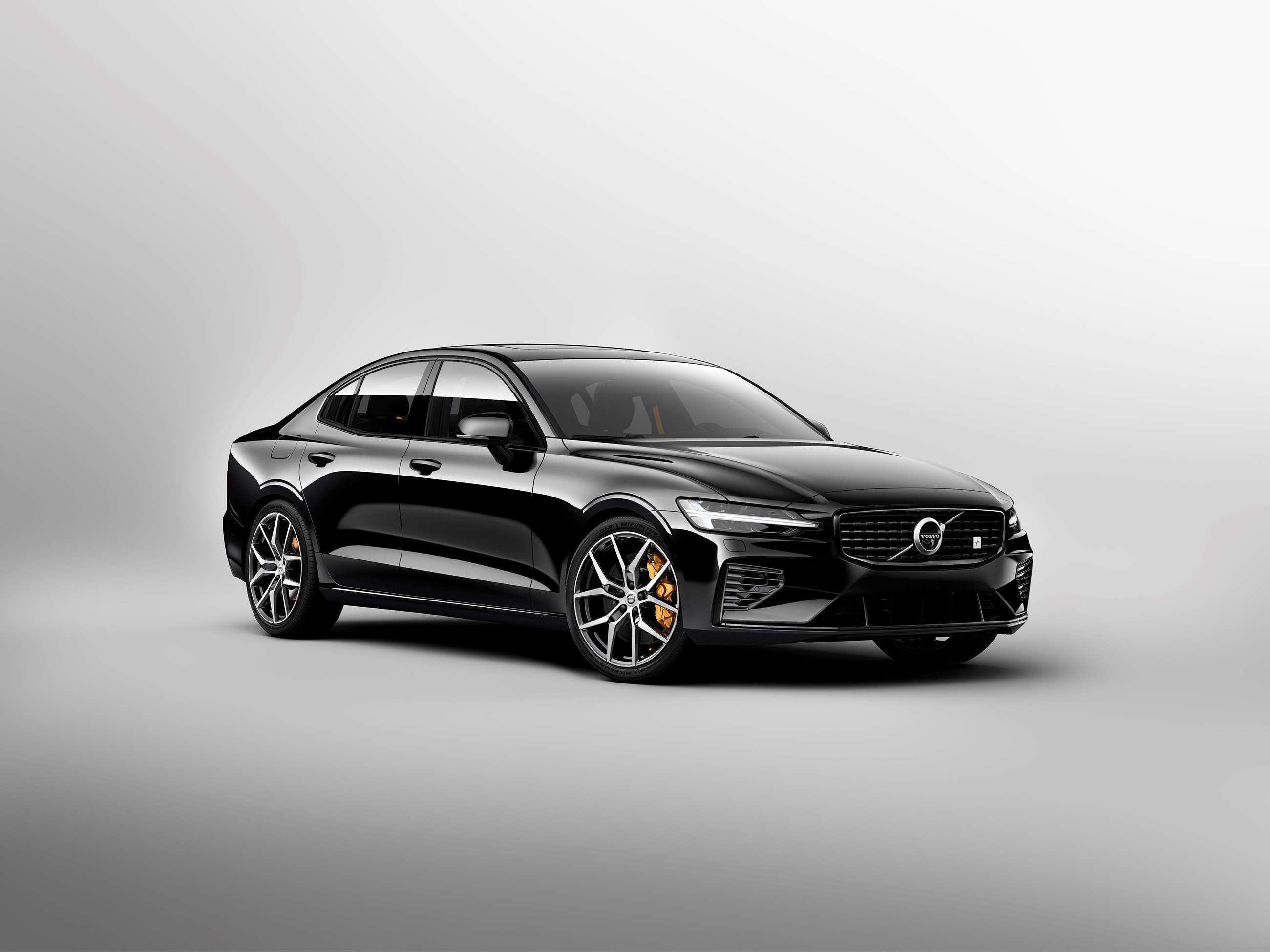
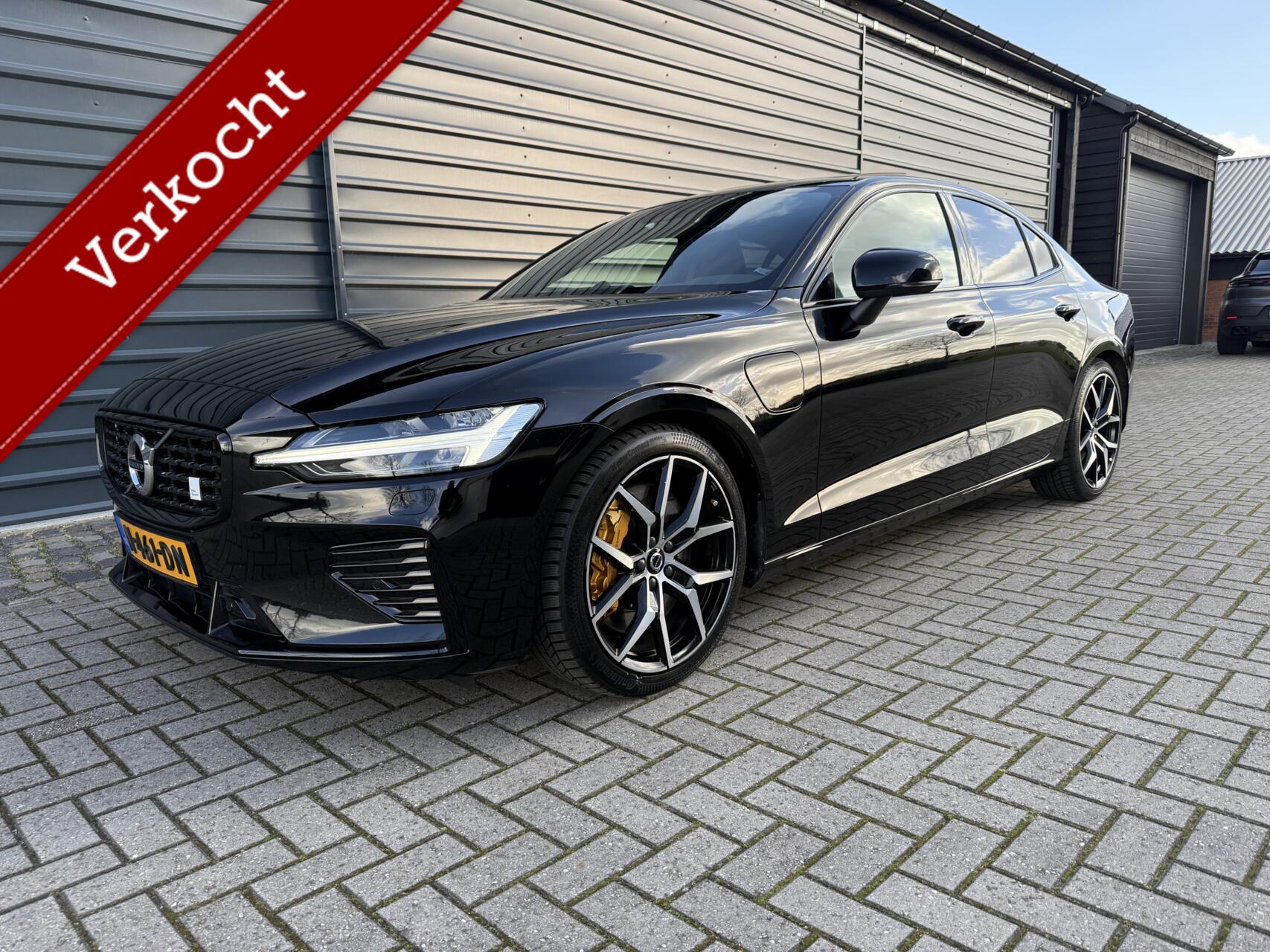
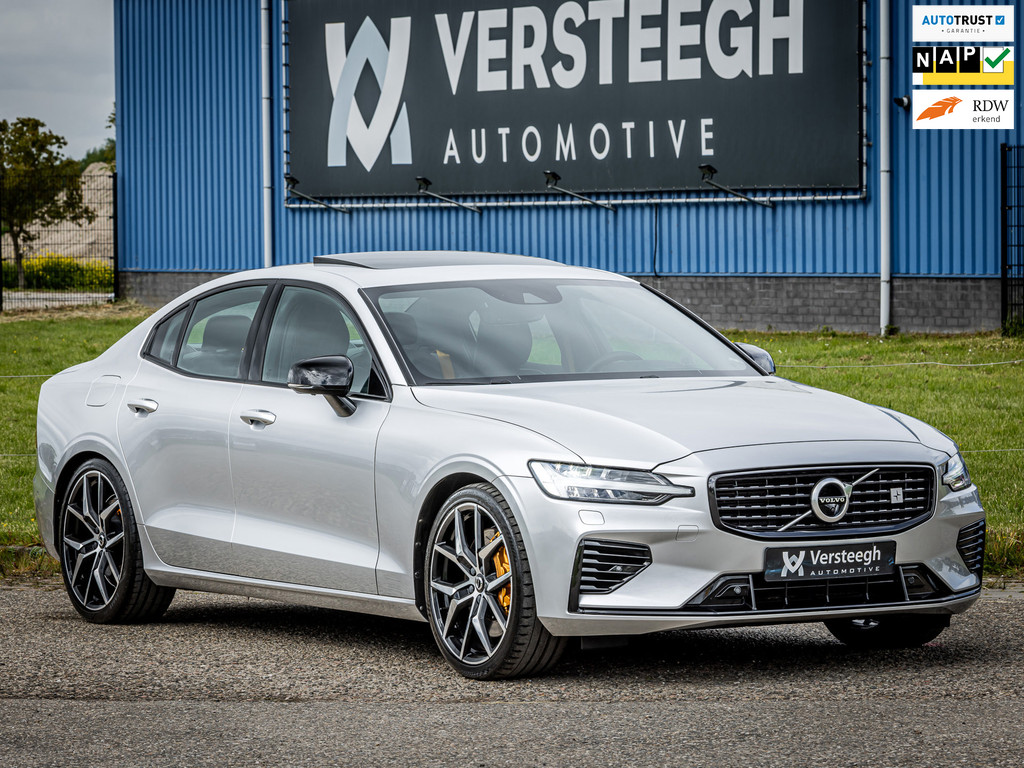
Achieving a 0 to 60 mph time of approximately 4.5 seconds, the Volvo S60 T8 Polestar Engineered blends high-performance plug-in hybrid engineering with luxury sedan practicality, utilizing a turbocharged and supercharged 2.0-liter engine paired with a powerful rear electric motor to deliver instantaneous torque and all-wheel-drive traction.
Introduction to the Volvo S60 T8 Polestar Engineered
The automotive landscape has long associated high-performance sedans with roaring V8 engines, heavy fuel consumption, and traditional internal combustion mechanics. However, the shift toward electrification has redefined what it means for a luxury compact executive car to sprint off the line. Within this electrified paradigm, the Volvo S60 T8 Polestar Engineered stands out as a unique contender. By merging a forced-induction four-cylinder engine with a sophisticated plug-in hybrid (PHEV) system, Volvo’s performance arm crafted a machine capable of a brisk 4.5-second sprint from 0 to 60 mph.
This capability is not merely a product of raw horsepower; it is a masterclass in power delivery, torque fill, and traction management. For enthusiasts and prospective buyers navigating the high-performance PHEV market, understanding how the S60 T8 achieves this benchmark requires a close look at its mechanical architecture, software tuning, and real-world dynamics. This analysis examines the powertrain specifications, handling characteristics, chassis enhancements, and competitive standing that allow this Swedish sports sedan to punch well above its weight class.
Powertrain Architecture: Mechanics Behind the 4.5-Second Sprint
The foundation of the Volvo S60 T8 Polestar Engineered’s performance lies in its dual-power architecture. Rather than relying solely on a massive displacement engine, Volvo engineers adopted a "Twin Engine" setup that pairs gasoline combustion with electric propulsion.
At the front axle sits a 2.0-liter four-cylinder engine. To extract maximum output without sacrificing drivability across the rev range, this engine is both turbocharged and supercharged. The supercharger provides immediate boost at low RPMs to eliminate lag, while the larger turbocharger takes over at higher engine speeds to sustain heavy acceleration.
Simultaneously, an electric motor is mounted directly to the rear axle, drawing power from a lithium-ion battery pack positioned centrally within the chassis tunnel. This layout creates a "through-the-road" hybrid all-wheel-drive system. The front wheels are driven by the gasoline engine and an integrated starter generator, while the rear wheels are driven exclusively by electricity.
When the driver depresses the throttle fully in performance mode, both power sources engage simultaneously. The result is a combined output that, depending on the specific model year and software calibration, produces substantial horsepower and torque figures delivered instantaneously. Electric motors achieve peak torque at zero RPM, meaning the rear wheels push the car forward the exact millisecond current flows, while the supercharged gasoline engine rapidly builds momentum up front. This eliminates the traditional hesitation or turbo lag found in conventional performance sedans.
Suspension, Braking, and Chassis Upgrades by Polestar
A straight-line sprint of 4.5 seconds requires more than just straight-line power; it demands a chassis capable of putting that power down effectively and managing the vehicle's mass through shifting dynamics. The Polestar Engineered designation signifies a comprehensive suite of hardware upgrades that set this variant apart from the standard S60 T8 Recharge.
The most notable mechanical upgrade is the suspension system, developed in partnership with renowned suspension manufacturer Öhlins. The car features manually adjustable dual-flow valve shock absorbers. While owners can adjust the damping characteristics manually—turning physical clicks on the dampers to alter compression and rebound stiffness—the system is designed to provide exceptional body control during hard acceleration, cornering, and braking. This minimizes squat when launching from a standstill, ensuring maximum weight is maintained over the contact patches of all four tires.
Stopping power is equally critical when dealing with a high-performance electrified sedan that carries the added weight of a hybrid battery pack. Polestar equips these models with bespoke braking systems featuring Brembo six-piston monoblock aluminum calipers gripping ventilated, slotted brake discs up front. These brakes are engineered to resist brake fade during spirited driving while seamlessly blending regenerative braking with friction braking to recapture kinetic energy during deceleration.
Key Polestar Engineered Performance Enhancements
| Component | Standard S60 T8 Recharge | S60 T8 Polestar Engineered |
|---|---|---|
| Suspension | Standard dynamic suspension | Öhlins manually adjustable dual-flow valve dampers |
| Brakes | Standard Volvo performance brakes | Brembo 6-piston front calipers with slotted discs |
| Wheels | 18-inch to 19-inch aerodynamic alloys | Lightweight 19-inch or 20-inch forged alloy wheels |
| Tires | All-season or standard summer touring | High-performance summer tires |
| Exhaust | Integrated hidden exhaust outlets | Polestar-tuned dual exhaust system with chrome tips |
Driving Modes and Launch Dynamics
Achieving the advertised 4.5-second 0–60 mph time requires proper preparation and selection of the vehicle's driving modes. Volvo's powertrain management software gives drivers control over how the gasoline and electric systems interact, directly influencing launch performance.
In everyday driving, the car typically defaults to Hybrid mode, balancing efficiency and power by blending electric and gas usage. However, activating "Polestar Engineered" mode (or "Power" mode in certain software iterations) alters the vehicle’s calibration parameters:
- Powertrain Mapping: Throttle response becomes significantly sharper, and the transmission holds gears longer to keep the engine in its optimal power band.
- All-Wheel Drive Engagement: The vehicle locks the all-wheel-drive system into a permanent 50/50 torque split bias between the front and rear axles during hard acceleration off the line.
- Transmission Shift Speeds: The 8-speed Geartronic automatic transmission executes quicker, firmer gear shifts, reducing interruption in power delivery during acceleration runs.
- Stiffened Steering: Steering weight increases to provide better tactile feedback to the driver at high speeds.
To execute a clean launch, a driver simply needs to select the appropriate performance mode, hold the brake pedal firmly with the left foot, apply full throttle with the right foot to build maximum system readiness, and release the brake. The instant torque from the rear electric motor prevents any initial bogging down, while the supercharger and turbocharger ramp up fluidly, propelling the sedan forward with consistent, linear force.
Real-World Performance Context and Comparisons
While laboratory metrics and manufacturer claims state a 4.5-second sprint, real-world testing conditions—such as ambient temperature, road surface quality, tire wear, and battery state-of-charge—can influence actual performance times.
One unique operational characteristic of plug-in hybrids is the dependency of maximum output on the battery state-of-charge. If the high-voltage battery is severely depleted, the electric motor may not deliver its full output until the onboard generator restores a baseline level of charge. However, in performance modes, the vehicle aggressively utilizes regenerative braking and engine management to maintain a reserve buffer specifically to ensure peak acceleration availability on demand.
When compared against traditional German rivals in the compact executive sports sedan segment—such as the BMW M340i xDrive, Audi S4, and Mercedes-AMG C 43—the Volvo S60 T8 Polestar Engineered adopts a distinct philosophy. While competitors rely on high-output inline-six or V6 engines, Volvo achieves comparable straight-line speed through forced induction and electrification.
Performance Comparison of Compact Executive Sport Sedans
| Vehicle | Powertrain Type | Horsepower (Approx.) | 0–60 mph Time (Est.) | Drive Type |
|---|---|---|---|---|
| Volvo S60 T8 Polestar Engineered | 2.0L Turbo/Supercharged I4 + Electric Motor | 455 hp | ~4.5 seconds | AWD |
| BMW M340i xDrive | 3.0L Turbocharged Inline-6 | 382 hp | ~4.1 - 4.4 seconds | AWD |
| Audi S4 | 3.0L Turbocharged V6 | 349 hp | ~4.4 seconds | AWD |
| Mercedes-AMG C 43 | 2.0L Turbocharged I4 + Mild Hybrid | 402 hp | ~4.0 seconds | AWD |
As illustrated in the comparison table, the Volvo holds its own in acceleration metrics while offering the distinct advantage of plug-in hybrid capability, allowing for limited purely electric daily commuting before the gasoline engine ever needs to ignite.
Frequently Asked Questions
Can the Volvo S60 T8 Polestar Engineered achieve its 4.5-second 0-60 time on battery power alone?
No. While the vehicle features a Pure electric driving mode, the rear electric motor alone is not powerful enough to propel the heavy sedan to 60 mph in 4.5 seconds. Achieving this benchmark requires the combined output of both the supercharged/turbocharged gasoline engine and the electric motor working simultaneously in Polestar Engineered or Power mode.
How does battery depletion affect the 0-60 performance?
Volvo’s hybrid management system is programmed to reserve a baseline percentage of the battery charge specifically for performance needs. Even when the dashboard indicates zero electric-only driving range remaining, the system retains enough reserve energy to supply full electric boost during hard acceleration, ensuring consistent 0-60 times.
Are the Öhlins shock absorbers difficult to adjust manually?
Adjusting the Öhlins dampers requires accessing the physical adjustment knobs located on the shock absorbers themselves. While front adjustments are relatively straightforward under the hood, rear adjustments often require lifting the vehicle or accessing wheel-well areas. Most owners find a preferred setting and leave it adjusted for their preferred balance of ride comfort and handling stiffness.
Is the Polestar Engineered model a fully electric vehicle?
No. The S60 T8 Polestar Engineered is a plug-in hybrid electric vehicle (PHEV). It features a standard gasoline fuel tank alongside a rechargeable lithium-ion battery pack and an electric charging port, allowing it to run on gasoline, electricity, or a combination of both.
How does the S60 T8 handle winter driving conditions?
The vehicle excels in winter conditions due to its through-the-road all-wheel-drive system. Because the front wheels are powered by the gas engine and the rear wheels by the electric motor, the vehicle's computer can instantly shift power distribution between axles to maximize traction on snow, ice, or wet pavement without requiring physical driveshafts connecting the front and rear.
Conclusion and Next Actions
The Volvo S60 T8 Polestar Engineered proves that electrification can enhance traditional performance dynamics rather than compromise them. By pairing a complex, highly boosted internal combustion engine with instant-torque electric propulsion, Volvo successfully engineered a luxury sedan capable of executing a 4.5-second 0–60 mph sprint with composure and efficiency. For prospective buyers or automotive enthusiasts considering this model, the next best action is to schedule a test drive in Polestar Engineered mode on varied road surfaces to experience firsthand how the dual-power architecture delivers its power, and to inspect how the adjustable Öhlins suspension manages ride quality in daily driving scenarios.