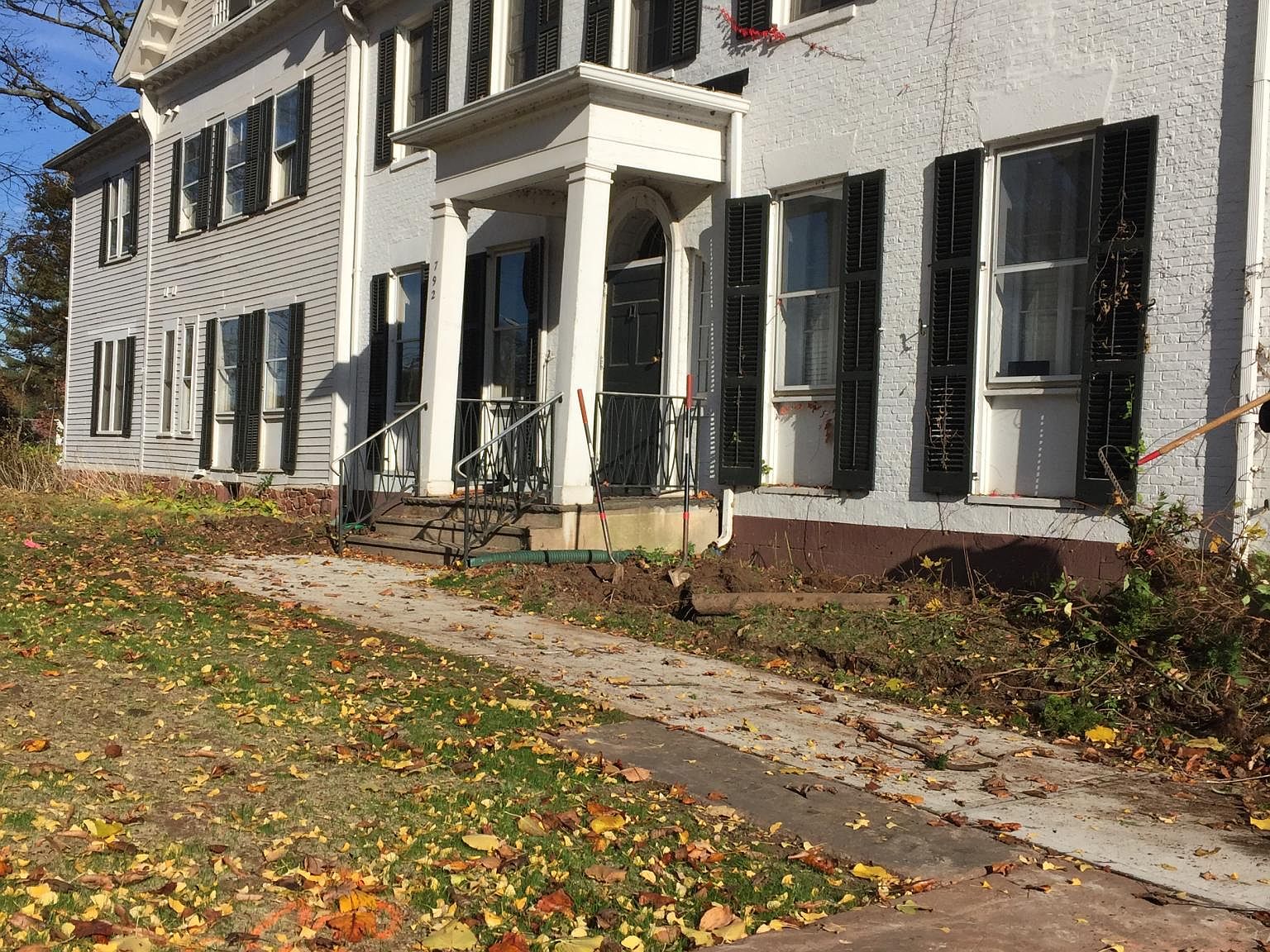
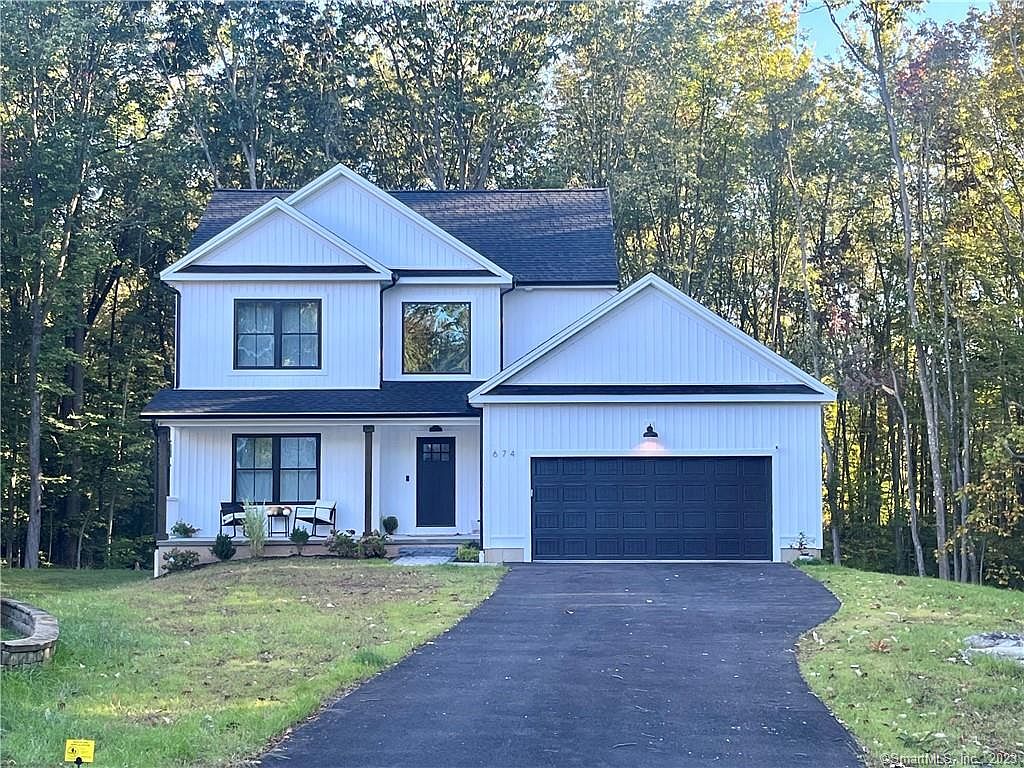
263 Farmington Avenue in Farmington, Connecticut, represents a strategically positioned real estate asset located within a corridor that balances historic residential charm, regional commercial access, and proximity to major medical and educational hubs. Understanding this location requires a look at its integration into the greater Hartford metropolitan geography, zoning characteristics, and the logistical advantages offered by its placement along Connecticut Route 4.
Geographical Significance and Regional Context
The property located at 263 Farmington Avenue is situated in the central portion of Farmington, a town in Hartford County known for its colonial history and affluent suburban character. Farmington Avenue, designated as part of State Route 4, serves as a primary arterial road that connects the town to West Hartford to the east and the Litchfield County hills to the west.
For residents and business owners in this area, the location offers a distinct compromise between the quiet, rural aesthetic of western Connecticut and the economic necessity of being within a 15-to-20-minute commute to downtown Hartford. The specific parcel at 263 Farmington Avenue sits within a zone that bridges the transition from the denser, more retail-oriented sections near the Farmington-West Hartford border toward the historic village center.
Transportation and Accessibility
The accessibility of 263 Farmington Avenue is a primary driver of its neighborhood profile. Proximity to Interstate 84, reachable via the exits at Fienemann Road or Scott Swamp Road, allows for rapid transit to the University of Connecticut Health Center (UConn Health) in Farmington and the various corporate headquarters located along the I-84 corridor.
Public transit in this corridor is serviced by Connecticut Transit (CTtransit), specifically the bus lines that traverse the Farmington Avenue artery. While Farmington remains a car-dependent community, the proximity to these transit lines provides a necessary alternative for those needing connectivity to the Greater Hartford bus network, linking residents to the regional transit hub at Hartford’s Union Station.
Zoning and Land Use Dynamics
Farmington employs a structured zoning code designed to preserve the "Village" character of the town while allowing for manageable commercial growth. Properties located along the Farmington Avenue corridor are often subject to specific overlay districts that regulate signage, building setbacks, and architectural aesthetics to maintain a consistent visual identity.
The area surrounding 263 Farmington Avenue typically features a mix of mid-to-large-scale residential lots, professional office conversions, and specialized services. Historically, many structures along this stretch of Route 4 were residential buildings that have been repurposed into professional offices, clinics, or boutique retail spaces. This adaptive reuse is a hallmark of Farmington’s development, allowing the town to accommodate modern professional needs without demolishing the historical footprint that defines the neighborhood’s appeal.
Infrastructure and Utilities
Infrastructure in this part of Farmington is generally robust, supported by the town’s municipal commitment to maintaining the Route 4 corridor. Prospective stakeholders or residents should note that while the area is well-serviced by public utilities—including water and sewer systems—it remains subject to the town’s rigorous planning and zoning regulations, which emphasize environmental protection and stormwater management, particularly given the proximity to the Farmington River watershed.
Comparative Neighborhood Indicators
To better understand the value and nature of 263 Farmington Avenue, it is helpful to contrast the specific characteristics of this segment of Farmington with neighboring regions.
| Feature | 263 Farmington Ave Corridor | West Hartford (Elmwood/Center) | Farmington (Village Center) |
|---|---|---|---|
| Primary Vibe | Semi-Rural / Professional | Urban-Suburban / Retail | Historic / Pedestrian |
| Traffic Density | Moderate | High | Low to Moderate |
| Access to Transit | Bus / Commuter Car | Extensive Bus / Walkable | Limited |
| Development Style | Adaptive Reuse | Mixed-Use / Dense | Preservative |
The data above illustrates that 263 Farmington Avenue acts as a "middle-ground" location. It avoids the intense commercial density found in West Hartford center while offering more accessibility and convenience than the deeper, more secluded residential pockets of Farmington’s interior.
Economic and Demographic Profile
The neighborhood surrounding 263 Farmington Avenue is characterized by a high degree of economic stability. Farmington as a whole consistently ranks among the more affluent towns in Connecticut, with a tax base supported by both a strong residential property market and a stable corporate presence.
The proximity to major employers, including UConn Health and various insurance and financial services firms in the Hartford area, ensures a consistent demand for both residential and commercial real estate in this corridor. The neighborhood demographics typically skew toward established professionals, families, and individuals working in the medical and education sectors, which adds a layer of economic resilience to the local property values.
Key Considerations for Stakeholders
When evaluating a specific address in this corridor, several factors remain consistent for property owners and visitors:
- Maintenance Expectations: Because many buildings on Farmington Avenue reflect historic or transitional architectural styles, exterior maintenance requirements can be more intensive than those found in newer, master-planned suburban developments.
- Regulatory Compliance: Any modifications to the exterior of properties in this zone often require approval from local land-use boards to ensure adherence to town guidelines regarding historic character.
- Climate and Environmental Factors: The Farmington River basin is prone to varying seasonal conditions, and owners in this area prioritize landscaping and drainage solutions that account for the region's precipitation patterns.
- Proximity to Services: The neighborhood is well-served by nearby supermarkets, pharmacies, and urgent care facilities, reducing the need for travel to larger cities for daily necessities.
Frequently Asked Questions
What is the primary zoning designation for properties on Farmington Avenue?
Most properties along the Farmington Avenue corridor in the 06032 zip code fall under specialized commercial or professional-residential zones. These designations are intended to allow for professional offices or service-oriented businesses while strictly regulating the scale of signage and building density to protect the aesthetic integrity of the town.
Is the area around 263 Farmington Avenue prone to flooding?
While certain sections of Farmington near the river are designated as flood zones by FEMA, most of the land along the Farmington Avenue arterial ridge sits at a higher elevation. However, property owners should always consult the official FEMA flood maps and local municipal records to determine if a specific parcel requires flood insurance or specialized drainage infrastructure.
How does the 06032 zip code influence local property taxes?
The 06032 zip code encompasses a diverse range of property types. Property taxes in Farmington are determined by the town’s mill rate, which is set annually by the Board of Finance. The value of properties in this corridor is generally bolstered by the town's high-performing school district and proximity to medical hubs, which remains a consistent factor in long-term property tax assessments.
What are the commuting options for residents at this location?
Commuters primarily utilize private vehicles to reach the I-84 interchanges, which provide direct access to Hartford, Waterbury, and the wider New Haven/Springfield corridors. For public transit users, the CTtransit bus service provides a reliable, albeit limited, link to the major job centers in the region, primarily running along the Farmington Avenue bus routes.
Does the town of Farmington have strict architectural guidelines?
Yes, the town maintains a strong focus on historic and architectural preservation. Especially along major thoroughfares like Farmington Avenue, exterior renovations, signage updates, and new construction projects are reviewed to ensure they complement the existing character of the town’s colonial and early-American architectural heritage.
Final Recommendation
For those considering engagement with the property at 263 Farmington Avenue—whether as a business owner, investor, or resident—the key to success lies in acknowledging the balance between tradition and professional utility. Before finalizing any plans, verify the current town ordinances regarding permitted uses and site improvements with the Farmington Planning and Zoning Department. Ensuring compliance with the town’s long-standing aesthetic and land-use requirements will facilitate a smoother integration into this established, stable, and highly desirable community.