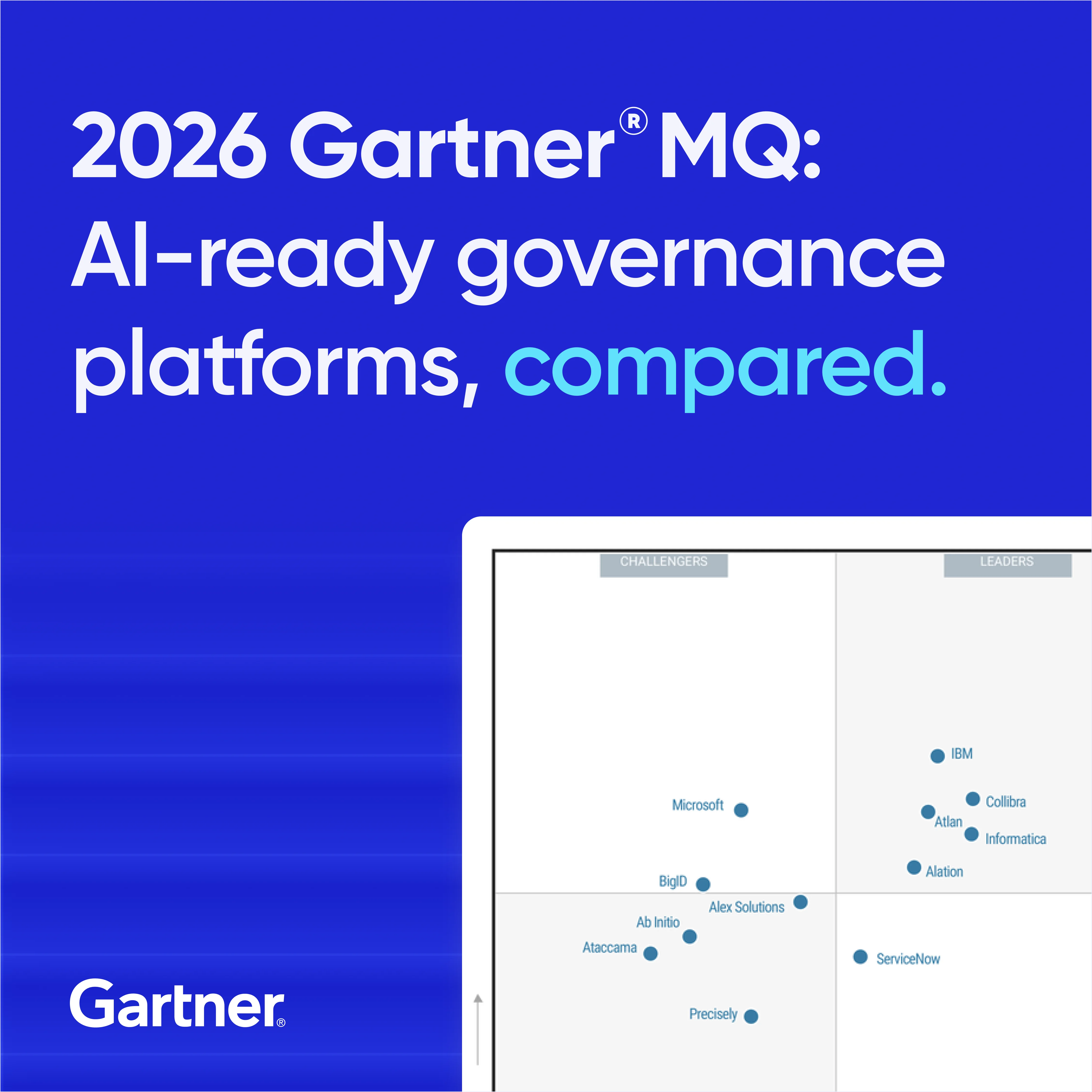
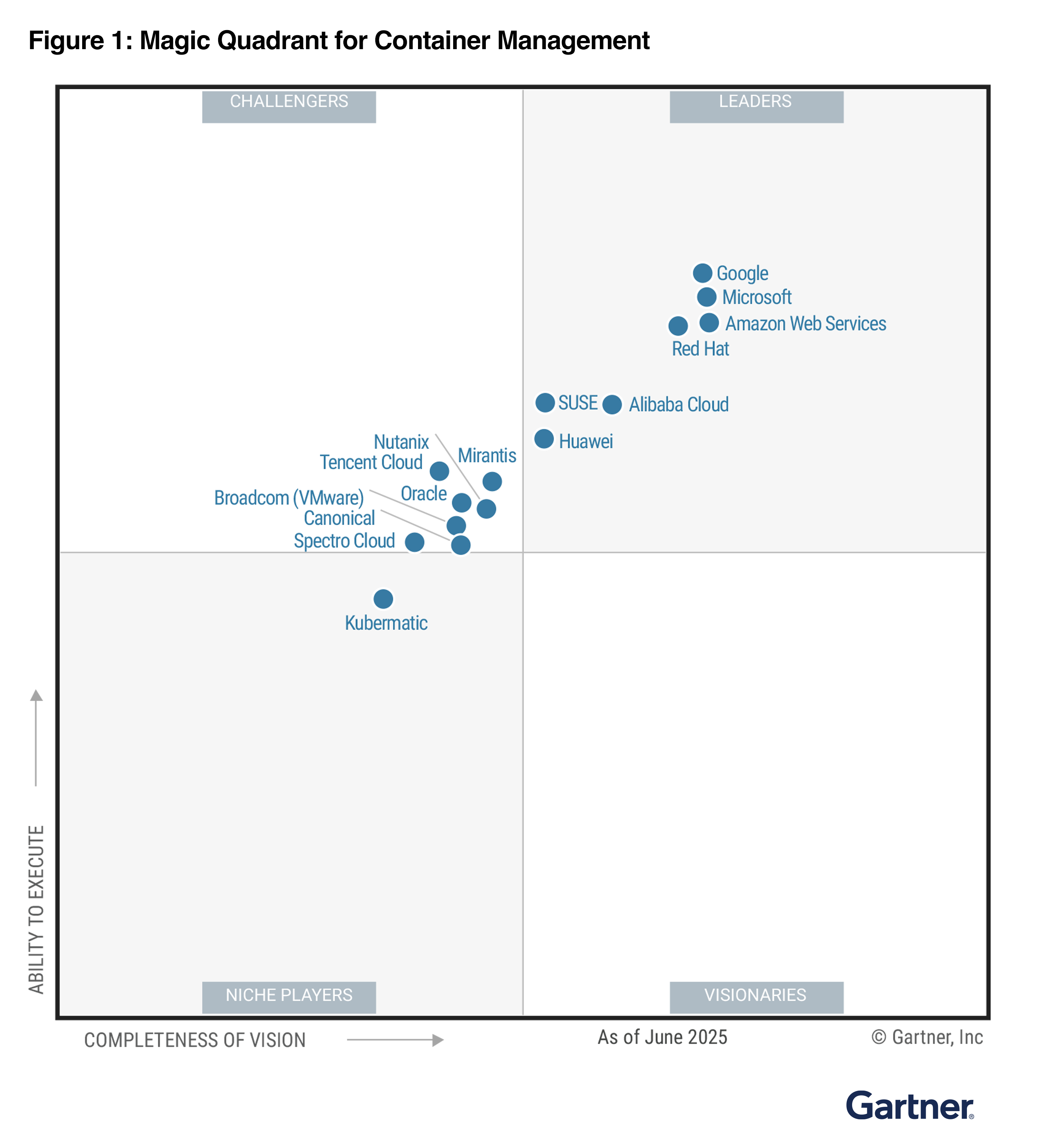
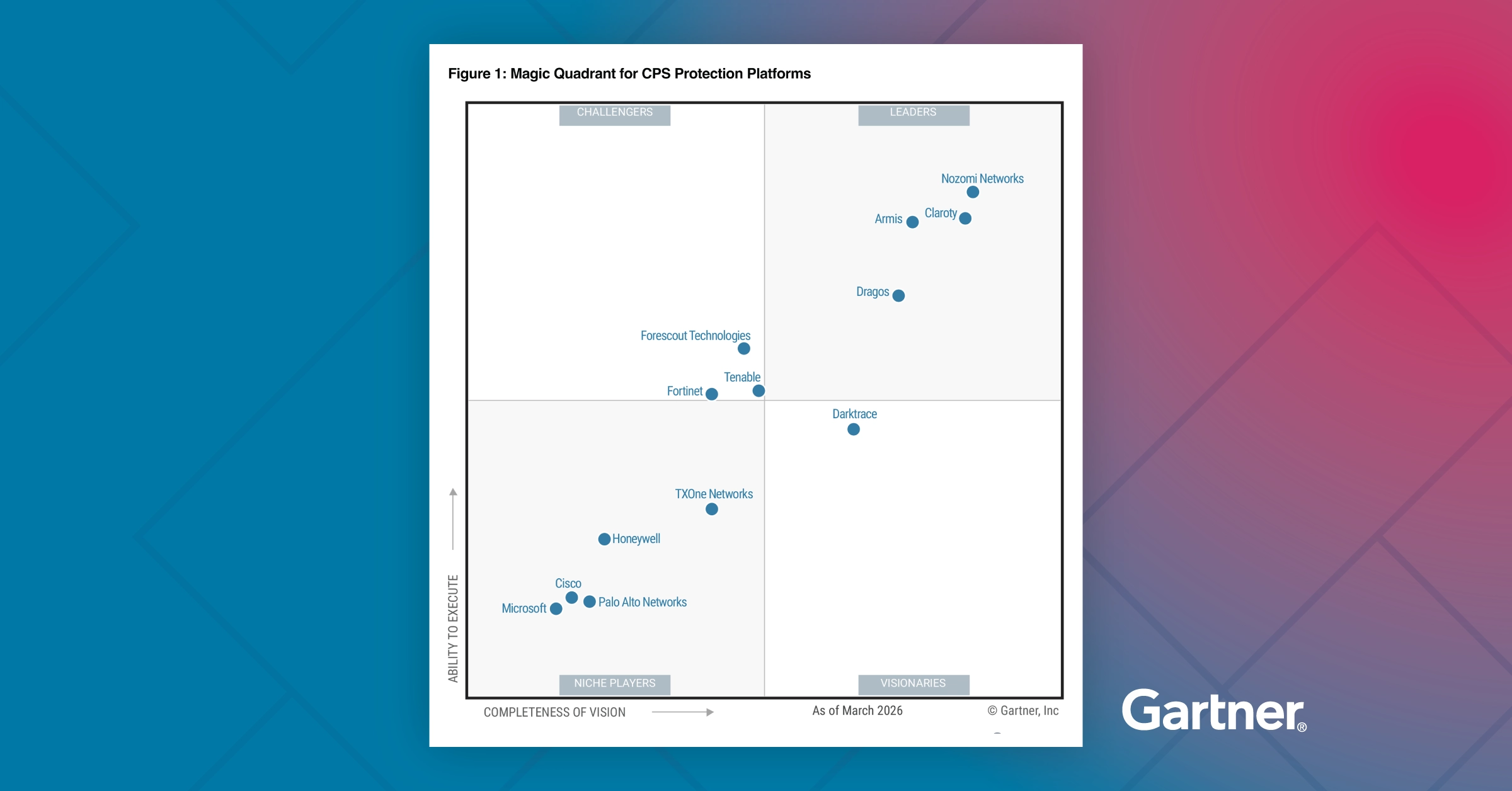
The 2025 Gartner Magic Quadrant for Cloud-Native Application Protection Platforms (CNAPP) serves as a definitive benchmark for enterprise cybersecurity leaders evaluating unified cloud security solutions. By consolidating posture management, workload protection, entitlement analysis, and application security, this evaluation helps CISOs navigate market convergence, streamline vendor selection, and eliminate disparate cloud security point tools across multi-cloud environments.
The Evolution of Cloud Security: Why Gartner Shifted to a CNAPP Magic Quadrant
For years, enterprise cloud security was defined by fragmented, point-solution architectures. Organizations deployed separate tools for Cloud Security Posture Management (CSPM) to detect misconfigurations, Cloud Workload Protection Platforms (CWPP) to secure runtime instances, and Cloud Infrastructure Entitlement Management (CIEM) to enforce least-privilege identity policies. This fragmented approach introduced significant operational overhead, context switching, and unmanaged blind spots across heterogeneous cloud environments.
Recognizing the operational friction of managing isolated telemetry streams, Gartner transitioned its research focus from standalone security categories to a unified platform model. While Gartner previously published Market Guides for CNAPP, the introduction of the 2025 Gartner Magic Quadrant for CNAPP marked a structural shift in enterprise cybersecurity procurement. It formally acknowledged that the market has matured beyond standalone point products into integrated protection platforms that secure applications from code to cloud runtime.
- Unified CNAPP Platform Architecture
- DevSecOps & Code (ASPM / IaC / API)
- Posture & Entitlement (CSPM / CIEM)
- Runtime & Workload (CWPP / KSPM)
- Unified Context & Risk Graph Engine
- Multi-Cloud Infrastructure (AWS, Azure, GCP)
From Point Solutions to Unified Cloud Protection
The transition to CNAPP stems from a fundamental reality: cloud-native risk is interconnected. A vulnerable software package identified during development becomes an exploit vector when deployed in a publicly accessible container running with elevated IAM privileges.
Standalone tools evaluate these elements in isolation:
- An ASPM or static analysis tool identifies the code vulnerability but lacks visibility into whether the host is publicly exposed.
- A CSPM identifies the open port but lacks visibility into running container processes or code-level vulnerabilities.
- A CIEM identifies excessive permissions but lacks context regarding whether those permissions are actively exploited.
CNAPPs combine these disparate datasets into a centralized risk engine. By cross-correlating vulnerabilities, cloud misconfigurations, excessive permissions, and runtime exposure, CNAPPs allow security teams to prioritize actionable threats over passive risk context.
Market Pressures and Tool Fatigue in Multi-Cloud Environments
Modern enterprises operate across complex hybrid and multi-cloud footprints, utilizing Amazon Web Services (AWS), Microsoft Azure, Google Cloud Platform (GCP), and private Kubernetes deployments. Managing distinct security consoles for each provider—or deploying different point solutions across infrastructure tiers—creates severe alert fatigue and operational inefficiency.
Security Operations Center (SOC) analysts frequently face thousands of daily alerts, the vast majority of which represent low-priority or unexploitable risks. CNAPP addresses tool fatigue by aggregating telemetry into unified graph databases. This architectural shift enables security teams to track the entire lifecycle of an application—tracing a runtime threat directly back to the specific line of Infrastructure as Code (IaC) or source code that created the vulnerability.
Core Architectural Pillars Evaluated in the CNAPP Framework
To be categorized as a true CNAPP rather than a rebranded point solution, a platform must integrate multiple security capabilities into a single operational interface and database backend. Gartner evaluates vendor solutions across several foundational capability sets:
- Unified CNAPP Platform
- CSPM (Posture & Compliance)
- CWPP (Workloads & Containers)
- CIEM (Identities & Access)
- ASPM / KSPM (DevSecOps & Kubernetes)
1. Cloud Security Posture Management (CSPM)
CSPM provides continuous visibility into cloud infrastructure environments. It scans configurations against industry frameworks such as CIS Benchmarks, NIST, and ISO 27001, as well as regulatory standards like HIPAA and PCI DSS. Modern CSPM within a CNAPP goes beyond passive compliance checking; it actively evaluates cloud resource relationships to detect complex exposure paths, such as unencrypted databases accessible from public internet gateways.
2. Cloud Workload Protection Platform (CWPP)
CWPP secures the underlying compute resources running cloud applications, including virtual machines (VMs), serverless functions (e.g., AWS Lambda, Azure Functions), and containerized workloads running on Kubernetes. CWPP capabilities encompass:
- Agentless and Agent-Based Vulnerability Management: Rapid scanning of disk snapshots alongside real-time behavioral monitoring.
- Runtime Threat Detection: Detecting anomalous process executions, fileless malware, reverse shells, and unauthorized privilege escalation.
- Container and Image Security: Scanning container registries for known CVEs before deployment.
3. Cloud Infrastructure Entitlement Management (CIEM)
Identity is the primary security boundary in cloud computing. CIEM capabilities analyze Identity and Access Management (IAM) policies across multi-cloud environments to discover human and non-human identities (service accounts, roles, serverless execution profiles). CIEM identifies:
- Unused, over-privileged, or dormant credentials.
- Toxic combinations of permissions that allow privilege escalation or data exfiltration.
- Right-sizing recommendations to enforce strict least-privilege access controls.
4. Application Security Posture Management (ASPM) and KSPM
Modern CNAPPs incorporate Application Security Posture Management (ASPM) and Kubernetes Security Posture Management (KSPM). ASPM tracks application component inventories, mapping open-source dependencies (Software Bill of Materials or SBOM), API configurations, and code repository risks. KSPM specifically audits Kubernetes clusters, evaluating Pod Security Standards, Network Policies, ingress controller risks, and cluster role bindings.
5. Shift-Left and DevSecOps Integration
A key differentiator in the CNAPP evaluation is the ability to shift security left into the software development lifecycle (SDLC). CNAPPs integrate directly into continuous integration and continuous delivery (CI/CD) pipelines, scanning IaC templates (Terraform, CloudFormation, Bicep) and source code repositories before deployment. By catching misconfigurations in development, organizations prevent insecure infrastructure from reaching production environments.
Breakdown of the Four Gartner Magic Quadrant Categories
Gartner plots evaluated vendors across a two-dimensional grid: Ability to Execute (y-axis) and Completeness of Vision (x-axis). Understanding how vendors are positioned across the four quadrants provides valuable insight into market dynamics and vendor maturity.
- Ability to Execute vs. Completeness of Vision
- Challengers
- Leaders
- Niche Players
- Visionaries
Leaders
Vendors positioned in the Leaders quadrant demonstrate both high market execution and a comprehensive, forward-looking product vision. Leaders typically offer fully unified platforms where CSPM, CWPP, CIEM, and ASPM share a single data model and management console. They support multi-cloud deployments at enterprise scale, maintain strong customer satisfaction metrics, and consistently innovate in areas such as automated remediation, AI-driven risk graph analysis, and developer-friendly workflows.
Visionaries
Visionaries understand where the cloud security market is heading and frequently pioneer advanced capabilities, such as deep code-to-cloud mapping, generative AI assist features, or novel identity entitlement analysis. However, they may lag behind Leaders in overall market share, global sales reach, or broad multi-cloud platform support. Enterprise organizations seeking cutting-edge functionality often evaluate Visionaries alongside Leaders.
Challengers
Challengers possess strong operational execution, substantial market presence, and robust global sales and support capabilities. They frequently stem from established enterprise cybersecurity vendors expanding into the CNAPP space. While Challengers offer highly reliable products and scale efficiently, their overall vision may be tied to legacy security paradigms or rely on loosely coupled acquisitions rather than a natively integrated single-agent or single-console architecture.
Niche Players
Niche Players focus successfully on specific segments of the market, specialized cloud architectures, or hyper-focused use cases. For instance, a Niche Player might excel at deep runtime protection for containerized workloads or specialize heavily in developer-centric application security scanning. While they may lack the broad feature breadth of Leaders, Niche Players can be optimal choices for organizations with specialized technical requirements or smaller, highly targeted infrastructure needs.
Architectural Comparison Matrix: Core CNAPP Capabilities
When evaluating CNAPP vendors mapped in the Magic Quadrant, enterprise security teams must evaluate technical capabilities against enterprise operational requirements:
| Capability Pillar | Primary Functionality | Key Telemetry Sources | Evaluation Focus Areas |
|---|---|---|---|
| CSPM | Misconfiguration detection, compliance auditing, and cloud resource inventory mapping. | Cloud Provider APIs (AWS CloudTrail, Azure Resource Manager, GCP Cloud Asset Inventory). | Scanning speed, policy customizability, compliance framework coverage, and multi-tenant management. |
| CWPP | Real-time workload security, container runtime protection, and vulnerability management. | Agentless snapshot analysis, eBPF kernel modules, runtime agents, and registry scanners. | CPU/memory overhead of agents, kernel compatibility, zero-day threat detection, and agentless scanning accuracy. |
| CIEM | Identity privilege mapping, toxic permission path analysis, and least-privilege enforcement. | IAM logs, identity provider configurations (Okta, Entra ID), and authorization policies. | Cross-account access visibility, automated permission right-sizing, and support for non-human identities. |
| ASPM / IaC | Pre-deployment vulnerability scanning, IaC security checks, and code-to-cloud mapping. | GitHub/GitLab repositories, CI/CD pipelines (Jenkins, GitHub Actions), and SBOM generators. | False positive rates, developer workflow integration (IDE plugins), and PR/MR auto-remediation quality. |
| Context Graph Engine | Cross-domain risk correlation, attack path analysis, and prioritized threat scoring. | Consolidated database linking CSPM, CWPP, CIEM, and ASPM telemetry. | Query speed, graphic visualization clarity, accurate attack path identification, and notification noise reduction. |
Key Evaluation Criteria: How Gartner Assesses CNAPP Vendors
Gartner applies a rigorous methodology when evaluating platforms for inclusion in the CNAPP Magic Quadrant. Understanding these criteria helps enterprises align their internal vendor procurement processes with industry standards.
Ability to Execute
Ability to Execute measures how effectively a vendor translates its platform capabilities into market success, customer satisfaction, and operational scalability:
- Product or Service: Assessment of functional breadth, deep native support for AWS, Azure, GCP, and Kubernetes, single-pane-of-glass usability, data graph capabilities, and API integration options.
- Overall Viability: Financial stability, revenue growth rate, venture funding or public equity health, and long-term research and development investment capability.
- Sales Execution and Pricing: Transparency of pricing models (e.g., per workload, per workload unit, or per resource node), contract flexibility, and efficiency of global sales channels.
- Customer Experience: Technical support responsiveness, onboarding ease, professional services availability, and peer feedback gathered via Gartner Peer Insights.
Completeness of Vision
Completeness of Vision assesses a vendor’s strategic orientation, innovation pipeline, and understanding of market shifts:
- Market Understanding: Ability to anticipate emerging security challenges, such as AI model protection (AI/ML security posture management), serverless execution environments, and complex supply chain risks.
- Marketing Strategy: Differentiation from legacy point solutions and clarity in communicating unified platform benefits.
- Innovations in Architecture: Shift toward unified data schemas, native eBPF instrumentation for lightweight runtime visibility, and automated, context-aware remediation workflows.
- Geographic Strategy: Ability to meet localized compliance standards (e.g., GDPR, NIS2, regional data residency requirements) across international deployments.
Strategic Buyer's Guide: Evaluating CNAPP Platforms for Your Organization
Selecting a CNAPP vendor based solely on Magic Quadrant positioning is insufficient. Enterprise buyers should execute a structured evaluation framework tailored to their specific operational architecture, team structures, and risk profiles.
- Step 1: Map Existing Security Stack & Identify Coverage Gaps
- Step 2: Benchmark Hybrid & Multi-Cloud Support Capabilities
- Step 3: Evaluate Runtime Security (Agent vs. Agentless)
- Step 4: Validate Developer Integration & CI/CD Pipeline Support
- Step 5: Execute Proof of Concept (PoC) & Pricing Models Review
Step 1: Map Existing Security Stack Gaps
Audit your current security operations to inventory active tools. Identify overlapping features between existing CSPM, CWPP, container scanning, and CIEM solutions. Determine whether the deployment goal is a total platform consolidation or a phased replacement of specific point solutions.
Step 2: Assess Multi-Cloud and Hybrid Architecture Support
Evaluate your infrastructure distribution across public clouds (AWS, Azure, GCP), private clouds (OpenShift, VMware Tanzu), and edge deployment targets. Ensure the candidate vendor provides equal depth of coverage across all environments, avoiding vendors whose capabilities are optimized for a single cloud provider while offering minimal coverage for others.
Step 3: Prioritize Runtime Protection vs. Shift-Left Capabilities
Determine your operational priority:
- If your primary requirement is early detection during development, prioritize vendors with advanced ASPM, developer workflow plugins, and native IaC scanner integrations.
- If your priority is detecting active threats on production servers, prioritize platforms with robust, low-overhead agent technology (such as eBPF-based agents) alongside agentless snapshot analysis.
Step 4: Verify Developer Experience and Workflow Automation
A CNAPP must bridge the gap between Security Operations and Software Engineering teams. During procurement, evaluate:
- How easily alerts integrate into existing developer ticketing platforms (Jira, ServiceNow).
- The quality of pull-request remediation suggestions (whether fix suggestions are actionable or generate noise).
- Customization of RBAC (Role-Based Access Control) so developers only see alerts relevant to their microservices.
Step 5: Analyze Total Cost of Ownership (TCO) and Licensing Models
CNAPP pricing structures vary significantly across vendors. Common models include:
- Per-Compute Host / VM Pricing: Predictable for traditional virtual machine infrastructure, but costly for highly dynamic microservices environments.
- Resource / Workload Unit Pricing: Based on an aggregated score of virtual machines, database instances, and container nodes.
- Credit-Based Consumption: Flexible for fluctuating cloud footprints, but requires strict oversight to avoid unbudgeted overages.
Always require prospective vendors to run a trial billing projection based on your actual cloud resource count to avoid unexpected licensing spikes.
Common Pitfalls to Avoid During CNAPP Vendor Selection
Enterprise organizations frequently encounter systemic mistakes during CNAPP vendor evaluations. Avoiding these traps ensures a higher ROI and smoother enterprise deployment.
1. Over-Indexing on "Leader" Quadrant Status Without Proof-of-Concept (PoC) Testing
Magic Quadrant rankings provide a high-level market evaluation, but they cannot replace a live Proof of Concept (PoC) inside your actual staging or production accounts. A vendor positioned as a Leader may present integration challenges with your specific Kubernetes distribution or custom CI/CD pipelines. Always perform live evaluations against realistic application environments.
2. Relying Exclusively on Agentless Architecture for Runtime Security
Agentless scanning via cloud disk snapshots provides rapid time-to-value and zero host overhead, making it ideal for posture management and vulnerability scanning. However, agentless technology cannot block active runtime attacks, detect fileless memory exploits in real time, or enforce process isolation. Organizations needing active runtime defense must ensure the platform supports hybrid deployment (agentless posture scanning combined with lightweight eBPF agents for runtime protection).
3. Neglecting Alert Volume and Context Engine Efficacy
During a PoC, measure the noise-to-signal ratio. A platform that flags 10,000 unprioritized misconfigurations creates administrative paralysis. Evaluate how effectively the vendor's risk graph engine correlates vulnerability data with network exposure and identity privileges to output a manageable list of critical, exploitable attack paths.
4. Ignoring Integration Overhead for DevSecOps Pipelines
If security tools disrupt developer velocity, engineering teams will find workarounds or ignore security notifications. Verify that scanning gates in CI/CD pipelines operate with minimal execution delay and that developers receive concise remediation instructions directly within their integrated development environments (IDEs) or pull request workflows.
Frequently Asked Questions
What is the primary difference between a CNAPP and a traditional CSPM?
A CSPM focuses exclusively on continuous monitoring of cloud configuration states and compliance adherence against established standards. A CNAPP combines CSPM functionality with Cloud Workload Protection platforms (CWPP), Cloud Infrastructure Entitlement Management (CIEM), and Application Security Posture Management (ASPM) into a single platform. This integrated approach allows security teams to correlate posture misconfigurations with runtime threats, identity permissions, and code-level vulnerabilities.
Why did Gartner introduce a Magic Quadrant specifically for CNAPP?
Gartner introduced the CNAPP Magic Quadrant to address the enterprise shift away from fragmented cloud security point tools toward consolidated platforms. As organizations scaled multi-cloud infrastructures, managing isolated consoles for CSPM, CWPP, and CIEM created operational overhead and blind spots. The Magic Quadrant provides a standardized evaluation framework for platforms capable of securing cloud applications across the complete development-to-runtime lifecycle.
Can a CNAPP fully replace standalone Application Security (AST) tools?
A CNAPP can replace many aspects of traditional static application security testing (SAST) and dynamic analysis (DAST) for cloud-native applications, particularly through software bill of materials (SBOM) auditing, open-source vulnerability checks, and IaC template scanning. However, highly complex enterprise environments or applications with strict legacy compliance requirements may still require specialized static code analysis engines alongside a CNAPP.
How does agentless scanning differ from agent-based protection in a CNAPP?
Agentless scanning analyzes cloud API configurations and virtual disk snapshots from outside the running host. It requires zero installation and provides immediate resource visibility without compute overhead. Agent-based protection requires installing a lightweight agent or driver (often leveraging eBPF) inside the host or container kernel. While agents require lifecycle management, they offer real-time process monitoring, deep behavioral analysis, and proactive runtime mitigation that agentless snapshotting cannot provide.
How does identity management fit into a CNAPP platform?
Identity is addressed within CNAPP through Cloud Infrastructure Entitlement Management (CIEM). CIEM evaluates human and machine IAM roles, permission policies, and historical usage logs across cloud environments. By integrating CIEM into a CNAPP, the platform can detect when a vulnerable container or publicly exposed cloud storage bucket holds excessive permissions that could lead to unauthorized privilege escalation or data exposure.
Strategic Action Plan: Implementing Magic Quadrant Insights
To leverage the 2025 Gartner Magic Quadrant for Cloud-Native Application Protection Platforms effectively, enterprise cybersecurity leaders should execute the following implementation framework:
- Conduct an Internal Cloud Security Maturity Audit: Catalog all active cloud accounts, Kubernetes clusters, CI/CD pipelines, and existing cloud security point tools. Establish baseline requirements for runtime visibility, compliance frameworks, and identity management.
- Shortlist 3–4 Vendors Across Relevant Quadrants: Select prospective vendors not only from the Leaders quadrant but also from Visionaries or Niche Players that align directly with specialized technical requirements (such as deep runtime eBPF monitoring or advanced ASPM capabilities).
- Execute a 30-Day In-Line Proof of Concept (PoC): Deploy shortlisted platforms into non-production cloud environments. Test posture scanning speed, accuracy of attack-path graph correlation, API throttle handling, agent resource overhead, and developer workflow integrations.
- Calculate Platform Consolidation Cost Savings: Evaluate direct cost reductions achieved by decommissioning legacy point solutions (CSPM, standalone container scanners, basic compliance tools) against the licensing costs of a unified CNAPP platform.
- Establish Phase-Based Rollout Targets: Begin deployment with high-value posture management and agentless inventory across public cloud accounts, followed by CI/CD pipeline integration, CIEM privilege right-sizing, and eventual agent-based runtime protection for critical production workloads.