The personal finances of the 2020 Democratic presidential primary candidates varied dramatically, ranging from multi-millionaires and billionaires to candidates with modest assets and significant student loan debt. Financial disclosure reports filed with the Federal Election Commission (FEC) and the Office of Government Ethics provided a transparent look into the diverse economic backgrounds, investments, and revenue streams of politicians vying for the nomination.
The Economic Spectrum of the 2020 Democratic Field
The 2020 Democratic presidential primary featured one of the most economically diverse fields in modern political history. While the Republican Party had long been associated with wealthy business figures, the Democratic primary presented a striking internal contrast. On one end of the spectrum were self-funding billionaires and career politicians who had amassed substantial wealth through book royalties, high-paid speaking fees, and long-term investments. On the other end were grassroots candidates, relatively junior lawmakers, and local officials whose net worth reflected middle-class realities.
Analyzing the financial disclosures of these candidates requires understanding the limitations of federal reporting requirements. Under the Ethics in Government Act, candidates do not have to list exact figures for their assets and liabilities. Instead, financial disclosures use broad reporting ranges—such as $1,000 to $15,000, or over $50 million. Consequently, precise net worth calculations often rely on investigative reporting by organizations like Forbes and the Center for Responsive Politics, which cross-referenced disclosure forms with real estate records, tax returns, and corporate filings.
High-Net-Worth Candidates and Self-Funders
At the upper end of the wealth spectrum, several candidates possessed net worths running into the tens or hundreds of millions of dollars. These individuals sparked intense intra-party debates regarding economic populism, wealth inequality, and the role of money in politics.
Michael Bloomberg and Tom Steyer
Former New York City Mayor Michael Bloomberg and hedge fund founder Tom Steyer stood out in the primary field due to their immense personal wealth.
- Michael Bloomberg: As the founder and majority owner of Bloomberg LP, his net worth was estimated by Forbes to exceed $50 billion during his 2020 campaign. Bloomberg largely self-funded his late-entering primary bid, spending hundreds of millions of dollars on television advertising and campaign infrastructure without accepting campaign donations.
- Tom Steyer: An environmental activist and former hedge fund manager, Steyer amassed a fortune estimated at roughly $1.5 billion. Like Bloomberg, Steyer utilized his personal wealth to self-fund a significant portion of his campaign, focusing heavily on early primary states through mass media buys.
Traditional High Earners: Joe Biden, Bernie Sanders, and Elizabeth Warren
Other prominent candidates had accumulated substantial wealth over decades of public service, legal careers, and academic publishing, though far short of billionaire status.
- Joe Biden: Following the conclusion of his tenure as vice president in 2017, Biden experienced a significant surge in personal wealth. Lucrative book contracts for titles like Promise Me, Dad and high-fee speaking engagements generated millions of dollars for Biden and his wife, Jill Biden. By the time he launched his 2020 campaign, investigative estimates placed his net worth between $8 million and $10 million, primarily tied up in real estate in Delaware and investment portfolios.
- Bernie Sanders: Despite running on a democratic socialist platform that heavily criticized billionaires and corporate wealth, Sanders achieved millionaire status during the 2016 and 2020 cycle windows. The success of his 2016 primary campaign led to a bestselling book, Our Revolution, and subsequent speaking fees. Sanders reported a net worth estimated around $2.5 million, largely consisting of retirement accounts, book royalties, and three homes (in Vermont and Washington, D.C.).
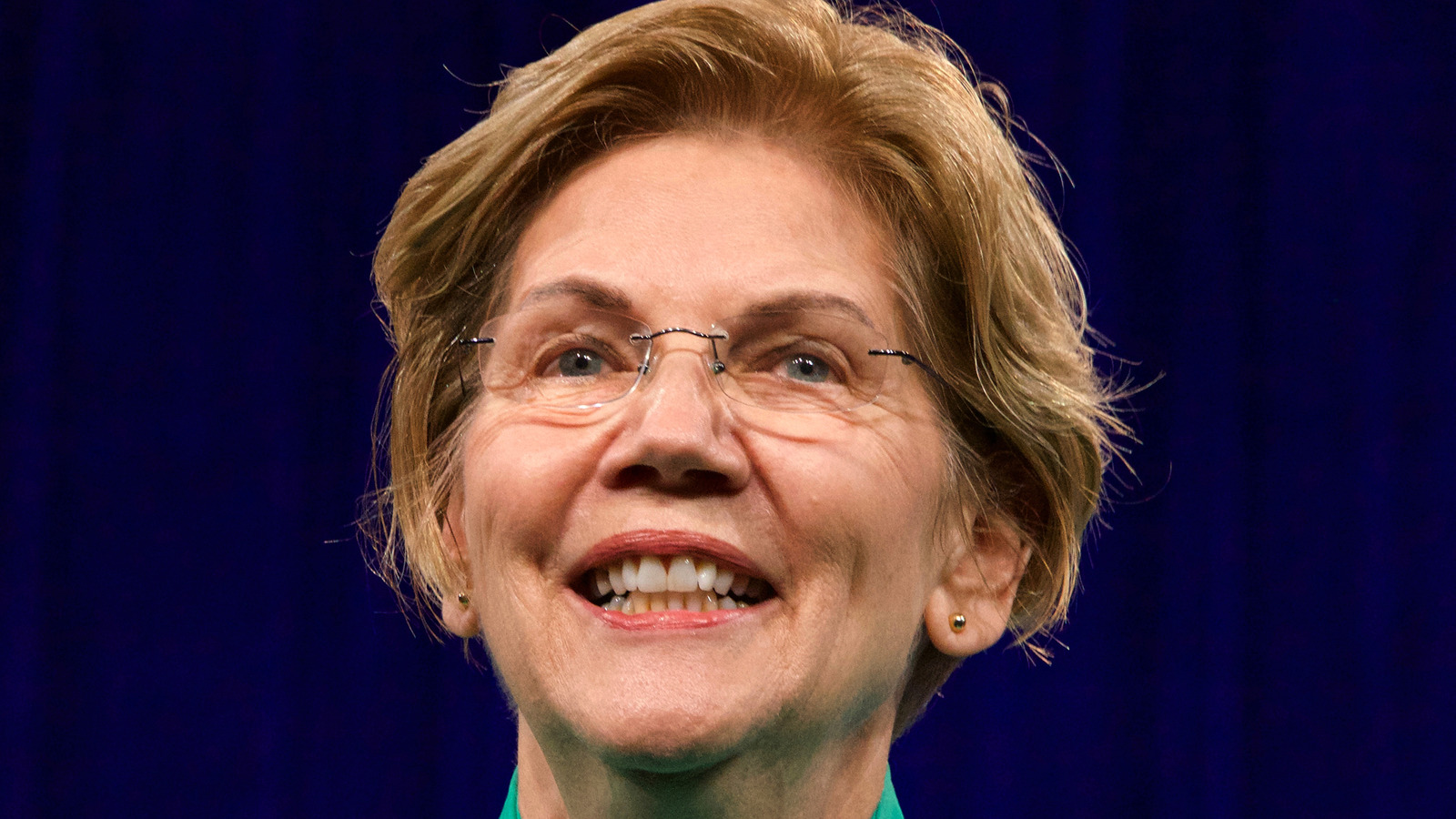
- Elizabeth Warren: As a former Harvard law professor, bankruptcy expert, and author of numerous consumer finance books, Warren built a comfortable financial foundation prior to entering the Senate. Financial disclosures from her 2020 campaign estimated her net worth between $7 million and $12 million, largely held in mutual funds, index funds, and real estate in Massachusetts.
Middle-Class and Emerging Candidates
In stark contrast to the multi-millionaires, several candidates entered the race with modest assets, reflecting the financial profile of average American households or younger professionals managing educational debt.
Pete Buttigieg and Representative Tim Ryan
- Pete Buttigieg: As the former mayor of South Bend, Indiana, Buttigieg entered the national stage with a relatively modest financial portfolio. Financial disclosures filed during his campaign revealed a net worth under $100,000, primarily consisting of savings accounts and modest retirement investments, alongside a mortgage on their South Bend home. His wealth increased moderately after the primary following a book deal.
- Tim Ryan: Representing an industrial district in Ohio, long-serving U.S. Representative Tim Ryan reported assets and liabilities that positioned him among the less affluent members of the primary field, highlighting a financial profile common among career legislative backbenchers who did not command six-figure speaking fees.
Summary Comparison of Selected 2020 Democratic Candidates
The following table outlines the estimated net worth ranges and primary wealth sources for prominent candidates in the 2020 Democratic primary, based on public financial disclosures and independent journalistic analyses.
| Candidate | Estimated Net Worth Range | Primary Sources of Wealth | Notable Liabilities or Notes |
|---|---|---|---|
| Michael Bloomberg | $50 Billion + | Bloomberg LP media and financial data empire | Self-funded primary campaign; no public campaign debt. |
| Tom Steyer | $1.5 Billion | Farallon Capital Management, hedge funds | Self-funded campaign focusing on climate change initiatives. |
| Elizabeth Warren | $7 Million – $12 Million | Book royalties, academic salaries, diversified index funds | Standard residential mortgages; no major unsecured debt. |
| Joe Biden | $8 Million – $10 Million | Post-vice presidency speaking fees, memoirs, book deals | Real estate holdings in Delaware; standard mortgages. |
| Bernie Sanders | $2 Million – $3 Million | Bestselling books, federal salary, pensions | Real estate holdings (Vermont and Washington, D.C.). |
| Pete Buttigieg | Under $200,000 | Municipal salary, military service, early savings | Standard home mortgage and student loan liabilities. |
The Role of Wealth in the 2020 Primary Debates
The personal wealth of candidates became a persistent flashpoint during primary debates and town halls. The presence of billionaires like Bloomberg and Steyer triggered fierce ideological debates regarding the influence of wealth on democratic institutions. Progressive candidates, particularly Sanders and Warren, utilized their opponents' financial status to argue for systemic tax reforms, including a proposed wealth tax on fortunes exceeding $50 million, stricter campaign finance laws, and the elimination of dark money in politics.
Conversely, moderate candidates argued that personal success in the private sector or the ability to earn wealth through writing and public speaking did not disqualify a candidate from representing working-class interests. Biden and other candidates emphasized their middle-class roots in Scranton, Pennsylvania, or industrial towns in the Midwest, framing their financial success as the result of hard work and market-rate compensation for public books and appearances.
Financial Disclosure Compliance and Public Scrutiny
Federal election laws require presidential candidates to file detailed financial disclosure statements within 30 days of announcing their candidacy, with subsequent annual updates required while in office or running. These forms require disclosure of:
- Earned income exceeding $200 from a single source.
- Unearned income, such as dividends, capital gains, and rent.
- Assets, including real estate, stocks, bonds, and mutual funds, categorized by broad monetary value ranges.
- Liabilities, such as mortgages, personal loans, and credit lines.
- Positions held in corporations, non-profits, and educational institutions.
The Office of Government Ethics (OGE) and the FEC review these documents for potential conflicts of interest, illegal foreign contributions, and ethical violations. During the 2020 primary, investigative journalists and opposing campaigns heavily scrutinized these filings to uncover potential tax discrepancies, lucrative corporate board memberships, or investments in industries criticized by the Democratic base, such as fossil fuels, private prisons, and major pharmaceutical companies.
Frequently Asked Questions
How is a politician's net worth calculated if they only report ranges?
Financial disclosures use broad asset brackets (e.g., $1,000 to $15,000, or over $50 million). Financial journalists and researchers calculate net worth by taking the minimum and maximum values of these ranges, adding estimated values for primary residences (which have specific reporting exemptions), and subtracting reported liabilities. Consequently, quoted net worth figures are generally considered informed estimates rather than exact audits.
Did any 2020 Democratic candidates have significant student loan debt?
Yes. Candidates such as Representative Eric Swalwell and various lower-tier contenders reported student loan liabilities on their disclosure forms, highlighting the generational economic pressures faced by younger politicians entering national politics.
Why did Joe Biden's net worth increase significantly after 2017?
Biden's wealth grew substantially following his departure from the White House in January 2017. He secured a multi-million-dollar book contract with Flatiron Books for his memoir Promise Me, Dad and commanded high speaking fees—frequently ranging from $40,000 to over $100,000 per appearance—at corporate events, universities, and organizational banquets.
Were self-funding candidates subject to the same contribution limits as other candidates?
While federal law imposes strict limits on how much an individual donor can contribute directly to a candidate's campaign committee ($2,800 per election in 2020), candidates are legally permitted to spend an unlimited amount of their own personal fortune on their own campaigns. This allowed billionaires like Michael Bloomberg and Tom Steyer to inject tens of millions of dollars directly into media buys without relying on donor networks.
What is the Ethics in Government Act?
Passed in 1978 in the wake of the Watergate scandal, the Ethics in Government Act mandates financial disclosure requirements for senior personnel across the executive, legislative, and judicial branches, including presidential candidates, to promote transparency and deter conflicts of interest.
Conclusion and Next Actions
Examining the net worth of 2020 Democratic candidates provides critical context regarding how personal economic backgrounds shape policy proposals, campaign financing strategies, and voter perception. When evaluating historical political finances or contemporary candidate disclosures, researchers should consult original FEC filings via the official Federal Election Commission portal or cross-reference reports provided by non-partisan watchdog organizations such as the Center for Responsive Politics (OpenSecrets.org) for verified asset breakdowns.