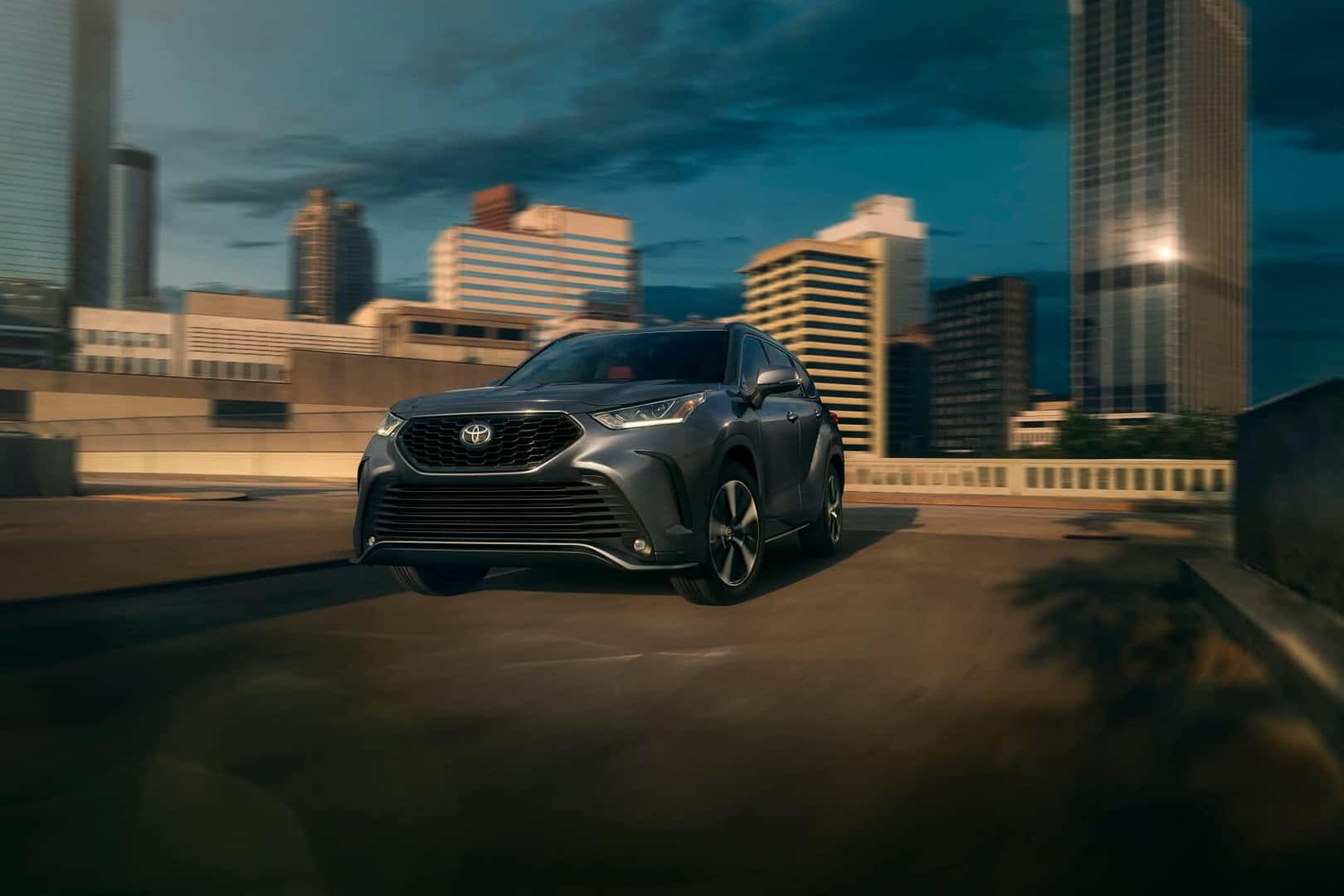
The 2017 Toyota Highlander offers a maximum towing capacity of up to 5,000 pounds when properly equipped with the available V6 engine and a factory-approved towing package. Four-cylinder and hybrid models are limited to a maximum towing capacity of 1,500 pounds, making the choice of powertrain and equipment critical for anyone planning to haul trailers, boats, or recreational equipment.
Understanding the 2017 Toyota Highlander Powertrain Lineup
When researching the towing capabilities of the 2017 Toyota Highlander, understanding the vehicle's underlying mechanical configuration is essential. Toyota offered three distinct powertrain choices for the 2017 model year, each serving different efficiency and utility profiles. These configurations directly dictate what the vehicle can safely haul and how it behaves under load.
The 2.7-Liter Four-Cylinder Engine
The base engine for the 2017 Highlander is a 2.7-liter 4-cylinder powerplant generating 185 horsepower and 184 lb-ft of torque, paired exclusively with a 6-speed automatic transmission and front-wheel drive (FWD). While this setup prioritizes fuel efficiency for daily commuting and school runs, its mechanical output is modest. Consequently, the maximum towing capacity for four-cylinder models is restricted to 1,500 pounds. This limit restricts four-cylinder models to small utility trailers, lightweight popup campers, or carrying a pair of jet skis.
The 3.5-Liter V6 Engine
The centerpiece of the 2017 Highlander lineup—and the configuration required for heavy towing—is the 3.5-liter V6 engine (2GR-FKS). Introduced with direct injection for the 2017 model year, this engine produces a robust 295 horsepower and 263 lb-ft of torque. It is mated to a new 8-speed automatic transmission, replacing the older 6-speed unit found in previous V6 models.
This powertrain is available in both front-wheel drive and dynamic torque-control all-wheel drive (AWD). When properly equipped with the V6 engine, the 2017 Toyota Highlander achieves its headline-grabbing 5,000-pound maximum towing capacity. This rating applies across multiple trim levels, including the LE, LE Plus, XLE, SE, Limited, and Limited Platinum.
The Hybrid Powertrain
The Highlander Hybrid pairs a 3.5-liter V6 engine with electric drive motors to produce a net system output of 306 horsepower. Standard electronic all-wheel drive (AWD-i) provides confident traction in adverse weather. Despite its high horsepower rating, the hybrid powertrain shares the same 1,500-pound towing limit as the four-cylinder models. The constraints stem from the cooling requirements, structural layout of the hybrid transaxle, and overall thermal management of the electrical components, which are not engineered for sustained heavy trailer loads.
Decoding the 5,000-Pound Towing Limit: Equipment Requirements
Achieving the maximum 5,000-pound rating on a V6-powered 2017 Toyota Highlander requires more than simply owning a V6 model. Factory specifications dictate that a heavy-duty towing package or specific individual components must be present to ensure safe operation, adequate engine cooling, and proper electrical integration.
Factory Tow Prep Package vs. Aftermarket Additions
Many 2017 Highlanders left the assembly line with the optional Tow Prep Package, while others required aftermarket installation of towing hardware. The factory tow prep package typically includes:
- An upgraded engine oil cooler to manage elevated operating temperatures under load.
- A heavy-duty radiator and a more powerful cooling fan.
- Pre-wiring for a trailer harness, simplifying the connection of lighting and brake controls.
Attempting to tow 5,000 pounds without an upgraded cooling system risks transmission overheating, engine strain, and premature mechanical failure, particularly when navigating steep inclines or driving in high ambient temperatures.
Hitch Receivers and Weight Distribution
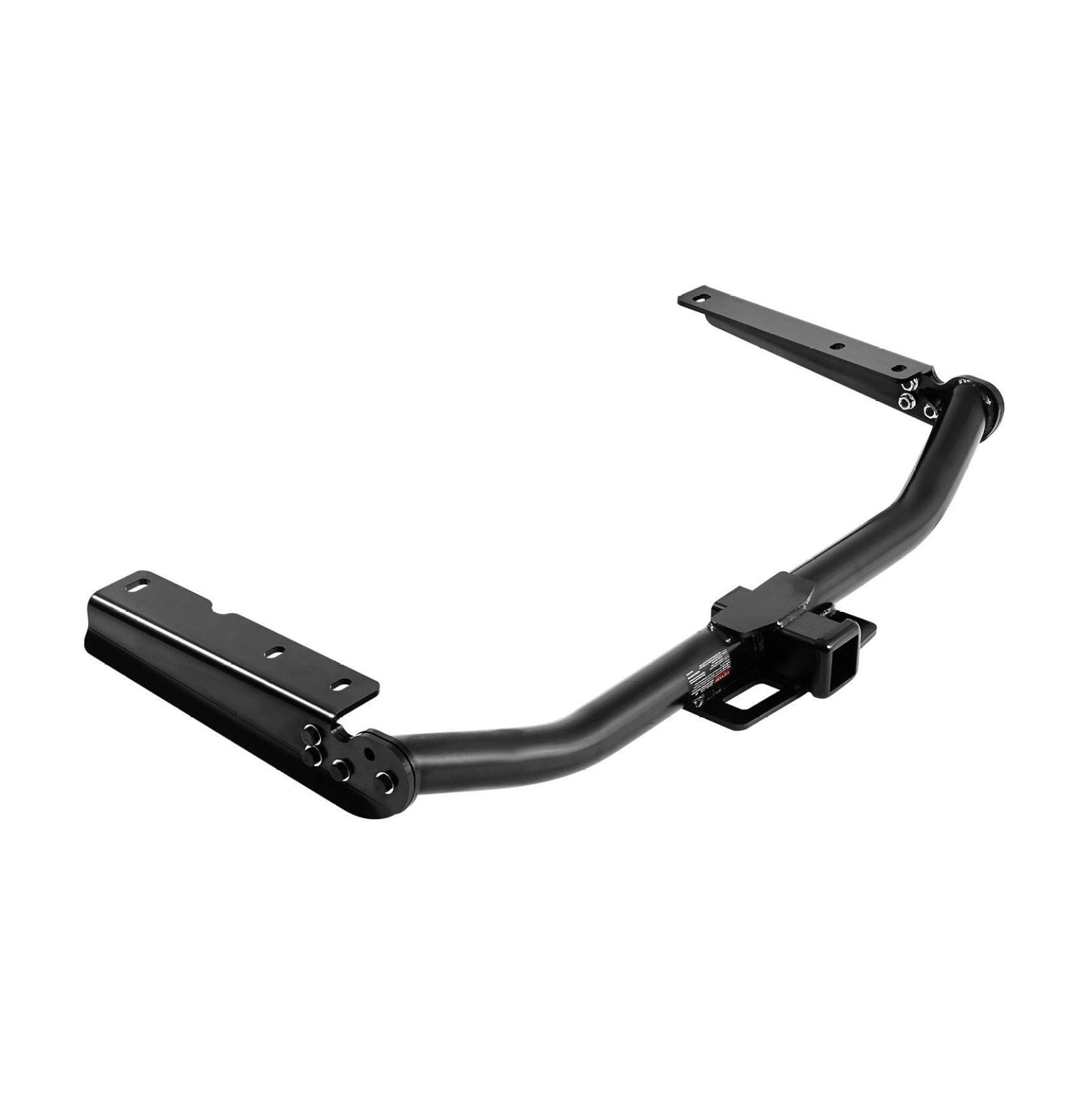
The physical hitch receiver must be rated to match or exceed the weight of the trailer. The 2017 Highlander requires a Class III hitch receiver (typically featuring a standard 2-inch opening) to utilize its 5,000-pound capacity.
Furthermore, Toyota specifies that for trailers weighing over 2,000 pounds, the use of a weight-distribution hitch is strongly recommended or required. A weight-distribution system uses spring bars to leverage the weight of the trailer across the axles of both the Highlander and the trailer, ensuring that the front steering tires maintain proper road contact and braking effectiveness.
2017 Toyota Highlander Towing Specifications by Trim and Engine
To help owners and prospective buyers evaluate their hauling needs, the following table breaks down the towing capacities, engine specs, and drivetrain availability for the 2017 model year.
| Engine Type | Displacement | Horsepower | Torque | Drivetrain | Max Towing Capacity |
|---|---|---|---|---|---|
| 4-Cylinder | 2.7L | 185 hp | 184 lb-ft | FWD | 1,500 lbs |
| V6 (Standard) | 3.5L | 295 hp | 263 lb-ft | FWD / AWD | 5,000 lbs |
| Hybrid V6 | 3.5L (Hybrid) | 306 hp (Net) | Varies | AWD-i | 1,500 lbs |
Critical Safety and Operational Factors
Towing near a vehicle's maximum limit requires careful attention to physics, vehicle dynamics, and legal regulations. Exceeding the stated limits of the 2017 Toyota Highlander compromises handling, increases stopping distances, and can void insurance coverage in the event of an accident.
Understanding Payload vs. Towing Capacity
A common mistake among drivers is confusing towing capacity with payload capacity.
- Towing Capacity is the maximum weight of the trailer and its contents that the vehicle can pull.
- Payload Capacity is the total weight of passengers, cargo inside the cabin, and the tongue weight of the trailer resting directly on the hitch ball.
The tongue weight for a properly loaded trailer should generally fall between 10% and 15% of the total trailer weight. For a fully loaded 5,000-pound trailer, the tongue weight will be approximately 500 pounds. This 500-pound weight must be subtracted from the Highlander's total payload capacity (which typically ranges between 1,400 and 1,600 pounds depending on the trim level and seating configuration). If five adults and luggage are inside the cabin, adding a 500-pound tongue weight can easily push the vehicle over its Gross Vehicle Weight Rating (GVWR), even if the trailer itself weighs less than 5,000 pounds.
Trailer Brakes and Legal Requirements
The 2017 Toyota Highlander's 5,000-pound rating assumes that the towed trailer is equipped with its own braking system. Attempting to stop a 5,000-pound trailer using only the Highlander's factory disc brakes will result in excessive brake pad wear, rotor warping, and dangerously extended stopping distances. Most states and provinces legally mandate trailer brakes for any trailer exceeding 1,500 to 3,000 pounds. Owners installing a trailer brake controller should consult a professional technician to ensure proper integration with the Highlander's anti-lock braking (ABS) and vehicle stability control systems.
Practical Real-World Applications and Limitations
While a 5,000-pound towing capacity sounds substantial, it helps to contextualize what can and cannot be safely hauled by a midsize crossover SUV like the 2017 Toyota Highlander.
What You Can Safely Tow
- Pop-up Campers and A-Frame Trailers: Most lightweight camping trailers weigh between 1,500 and 3,500 pounds fully loaded, making them ideal companions for the V6 Highlander.
- Small to Medium Fiberglass Travel Trailers: Compact travel trailers (such as certain 16-to-19-foot models) often fall right around the 3,500 to 4,500-pound mark when loaded with gear and water.
- Utility and Boat Trailers: Open utility trailers carrying lawn equipment, motorcycles, or fiberglass boat-and-trailer combinations under 4,500 pounds are well within the vehicle's operational envelope.
What to Avoid Towing
- Large Enclosed Travel Trailers: Large tandem-axle travel trailers exceeding 20 feet typically scale well over 5,000 pounds dry, and their large surface area creates severe aerodynamic drag that can overtax the Highlander's V6 engine and destabilize the vehicle in crosswinds.
- Heavy Equipment and Large Livestock: Commercial utility trailers, heavy machinery, and multi-horse trailers far exceed both the towing and tongue-weight limits of a midsize unibody SUV, requiring a heavy-duty full-size truck instead.
Frequently Asked Questions
Can I install a tow hitch on a 2017 Toyota Highlander that didn't come with one from the factory?
Yes, aftermarket hitch receivers are widely available for the 2017 Toyota Highlander. However, installing a hitch does not automatically upgrade your towing capacity. If your vehicle has the 2.7L 4-cylinder engine or is a hybrid, adding a Class III hitch does not change the 1,500-pound manufacturer limit. If you have a V6 model, adding a hitch and proper wiring allows you to tow up to 5,000 pounds, provided you also manage cooling and tongue weight requirements.
How does driving in the mountains affect the 2017 Toyota Highlander's towing capacity?
Altitude and steep grades place additional thermal and mechanical stress on the engine and transmission. While the 3.5-liter V6 features variable valve timing and robust power delivery, internal combustion engines lose approximately 3% to 4% of their horsepower for every 1,000 feet of elevation gain. When towing near the 5,000-pound limit in mountainous terrain, drivers should anticipate slower acceleration, higher engine operating temperatures, and reduced fuel economy. Utilizing the transmission's manual shift mode to hold lower gears can help manage engine braking on descents and prevent excessive gear hunting.
Does the 2017 Toyota Highlander have a tow/haul mode button?
Yes, V6-equipped 2017 Toyota Highlanders feature a dedicated transmission shift pattern optimization mode (often labeled or supported via drive logic in the 8-speed automatic transmission) designed to alter shift points, reduce gear hunting when climbing grades, and provide better engine braking when decelerating with a heavy load.
How much fuel economy should I expect while towing?
Towing a heavy trailer significantly increases aerodynamic drag and rolling resistance, causing fuel economy to drop precipitously. While an unladen V6 Highlander achieves respectable highway fuel economy figures (around 26-27 mpg FWD / 26 mpg AWD), towing a 4,000-pound trailer typically cuts fuel efficiency down to the 10 to 14 mpg range depending on terrain, wind conditions, and speed.
Summary and Next Steps
To maximize the towing potential of your 2017 Toyota Highlander, verify your specific powertrain configuration by checking the engine bay or door jamb sticker. If you operate a V6 model, ensure you have a Class III hitch, appropriate wiring, a weight-distribution setup for heavier loads, and functional trailer brakes. Always consult the owner's manual to cross-reference gross combined weight ratings (GCWR) before hitting the road.