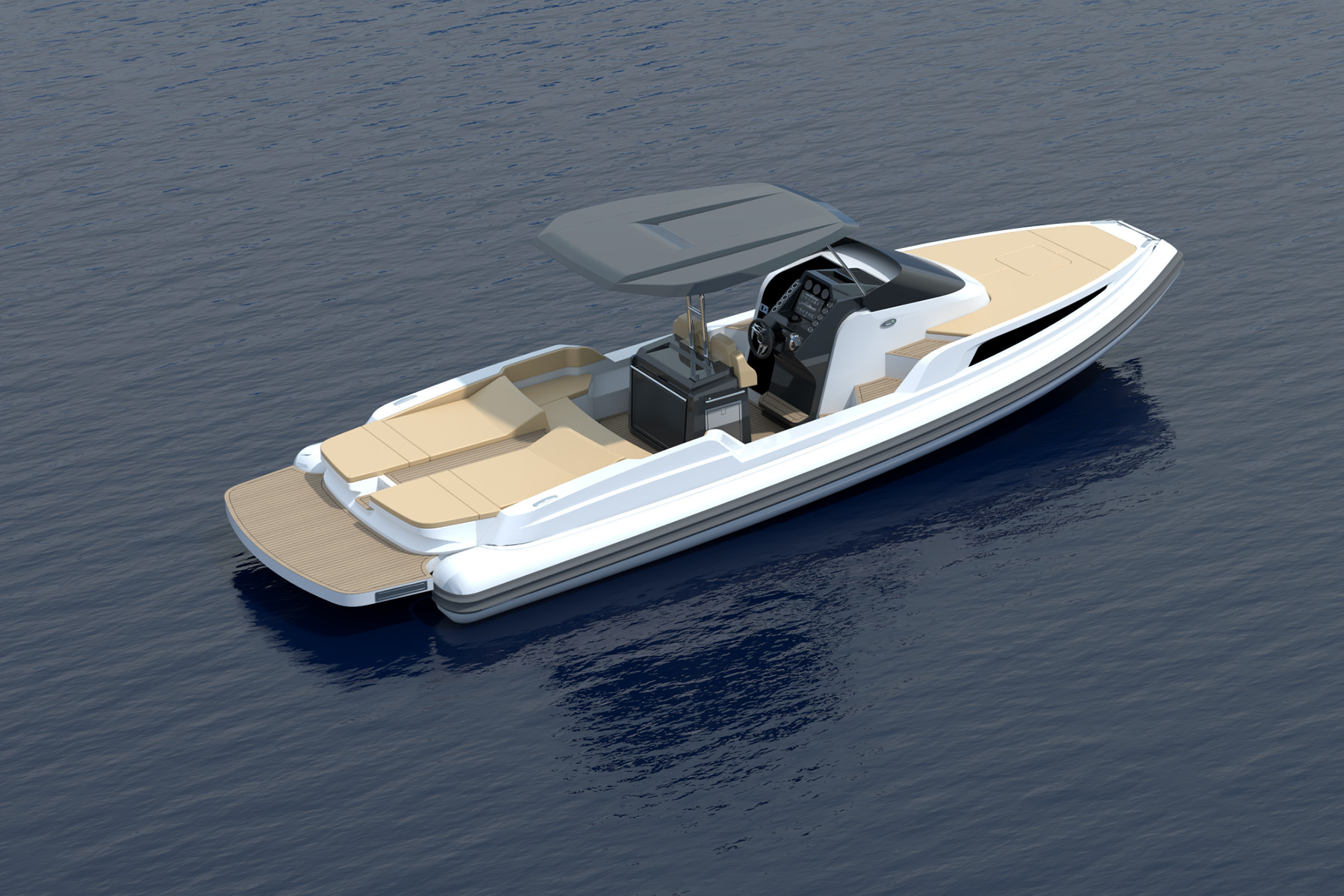
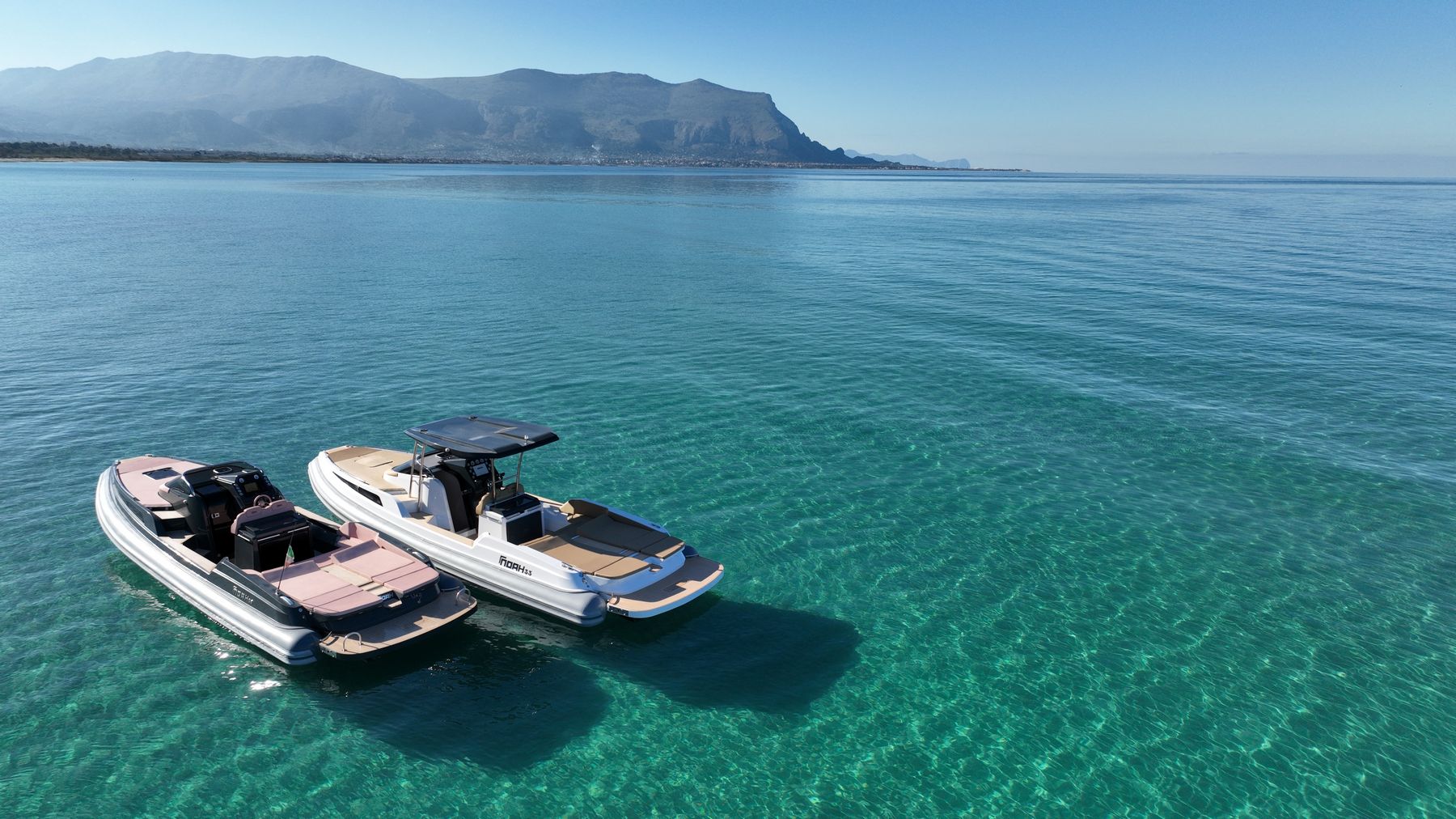
The 2016 Noah series, primarily represented by the Noah 58 and Noah 70 luxury motor yachts, stands as a benchmark for mid-sized semi-custom cruisers that prioritize structural integrity and voluminous interior layouts. Now a decade old in 2026, these vessels are highly regarded in the pre-owned market for their robust fiberglass construction and reliable Caterpillar propulsion systems.
The Legacy of the 2016 Noah Yacht Series
In the mid-2010s, the marine industry saw a significant shift toward "value-luxury" vessels—boats that offered the finish and customization of elite European yards but at a more accessible price point through efficient Asian manufacturing. Noah Yachts emerged during this period as a specialized builder focusing on the owner-operator and the small-crew luxury market.
The 2016 models were a culmination of several years of refining their resin-infusion processes. Unlike earlier iterations that relied on traditional hand-laid fiberglass, the 2016 production year utilized vacuum-bagged infusion for major structural components. This reduced the weight of the 58 and 70-foot models by approximately 10% compared to earlier prototypes, allowing for better fuel economy without sacrificing the "heavy-ship" feel that provides stability in rougher seas.
In 2026, the 2016 Noah boats are frequently sought after by coastal cruisers who value a conservative but elegant aesthetic. They were designed during a transition period where nautical design moved away from heavy, dark cherry woods toward lighter, open-grain oaks and contemporary neutral palettes, making them feel less dated than many of their contemporaries from the same era.
Design and Construction: Building for Longevity
The hallmark of the 2016 Noah lineup is the hull design. Engineered with a deep-V entry that transitions into a moderate deadrise at the transom, these boats were built to handle the "short chop" often found in the Mediterranean and the Caribbean.
Hull Integrity and Material Science
The 2016 Noah hulls utilized a solid fiberglass bottom below the waterline, with PVC foam-core sandwich construction used from the chine up to the deck. This approach ensures that the areas most susceptible to impact and hydrostatic pressure are incredibly dense, while the topsides remain light to lower the vessel's center of gravity.
One of the specific technical achievements of the 2016 model year was the integration of a reinforced "collision bulkhead" forward. While standard in many commercial vessels, Noah made this a selling point for their recreational line, providing an extra layer of safety for long-distance cruisers. Furthermore, the 2016 models featured a high-gloss gelcoat that has, in the ten years since its debut, proven exceptionally resistant to UV degradation and "chalking," provided the vessel was maintained with a regular waxing schedule.
Exterior Ergonomics
The 2016 Noah 70, in particular, emphasized outdoor living. The flybridge layout was revolutionary for the brand, featuring a hardtop with an integrated electric sunroof—a feature that was prone to mechanical issues in early 2014 models but was significantly redesigned for the 2016 release with more robust tracks and motors. The aft deck was designed with wide side-walks, catering to owners who preferred to handle their own lines without the assistance of a full-time deckhand.
Layout and Accommodations
Interior volume is perhaps the strongest selling point of the 2016 Noah series. By utilizing a wide beam (approximately 18 feet on the 70-foot model), the designers were able to create a "main deck" feel that rivals much larger vessels.
Interior Appointments and Customization
Because Noah operated as a semi-custom yard, no two 2016 boats are exactly alike. However, the standard "Premier" package for that year included:
- Master Stateroom: A full-beam midship suite with large panoramic hull windows. In 2016, these windows were engineered with double-tempered safety glass to meet updated ISO standards for offshore vessels.
- VIP Guest Quarters: Located forward, featuring a queen-sized island berth and private en-suite access.
- Galley-Up Configuration: Most 2016 models featured the galley on the main deck, allowing the chef to remain part of the social activity in the salon.
- Crew Quarters: Discreetly tucked away in the stern with separate access from the swim platform, a feature often utilized as a "teenager’s cabin" or extra storage by owner-operators.
The joinery work in the 2016 models utilized a "floating panel" system. This technique allows the wood to expand and contract with changes in humidity and temperature without cracking or warping. In 2026, many of these interiors still look pristine, a testament to the quality of the veneers and the skill of the original craftsmen.
Technical Specifications and Performance
The performance of the 2016 Noah boats is defined by their "displacement-plus" capabilities. They are not speed demons, but they offer a very comfortable cruise in the 18 to 22-knot range.
Engine and Propulsion Data
Most 2016 Noah 58s were equipped with twin Caterpillar C-12 engines, while the 70s often carried the larger C-18 ACERT units. These engines are widely regarded by marine mechanics in 2026 as some of the most reliable blocks ever produced by Caterpillar, provided their cooling systems are serviced every two years.
| Feature | Noah 58 (2016) | Noah 70 (2016) |
|---|---|---|
| Length Overall (LOA) | 58' 4" (17.78m) | 71' 2" (21.69m) |
| Beam | 16' 5" (5.00m) | 18' 8" (5.69m) |
| Draft (Full Load) | 4' 10" (1.47m) | 5' 2" (1.57m) |
| Standard Engines | Twin CAT C-12 (715 HP) | Twin CAT C-18 (1150 HP) |
| Cruising Speed | 19 Knots | 21 Knots |
| Top Speed | 24 Knots | 26 Knots |
| Fuel Capacity | 850 Gallons | 1,250 Gallons |
| Water Capacity | 220 Gallons | 350 Gallons |
Fuel Efficiency and Range
At a displacement speed of 10 knots, the 2016 Noah 70 can achieve a range of nearly 1,000 nautical miles, making it a viable option for "The Great Loop" or Caribbean island hopping. When pushed to its cruising speed of 21 knots, the fuel burn increases significantly to approximately 80 gallons per hour. For owners in 2026, where fuel costs remain a primary concern, the ability to "slow-cook" at lower RPMs is a significant advantage of the Noah hull design.
Maintenance and Ownership in 2026
If you are considering a 2016 Noah boat today, it is essential to understand the maintenance cycle of a decade-old vessel. While the hull and engines are generally bulletproof, several systems will likely require attention.
- Electronics Obsolescence: The original Garmin or Raymarine suites from 2016 are now considered "legacy" technology. Most well-maintained Noahs will have been upgraded by 2026 to include Starlink integration and modern solid-state radar.
- Hydraulic Systems: The 2016 models frequently utilized hydraulic thrusters and swim platforms. In 2026, it is critical to inspect all seals and hoses for signs of "weeping" or degradation, as these systems operate under high pressure.
- Teak Decking: If the boat was ordered with real teak, the 2026 timeframe is often when the "caulking" begins to fail or the wood becomes thin from over-sanding. Many owners are now opting to replace original teak with synthetic alternatives like Esthec or Flexiteek for lower maintenance.
- Air Conditioning: The Dometic or Cruisair systems used in 2016 were efficient for their time, but they require regular descaling of the raw water lines to prevent high-pressure shutdowns in tropical climates.
Market Value and Resale Considerations
In 2026, the 2016 Noah series occupies a "sweet spot" in the market. They have depreciated from their original million-dollar-plus price tags but haven't yet reached the age where they require the massive refit costs associated with 20-year-old yachts.
The resale value remains stable because Noah Yachts produced a limited number of these vessels each year. This scarcity, combined with the brand's reputation for using "off-the-shelf" high-quality components (like Jabsco pumps, Onan generators, and Side-Power thrusters), means that parts are easy to source and mechanics are familiar with the systems.
Compared to a brand-new 2026 vessel of similar size, which might cost upwards of $3 million, a well-maintained 2016 Noah provides about 85% of the luxury and 100% of the seaworthiness for roughly 40-50% of the cost. This makes them a favorite for retirees and "digital nomads" who want a reliable platform for long-term living aboard.
Frequently Asked Questions
Is the 2016 Noah boat suitable for solo operation?
Yes, the 2016 Noah 58 is particularly well-suited for a couple or a solo operator. It features wide walk-around decks and was often equipped with bow and stern thrusters to simplify docking. The Noah 70, while larger, is also manageable for an experienced owner-operator, though many prefer to have at least one deckhand for cleaning and maintenance.
What are the most common mechanical issues with the 2016 Noah?
The most frequently reported issues are not related to the hull or main engines but rather to the secondary systems. These include the electric sunroof motor on the flybridge, the hydraulic seals on the lifting swim platform, and the aging of the original LED lighting controllers, which can be difficult to source in 2026.
How does the Noah 2016 hull handle rough seas?
The 2016 models are known for their "dry ride." The high bow flare does an excellent job of deflecting spray away from the windshield. Because they are built with a heavier laminate schedule than some "production" boats (like Sea Ray or Prestige), they tend to stay "planted" in a head sea rather than bouncing over the waves.
Does the 2016 Noah boat use cored fiberglass?
The 2016 Noah uses a "hybrid" construction method. The hull bottom is solid, hand-laid fiberglass for maximum impact resistance. The hull sides and the decks use a vacuum-infused foam core. This provides excellent thermal and acoustic insulation, making the interior much quieter while underway compared to solid-fiberglass-only vessels.
What is the estimated annual maintenance cost in 2026?
For a 2016 Noah 70, an owner should budget between 5% and 10% of the vessel's current market value annually. In 2026, this typically ranges from $60,000 to $90,000, covering dockage, insurance, routine engine service, bottom painting, and a "slush fund" for unexpected electronic or cosmetic repairs.
Final Recommendation for Prospective Buyers
The 2016 Noah boat remains a compelling choice in 2026 for those who prioritize substance over flash. While it may lack the aggressive, futuristic styling of some 2026 launches, its classic lines and over-engineered systems offer a level of security that is hard to find in the modern "ultra-light" boat market.
If you are inspecting a 2016 Noah, prioritize a professional hull survey and an oil analysis of the Caterpillar engines. These are the "bones" of the boat. If the structure and propulsion are sound, the interior and electronics can be easily modernized to create a world-class cruising platform that will likely serve its owner for another decade or more.