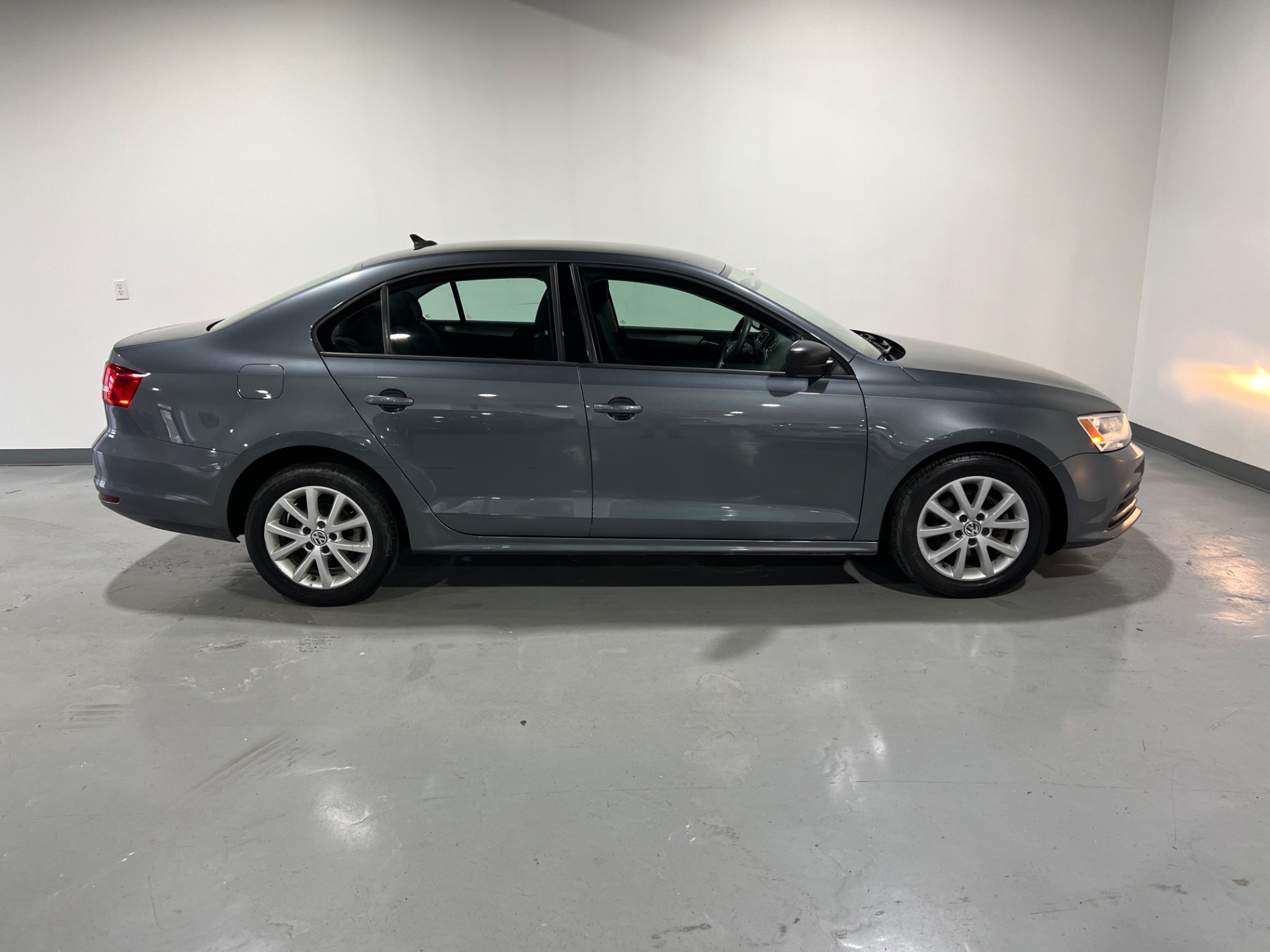
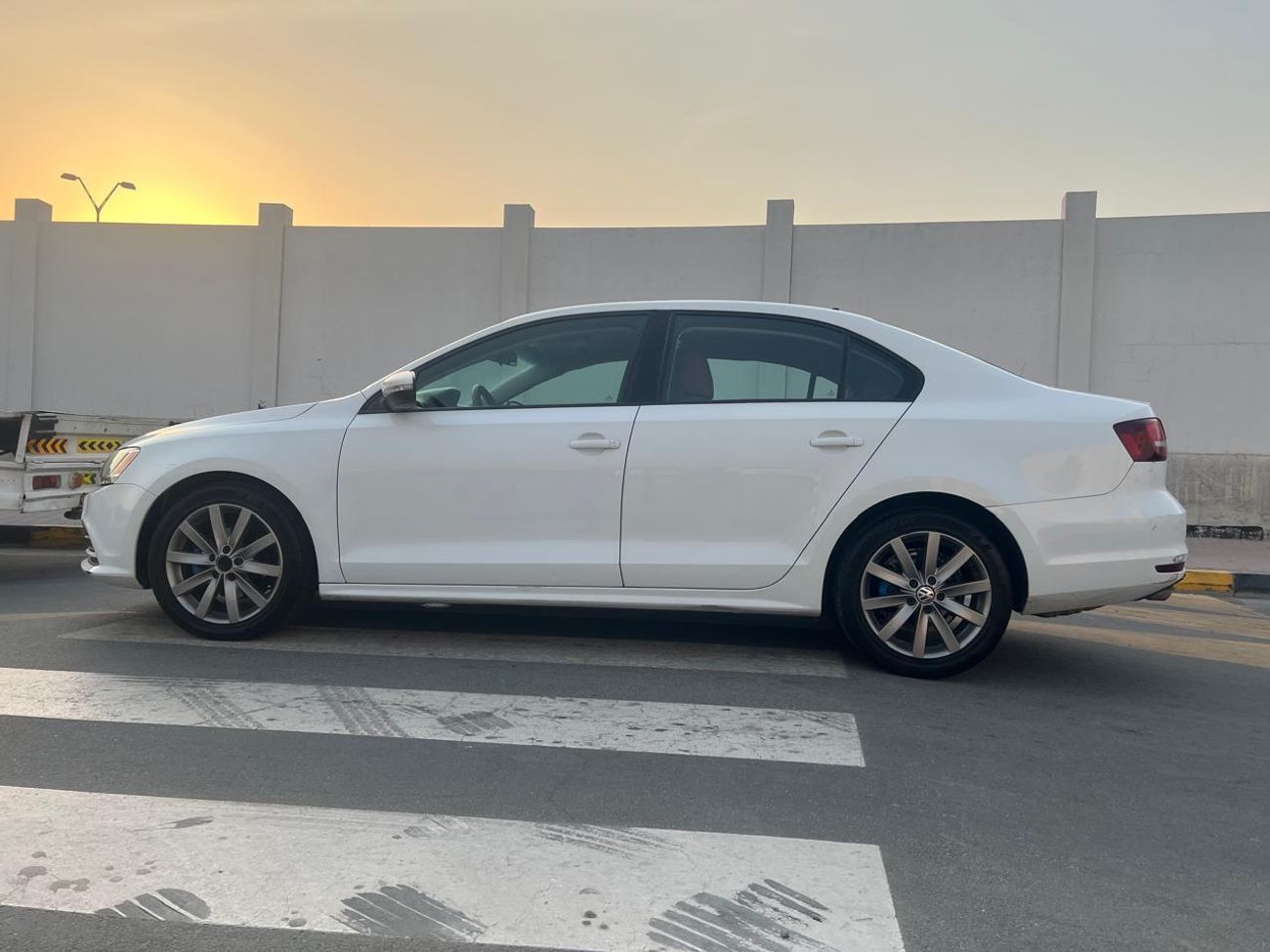
The 2015 Volkswagen Jetta SE strikes a balanced middle ground in the compact sedan market, featuring a standard turbocharged 1.8-liter four-cylinder engine, a refreshed exterior design for the model year, and a spacious interior that prioritizes comfort and everyday usability. Positioned between the entry-level models and the higher-tier trims, the SE offers a blend of performance, fuel efficiency, and standard amenities that appealed to a broad spectrum of drivers seeking a European-inspired daily driver.
Navigating the specifications and features of a mid-cycle vehicle requires a clear understanding of what changed during its production run, how its powertrain performs, and what creature comforts distinguish it from competing trims. This guide examines the mechanical specifications, interior dimensions, technology options, safety ratings, and ownership considerations of the 2015 Volkswagen Jetta SE.
Introduction to the 2015 Volkswagen Jetta SE
The 2015 model year brought meaningful updates to the Volkswagen Jetta lineup. Following a major redesign in 2011, Volkswagen applied a subtle exterior refresh for 2015, tweaking the front grille, trunk lid, and rear bumper to improve aerodynamic efficiency and modernize the vehicle's stance. Inside, revisions to the steering wheel, instrument cluster, and center console enhanced the driver-focused cockpit.
Within the hierarchy of the 2015 Jetta lineup, the SE trim served as a popular volume seller. It stepped away from the base, under-hood constraints of the older 2.0-liter naturally aspirated engine found in lower trims by introducing the modern EA888 turbocharged engine architecture. For buyers evaluating used compact cars or researching historical specifications, understanding the exact configuration of the Jetta SE ensures an accurate assessment of its capabilities on the road.
Powertrain and Mechanical Specifications
The mechanical heart of the 2015 Volkswagen Jetta SE is its powerplant, transmission choices, and chassis setup. These components dictate how the sedan handles daily commuting, highway cruising, and fuel management.
Engine Performance and Output
For the 2015 model year, the Jetta SE adopted the 1.8-liter turbocharged and intercooled direct-injection (TSI) four-cylinder engine as its standard equipment. This engine replaced the older 2.5-liter five-cylinder engine utilized in earlier sixth-generation Jettas.
- Displacement: 1,798 cc (1.8 liters)
- Horsepower: 170 hp at 4,800–6,200 rpm
- Torque: 184 lb-ft at 1,500–4,500 rpm
- Valvetrain: Double overhead cam (DOHC), four valves per cylinder with intake variable valve timing
The broad torque curve, peaking early at 1,500 rpm, provides immediate throttle response from a stop and confident passing power on the highway without requiring high engine revs.
Transmission Options
Power is routed to the front wheels through one of two transmission configurations, depending on whether the vehicle is equipped with the Connectivity package or standard configuration:
- 5-Speed Manual Transmission: A traditional three-pedal setup offering direct mechanical control, though pairing primarily with base SE configurations early in the model year.
- 6-Speed Automatic Transmission: A conventional torque-converter automatic featuring Tiptronic manual shift capability and a Sport mode for holding gears longer during acceleration.
Suspension, Steering, and Braking
The Jetta SE utilizes a front independent MacPherson strut suspension with coil springs and a stabilizer bar. At the rear, the vehicle features a torsion beam setup—a configuration shared with non-GLI trims of this generation. Steering duties are handled by an electromechanical power rack-and-pinion system that adjusts steering weight based on vehicle speed.
Stopping power comes from four-wheel disc brakes with anti-lock braking systems (ABS), electronic brake-pressure distribution (EBD), and hydraulic brake assist. Front brakes utilize ventilated rotors, while the rear uses solid rotors.
Dimensions, Capacity, and Exterior Features
The 2015 Jetta maintains a traditional compact sedan footprint while maximizing cabin volume and cargo utility, a hallmark of Volkswagen's packaging strategy during this era.
Exterior Dimensions and Styling
- Wheelbase: 104.3 inches
- Overall Length: 182.3 inches
- Width: 70.0 inches
- Height: 57.2 inches
- Ground Clearance: 5.5 inches
The exterior of the SE trim includes body-colored power adjustable side mirrors with integrated turn signal indicators, heated exterior mirrors, halogen headlights, and 16-inch alloy wheels wrapped in all-season tires. The 2015 refresh also introduced available bi-xenon headlights with LED daytime running lights on select option packages, though standard SE models relied on halogen configurations unless upgraded.
Interior Space and Cargo
Volkswagen designed the Jetta cabin to accommodate adult passengers in both the front and rear rows comfortably.
- Seating Capacity: 5 passengers
- Front Headroom: 37.9 inches
- Front Legroom: 41.2 inches
- Rear Headroom: 37.1 inches
- Rear Legroom: 38.1 inches
- Passenger Volume: 94.1 cubic feet
- Cargo Volume (Trunk): 15.5 cubic feet
The rear seats feature a 60/40 split-folding design alongside a center pass-through ski sack, allowing long items to extend into the cabin while maintaining seating for rear passengers.
Interior Comfort, Technology, and Convenience
The Jetta SE bridges the gap between utilitarian transportation and modern cabin comfort through standard materials and electronics packages.
Seating and Cabin Materials
Unlike the base S trim which featured cloth seating surfaces, the SE trim introduced V-Tex leatherette seating surfaces. This synthetic leather material provides a premium feel while offering enhanced resistance to spills and wear compared to traditional cloth.
- Front Seating: Height-adjustable driver and front passenger seats with manual lumbar support and heating elements.
- Steering Wheel and Shifter: Leather-wrapped steering wheel, handbrake lever, and shift knob.
- Trim Accents: Metallic or piano black dashboard trim pieces replacing the hard plastics found on lower trims.
Infotainment and Connectivity
Depending on whether the SE was ordered with the Connectivity package, the infotainment system varied. Standard equipment included an AM/FM radio, CD player, auxiliary input jack, and a USB port.
Upgraded models featured Volkswagen's touchscreen infotainment system paired with Bluetooth connectivity for hands-free calling and audio streaming, SiriusXM satellite radio capability, and a multi-function display integrated into the instrument cluster.
Fuel Economy and Environmental Performance
The transition to the 1.8-liter TSI engine significantly improved the Jetta's efficiency metrics compared to the older five-cylinder powerplant.
- Automatic Transmission EPA Ratings: Approximately 25 mpg city, 37 mpg highway, and 29 mpg combined.
- Manual Transmission EPA Ratings: Approximately 24 mpg city, 35 mpg highway, and 28 mpg combined.
- Fuel Tank Capacity: 14.5 gallons
- Fuel Requirement: Regular unleaded gasoline (87 octane recommended, though premium fuel is not required to achieve rated output).
These figures place the 2015 Jetta SE competitively within the compact sedan segment for highway cruising efficiency, minimizing fuel stops during long-distance travel.
Safety Equipment and Crash Test Ratings
Safety features on the 2015 Volkswagen Jetta SE include both active electronic aids and passive structural protections engineered to safeguard occupants during collisions.
Safety Specifications Table
| Feature Category | Specification / Equipment |
|---|---|
| Airbag System | Dual front airbags, front side thorax airbags, and Side Curtain Protection head airbags for front and rear rows |
| Stability Control | Electronic Stability Control (ESC) with Electronic Differential Lock (EDL) and Anti-Slip Regulation (ASR) |
| Braking Systems | Anti-lock Braking System (ABS), Brake Assist, and Intelligent Crash Response System (ICRS) |
| Seatbelts | 3-point safety belts for all seating positions, front pretensioners with load limiters |
| Child Safety | LATCH (Lower Anchors and Tethers for CHildren) mounting system in rear outboard positions |
Crash Testing Performance
The Insurance Institute for Highway Safety (IIHS) evaluated the 2015 Volkswagen Jetta, awarding it high marks in multiple testing categories. The vehicle received the organization's Top Safety Pick designation when equipped with optional front crash prevention systems. In National Highway Traffic Safety Administration (NHTSA) testing, the vehicle achieved a 5-star overall safety rating, reflecting strong performance in frontal, side, and rollover crash evaluations.
Ownership Considerations: Common Maintenance and Reliability
Evaluating a used 2015 Volkswagen Jetta SE requires attention to specific mechanical tendencies associated with the EA888 Gen 3 engine architecture and the MQB-transition era vehicles.
Routine Maintenance Items
- Oil Changes: Requires Volkswagen-certified synthetic oil meeting VW 502 00 specification, typically changed every 10,000 miles or 12 months.
- Timing System: The 1.8L TSI engine utilizes a timing chain rather than a timing belt, which is designed to last the lifetime of the engine under proper maintenance conditions, though tensioners should be inspected if high-mileage rattle occurs.
- Spark Plugs and Coils: Standard ignition service intervals generally fall between 40,000 and 60,000 miles for turbocharged direct-injection applications.
Known Problem Areas and Common Issues
- Carbon Buildup: Like many direct-injection engines, intake valves can accumulate carbon deposits over high mileage, occasionally requiring walnut-shell blasting or chemical cleaning if drivability is affected.
- Turbocharger Wastegate Actuator: Early versions of this turbocharger could experience rattle or actuator wear, prompting warranty extensions or component updates from Volkswagen during the vehicle's early lifecycle.
- Cooling System Components: Thermostat housing and water pump assemblies are known wear items on this engine platform and should be inspected for slow coolant leaks during routine maintenance checks.
Frequently Asked Questions
What engine comes in the 2015 Volkswagen Jetta SE?
The 2015 Jetta SE is powered by a 1.8-liter turbocharged and intercooled four-cylinder TSI engine producing 170 horsepower and 184 lb-ft of torque. This engine provides a balance of low-end torque and highway efficiency compared to the older naturally aspirated engines.
Does the 2015 Jetta SE have leather seats?
The SE trim comes equipped with V-Tex leatherette seating surfaces rather than genuine leather. This synthetic material mimics the appearance and cleanability of leather while offering increased durability against everyday wear and fluid spills.
What is the fuel economy for the 2015 Jetta SE automatic?
When equipped with the 6-speed automatic transmission, the 2015 Jetta SE achieves an EPA-estimated fuel economy of approximately 25 mpg in city driving and 37 mpg on the highway, resulting in a combined rating of 29 mpg.
Does the 2015 Jetta SE have a backup camera?
A rearview camera was not universally standard on every base SE model for 2015, but it was frequently included as part of upgraded infotainment packages or the Connectivity package. Buyers should verify individual vehicle specifications to confirm camera equipment.
Is the timing belt or timing chain used in the 2015 Jetta 1.8T?
The 1.8-liter TSI engine in the 2015 Jetta uses an internal timing chain rather than a rubber timing belt. This chain is designed to last the lifespan of the engine provided regular oil change intervals are strictly maintained.
Practical Recommendations for Buyers and Owners
For prospective buyers evaluating a pre-owned 2015 Volkswagen Jetta SE, prioritize vehicles with a documented service history confirming regular synthetic oil changes. Inspect the suspension components for bushing wear, verify proper operation of the turbocharger under load, and check for any active coolant or oil leaks around the engine bay.
For current owners, adhering strictly to Volkswagen's fluid specifications and maintenance schedules preserves the longevity of the turbocharger and transmission. Address minor warning lights or fluid loss promptly to prevent minor gasket degradation from turning into major mechanical repairs.