Checking the transmission fluid on a 2013 Ford Fiesta is not a traditional process because both the PowerShift dual-clutch automatic and the 5-speed manual transmissions are sealed units without a dipstick. To check the level, you must safely elevate the vehicle, ensure it is perfectly level, and remove the fill plug located on the side of the transmission case to verify the fluid is level with the bottom of the hole.
The 2013 Ford Fiesta remains a common sight on the roads in 2026, but as these vehicles age, transmission maintenance becomes the single most critical factor in their continued operation. The 2013 model year is particularly famous—or perhaps infamous—for the DPS6 PowerShift transmission. Understanding how to monitor its lubrication system is vital for preventing the costly "shuddering" issues that have historically plagued this model. This guide provides the technical depth required for owners and DIY mechanics to accurately assess transmission fluid levels and health.
Understanding the 2013 Ford Fiesta Transmission Types
Before attempting a fluid check, it is essential to identify which transmission your vehicle is equipped with. The 2013 Ford Fiesta was primarily sold with two distinct configurations:
- The PowerShift Automatic (DPS6): This is a six-speed dual-clutch transmission (DCT). Unlike a conventional automatic that uses a torque converter and hydraulic fluid to shift gears, the PowerShift uses two dry clutches and internal electric motors. The fluid inside the case is used solely to lubricate the gears and bearings, much like a manual transmission.
- The 5-Speed Manual (IB5/MTX-75): A traditional manual gearbox where the driver operates a clutch pedal. Like the DCT, this unit uses a splash-lubrication system and lacks a dipstick.
The absence of a dipstick often leads owners to believe the transmission is "maintenance-free" for life. However, by 2026, most 2013 Fiestas have reached high-mileage status where the original fluid has likely oxidized or suffered from shearing. A manual check is the only way to ensure the internal components are not running dry due to slow-seeping seals.
Why There Is No Transmission Dipstick
In the early 2010s, Ford—along with many other manufacturers—moved toward "sealed-for-life" transmission designs. The 2013 Fiesta reflects this engineering philosophy. The primary reason for the omission of a dipstick in the DPS6 and manual units is to reduce the risk of fluid contamination.
Because these transmissions do not use fluid as a hydraulic medium to actuate shifts (the DCT uses electric actuators), the fluid volume is relatively small—usually less than two liters. In such a small system, even a tiny amount of moisture, dirt, or the wrong type of fluid introduced via a dipstick tube could significantly alter the lubrication properties. Consequently, checking the fluid requires access to the fill/level plug on the transmission housing itself, which ensures the vehicle is in a controlled environment (ideally on a lift) during the procedure.
Prerequisites and Tools for the Procedure
Checking the fluid on a 2013 Fiesta is a moderately technical task that requires lifting the car. You cannot accurately check the fluid if the car is resting on its wheels or if it is tilted on a jack.
Required Tools and Equipment
- A Floor Jack and Four Jack Stands: The vehicle must be lifted and supported on all four corners to remain perfectly level.
- Socket Set (8mm and 10mm): For removing the plastic underbody splash shield (air deflector).
- Allen Hex Bit (8mm): Specifically for the transmission fill plug.
- Leveling Tool: A spirit level placed on the door sill or the transmission housing to verify the car is flat.
- Clean Rags and Protective Gloves: To manage spills and protect against road grime.
- Inspection Light: To locate the fill plug behind the air intake or wheel well.
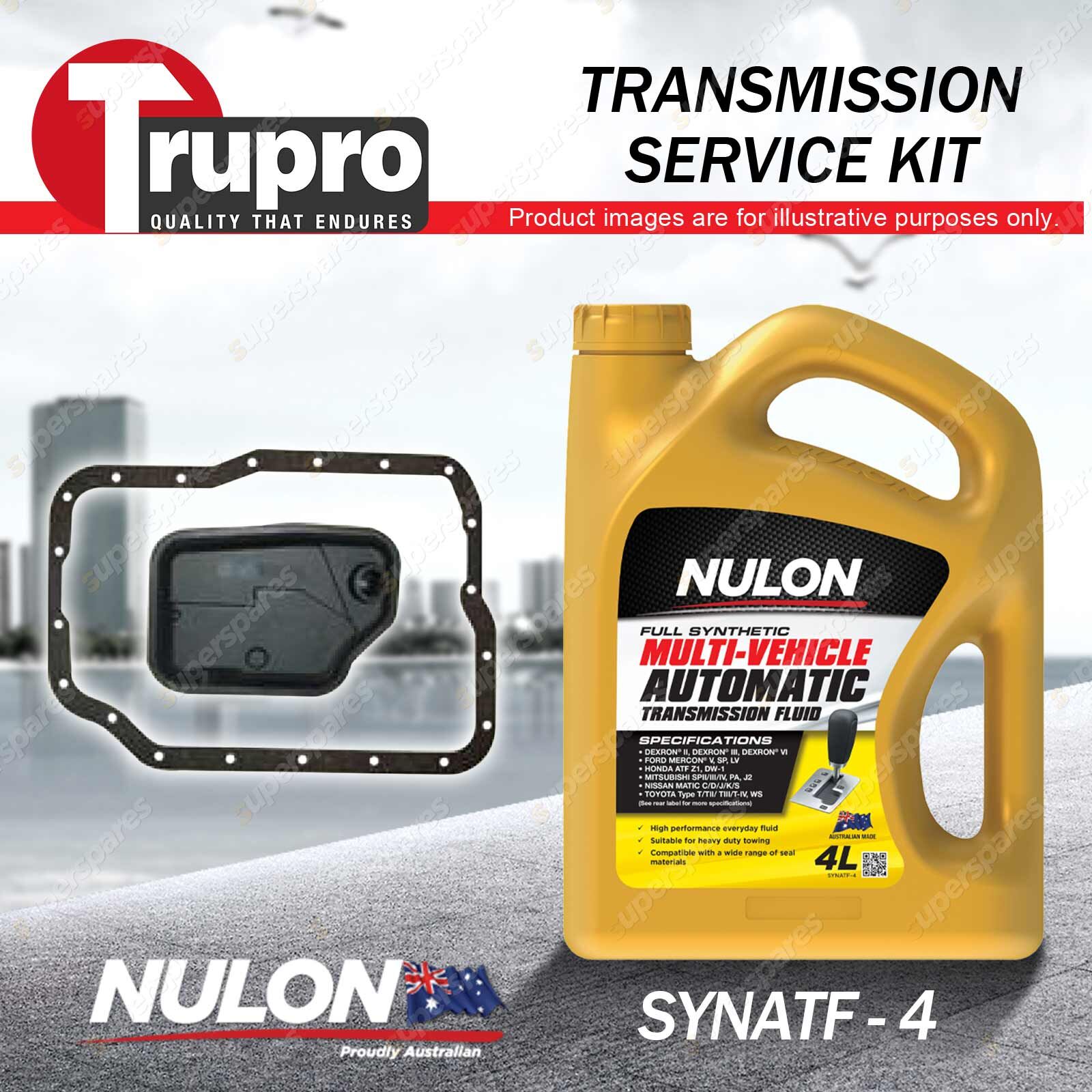
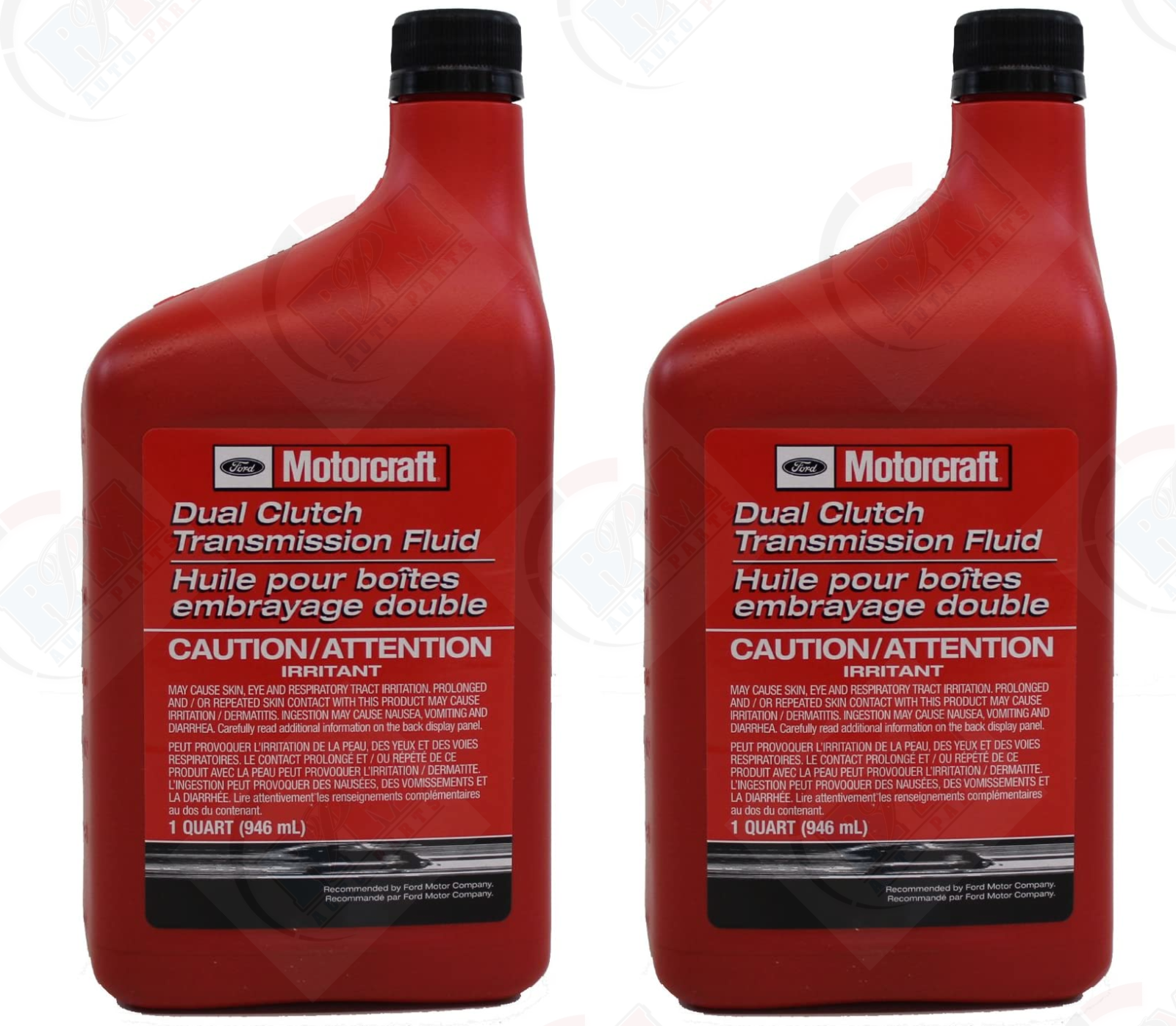
- New Fluid (Optional but Recommended): Ford XT-11-QDC (Dual Clutch Fluid) for the PowerShift or the appropriate 75W gear oil for manuals.
Step-by-Step Transmission Fluid Level Verification
This procedure applies to both the PowerShift automatic and the manual transmission, as their physical layouts for leveling are similar.
1. Preparation and Safety
Drive the vehicle for 10–15 minutes to reach operating temperature. Warm fluid is more accurate for checking levels as it expands slightly and flows more easily for inspection. Park on a flat, paved surface. Engage the parking brake and use a floor jack to lift the front and rear of the car, placing it securely on four jack stands. Warning: Never work under a car supported only by a jack.
2. Accessing the Transmission Case
Underneath the front of the Fiesta, you will find a plastic splash guard (the aero shield). Remove the 8mm and 10mm bolts securing this shield and set it aside. This provides a clear view of the transmission housing, located on the driver’s side of the engine bay.
3. Locating the Fill Plug
On the 2013 Fiesta PowerShift, the fill plug is located on the front-facing side of the transmission case, usually behind the plastic air intake ducting or accessible from the front-left wheel well area. It is a large 8mm hex-head plug. Do not confuse this with the drain plug, which is located at the very bottom of the case.
4. Removing the Plug and Checking Level
Clean the area around the plug thoroughly with a rag to prevent dirt from entering the transmission. Use your 8mm hex bit to slowly unscrew the fill plug.
- If fluid begins to trickle out: The transmission is full.
- If no fluid comes out: Insert a clean finger or an L-shaped hex key into the hole. If you can feel fluid just below the lip of the hole (within 5mm or 0.2 inches), the level is acceptable.
- If you cannot feel fluid: The level is low, and you must add fluid until it begins to weep from the hole.
5. Reinstalling and Cleanup
Once the level is confirmed, reinstall the fill plug and torque it to approximately 25–30 lb-ft (35–40 Nm). Wipe away any excess fluid, reinstall the splash shield, and lower the vehicle.
Technical Specifications and Fluid Capacities
Using the correct fluid is non-negotiable for the 2013 Ford Fiesta. The PowerShift transmission uses a highly specific low-viscosity fluid designed for dual-clutch systems. Using standard Mercon V or Dexron ATF will cause immediate and potentially catastrophic clutch engagement issues.
| Feature | PowerShift Automatic (DPS6) | 5-Speed Manual (IB5) |
|---|---|---|
| Fluid Specification | Motorcraft Dual Clutch Fluid (XT-11-QDC) | Motorcraft Full Synthetic Manual Transmission Fluid |
| Ford Specification Number | WSS-M2C200-D2 | WSS-M2C200-D2 or equivalent |
| Standard Capacity | ~1.7 - 1.9 Liters (1.8 - 2.0 Quarts) | ~2.0 Liters (2.1 Quarts) |
| Check Method | Level with Fill Plug Hole | Level with Fill Plug Hole |
| Service Interval | 100,000 miles (Ford) / 30,000–50,000 (Expert Rec) | 100,000 miles (Ford) / 60,000 (Expert Rec) |
Identifying Common Transmission Fluid Issues
Checking the level is only half the battle; the condition of the fluid tells the story of the transmission's health.
The "Strawberry Milkshake" Appearance
If the fluid appears milky or pinkish, it indicates coolant contamination. This usually happens if the transmission cooler (integrated into the radiator) fails. In 2026, many older radiators develop internal leaks. If this is found, the transmission must be flushed immediately, and the radiator replaced.
Burnt Smell and Black Color
Transmission fluid for the 2013 Fiesta should be a clear, amber-to-honey color. If the fluid is dark black and smells like burnt toast, the internal gears have been subjected to extreme heat. While the PowerShift is a "dry clutch" system, internal friction from bearings or failing shift forks can overheat the oil.
The "Bell Housing" Leak
When checking the fluid level, look at the seam where the transmission meets the engine. If you see fluid dripping from the bottom of the bell housing, your input shaft seals are likely failing. This is a notorious issue for the 2013 model. Even if the fluid level is currently "okay," a leak here will eventually contaminate the dry clutches, leading to the infamous "Fiesta Shudder."
Troubleshooting Symptoms of Low Fluid
If your 2013 Ford Fiesta is exhibiting certain behaviors, a fluid check should be your first diagnostic step.
- Increased Gear Noise: A high-pitched whining or growling sound that increases with vehicle speed often points to low fluid, as the bearings are not being sufficiently lubricated.
- Delayed Engagement: If the car hesitates for a second or two before moving after you shift from Park to Drive, it may indicate that the internal mechanical components are struggling with friction due to low oil volume.
- Hard Shifting in Manuals: If the 5-speed manual becomes difficult to "gate" or grind during shifts, the synchronizers may be struggling with sheared-out, old fluid.
- Overheating Warnings: The Fiesta's computer monitors transmission temperature. Low fluid reduces the system's ability to dissipate heat, triggering dashboard warnings.
Maintenance Recommendations for 2026
By 2026, the 2013 Ford Fiesta is well past its original warranty period. To maximize the lifespan of the PowerShift transmission, experts suggest ignoring Ford's original "100,000-mile" or "Lifetime" service claims.
For the DPS6 PowerShift, a fluid change every 30,000 to 50,000 miles is recommended. Fresh fluid helps keep the shift forks and synchronizers moving smoothly, which reduces the workload on the Transmission Control Module (TCM). If you are performing a check and the fluid hasn't been changed in the last five years, it is more cost-effective to simply drain and refill the unit rather than just topping it off.
Frequently Asked Questions
Can I use standard Automatic Transmission Fluid (ATF) in my 2013 Fiesta?
No. Standard ATF is designed for torque converters and has different friction modifiers and viscosity levels. The 2013 Fiesta PowerShift requires Motorcraft Dual Clutch Fluid (WSS-M2C200-D2). Using the wrong fluid can lead to gear synchronization failure and damage the internal sensors.
How do I know if my transmission shudder is caused by low fluid?
Usually, it isn't. The infamous "shudder" in the 2013 Fiesta is typically caused by contaminated dry clutches (often due to leaking seals) or a failing TCM. However, low fluid can cause a different type of mechanical vibration and noise. If the fluid level is correct and the shudder persists, the issue is likely the clutch assembly itself.
Where is the transmission dipstick located?
The 2013 Ford Fiesta does not have a transmission dipstick. It is a "sealed" unit. Level checks must be performed via the fill plug on the side of the transmission housing while the vehicle is level on jack stands.
Do I need to reset the car's computer after a fluid check or change?
A simple fluid check or top-off does not require a computer reset. However, if you perform a full fluid change on a PowerShift model, it is often beneficial to perform a "TCM Adaptive Learning" reset using an OBD-II tool to help the computer adjust shift points to the new fluid's viscosity.
How much does it cost to have a professional check the fluid?
A professional inspection typically costs between $80 and $150, depending on labor rates. Given that the splash shield must be removed and the car must be leveled, it usually takes a technician about 30 to 45 minutes.
Final Recommendation
For the 2013 Ford Fiesta, the transmission fluid is the lifeblood of an otherwise complex and sensitive gearbox. If you are experiencing shifting issues or have reached 100,000 miles, do not rely on a simple level check. Instead, perform a full fluid exchange using the specific Motorcraft Dual Clutch Fluid. This proactive maintenance is the most effective way to protect the gears and synchronizers, ensuring the vehicle remains operational for years to come. If you find significant metal shavings on the drain plug magnet during this process, it is a sign of internal wear that requires professional mechanical intervention.