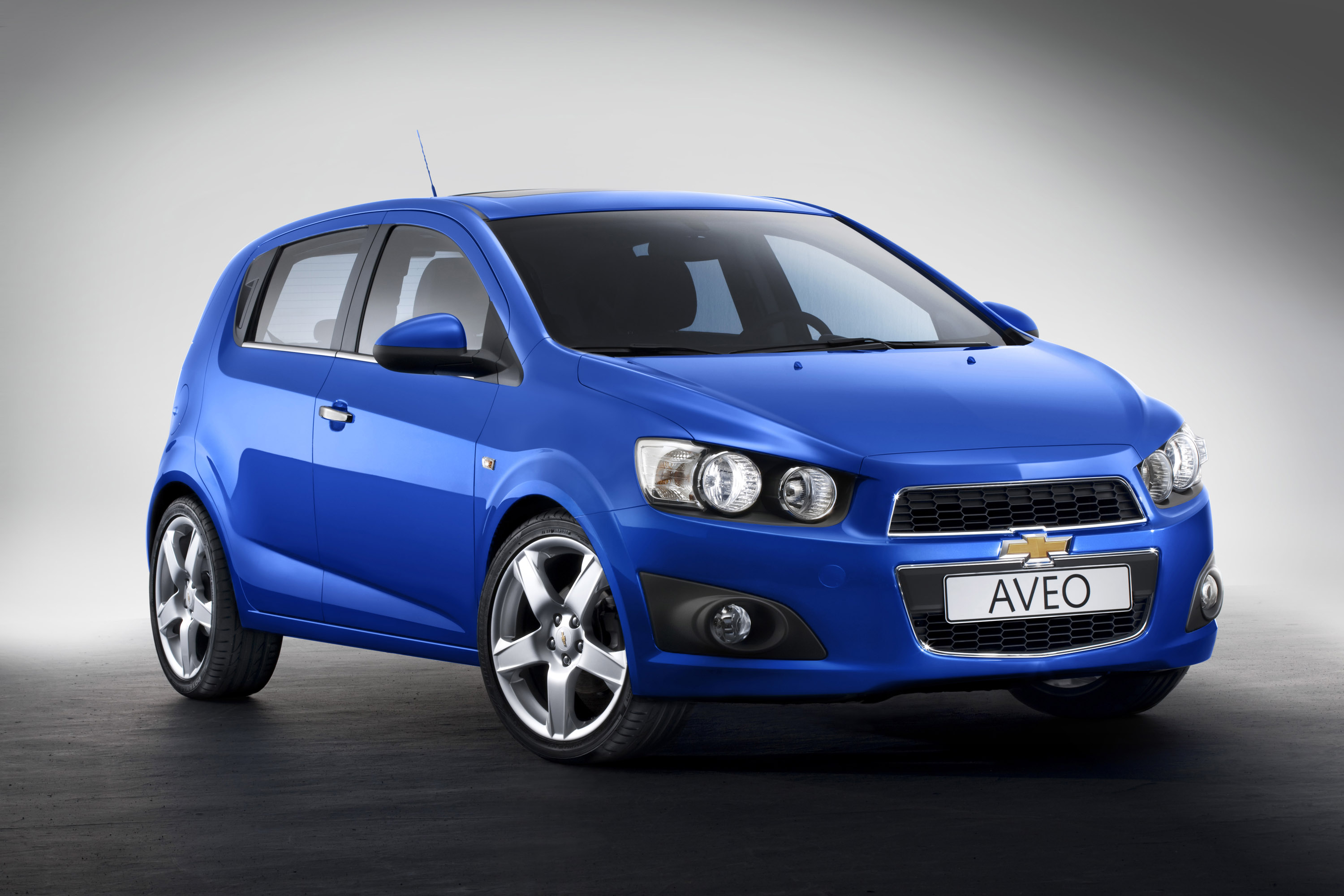
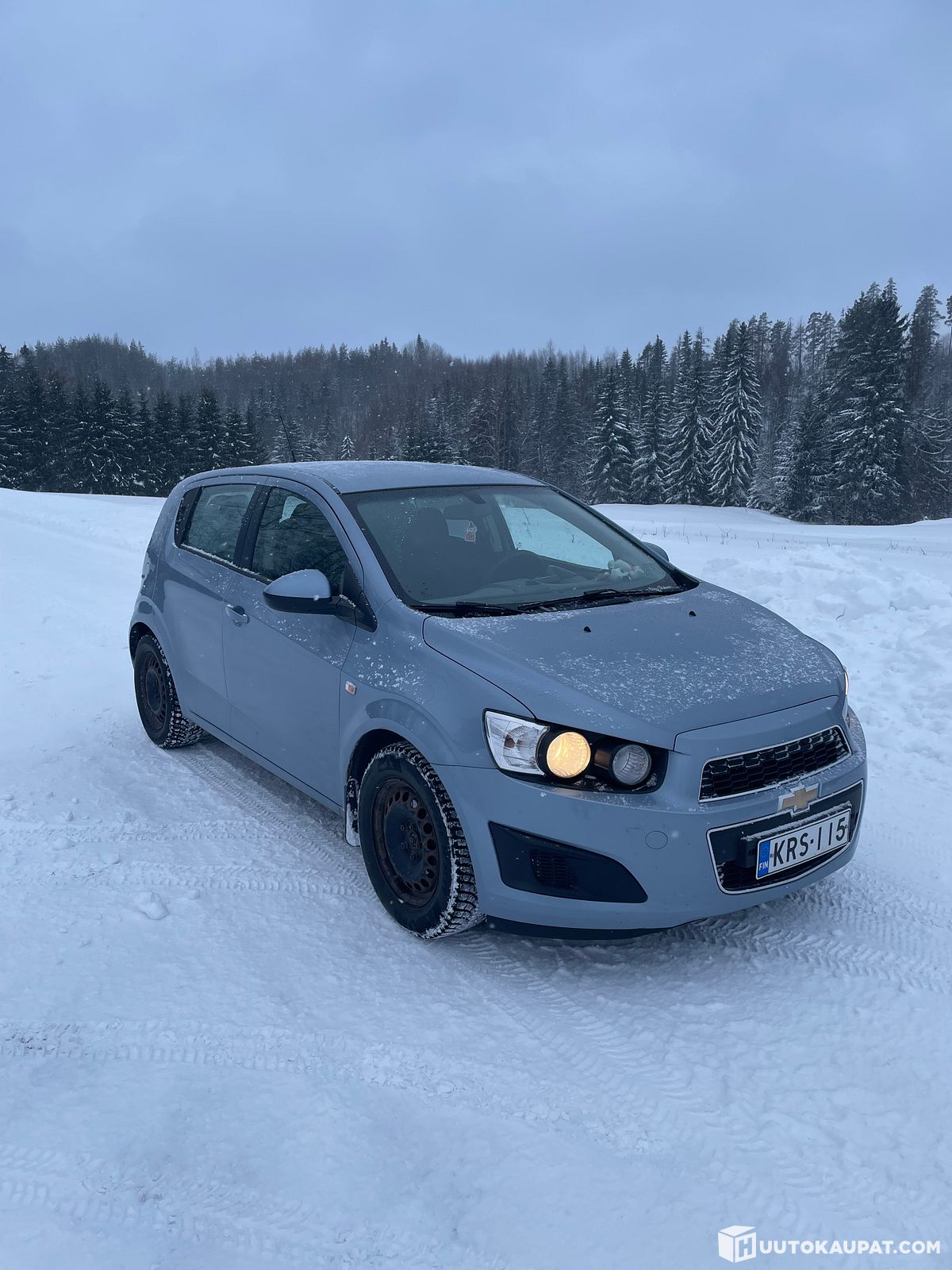
The "2012 Honda Aveo" is a common misnomer, as the Aveo is a subcompact vehicle manufactured by Chevrolet (General Motors), while Honda’s equivalent offering for the 2012 model year is the Honda Fit. Consumers searching for this specific term are typically navigating a brand name confusion between two of the most popular subcompact cars of the early 2010s.
To provide a comprehensive overview, this guide clarifies the distinction between these two vehicles, detailing the specifications, performance, and long-term reliability of the 2012 Chevrolet Aveo (known in many markets as the Sonic) and its primary competitor, the 2012 Honda Fit. Whether you are researching for a used car purchase in 2026 or analyzing the historical subcompact market, understanding the engineering and value propositions of these two distinct entities is essential.
Resolving the Brand Ambiguity: Chevrolet Aveo vs. Honda Fit
In the automotive industry, brand loyalty and model recognition often overlap, leading to hybrid names like the "Honda Aveo." However, the Aveo badge belongs exclusively to Chevrolet. By 2012, the Aveo was undergoing a significant global transition. In North America, the "Aveo" nameplate was largely retired in favor of the Chevrolet Sonic, though the Aveo name continued in international markets such as Mexico, South Africa, and parts of Europe and South Asia.
Conversely, the 2012 Honda Fit (known as the Jazz in Europe and Asia) was firmly established as the gold standard for subcompact utility. If you are looking for a "Honda Aveo," you are likely seeking the reliability and efficiency of the 2012 Honda Fit or the budget-friendly accessibility of the 2012 Chevrolet Aveo/Sonic.
The 2012 Chevrolet Aveo (Sonic) Engineering and Performance
The 2012 model year marked the introduction of the "T300" platform for Chevrolet’s subcompact. This was a radical departure from the previous T200/T250 generations, which were often criticized for subpar safety and build quality.
Powertrain and Mechanical Dynamics
The 2012 Aveo/Sonic offered two primary engine choices in the Western market:
- 1.8L Ecotec Inline-4: This naturally aspirated engine produced roughly 138 horsepower and 125 lb-ft of torque. It was the "workhorse" engine, utilizing a timing belt system that requires periodic replacement (typically every 100,000 miles).
- 1.4L Turbocharged Inline-4: Available in higher trims, this engine produced the same 138 horsepower but significantly more torque (148 lb-ft), providing a much punchier driving experience and slightly better fuel efficiency.
The suspension featured a standard MacPherson strut front and a semi-independent torsion beam rear. While not a sports car, the 2012 redesign significantly stiffened the chassis, improving cornering stability compared to the 2011 models.
Interior and Technology
Inside, the 2012 Aveo/Sonic introduced the "motorcycle-inspired" instrument cluster, featuring a large analog tachometer paired with a digital speedometer. This was a polarizing design choice intended to appeal to younger buyers. The materials were primarily hard plastics, which was standard for the subcompact segment at the time, though the fit and finish were vastly improved over previous Chevrolet small cars.
The 2012 Honda Fit: The True Honda Subcompact
If your search was directed toward a Honda product, the 2012 Fit is the vehicle you are likely considering. In 2012, the Fit was in its second generation (GE8) and received a mid-cycle refresh that included revised front and rear bumpers, a new grille, and improved interior insulation to reduce road noise.
The "Magic Seat" Innovation
The defining feature of the 2012 Honda Fit is the Magic Seat system. The rear seat cushions can flip up (Tall Mode), allowing for the transport of tall items like potted plants or bicycles directly behind the front seats. Alternatively, the seats fold completely flat (Utility Mode), creating a cavernous cargo area that rivals many small SUVs. This versatility is a primary reason the Fit remains highly sought after on the used market in 2026.
Mechanical Reliability and VTEC
The Fit is powered by a 1.5L i-VTEC four-cylinder engine producing 117 horsepower. While lower in raw output than the Chevrolet's 1.8L engine, the Fit's engine is renowned for its longevity. It utilizes a timing chain rather than a belt, which generally lasts the life of the engine, reducing long-term maintenance costs. The 2012 Fit was available with either a 5-speed manual or a 5-speed automatic transmission—the latter being a traditional geared automatic, which many drivers prefer over the CVTs (Continuously Variable Transmissions) that became dominant in later years.
Technical Specifications Comparison: 2012 Models
To help you decide which vehicle fits your needs, the following table compares the 2012 Chevrolet Aveo/Sonic and the 2012 Honda Fit.
| Feature | 2012 Chevrolet Aveo (Sonic) | 2012 Honda Fit |
|---|---|---|
| Engine Type | 1.8L I-4 / 1.4L Turbo I-4 | 1.5L I-4 i-VTEC |
| Horsepower | 138 hp | 117 hp |
| Torque | 125 - 148 lb-ft | 106 lb-ft |
| Transmission | 5-Speed Manual / 6-Speed Auto | 5-Speed Manual / 5-Speed Auto |
| EPA Fuel Economy (City/Hwy) | 25/35 MPG (1.8L Auto) | 27/33 MPG (Auto) |
| Cargo Volume (Max) | 30.7 cu. ft (Hatchback) | 57.3 cu. ft |
| Safety Features | 10 Standard Airbags | 6 Standard Airbags |
| Timing Component | Timing Belt (1.8L) | Timing Chain |
Safety and Structural Integrity
By 2012, safety standards for small cars had become significantly more stringent. Both vehicles performed well for their era, but they took different approaches.
Chevrolet's Safety Push
Chevrolet heavily marketed the 2012 Sonic/Aveo’s safety, equipping it with 10 standard airbags, including knee airbags for the driver and front passenger—a rarity in the subcompact class at the time. The 2012 Sonic earned a 5-star overall safety rating from the NHTSA and was named a "Top Safety Pick" by the IIHS.
Honda's ACE Body Structure
Honda utilized its Advanced Compatibility Engineering (ACE) body structure in the 2012 Fit. This design was engineered to better distribute crash energy in the event of a collision with a larger vehicle. While it had fewer airbags than the Chevrolet, the Fit’s structural integrity and predictable handling made it a safe choice for urban and highway driving alike.
Long-Term Maintenance and Common Issues (2026 Perspective)
As these vehicles reach 14 years of age in 2026, their maintenance profiles diverge significantly. When inspecting a used model, focus on these specific areas.
Common Issues with the 2012 Chevrolet Aveo/Sonic
- Cooling System Vulnerabilities: The 1.8L and 1.4L Ecotec engines are known for plastic cooling components (thermostat housings and water outlets) that can become brittle and leak over time.
- PCV Valve Failure: On the 1.4L turbo models, the PCV valve is integrated into the valve cover. If it fails, it often requires the replacement of the entire valve cover.
- Oil Leaks: Common leak points include the oil cooler gaskets and the oil pressure sensor.
Common Issues with the 2012 Honda Fit
- Ignition Coil Packs: High-mileage Fits often experience "stuttering" or hesitation under load, usually caused by failing ignition coils or worn spark plugs.
- AC Compressor: The air conditioning compressors in this generation of the Fit are known to fail prematurely compared to other Honda models.
- Blower Motor Resistor: A common minor electrical failure where the cabin fan only works on the highest setting.
Driving Experience and Urban Maneuverability
The driving dynamics of these two cars reflect their different engineering philosophies. The 2012 Chevrolet Aveo/Sonic was designed with a more "European" feel—the steering is heavier, and the cabin is remarkably quiet for a subcompact. It feels more substantial on the highway, with less buffeting from wind and passing semi-trucks.
The 2012 Honda Fit, however, is a masterclass in visibility and agility. With its large windows and thin A-pillars, the Fit offers an almost panoramic view of the road, making it incredibly easy to park and navigate through tight city traffic. The steering is light and communicative, though the engine can become buzzy and loud at high RPMs or during highway merging.
Market Value and Cost of Ownership in 2026
In 2026, the market value for these vehicles is primarily driven by condition and mileage.
- Depreciation and Resale: The Honda Fit historically holds its value much better than the Chevrolet Aveo/Sonic. In the current used market, a well-maintained 2012 Honda Fit with 120,000 miles often commands a 20-30% premium over a comparable Chevrolet Sonic.
- Fuel Costs: Both vehicles are efficient, but neither is a hybrid. Expect a combined average of 28–30 MPG in real-world mixed driving.
- Insurance: Insurance premiums for these older subcompacts are generally low, though the Chevrolet’s higher airbag count and safety ratings may slightly lower the liability portion of the premium.
Frequently Asked Questions
Is there a 2012 Honda Aveo?
No, there is no such vehicle as a Honda Aveo. The Aveo is manufactured by Chevrolet. Honda's subcompact car for the 2012 model year is the Honda Fit (known as the Jazz in some markets). The confusion often arises from the similarity in size and market segment of these two competitors.
Which is more reliable, the 2012 Chevrolet Aveo or the 2012 Honda Fit?
Statistically, the 2012 Honda Fit has a higher reliability rating. It features a timing chain that requires less maintenance than the Chevrolet's timing belt (on the 1.8L engine) and has historically fewer reports of engine and transmission failures over the 200,000-mile mark.
Does the 2012 Chevrolet Aveo/Sonic have Bluetooth?
Yes, most trims of the 2012 Chevrolet Sonic/Aveo came equipped with Bluetooth for hands-free calling, and higher trims included Bluetooth audio streaming. The 2012 Honda Fit also offered Bluetooth, but it was often restricted to the "Sport" trim with Navigation.
What is the cargo capacity of the 2012 Honda Fit?
The 2012 Honda Fit offers 20.6 cubic feet of space with the rear seats up and a class-leading 57.3 cubic feet with the rear seats folded flat. This is significantly more than the Chevrolet Sonic hatchback's 30.7 cubic feet of maximum cargo space.
Is the 2012 Chevrolet Aveo good for highway driving?
The 2012 Chevrolet Aveo/Sonic is surprisingly capable on the highway. Its stiff chassis and 6-speed automatic transmission (compared to the 5-speeds in many competitors) allow it to cruise at higher speeds with lower engine RPMs, resulting in a quieter cabin than the Honda Fit.
Final Recommendation
If you are choosing between the cars involved in the "2012 Honda Aveo" confusion, your decision should be based on your primary use case.
- Choose the 2012 Honda Fit if you prioritize reliability, resale value, and maximum cargo versatility. It is the superior "utilitarian" choice and is better suited for owners who plan to keep the car for several years with minimal mechanical headaches.
- Choose the 2012 Chevrolet Aveo (Sonic) if you prefer a quieter, more modern interior, a more robust safety package (10 airbags), and a car that feels more "planted" during highway commutes. It is often available at a lower price point than the Honda, making it a strong value-oriented option.
When purchasing either vehicle in 2026, always verify the service history, specifically checking for timing belt replacement on the Chevy 1.8L and valve adjustments on the Honda 1.5L.