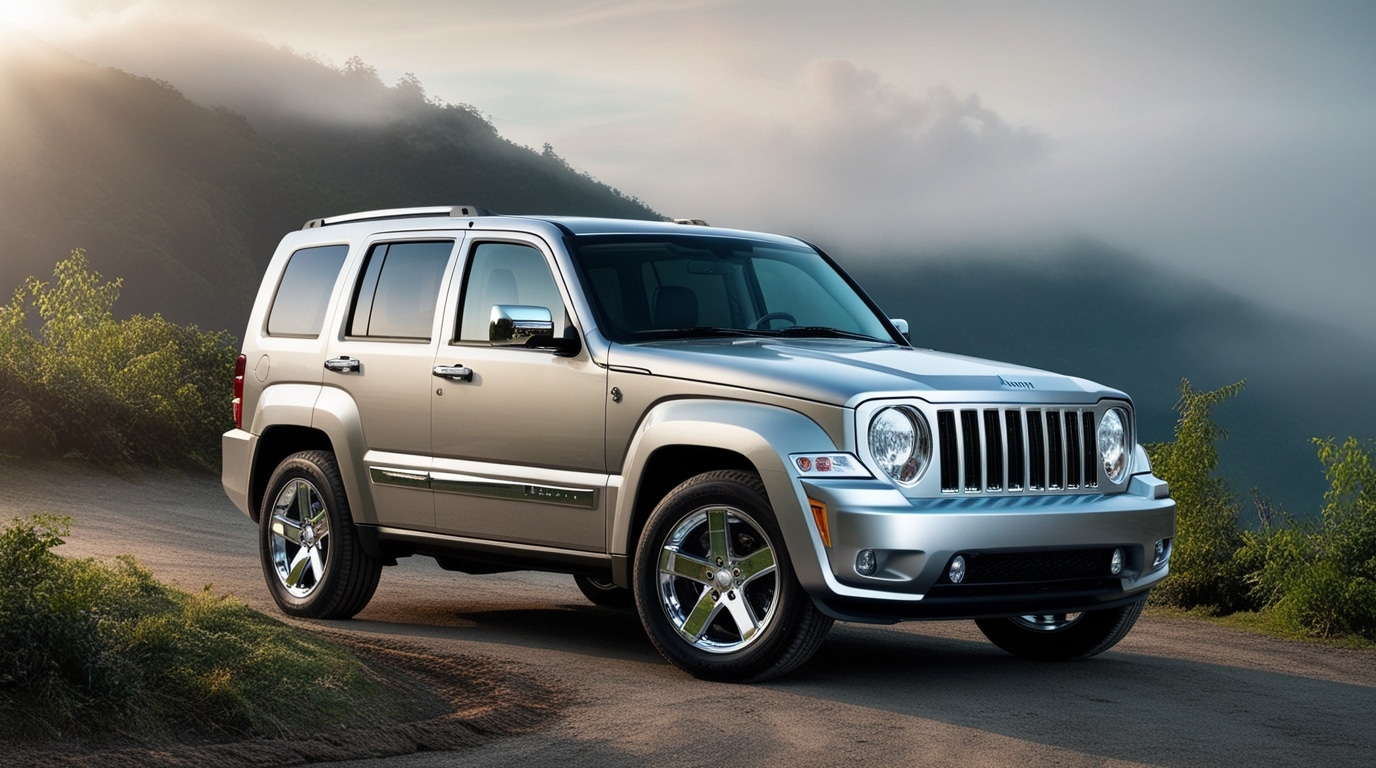
The 2010 Jeep Liberty is recognized for its rugged styling and off-road capability, but it is also known for a specific set of mechanical and electrical concerns that owners encounter as the vehicle ages. Common issues involve the power window regulators, TIPM (Totally Integrated Power Module) failures, suspension components, and engine cooling system malfunctions that require consistent vigilance.
Understanding the 2010 Jeep Liberty Platform
The 2010 Jeep Liberty belongs to the KK generation, which was produced from 2008 to 2012. This mid-size SUV was designed to bridge the gap between the compact Wrangler and the larger Grand Cherokee. Because it utilizes a unibody construction with a solid rear axle, it maintains a degree of mechanical complexity that differs from modern crossovers. By 2026, most units have surpassed 150,000 miles, meaning that the "issues" often discussed are as much a factor of age and wear as they are of original manufacturing design.
When assessing a 2010 Jeep Liberty, it is vital to distinguish between maintenance items—parts designed to wear out over time—and systemic design flaws. Owners often conflate the two, but addressing the systemic flaws early is the only way to ensure the vehicle remains reliable for daily operation.
Electrical System and the TIPM
One of the most frequently cited problems with the 2010 Jeep Liberty is the Totally Integrated Power Module (TIPM). The TIPM acts as the central hub for the vehicle's electrical system, managing power distribution to the fuel pump, lighting, horns, and even the ignition circuit.
Symptoms of a Failing TIPM
- Fuel Pump Issues: The vehicle may fail to start or experience sudden engine stalling because the internal relay for the fuel pump becomes stuck.
- Erratic Lighting: Headlights, interior lights, or dashboard clusters may flicker or remain on after the vehicle has been turned off, leading to dead batteries.
- Accessory Malfunctions: Power locks, air conditioning, or windshield wipers failing intermittently.
Because the TIPM is an integrated component, it cannot be easily repaired at the board level without specialized expertise. In 2026, many owners opt for refurbished units or bypass kits that externalize the fuel pump relay to prevent a complete module replacement.
Power Window Regulator Failures
The power window regulator assembly is a known weak point in the KK-series Liberty. The original factory-installed plastic clips that hold the window glass to the regulator track are prone to cracking or snapping, particularly in extreme temperature fluctuations.
Mitigation Strategies
When a window fails to go up or begins making a grinding sound, the entire regulator assembly should be replaced. While it is tempting to replace only the clip, the motor and cable housing often sustain damage during the failure. Using aftermarket replacement parts with reinforced metal clips rather than the original plastic designs is the industry-standard recommendation for a long-term fix.
Engine Cooling and Thermal Management
The 3.7L V6 engine in the 2010 Jeep Liberty relies on a cooling system that must be kept in peak condition to prevent catastrophic engine failure. The most common point of failure is the cooling fan relay and the water pump.
Cooling System Maintenance
- Water Pump: These components are known to develop leaks at the weep hole after roughly 80,000 to 100,000 miles. Ignoring a coolant puddle under the vehicle can lead to rapid overheating and warped cylinder heads.
- Cooling Fan: The electrical fan may stop functioning due to a blown high-speed relay or a melted connector. If the fan does not engage, the engine will quickly overheat during stop-and-go traffic.
- Thermostat: The stock thermostat can become stuck in the closed position. Always use an OEM-spec thermostat to ensure the engine operates within the precise temperature range designed by the engineers.
Suspension and Steering Wear
Due to the weight of the vehicle and its intended off-road usage, the front-end suspension components of the 2010 Jeep Liberty experience significant stress.
Components to Monitor
- Lower Ball Joints: These are notorious for premature wear. A failing ball joint can cause "clunking" sounds when going over bumps or, in severe cases, separation of the wheel assembly from the control arm.
- Tie Rod Ends: Steering precision degrades as these wear, leading to wandering on the highway or uneven tire wear.
- Sway Bar Bushings: If you hear squeaking or knocking during low-speed turns, the rubber bushings have likely deteriorated.
Routine inspections every 10,000 miles are recommended to prevent these minor wear items from damaging more expensive components like the rack-and-pinion steering assembly.
Comparison Table: Common Issues and Recommended Actions
| Issue Area | Primary Symptom | Severity | Recommended Fix |
|---|---|---|---|
| TIPM | Engine wont start/Stalling | High | Replace or Bypass Module |
| Windows | Grinding/Window drops | Moderate | Replace Regulator Assembly |
| Ball Joints | Clunking over bumps | Critical | Replace with Heavy-Duty Parts |
| Cooling | Overheating at idle | High | Replace Pump/Fan/Thermostat |
| Suspension | Wandering steering | Moderate | Replace Tie Rods/Bushings |
Legal and Safety Considerations
When troubleshooting these issues, owners must be aware of safety recalls. While many 2010 Jeep Liberty recalls were addressed between 2010 and 2015, some units may still have outstanding safety issues regarding the fuel tank or airbag inflators.
Before performing any repairs, you should use the official National Highway Traffic Safety Administration (NHTSA) website to run your Vehicle Identification Number (VIN). This ensures that you are not paying for a repair that the manufacturer is legally obligated to perform free of charge. If your vehicle was subject to a recall and was not fixed at the time, you may still be eligible for resolution depending on the nature of the recall and the status of the vehicle’s title.
Note: The information provided is for educational purposes. Always consult a certified mechanic before attempting repairs on critical systems like steering, brakes, or electrical modules. Improper repairs can void remaining warranties or create significant safety hazards.
Frequently Asked Questions
1. Is the 3.7L V6 engine reliable?
The 3.7L V6 is generally reliable if the cooling system is maintained. It is a cast-iron block engine, which makes it durable, but it requires regular oil changes using the manufacturer's specified viscosity to prevent sludge buildup in the cylinder heads.
2. Can I fix the TIPM myself?
While it is possible for a home mechanic to remove and install a TIPM, it often requires a scan tool to configure the new module to the vehicle's security system. If you are not comfortable with automotive computer systems, it is best to have a professional handle the installation.
3. Why does my Jeep Liberty shift hard?
Hard shifting or "clunking" during gear changes is often related to the transmission mount or the driveshaft center support bearing. It is rarely a sign that the entire transmission is failing, but it should be diagnosed to prevent drivetrain vibration.
4. What is the most common cause of the "Check Engine" light?
The most common cause for an illuminated Check Engine light on a 2010 Jeep Liberty is an evaporative emissions (EVAP) leak, usually caused by a loose gas cap or a cracked vacuum line. This is a relatively inexpensive fix compared to internal engine repairs.
5. Are there any known issues with the 4WD system?
The transfer case motor can occasionally fail, preventing the vehicle from shifting into 4WD Low. Keeping the transfer case fluid clean and cycling the 4WD system occasionally can help prevent the mechanical actuator from seizing due to lack of use.
Final Recommendation
For owners of a 2010 Jeep Liberty in 2026, the best approach is proactive, model-specific maintenance. Focus on the "big three": keep your cooling system clean, monitor your ball joints for safety, and address electrical quirks before they lead to a no-start condition. By addressing these known weak points systematically, you can significantly extend the operational life of the vehicle and maintain its utility for years to come.