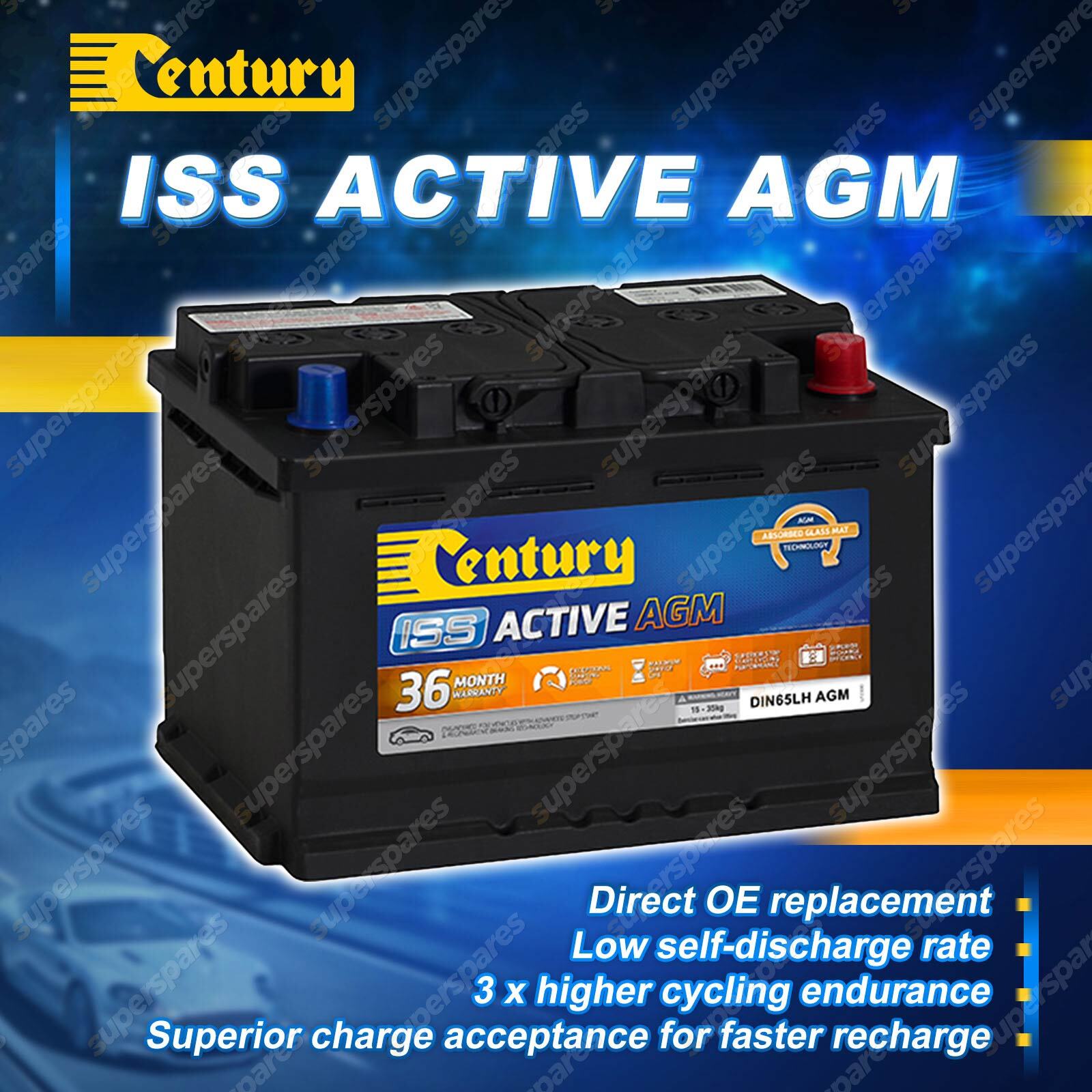
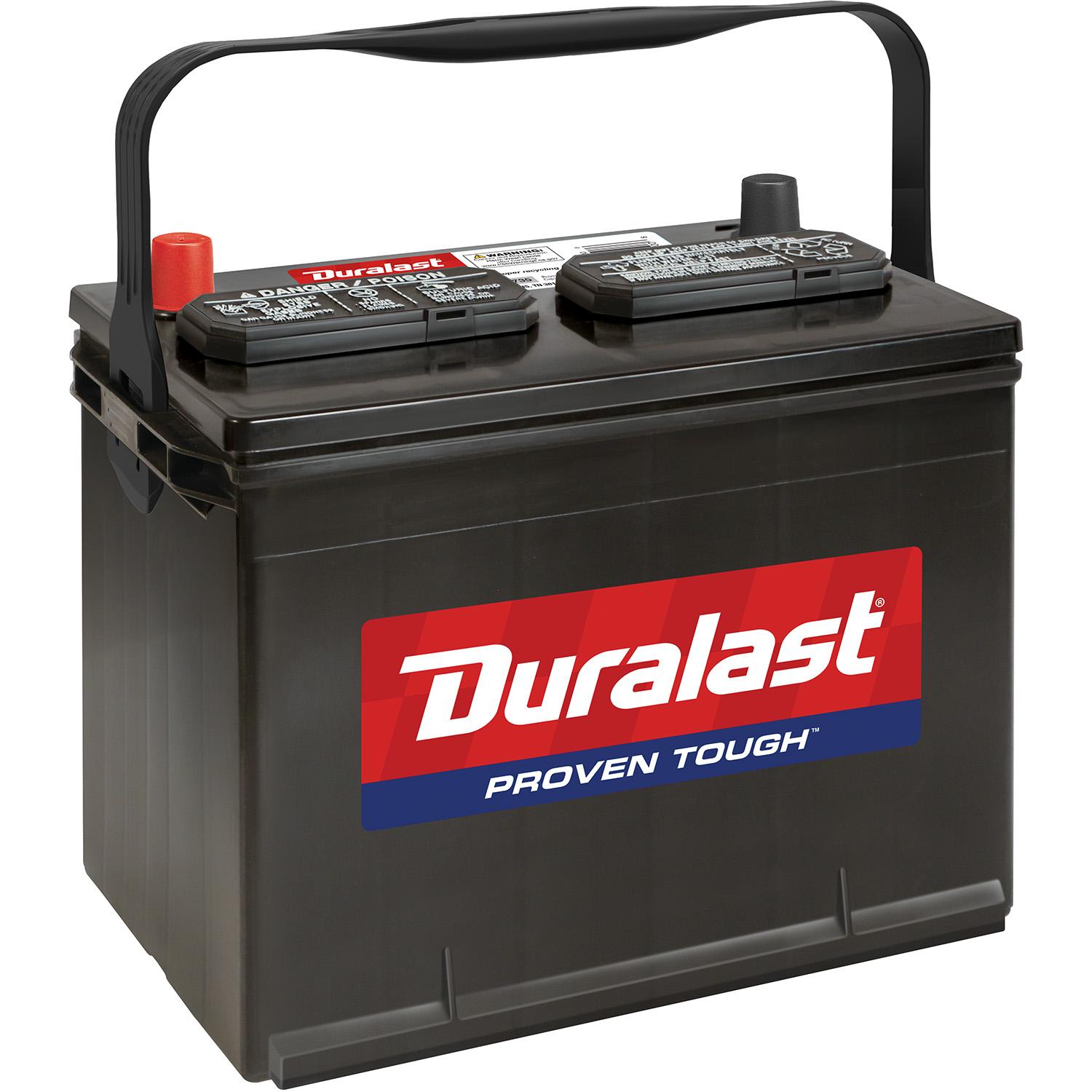
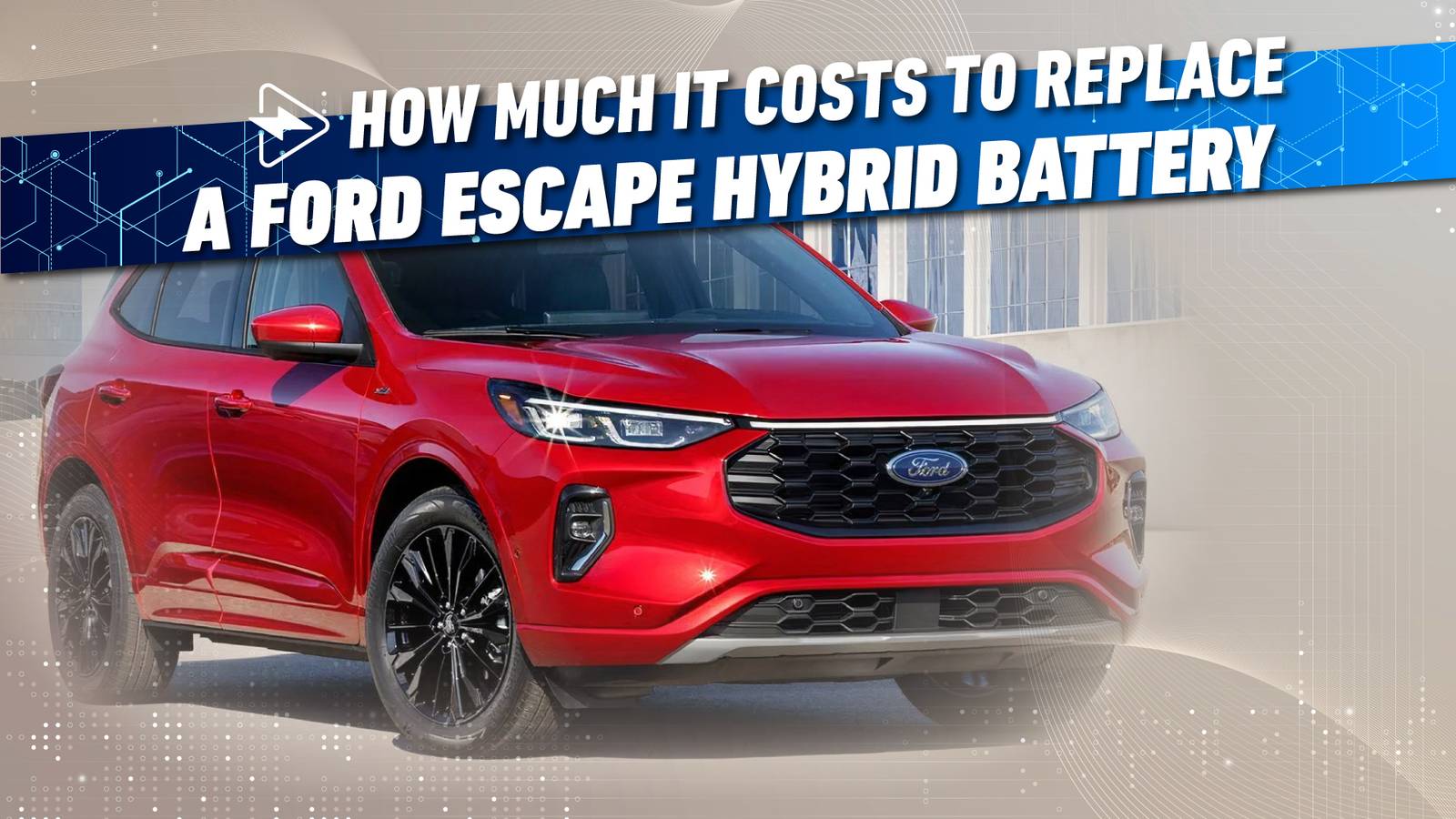
The correct battery size for a 2010 Ford Escape typically depends on its engine configuration, with the standard 4-cylinder and hybrid models utilizing a Group Size 96R (H5) or Group Size 35 battery, while the 3.0L V6 engine typically requires a larger Group Size 65 battery to supply adequate cranking amperage.
Replacing the battery in a 2010 Ford Escape requires an understanding of group sizes, terminal layouts, reserve capacities, and engine-specific electrical demands. Whether you are dealing with a dead alternator-charging cycle, slow morning cranks, or simply performing routine preventive maintenance, selecting the proper battery specification ensures optimal performance and prevents premature electrical component failure. This comprehensive guide covers everything owners need to know about the 2010 Ford Escape battery size, physical dimensions, chemistry options, replacement steps, and common troubleshooting scenarios.
Understanding Group Sizes and Engine Variations
The 2010 Ford Escape came with multiple powertrain options, each imposing different physical and electrical demands on the starting and charging system. Consequently, Ford engineered distinct battery mounting trays and terminal orientations for each engine variant. Installing an incorrect group size can lead to loose hold-downs, short circuits against the metal frame, or mismatched terminal polarities.
When examining the engine bay of a 2010 Ford Escape, you will generally encounter one of three configurations: the 2.5-liter inline-four gas engine, the 2.5-liter four-cylinder hybrid powertrain, or the 3.0-liter V6 engine. Each configuration utilizes a distinct battery group size established by the Battery Council International (BCI). Recognizing your specific engine code and trim level is the critical first step before purchasing a replacement unit from an auto parts retailer.
2.5L Inline-Four Engine Battery Requirements
The base 2.5-liter 4-cylinder engine is a conventional internal combustion setup that relies on a standard 12-volt starting battery.
- Primary Group Size: Group Size 96R (also frequently cross-referenced with DIN size H5 / LN2).
- Terminal Orientation: Positive terminal on the right side when viewing the front of the battery with terminals facing you.
- Cold Cranking Amps (CCA): Typically ranges from 500 to 590 CCA.
3.0L V6 Engine Battery Requirements
The larger 3.0-liter V6 engine demands more electrical torque to turn over the heavier rotating assembly, requiring a physically larger battery case.
- Primary Group Size: Group Size 65.
- Terminal Orientation: Positive terminal on the left side.
- Cold Cranking Amps (CCA): Typically ranges from 650 to 750 CCA.
2.5L Hybrid (HEV) Auxiliary and Starter Systems
The 2010 Ford Escape Hybrid operates somewhat differently. While it utilizes a massive high-voltage nickel-metal hydride (NiMH) traction pack beneath the vehicle floor to drive the electric motors, it still relies on a standard 12-volt auxiliary battery located in the engine bay to boot the vehicle computers and power baseline accessories before the high-voltage system engages.
- Primary Group Size: Group Size 35 (or occasionally Group Size 96R depending on specific sub-model builds and aftermarket manufacturer catalogs).
- Cold Cranking Amps (CCA): Generally around 500 to 600 CCA.
2010 Ford Escape Battery Specification Comparison
To help you match your vehicle configuration to the correct aftermarket or OEM battery specification, review the following comparison table. Always double-check physical measurements against your vehicle's factory battery tray before finalizing a purchase.
| Engine Configuration | BCI Group Size | Typical Dimensions (L x W x H) | Min. Cold Cranking Amps (CCA) | Terminal Layout |
|---|---|---|---|---|
| 2.5L 4-Cylinder | 96R (H5) | 9.56" x 6.87" x 6.87" | 500 CCA | Right-Side Positive |
| 3.0L V6 | 65 | 11.25" x 7.56" x 7.56" | 650 CCA | Left-Side Positive |
| 2.5L Hybrid (12V) | 35 | 9.06" x 6.87" x 8.87" | 500 CCA | Right-Side Positive |
Physical Dimensions and Under-Hood Constraints
Selecting a battery based solely on the group size number is usually sufficient, but understanding physical constraints prevents installation headaches. The battery tray in the 2010 Ford Escape is tightly integrated into the engine bay layout, sitting alongside the air filter housing, power steering fluid reservoir, and fuse box.
- Length Constraints: Group Size 65 batteries are significantly longer (over 11 inches) than Group Size 96R batteries (under 10 inches). If you attempt to install a Group Size 65 into a 4-cylinder Escape, the physical housing will collide with surrounding components and fail to fit the base clamp.
- Height Constraints: Height matters considerably because of the metal hold-down bracket that arches across the top of the battery. If you buy an aftermarket battery with taller filler caps or protruding terminal posts that exceed standard specifications, the cross-brace will not seat correctly, creating a loose battery hazard.
- Venting Requirements: While standard flooded lead-acid batteries are common, some replacement options include internal gas-venting ports. Ensure that if your vehicle requires a cabin-vented or specialized sealed layout, the replacement battery accommodates the factory vent tube.
Flooded Lead-Acid vs. AGM Technology
When purchasing a replacement battery for your 2010 Ford Escape, you will typically choose between two primary internal chemical constructions: Flooded Lead-Acid (FLA) and Absorbed Glass Mat (AGM).
Flooded Lead-Acid (Standard)
- How it works: Liquid electrolyte bathes lead plates freely inside the casing.
- Pros: Lower initial purchase cost; widely available at all automotive stores and big-box retailers.
- Cons: More susceptible to vibration damage, fluid evaporation over time, and internal corrosion.
Absorbed Glass Mat (AGM)
- How it works: Electrolyte is completely absorbed into fine fiberglass mats squeezed between the plates.
- Pros: Highly resistant to vibration, completely spill-proof, longer overall service life, and better performance under heavy accessory loads or extreme weather conditions.
- Cons: Higher upfront financial investment.
For daily drivers operating in extreme cold or hot climates, upgrading to an AGM battery in the correct group size offers superior longevity and reliability, though a standard flooded lead-acid battery meets all factory baseline specifications.
Tools and Safety Preparations for Replacement
Before unbolting the old battery from your 2010 Ford Escape, gather the necessary tools and personal protective equipment. Working with automotive electrical systems carries risks of chemical burns from sulfuric acid and electrical sparks from accidental terminal shorting.
Required Tools
- 8mm or 5/16-inch wrench or socket (for battery terminal clamps).
- 10mm socket with an extension (for the battery hold-down wedge bolt at the base).
- Safety glasses and heavy-duty nitrile or leather-palmed work gloves.
- Wire terminal cleaning brush or sandpaper.
- Anti-corrosion terminal spray or dielectric grease.
Safety Precautions
- Park on Level Ground: Engage the parking brake firmly and turn off the ignition. For hybrid models, ensure the key is completely removed and the vehicle is in Park to prevent unintended system initialization.
- Disconnect Order Matters: Always disconnect the Negative (-) terminal first to prevent sparking your wrench against the vehicle chassis while loosening the positive terminal. Reconnect the Negative terminal last.
- Lift Carefully: Automotive batteries weigh between 35 and 50 pounds. Lift with your legs, not your back, to avoid strain.
Step-by-Step Replacement Procedure
Replacing the battery in a 2010 Ford Escape is a straightforward DIY task that takes roughly 20 to 30 minutes. Follow these methodical steps to ensure a safe and proper installation:
- Access the Battery: Open the hood and locate the battery on the driver’s side (for most standard models). Remove any plastic engine covers or air-inlet snorkels if they obstruct access to the hold-down clamp.
- Disconnect the Negative Terminal: Loosen the nut on the black negative cable clamp using your wrench. Once loose, twist and pull the cable upward off the terminal post. Tuck it safely aside so it cannot spring back and touch metal.
- Disconnect the Positive Terminal: Lift the red plastic protective cover off the positive terminal. Loosen the nut on the red positive cable clamp, twist, and pull it free from the terminal post.
- Remove the Hold-Down Clamp: Look at the base of the battery on the lower ledge. There is typically a plastic or metal wedge block secured by a single 10mm bolt. Use a long socket extension to remove this bolt and clamp.
- Extract the Old Battery: Lift the battery straight up and out of the engine bay, keeping it level to prevent acid spills.
- Clean the Tray: Inspect the metal battery tray for rust, dirt, or white powdery corrosion. Clean the area with a mixture of baking soda and water or a specialized terminal cleaner, then dry thoroughly.
- Install the New Battery: Lower the correct group size battery into the tray. Reinstall the base hold-down clamp and tighten the 10mm bolt securely so the battery cannot slide or rock.
- Reconnect Terminals: Attach the Positive (+) red cable first and tighten the clamp firmly. Next, attach the Negative (-) black cable and tighten it. Snap any protective covers back into place.
Post-Replacement Relearning Procedures
Once power is restored with the new battery, your Ford Escape's Powertrain Control Module (PCM) and various electronic control units will have experienced a complete power reset. This means stored adaptive memory tables—such as idle air control trims and transmission shift points—are wiped clean.
- Idle Recalibration: Upon starting the vehicle for the first time, the engine may idle slightly rough or fluctuate as the computer relearns proper air-fuel ratios. Allow the engine to idle for 5 to 10 minutes in Park (with the air conditioning and accessories turned off) so the computer can re-establish baseline parameters.
- Accessory Resets: You may need to reset the digital clock, radio station presets, and auto-up/down power window limits. To reset power windows, roll the window all the way down and hold the switch for two seconds, then roll it all the way up and hold the switch for two seconds.
- Drive Cycle: Take the vehicle for a brief 10 to 15-minute drive encompassing stop-and-go traffic and highway speeds to fully finalize sensor calibrations.
Frequently Asked Questions
Can I install a Group Size 35 battery in a 2010 Ford Escape V6?
No. The 3.0L V6 engine bay uses a specialized tray designed specifically for a Group Size 65 battery. A Group Size 35 battery is physically too short and narrow, meaning the factory hold-down clamps will not secure it properly, and the terminal posts may not align with your positive and negative battery cables.
How do I know if my 2010 Ford Escape Hybrid 12V battery needs replacement?
Even though the hybrid uses a high-voltage traction pack for propulsion, a failing 12-volt auxiliary battery will cause strange electrical glitches, failure of the dashboard instrument cluster to illuminate upon pressing the start button, or a "Stop Safely Now" warning prompt on the message center. If your 12-volt battery drops below 12.4 volts while resting, it is time for replacement.
What causes a car battery to drain prematurely in this model?
Common parasitic drains in the 2010 Ford Escape include malfunctioning glove box or vanity lights that stay illuminated when closed, aftermarket radio or remote start installations with improper wiring, or a failing alternator diode that allows current to leak backward through the charging system when the engine is off.
How long does a replacement battery typically last?
A quality automotive battery in a 2010 Ford Escape typically lasts between 3 to 5 years. Lifespan is heavily influenced by regional climate conditions; extreme summer heat accelerates internal grid corrosion, while severe sub-zero winter temperatures strain the cranking capacity.
Do I need to save radio codes after disconnecting the battery?
No. The factory audio head units in the 2010 Ford Escape do not utilize anti-theft radio lock-out codes that require manual entry upon power restoration. However, you will lose saved AM/FM/SiriusXM station presets.
Final Recommendation
When replacing the battery in your 2010 Ford Escape, always verify your specific engine type—4-cylinder, V6, or Hybrid—before purchasing. Match the exact BCI group size (96R for 4-cylinder, 65 for V6, or 35 for hybrid auxiliary) to ensure a secure physical fit and correct terminal orientation. Prioritize a battery with adequate Cold Cranking Amps (CCA) for your local climate, and inspect your charging system's alternator output to ensure the new battery charges correctly from day one.