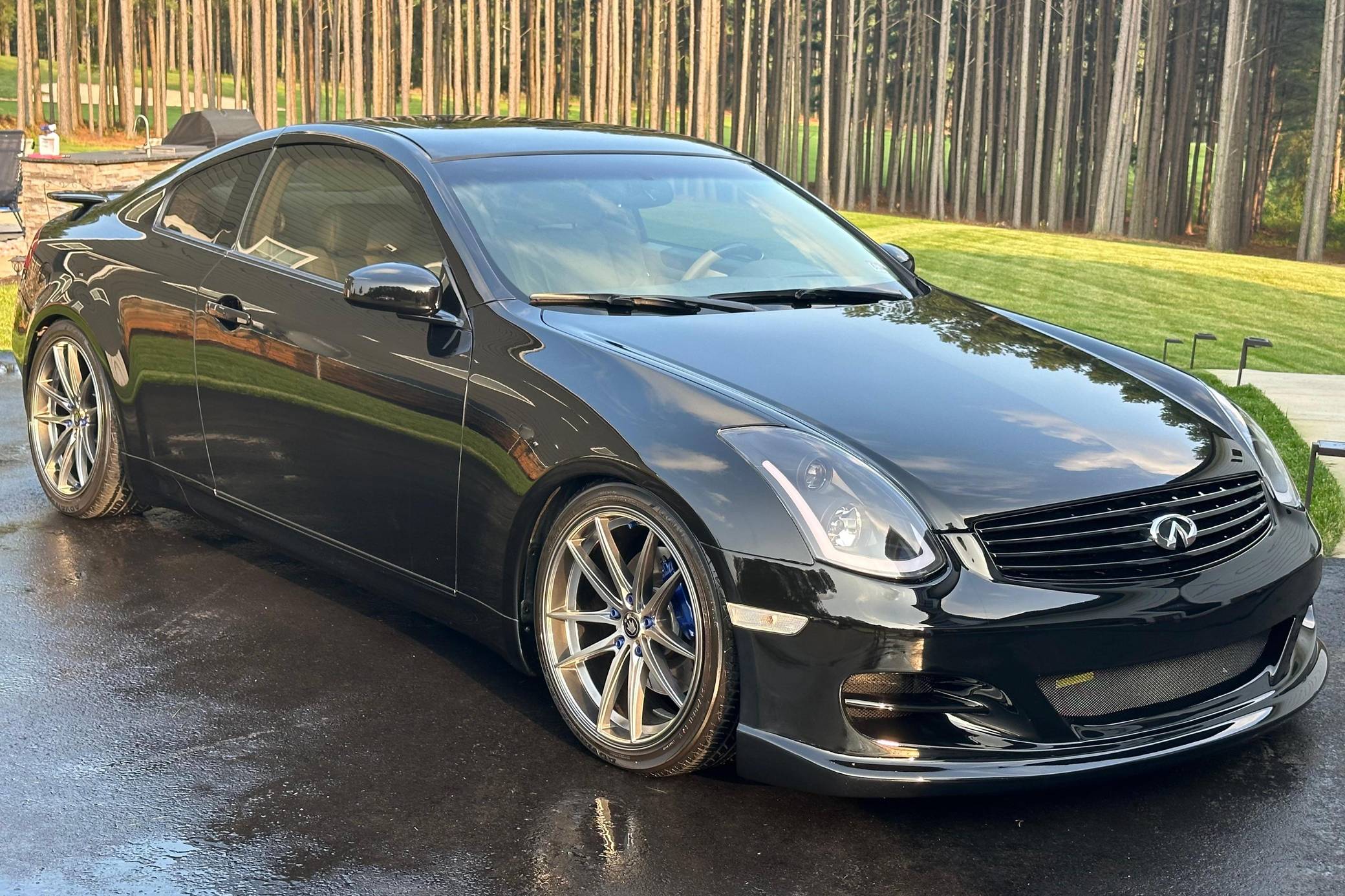
Modifying a 2006 Infiniti G35 involves a strategic approach to balancing the VQ35DE engine’s inherent power potential with chassis refinement and aesthetic personalization. Owners seeking to enhance this platform must prioritize foundational maintenance, such as addressing timing chain tensioners and oil consumption, before investing in forced induction, suspension geometry, or cosmetic upgrades to ensure long-term reliability and performance.
Understanding the Platform: The V35 Chassis
The 2006 Infiniti G35 represents the latter half of the V35 generation, benefiting from several mid-cycle updates that improved the interior quality and performance dynamics compared to the 2003-2004 models. At its heart lies the VQ35DE 3.5-liter V6, an engine celebrated for its linear power delivery and distinct exhaust note. Because this platform is now two decades old, the primary goal of any modification project should be to restore factory performance levels before layering on aftermarket improvements.
Before installing a cold air intake or a plenum spacer, the vehicle must be mechanically sound. The 2006 model year is known for specific issues, including oil consumption related to piston ring wear and the eventual failure of the valve cover gaskets. Modifying an engine with compromised seals or high oil consumption will only accelerate internal wear. Always conduct a compression test and a thorough inspection of the cooling system before initiating high-performance modifications.
Foundational Performance Upgrades
The VQ35DE engine responds well to improved airflow, but the stock intake and exhaust systems are generally restrictive. The most common entry-level modification is the installation of a plenum spacer. Because the upper intake plenum of the VQ35DE sits directly over the intake runners, the air volume is unevenly distributed to the cylinders. A spacer increases the volume of the plenum, allowing for a more consistent air charge, which contributes to a smoother power band and a noticeable increase in mid-range torque.
Exhaust modifications are central to the G35 identity. Replacing the restrictive factory Y-pipe with an aftermarket version significantly improves flow, as the factory design is known for creating bottlenecks. When selecting a cat-back exhaust system, consider the material; stainless steel provides the best balance of corrosion resistance and weight reduction. However, be mindful of local emissions regulations, as replacing catalytic converters with high-flow test pipes or headers may render the vehicle non-compliant for street use in many jurisdictions.
Suspension and Handling Refinement
The factory suspension of the 2006 Infiniti G35 is tuned for a balance between luxury touring and sport driving. For those looking to sharpen the vehicle's handling, replacing aging bushings with polyurethane equivalents is a high-impact modification. Rubber bushings degrade over twenty years, leading to "slop" in the steering and suspension travel. Polyurethane offers a firmer, more direct feel, though it may introduce additional vibration into the cabin.
For those lowering the vehicle, high-quality coilover systems provide the best solution for height and damping adjustability. When lowering the G35, the factory control arms often lack the range of adjustment to properly correct the resulting negative camber. To preserve tire life and achieve optimal handling, invest in an aftermarket adjustable camber kit. Without these, you risk uneven tire wear and unpredictable handling characteristics during aggressive cornering.
Comparative Overview of Common Modifications
| Modification Type | Performance Impact | Complexity Level | Maintenance Requirement |
|---|---|---|---|
| Plenum Spacer | Improved torque | Low | Minimal |
| Cold Air Intake | Better intake sound | Low | Cleaning filters |
| Cat-Back Exhaust | Increased airflow | Moderate | Gasket checks |
| Coilovers | Handling precision | Moderate | Alignment needed |
| Sway Bars | Reduced body roll | Low | Greasing pivots |
| ECU Remap | Optimized power | High | Premium fuel required |
Aesthetics and Aerodynamics
The aesthetic modification of a G35 often centers on the "clean" look. Given the vehicle's classic coupe silhouette, subtle body kits, front splitters, and ducktail spoilers are favored over aggressive, wide-body kits. Before applying permanent aesthetic changes, ensure that the clear coat is in good condition, as the 2006 paint codes are prone to fading in high-UV environments.
Wheels are perhaps the most significant aesthetic upgrade. The G35 has a specific bolt pattern (5x114.3) and a relatively deep offset requirement. When selecting aftermarket wheels, ensure you are not compromising the scrub radius of the steering geometry. Extremely aggressive offsets that push the wheels significantly outside the fender line require rolled fenders, which can lead to premature rust if the metal is not properly sealed after the rolling process.
Addressing Reliability Concerns
A modded G35 is only as reliable as its weakest link. As you increase the engine's power, you inevitably place more stress on the drivetrain. The manual transmission clutch slave cylinder is a common failure point; upgrading to a heavy-duty or remote-mounted version is a wise proactive step. Similarly, if you are planning on installing forced induction, such as a supercharger or turbocharger, the stock fuel injectors and fuel pump must be upgraded to accommodate the increased demand.
Operating a modified vehicle in 2026 requires strict adherence to fluid maintenance. Use high-quality synthetic engine oil, and consider installing an aftermarket oil cooler if you intend to track the vehicle or subject it to long periods of high-load driving. Heat management is the single most important factor in keeping a high-mileage VQ engine running reliably under modified conditions.
Frequently Asked Questions
1. Is it worth modifying an older 2006 G35 instead of buying a newer platform? Modifying a 2006 G35 is highly rewarding due to the massive availability of aftermarket parts and the well-documented nature of the platform. If you value the specific hydraulic steering feel and the natural aspiration of the VQ engine, it remains a superior value compared to newer, more expensive platforms.
2. What is the most effective first mod for the G35? The most effective first mod is a full suspension refresh. Replacing old, worn bushings and struts will transform the car's driving feel more drastically than a minor power increase, providing a solid foundation for future performance parts.
3. Does adding a turbo to a 2006 G35 require an engine rebuild? If your engine has high mileage, adding significant boost can lead to ring land failure. While it is possible to run low-boost setups on stock internal engines, a full inspection and a refresh of bearings and gaskets are highly recommended to ensure the engine can handle the added cylinder pressure.
4. How do I maintain legality with my exhaust modifications? Check your state or local vehicle code regarding decibel limits and emissions hardware. Most "street-legal" performance exhausts maintain the stock catalytic converters. Avoid test pipes if your vehicle is required to pass a periodic OBD-II emissions scan.
5. Why is my oil consumption high after modifying the engine? If you have increased the load on the engine, the PCV (Positive Crankcase Ventilation) system may become overwhelmed. Consider installing an oil catch can to prevent oil blow-by from entering the intake manifold, which is a common occurrence in forced-induction or high-revving naturally aspirated builds.
Final Recommendation
When approaching the modification of a 2006 Infiniti G35, prioritize the "three pillars": cooling, suspension, and maintenance. Begin by verifying the health of your engine and replacing all aged rubber components. Once the car is mechanically sound, address handling through high-quality suspension components before moving into engine performance tuning. By taking this systematic approach, you will ensure that your G35 remains a capable, reliable, and engaging machine, rather than a project that remains perpetually in the garage. Always retain your stock parts, as their value and necessity for passing inspections in 2026 remains high.