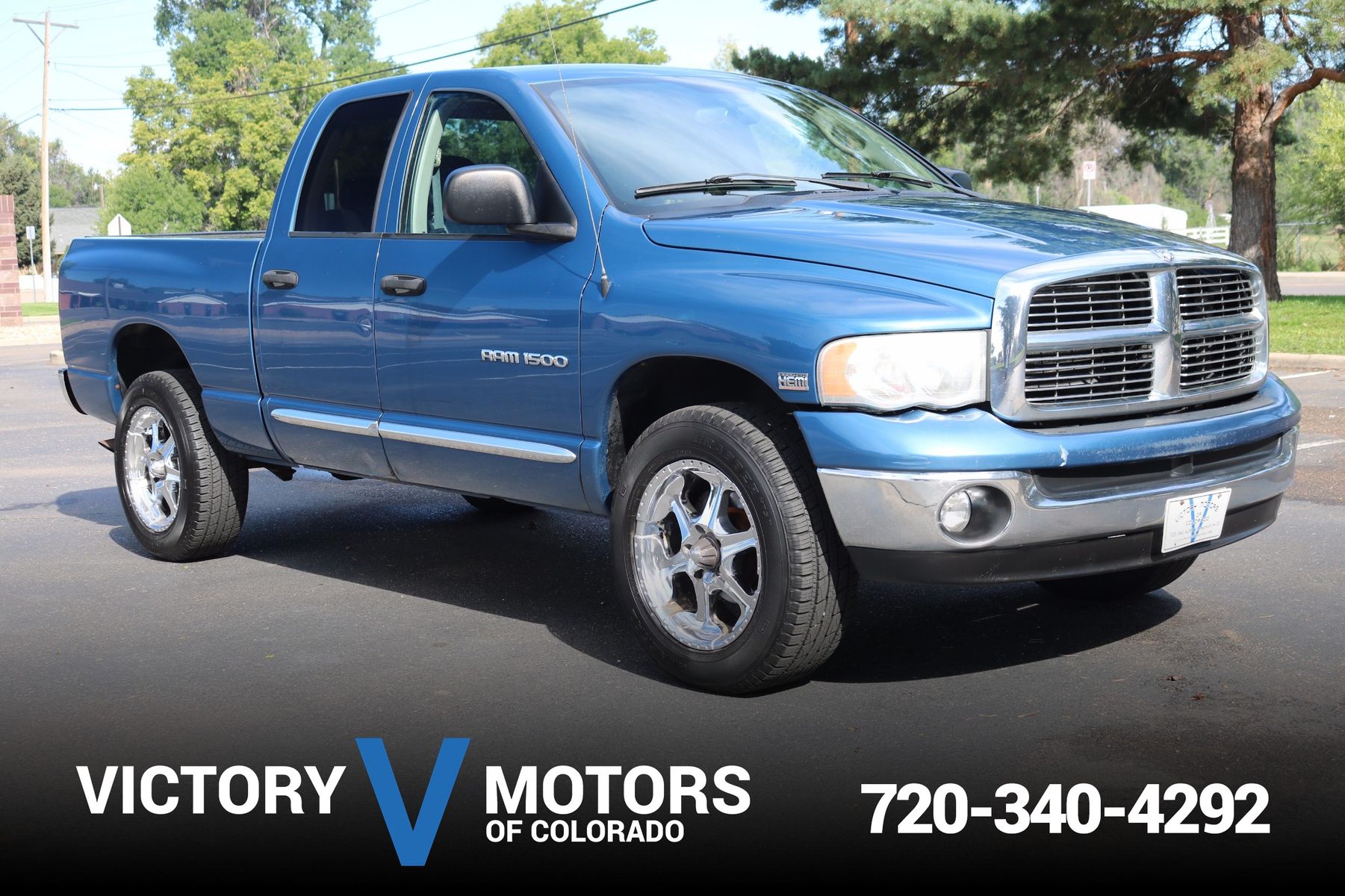
The Kelley Blue Book (KBB) value of a 2004 Dodge Ram 1500 is a dynamic estimate based on its trim level, mileage, mechanical condition, location, and regional market demand. Because these trucks are over two decades old, their valuation relies heavily on physical preservation, maintenance history, and specific powertrain configurations like the 5.7L Hemi V8 rather than standard depreciation tables.
Evaluating the market worth of a classic, full-size pickup truck requires a clear understanding of how automotive valuation platforms operate. For owners, buyers, and sellers of a 2004 Dodge Ram 1500, navigating the Kelley Blue Book (KBB) system means looking past the model year and examining the concrete realities of age, wear, and configuration. As these trucks cross the threshold into early vintage status, traditional trade-in and retail pricing models face unique challenges. This guide breaks down every factor that influences the KBB valuation of a 2004 Dodge Ram 1500, helping you interpret estimates, verify condition tiers, and understand what these vehicles command in today's secondary automotive market.
Understanding Automotive Valuation for Legacy Trucks
Valuation guides like Kelley Blue Book rely on massive aggregation engines that track real-time dealer transactions, regional auction results, private party sales, and wholesale auto auction data. However, for a vehicle built in 2004, standard predictive algorithms lose some of their precision. When a truck reaches this age, valuation shifts away from formulaic yearly depreciation and toward individual vehicle condition, historical maintenance, and structural integrity.
The 2004 Dodge Ram 1500 represents the third generation of the Ram line, a generation heavily celebrated for its bold, semi-truck-inspired styling and the introduction of the powerful 5.7-liter Hemi V8 engine. Because these trucks span a wide range of operational states—from rusted-out worksite tools to meticulously preserved enthusiast cruisers—KBB values can vary dramatically. A baseline KBB query does not tell the whole story; it provides a starting point that must be adjusted for the reality sitting in your driveway or viewed on a sales lot.
The Role of KBB Pricing Tiers
Kelley Blue Book categorizes vehicle values into distinct tiers. Understanding which tier applies to your transaction prevents costly underpricing or overpaying:
- Trade-In Value (Good/Fair/Very Good): The amount a dealership is typically willing to pay to acquire the vehicle. This is usually the lowest valuation tier because the dealer factors in reconditioning costs, profit margins, and market risks.
- Private Party Value: The price you can expect to pay or receive when buying from or selling to another individual via platforms like Facebook Marketplace, Craigslist, or local classifieds. This sits between trade-in and retail.
- Suggested Retail Value: The price a dealership charges when selling the vehicle to a retail consumer. This tier includes dealer overhead, minor cosmetic restoration, and sometimes a short-term lot warranty.
Key Factors That Drive the 2004 Dodge Ram 1500 Valuation
No two 2004 Dodge Ram 1500 trucks are valued identically. Several mechanical and physical parameters dictate where a specific vehicle falls within the KBB pricing spectrum.
Powertrain Options and Engine Choices
The 2004 Dodge Ram 1500 came with three primary engine choices, each carrying a different weight in the secondary market:
- 3.7L Magnum V6: Found primarily in standard cab, two-wheel-drive configurations. While economical for a full-size truck of its era, it is generally less sought after today, resulting in lower resale values.
- 4.7L Magnum V8: A popular mid-tier option offering a balance of utility and fuel efficiency. It holds steady values for daily drivers and light-duty towing.
- 5.7L Hemi V8: The crown jewel of the third-generation Ram lineup. Trucks equipped with the Hemi command a noticeable premium in the KBB valuation matrix because of their enduring popularity, towing capability, and enthusiast appeal.
Cab Styles and Bed Lengths
Configuration dictates utility, which directly influences market demand. The 2004 Ram 1500 was offered in three main cab styles:
- Regular Cab: Typically appeals to commercial buyers or minimalists. Lower demand usually translates to lower market values.
- Quad Cab: The ubiquitous four-door option with rear-hinged doors. This is the most common configuration and forms the baseline for standard KBB tracking.
- Mega Cab (Note on Lineup): While the Mega Cab became iconic for Ram, it was introduced later in the third generation (starting around 2006), meaning 2004 models are strictly Regular or Quad Cab variants.
Mileage and Odometer Realities
High mileage impacts older trucks differently depending on maintenance. A 2004 truck is over twenty years old. Statistically, an average mileage benchmark falls around 150,000 to 200,000 miles.
- Low Mileage (< 100,000 miles): Highly unusual for a 2004 model and commands a significant price inflation in KBB calculators.
- Moderate Mileage (120,000–180,000 miles): Considered normal wear and tear. Valuation follows standard curve adjustments.
- High Mileage (> 200,000 miles): Pushes the truck into mechanical triage territory, where condition and documented engine/transmission rebuilds matter more than the raw KBB number.
Condition Tiers: How KBB Defines Truck Health
When inputting data into the Kelley Blue Book tool, users must select a condition rating. Choosing the wrong tier is the single biggest reason for valuation mismatches. KBB strict definitions include:
| KBB Condition Tier | Mechanical Status | Cosmetic Status | Structural Integrity |
|---|---|---|---|
| Excellent | Flawless; needs zero mechanical attention. Original or expertly replaced parts. | Glossy paint, pristine interior, zero rust or dents. | Factory-fresh frame, zero corrosion on critical structural components. |
| Very Good | Minor routine maintenance may be due soon. Runs and drives smoothly. | Minor cosmetic blemishes consistent with careful use. Clean interior. | Minimal surface rust on non-structural components; frame is solid. |
| Good | May need minor mechanical repairs (e.g., brakes, shocks). Fully operational. | Noticeable wear and tear, small dents, fading clear coat, minor seat tears. | Minor rust spots, no structural rot or compromised frame rails. |
| Fair | Needs immediate mechanical work (e.g., transmission slip, suspension overhaul). | Significant body damage, major paint peeling, heavily worn interior. | Visible rust in rocker panels, cab corners, or bed supports; frame requires inspection. |
| Poor | Severely compromised; may not run or drive safely. Major component failure. | Extensive body damage, missing parts, severe interior degradation. | Structural frame rust, safety hazards, potentially non-roadworthy. |
Note: For a 2004 vehicle, true "Excellent" condition trucks are exceedingly rare. Most rust-belt survivors fall into the "Good" or "Fair" categories, while southern garage-kept examples may sit comfortably in "Very Good."
Regional Disparities and Market Nuances
Geographic location plays a massive role in what a 2004 Dodge Ram 1500 is actually worth on the ground, sometimes causing local sales prices to diverge significantly from national KBB averages.
The Rust Belt Factor
Corrosion is the mortal enemy of third-generation Dodge Ram trucks. Vehicles operated in northern states where road salt is used heavily during winter months frequently suffer from severe frame rot, bubbling rocker panels, and decaying wheel arches.
- In Salt-Heavy Regions: Even a mechanically sound 2004 Ram with severe body rust will see its KBB value sharply discounted by local buyers and dealers.
- In Rust-Free Regions (Southwest/West Coast): Clean, rust-free frames command top dollar. Buyers are often willing to travel or pay a premium for a 2004 Ram that retains its factory sheet metal and uncompromised frame rails.
Fuel Economy and Macroeconomics
Full-size trucks with V8 engines fluctuate in value alongside fuel prices. When fuel costs spike, large displacement trucks like the 5.7L Hemi see softening demand in the private party market, temporarily depressing transaction prices below KBB baseline models. Conversely, when construction and agricultural sectors surge, demand for affordable work trucks drives prices upward.
Common Mechanical Issues Impacting 2004 Ram Valuations
When a buyer evaluates a 2004 Dodge Ram 1500 using KBB data, they must factor in known mechanical tendencies of this model year. Unresolved issues will quickly drop a truck’s real-world value far below the suggested KBB retail price.
- Hemi "Tick": The 5.7L engine is famous for an exhaust manifold leak (often called the "Hemi tick") caused by warped manifolds or sheared bolts. While primarily an acoustic annoyance that clears up as the engine warms, buyers use it as a powerful bargaining chip to lower the price.
- Transmission Durability: The 45RFE and 5-45RFE automatic transmissions in these trucks require diligent fluid maintenance. Transmission slipping, delayed engagement, or failure to shift into overdrive will instantly slash thousands of dollars off a private party valuation.
- Suspension and Steering Wear: Front-end components—including ball joints, tie rod ends, and control arms—wear out frequently on third-generation Rams due to the weight of the powerplant. Loose steering or clunking over bumps indicates an imminent repair bill that offsets the KBB book value.
- Dashboard Cracking: The plastic dash materials used in the 2004 model year are notoriously brittle and prone to severe cracking under prolonged sun exposure. Replacing or capping a dash is an added expense buyers factor into their offers.
How to Get the Most Accurate KBB Estimate
To ensure your Kelley Blue Book valuation reflects reality, follow a methodical approach when using their online valuation tools:
- Enter the Exact VIN: Avoid using generalized dropdown menus. Entering the Vehicle Identification Number (VIN) pulls the exact factory build sheet, capturing specific gear ratios, cab styles, transmission types, and optional packages.
- Be Brutally Honest About Condition: Do not rate a truck as "Very Good" if it has torn leather, a dented tailgate, and a check-engine light. Overestimating condition leads to unrealistic pricing expectations.
- Adjust for Local Market Realities: Check active local listings on platforms like Facebook Marketplace or Autotrader to see what 2004 Rams are actually listing for—and selling for—in your specific zip code. KBB provides a national baseline, but local supply and demand dictate final transaction prices.
- Gather Documentation: Compile service records, receipts for major repairs (like a replaced transmission or suspension overhaul), and a clean vehicle history report (CARFAX or AutoCheck). Proof of proactive maintenance allows sellers to push their asking price toward the upper limit of the KBB private party range.
Frequently Asked Questions
Is a 2004 Dodge Ram 1500 considered a classic or collector truck yet?
Not quite. While the 2004 model is over two decades old and possesses a nostalgic following—especially among fans of the early Hemi era—it is generally classified as an older used vehicle rather than an investment-grade classic. Pristine, low-mileage examples are beginning to turn heads among collectors, but most are valued primarily for utility and affordable transportation.
Why is my KBB trade-in value so much lower than private party value?
Dealership trade-in values are intentionally lower because dealers assume all financial risk when taking in an older vehicle. They must factor in the cost of mandatory reconditioning, safety inspections, potential mechanical failures, and their own profit margin when reselling the truck. Selling privately requires more effort but yields a higher return closer to KBB retail or private party estimates.
How do I check for frame rust on a 2004 Dodge Ram 1500?
To properly assess structural integrity, crawl underneath the truck with a flashlight and a small inspection hammer or screwdriver. Pay close attention to the frame sections directly above the rear wheels and where the leaf spring shackles mount, as these are primary rust accumulation zones on third-generation Rams. Flaking, deep scale, or perforation means the frame is compromised, drastically reducing the vehicle's market value regardless of KBB estimates.
Does modifying a 2004 Dodge Ram 1500 increase its Kelley Blue Book value?
Generally, no. Modifications such as aftermarket lift kits, oversized wheels, aftermarket exhausts, or custom tuners do not increase KBB book value and can sometimes lower it. Most valuation guides assume a stock vehicle configuration. Modifications narrow the pool of potential buyers to those who share your specific aesthetic taste, making it harder to secure top-tier pricing.
What is the most desirable configuration for a 2004 Dodge Ram 1500?
The most sought-after version is a Quad Cab configuration equipped with the 5.7L Hemi V8 engine, four-wheel drive (4WD), and a well-documented maintenance history, provided it features a clean, rust-free southern or western frame. This combination offers the best balance of utility, power, and long-term collectibility within the third-generation lineage.
Conclusion and Next Actions
Evaluating a 2004 Dodge Ram 1500 using Kelley Blue Book is the essential first step toward a successful transaction, but it is not the final word. Because these trucks carry the variable burdens of age, rust susceptibility, and powertrain wear, your next action should be a thorough physical inspection. If you are selling, clean the vehicle thoroughly, gather your repair receipts, and price your truck realistically within the appropriate KBB condition tier. If you are buying, prioritize frame integrity and mechanical health over cosmetic appearance, using any identified flaws to negotiate a fair price below the suggested retail benchmark.