The 1998 MLB home run leaders were headlined by Mark McGwire, who set a then-record with 70 home runs, and Sammy Sosa, who finished with 66. This historic season saw two players surpass Roger Maris’s long-standing 1961 mark of 61, revitalizing Major League Baseball’s popularity through an unprecedented and captivating power display.
The 1998 Major League Baseball season remains one of the most significant chapters in sports history. Often referred to as the "Summer of 61," the year was defined by an epic pursuit of the single-season home run record. While the chase between Mark McGwire and Sammy Sosa dominated every headline, the season also featured remarkable performances from Ken Griffey Jr., Greg Vaughn, and Albert Belle. To understand the 1998 MLB home run leaders, one must look beyond the raw numbers and examine the cultural impact, the league's expansion, and the hitting environment that allowed these totals to reach heights never seen before or since.
The Epic Duel: Mark McGwire and Sammy Sosa
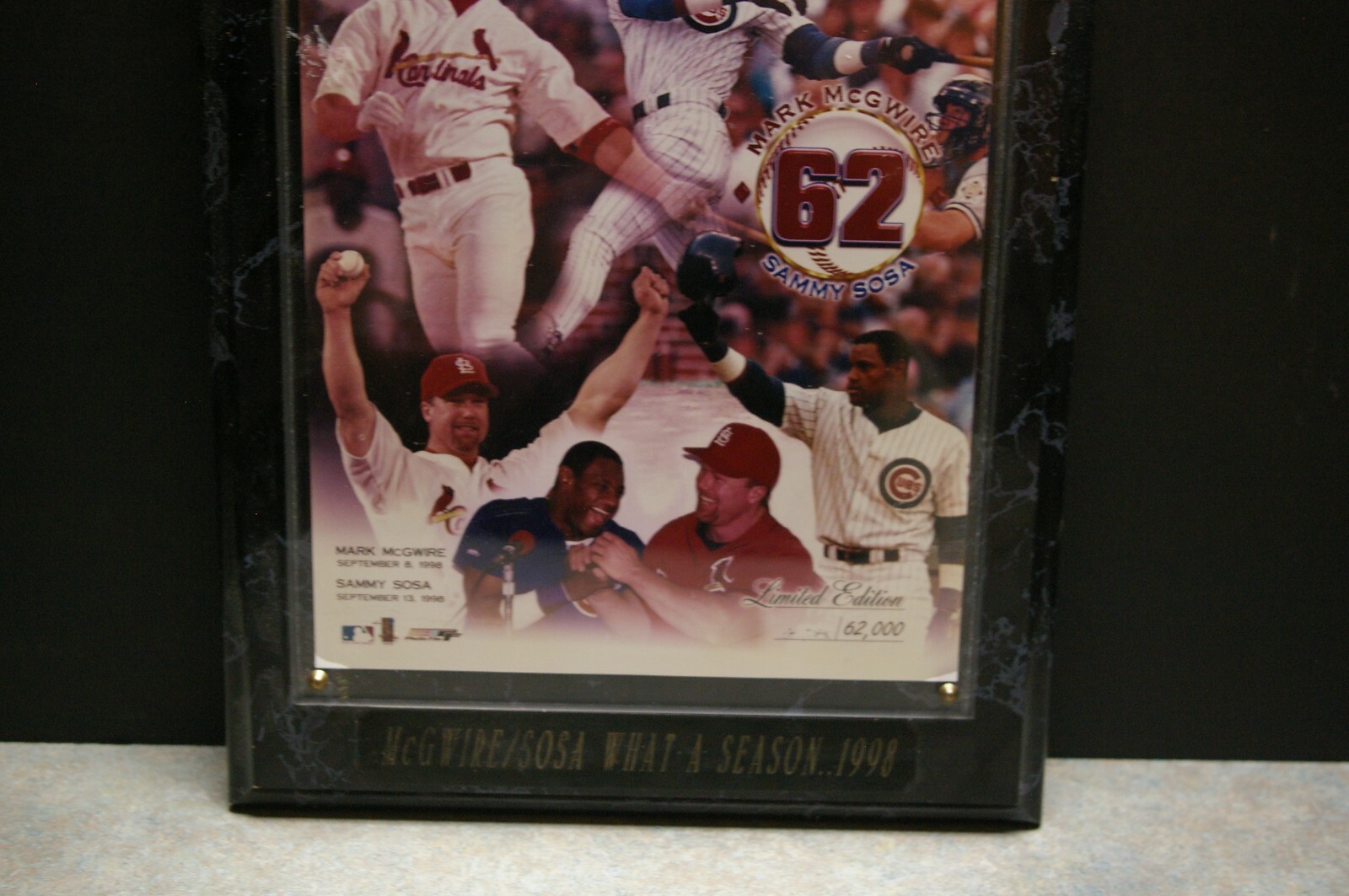
The centerpiece of the 1998 season was the race between Mark McGwire of the St. Louis Cardinals and Sammy Sosa of the Chicago Cubs. For decades, Roger Maris’s mark of 61 home runs in 1961 was considered one of the most "untouchable" records in sports. In 1998, that barrier did not just fall; it was obliterated.
Mark McGwire’s Path to 70
Mark McGwire entered the 1998 season as the favorite to challenge the record. Having hit 58 home runs in 1997 (split between the Athletics and Cardinals), "Big Mac" was the epitome of pure power. Standing 6'5" and weighing 250 pounds, his physical presence in the batter's box was intimidating.
McGwire started the season at a blistering pace, hitting an opening-day grand slam and totaling 11 home runs by the end of April. His power was not just about frequency but also distance; many of his blasts exceeded 500 feet, turning every at-bat into a "must-watch" event. On September 8, 1998, in a game against the Chicago Cubs, McGwire hit his 62nd home run off Steve Trachsel, officially breaking Maris’s record. He eventually finished the season with 70, a number that seemed unfathomable at the time.
Sammy Sosa’s Historic Surge
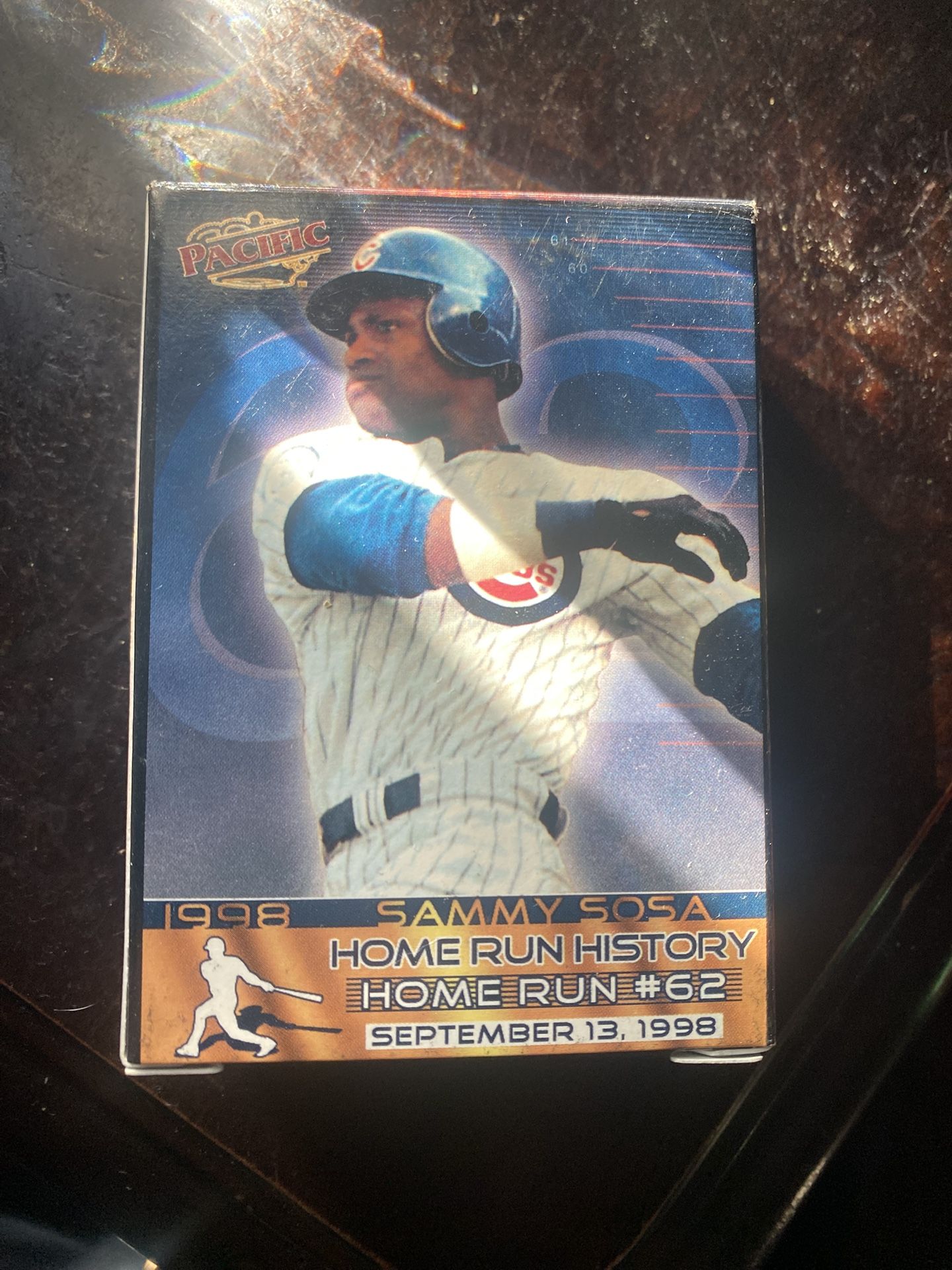
While McGwire was the established slugger, Sammy Sosa’s 1998 campaign was a revelation. Sosa started the season slowly, with only six home runs through May. However, June 1998 remains one of the most incredible months in baseball history. Sosa hit 20 home runs in June alone, setting a major league record for the most home runs in a single calendar month.
Sosa’s charisma and his "hop" after hitting a home run made him a global icon. He stayed neck-and-neck with McGwire throughout August and September. Although Sosa finished with 66 home runs—four behind McGwire—he won the National League Most Valuable Player (MVP) award. This was largely due to his superior run production (158 RBIs) and his role in leading the Cubs to a Wild Card berth.
The Statistical Leaders of 1998
The power surge of 1998 was not limited to the top two players. The league-wide home run totals were exceptionally high, partly due to the expansion of the league and a talent pool that saw the addition of the Arizona Diamondbacks and the Tampa Bay Devil Rays.
| Rank | Player | Team | Home Runs | RBIs | Slugging % |
|---|---|---|---|---|---|
| 1 | Mark McGwire | St. Louis Cardinals | 70 | 147 | .752 |
| 2 | Sammy Sosa | Chicago Cubs | 66 | 158 | .647 |
| 3 | Ken Griffey Jr. | Seattle Mariners | 56 | 146 | .611 |
| 4 | Greg Vaughn | San Diego Padres | 50 | 119 | .597 |
| 5 | Albert Belle | Chicago White Sox | 49 | 152 | .655 |
| 6 | Jose Canseco | Toronto Blue Jays | 46 | 107 | .518 |
| 7 | Vinny Castilla | Colorado Rockies | 46 | 144 | .589 |
| 8 | Manny Ramirez | Cleveland Indians | 45 | 145 | .599 |
| 9 | Juan Gonzalez | Texas Rangers | 45 | 157 | .630 |
| 10 | Rafael Palmeiro | Baltimore Orioles | 43 | 121 | .565 |
Beyond the Big Two: Notable Performances
While McGwire and Sosa occupied the spotlight, several other players put up seasons that would have led the league in almost any other era.
Ken Griffey Jr. (56 Home Runs)
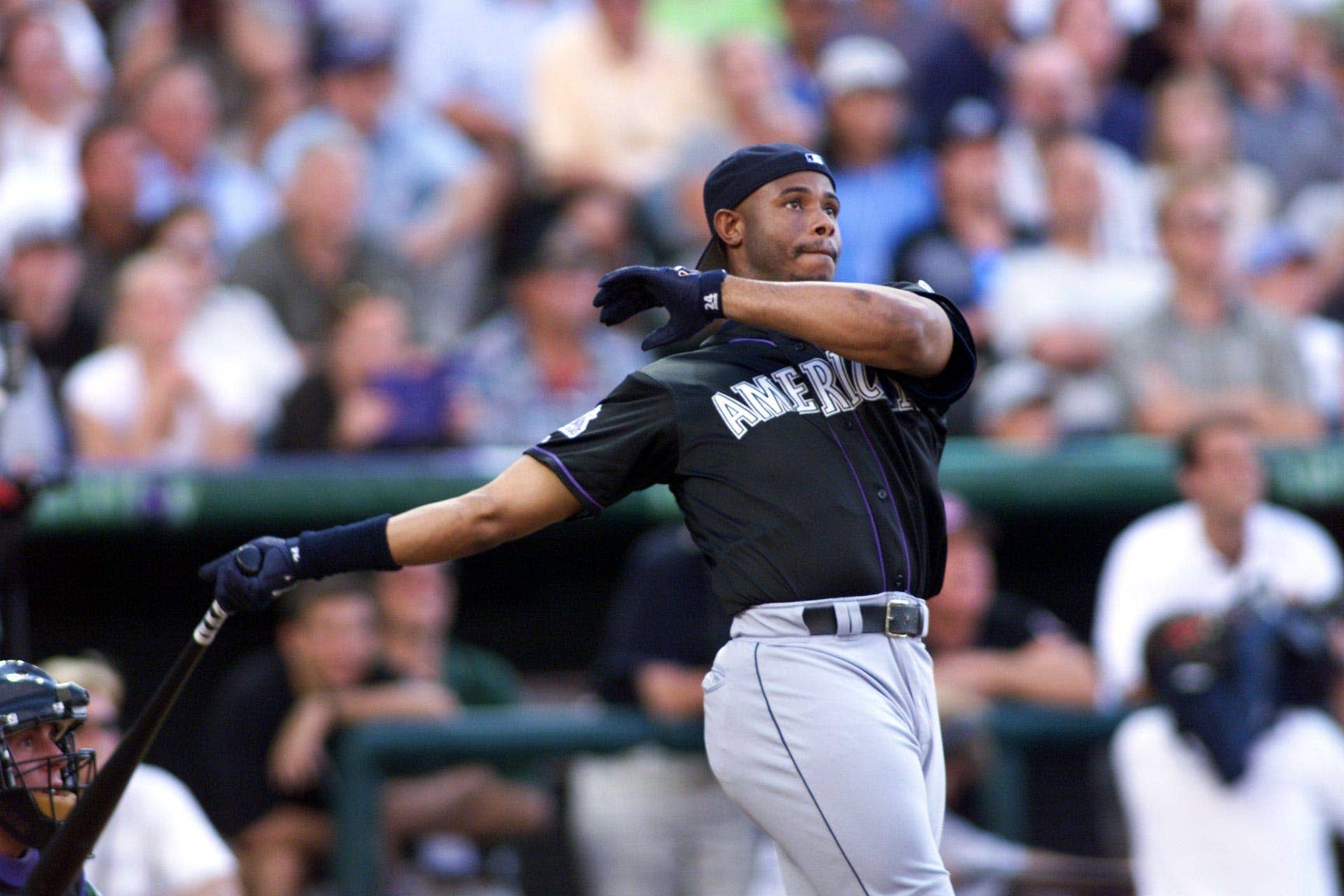
Ken Griffey Jr. was often considered the "clean" and "natural" counterpoint to the more bulked-up sluggers. In 1998, "The Kid" hit 56 home runs for the second consecutive year. For much of the first half of the season, Griffey was actually ahead of or tied with McGwire. However, a slight slump in July allowed the other two to pull away. Griffey’s 56 home runs remain one of the greatest seasons in American League history, even if it was overshadowed by the National League race.
Greg Vaughn (50 Home Runs)
Greg Vaughn’s 1998 season with the San Diego Padres is often forgotten but was vital to the team’s World Series run. Vaughn became the 27th player in history (at that time) to reach the 50-home run plateau. His power provided the protection in the lineup that allowed players like Tony Gwynn to flourish.
The Rise of Albert Belle and Manny Ramirez
In the American League, the Cleveland Indians and Chicago White Sox featured dominant power hitters. Albert Belle, playing for the White Sox, hit 49 home runs and drove in 152 runs. Meanwhile, a young Manny Ramirez was beginning his ascent to legendary status, hitting 45 home runs with a .599 slugging percentage.
Factors Contributing to the 1998 Power Surge
To analyze the 1998 MLB home run leaders properly, one must acknowledge the environmental factors that created a "perfect storm" for hitting. As of 2026, historians and analysts generally agree that several distinct elements coincided this year.
- League Expansion: The 1998 season was an expansion year. The addition of two new teams meant that 20 to 24 additional pitchers were required to fill major league rosters. This inevitably diluted the talent pool, forcing hitters to face "AAAA" caliber pitchers more frequently than in previous years.
- The "Steroid Era" Context: It is impossible to discuss 1998 without mentioning Performance-Enhancing Drugs (PEDs). While testing was not implemented until years later, the subsequent Mitchell Report and various admissions have cast a shadow over these totals. However, in 1998, the focus was entirely on the excitement of the chase.
- Ballpark Factors: The 1990s saw a trend of smaller, hitter-friendly "retro" ballparks. Additionally, the Colorado Rockies were playing in the pre-humidor era at Coors Field, which explains Vinny Castilla’s massive 46-home run season.
- Specialization of Bullpens: While bullpens were becoming more specialized, the "closer" role was still evolving. Starters were often left in longer than they are in 2026, leading to more "third-time-through-the-order" home runs.
The Cultural Impact: Saving Baseball
The 1998 home run race is often credited with "saving" baseball. Following the 1994-95 strike, fan interest had dwindled significantly. Attendance was down, and the sport was losing ground to the NFL and NBA.
The McGwire-Sosa chase changed everything. Television ratings for the St. Louis Cardinals and Chicago Cubs skyrocketed. When McGwire hit his 62nd home run, it was treated as a national holiday. The sportsmanship displayed between the two—Sosa famously congratulating McGwire on the field—captured the imagination of even non-sports fans. For the first time in years, baseball was the most talked-about topic in the United States.
The Legacy of 1998 from a 2026 Perspective
Looking back from 2026, the 1998 season is viewed with a mix of nostalgia and complexity. On one hand, it remains the most exciting summer in the history of the sport for those who lived through it. On the other hand, the statistical integrity of the era is frequently debated in Hall of Fame discussions.
- Hall of Fame Impact: Despite their staggering numbers, neither McGwire nor Sosa has been inducted into the National Baseball Hall of Fame due to their associations with PEDs. Conversely, Ken Griffey Jr. was inducted with near-unanimous support, partly because his numbers were seen as more "attainable" and consistent with his career trajectory.
- The Record’s Future: Barry Bonds eventually broke McGwire’s record in 2001 with 73 home runs. More recently, Aaron Judge’s 62-home run season in 2022 was celebrated by many as the "clean" American League record, showing that the ghost of the 1998 race still influences how we value home run totals today.
Frequently Asked Questions
Who won the 1998 MLB Home Run title?
Mark McGwire won the home run title in 1998 by hitting 70 home runs. He played for the St. Louis Cardinals and broke the previous record of 61, which had been held by Roger Maris since 1961.
Why did Sammy Sosa win MVP over Mark McGwire in 1998?
Sammy Sosa won the National League MVP because he led the Chicago Cubs to the postseason, whereas the Cardinals did not qualify. Sosa also had more RBIs (158 to McGwire's 147) and a higher number of total bases, leading voters to believe he had a greater overall impact on his team's success.
How many players hit 50 or more home runs in 1998?
Four players reached the 50-home run mark in 1998: Mark McGwire (70), Sammy Sosa (66), Ken Griffey Jr. (56), and Greg Vaughn (50). This was an exceptionally high number for a single season.
Did Mark McGwire use a corked bat in 1998?
There is no evidence that Mark McGwire used a corked bat in 1998. However, during the season, a reporter discovered a bottle of androstenedione—a substance that was legal in MLB at the time but later banned—in his locker. This sparked the initial public conversation about supplements and performance enhancers in the sport.
What was the distance of McGwire's 62nd home run?
Mark McGwire's 62nd home run, which broke Roger Maris's record, was a line drive that traveled approximately 341 feet. It was actually one of his shortest home runs of the season, barely clearing the left-field wall at Busch Stadium, but its historical significance was unmatched.
Recommendation for Further Exploration
For those interested in the technical mechanics of the 1998 power surge, it is highly recommended to view archival footage of the different swing paths used by McGwire and Sosa. McGwire utilized a high-effort, "low-to-high" swing designed for maximum lift, while Sosa relied on incredible bat speed and a signature "twitch" that allowed him to turn on inside fastballs.
To see the full box scores and advanced metrics from this era, the Baseball-Reference 1998 League Page remains the gold standard for statistical verification. Additionally, the documentary "Long Gone Summer" provides an excellent visual history of the chase and is a must-watch for any student of the game.