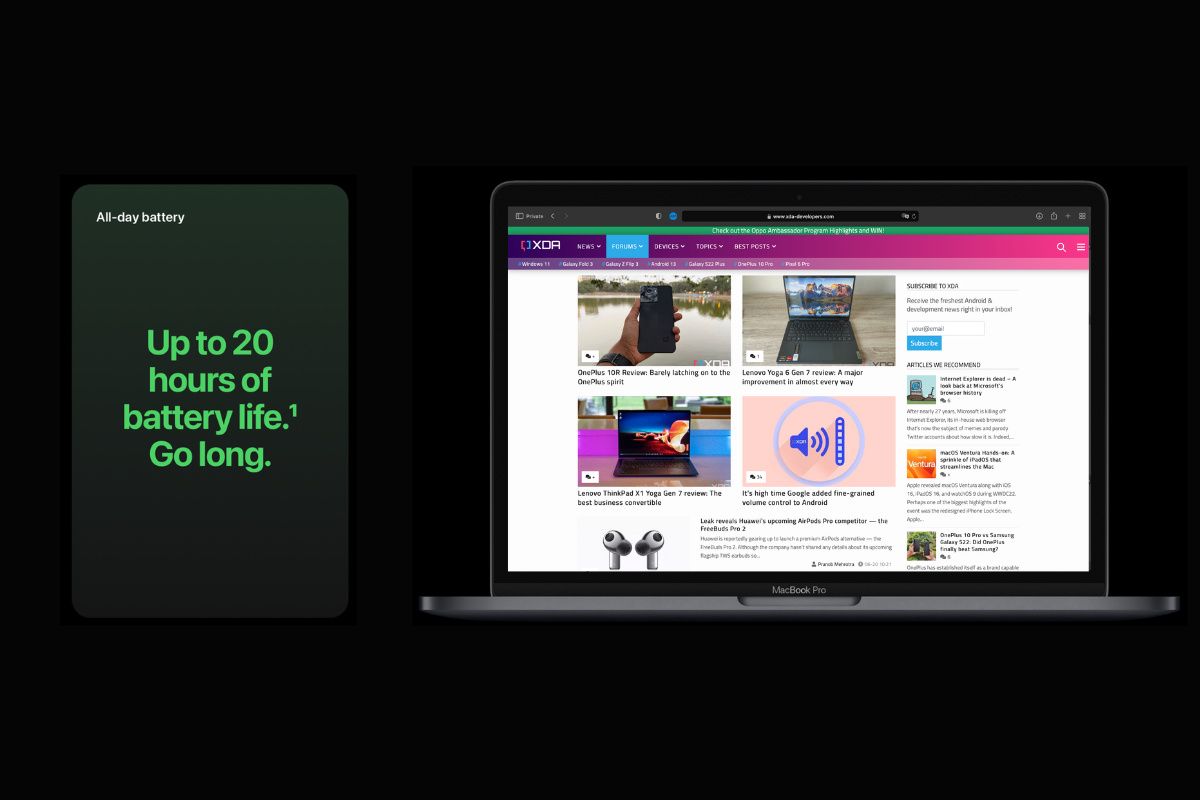
The headline figure of 18 hours 56 minutes for MacBook Pro 16 battery life represents peak performance under optimized conditions, specifically achieved by Apple on M-series Pro and Max configurations during controlled video playback tests. Real-world longevity varies based on screen brightness, background applications, peripheral usage, and workload complexity, but efficient power management allows users to approach these benchmarks during everyday productivity tasks.
Understanding the Benchmark: Where Does 18 Hours 56 Minutes Come From?
Apple’s battery life specifications are derived from rigorous, standardized laboratory tests designed to measure maximum efficiency under repeatable workloads. For the 16-inch MacBook Pro models powered by Apple silicon—such as the M1 Pro, M1 Max, M2 Pro, M2 Max, M3 Pro, and M3 Max chips—these tests consistently yield prolonged endurance that far exceeds legacy Intel-based predecessors.
The nearly 19-hour threshold is typically established using Apple TV app movie playback tests. During this evaluation, a looped 1080p video file is played with the display brightness set to a specific low-to-moderate threshold (usually around 8 clicks from the bottom, or roughly 50% brightness), with Wi-Fi disabled or maintained in a static state, and system volume set to a standardized level.
It is vital to understand that this figure is a controlled benchmark rather than an absolute guarantee for heavy workflows. When compiling code, rendering 4K video timelines, or running multiple virtual machines, power draw increases significantly. However, the underlying architecture of Apple silicon—which pairs high-performance cores with exceptionally frugal high-efficiency cores—ensures that even under moderate multitasking, users experience industry-leading endurance.
Factors Influencing Real-World MacBook Pro 16 Battery Longevity
Translating laboratory metrics into everyday performance requires an understanding of how hardware and software interact. Several core variables dictate how close a user can get to the 18-hour 56-minute benchmark during standard working hours.
Display Brightness and Technology
The 16-inch Liquid Retina XDR display is a technological marvel, utilizing mini-LED backlighting to deliver breathtaking contrast and brightness up to 1,600 nits for HDR content. However, maintaining high sustained screen brightness is one of the most significant drains on the battery. Operating at maximum SDR brightness (around 500 nits) can reduce battery life by several hours compared to operating at the lower brightness levels utilized during Apple's standard testing protocols.
Background Processes and Unoptimized Software
Modern macOS environments manage background tasks efficiently, but third-party applications can disrupt this balance. Unoptimized Intel-based applications running through the Rosetta 2 translation layer require more processing power and energy than native Apple silicon applications. Additionally, browser tabs left open with active media, cloud synchronization services, and poorly coded background daemons can continuously wake the CPU from its low-power states, eroding total battery longevity.
Thermal Management and Power States
The MacBook Pro 16 features advanced thermal architecture with dual fans, but under light-to-moderate workloads, the fans remain entirely off. The chassis dissipates heat passively while the system dynamically scales clock speeds. When workloads demand sustained high performance, power draw spikes, transitioning the machine from its ultra-efficient baseline state into high-performance power profiles.
| Workload Type | Approximate Battery Range | Primary Energy Drivers |
|---|---|---|
| Local Video Playback | 16 – 19 Hours | Display brightness, audio output, low CPU load |
| Web Browsing & Office Work | 12 – 15 Hours | Active browser tabs, JavaScript execution, Wi-Fi polling |
| Creative Pro Apps (Video/Audio) | 5 – 9 Hours | GPU acceleration, rendering engines, sustained multi-core CPU usage |
| Heavy Compiling / 3D Rendering | 3 – 5 Hours | Maximum CPU/GPU draw, thermal management, fan activity |
Proven Strategies to Optimize and Extend Battery Life
Achieving maximum daily endurance requires a combination of macOS system settings adjustments and mindful workflow habits. Implementing these strategies helps bridge the gap between heavy daily use and maximum benchmark potential.
Optimizing Display and Peripheral Settings
- Enable Auto-Brightness: Allow macOS to adjust display brightness dynamically based on ambient lighting conditions by navigating to System Settings > Displays.
- Manage Keyboard Backlighting: Turn off automatic keyboard backlighting in dark environments or lower its intensity to save marginal amounts of power.
- Disconnect Unused Peripherals: External hard drives, audio interfaces, and high-draw USB devices pull power directly from the MacBook Pro ports, even when idle. Unplug accessories when they are not in use.
Software and System Tweaks
- Use Native Applications: Prioritize universal apps built specifically for Apple silicon over legacy applications that rely on translation layers.
- Control Browser Resource Consumption: Limit the number of open tabs in Safari, Chrome, or Firefox. Modern browsers include memory and energy savers that suspend inactive tabs to prevent background CPU cycles.
- Monitor Energy Impact: Open Activity Monitor via Spotlight, navigate to the Energy tab, and identify applications consuming significant power over time. Quit or update rogue applications.
Managing Battery Health Settings
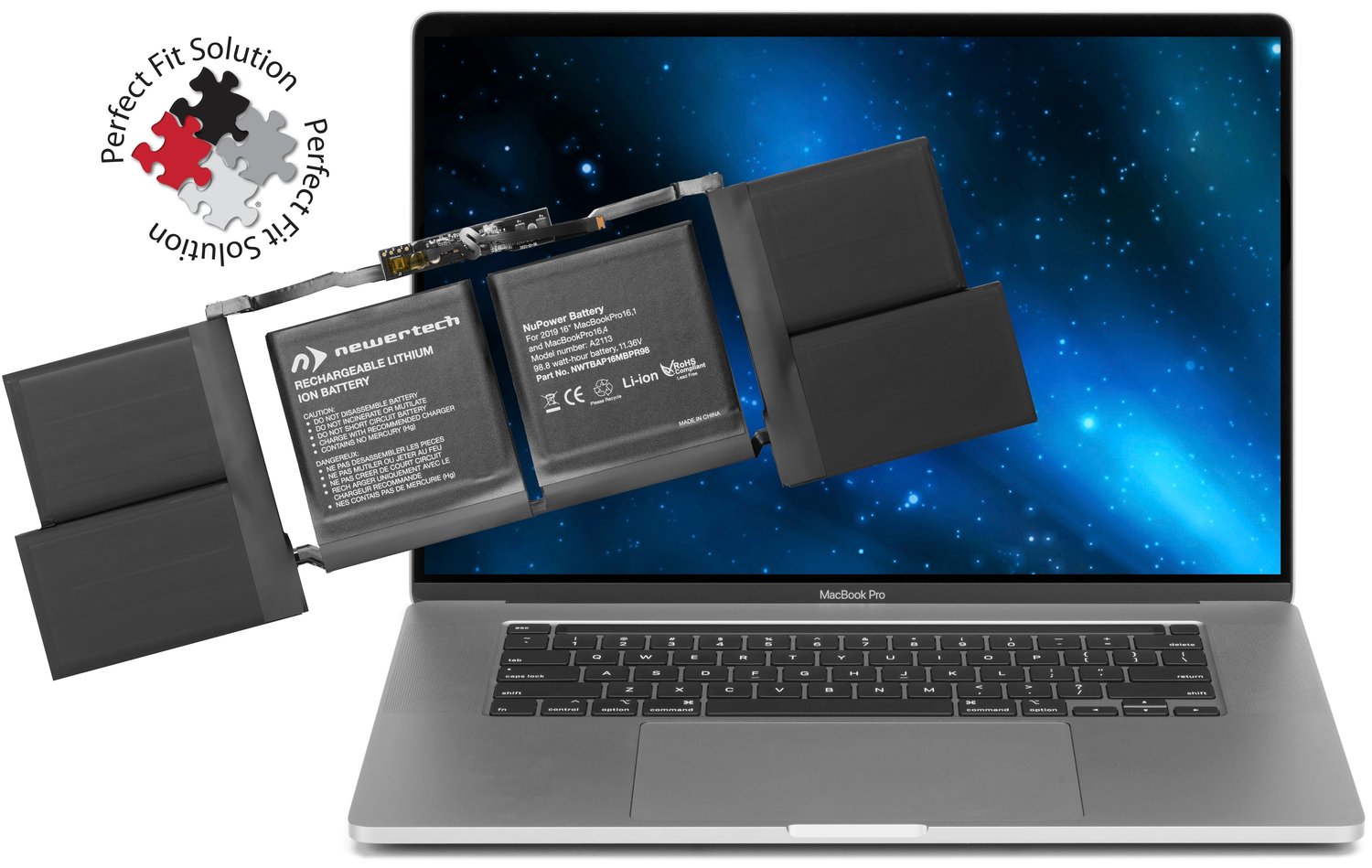
Apple includes built-in features designed to preserve the chemical longevity of the lithium-polymer battery over years of use.
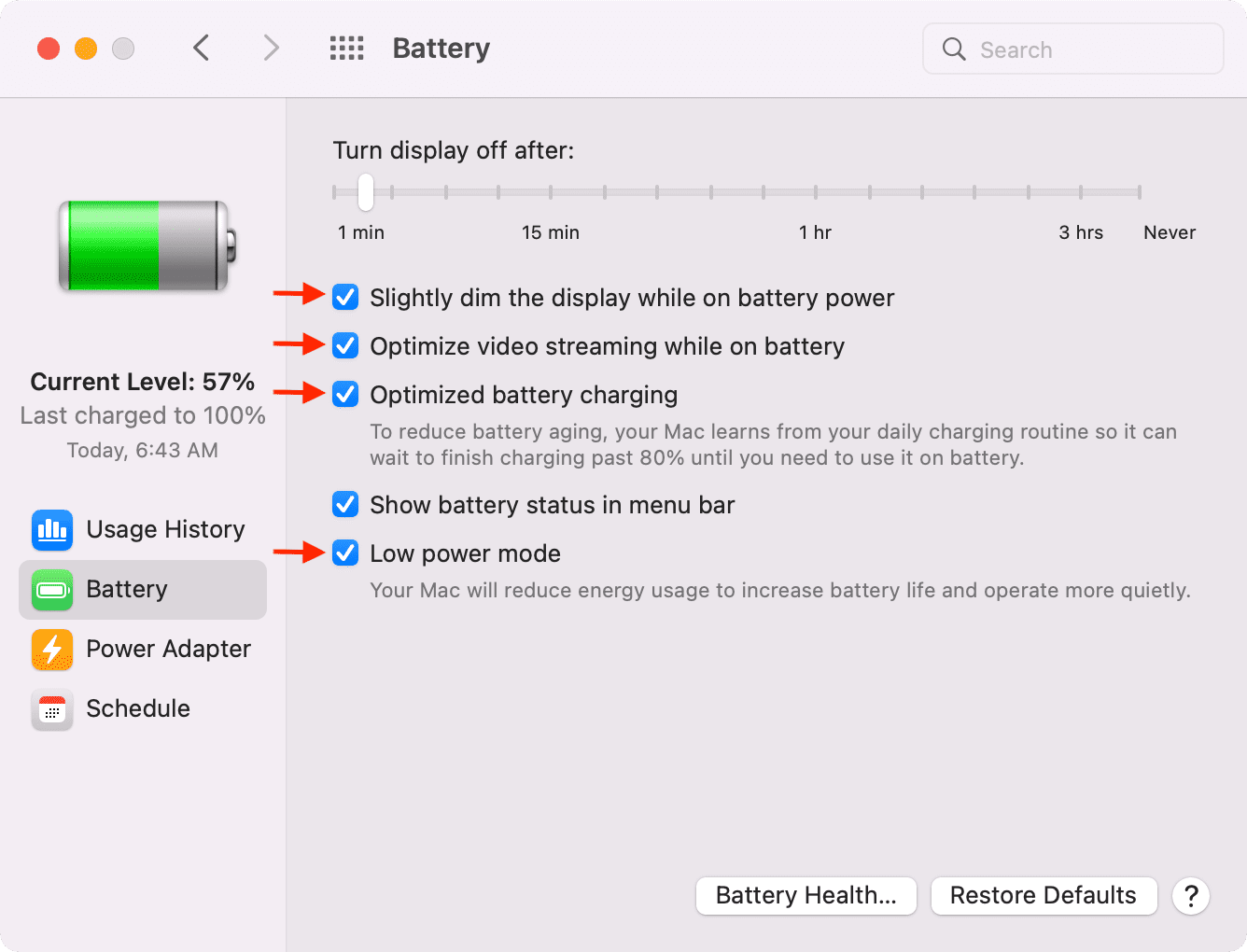
- Optimized Battery Charging: Located in System Settings > Battery, this feature learns your daily charging routine so the MacBook Pro waits to finish charging past 80% until you need to use it. This reduces chemical aging and maintains overall battery health capacity.
- Low Power Mode: When approaching low battery percentages or working away from an outlet for extended periods, enabling Low Power Mode reduces system performance and screen brightness to extend runtime significantly.
Hardware Health, Diagnostics, and Troubleshooting
If your MacBook Pro 16 is falling drastically short of expected battery runtimes—such as draining within 3 to 4 hours under basic web browsing—underlying hardware or software issues may be present.
Checking Battery Health Status
To verify the physical condition of your battery, navigate to System Settings > Battery > Battery Health. macOS will report the maximum capacity relative to when it was new, along with a service recommendation if degradation has reached critical levels. For detailed cycle counts and technical metrics, open the System Information utility via Spotlight, select Power from the hardware list, and review the Cycle Count and Maximum Capacity fields.
Resolving Sudden Battery Drain
- Check for Spotlight Indexing: Major macOS updates often trigger background file re-indexing, which temporarily causes high CPU usage and rapid battery drain. Allow the laptop to complete indexing while connected to power.
- Reset the SMC (System Management Controller) / System Firmware: While modern Apple silicon devices manage power at the silicon level differently than Intel Macs, restarting the device and ensuring macOS is fully updated resolves most background power-management bugs.
- Inspect Rogue Daemons: Use Terminal or Activity Monitor to check for stuck processes (such as
cloudd,kernel_task, or third-party sync utilities) that prevent the processor from entering sleep states.
Summary and Practical Next Actions
Reaching the upper limits of MacBook Pro 16 battery life requires balancing hardware capability with software mindfulness. While 18 hours 56 minutes serves as an optimized benchmark rather than a universal standard for every workflow, adopting native applications, moderating display brightness, and monitoring background resource usage will reliably yield multi-day productivity on a single charge. Review your current energy settings, audit your active startup items, and utilize Low Power Mode during travel to maximize your daily operational independence.