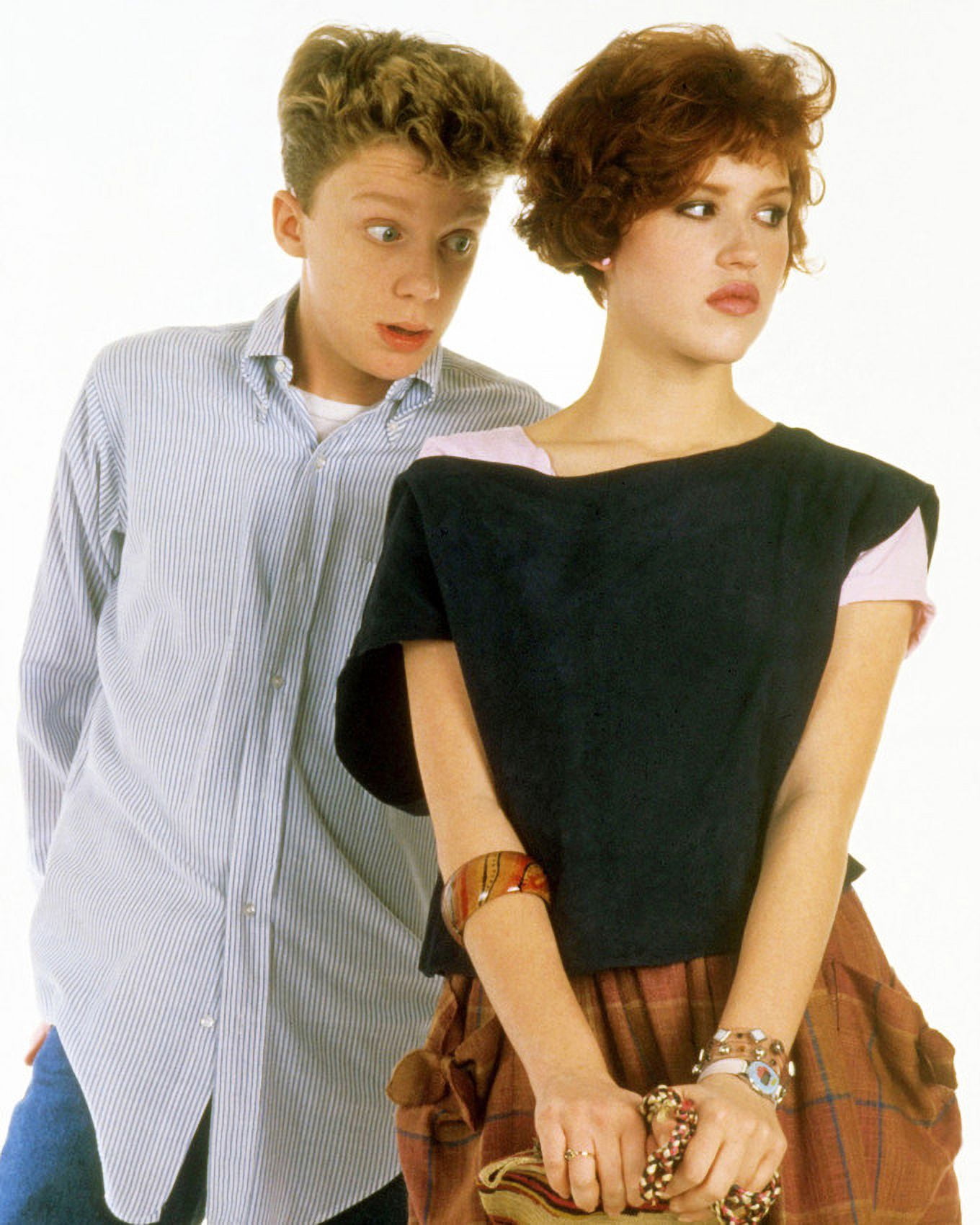
The iconic dress worn by Molly Ringwald in the 1984 film Sixteen Candles is a vintage-inspired, two-piece ensemble consisting of a pink floral-patterned dress and a matching cropped bolero jacket. Designed by costume designer Marilyn Vance, the outfit was selected to reflect the character Samantha Baker’s individuality and slightly awkward "outsider" status, eventually becoming a symbol of 1980s teen fashion.
In the decades since the release of John Hughes’ directorial debut, few cinematic garments have achieved the same level of cultural recognition as the "birthday dress" from Sixteen Candles. As of 2026, the dress is not merely a piece of movie memorabilia; it is a historical artifact housed in the Smithsonian Institution, representing a pivotal moment in American costume design and the birth of the "Brat Pack" aesthetic. To understand why this specific garment—which Molly Ringwald famously disliked during filming—remains so influential, one must examine its creation, its subversion of 1980s prom tropes, and its enduring status in the annals of pop culture history.
The Creative Vision of Marilyn Vance and Molly Ringwald
The mid-1980s were a transformative era for teen fashion, moving away from the structured disco influences of the late 70s toward a more eclectic, layered, and often DIY aesthetic. Marilyn Vance, the legendary costume designer who would go on to define the look of The Breakfast Club, Pretty in Pink, and Ferris Bueller's Day Off, was tasked with creating a wardrobe for a protagonist who felt invisible.
Samantha "Sam" Baker, played by a then-fifteen-year-old Molly Ringwald, was intended to be the relatable "everygirl." Unlike the popular "Queen Bees" of the school, Sam’s style needed to feel organic, slightly thrifted, and deeply personal. When it came time for the climactic school dance and the subsequent iconic ending scene on the dining table, the dress needed to stand out without looking like a mass-produced prom gown of the era.
Vance found the fabric—a delicate, muted pink with a subtle floral print—and envisioned a silhouette that leaned toward the romanticism of the 1940s and 50s rather than the neon-and-spandex trends of 1984. The result was a drop-waist dress with a lace-trimmed collar and a matching bolero. This layered approach allowed for versatility in the film's lighting and provided Sam with a "shield" (the jacket) that she could eventually shed as she gained confidence.
The Conflict of the "Ugly" Dress
Interestingly, Molly Ringwald was initially devastated by the choice. In various interviews throughout the years, Ringwald has admitted that she found the dress "homely" and far from the glamorous look she had envisioned for her big cinematic moment. She felt it made her look younger and less "cool" than the other girls in the film.
However, this tension between the actress's personal taste and the designer’s vision is precisely why the dress worked. It captured the authentic discomfort of being a teenager. Sam Baker wasn't supposed to look like a polished model; she was supposed to look like a girl who had put together an outfit that made her feel safe, only to find herself in an extraordinary situation.
Technical Specifications and Design Elements
The Sixteen Candles dress is a masterclass in texture and silhouette. Unlike the stiff satins and heavy puffed sleeves that dominated 1980s formal wear, this garment prioritized movement and softness.
| Feature | Technical Description | Cinematic Significance |
|---|---|---|
| Material | Cotton-blend floral chintz with lace overlays. | Provided a "down-to-earth" feel compared to high-shine synthetics. |
| Color Palette | Dusty Rose / Muted Pink with cream accents. | Established "Ringwald Pink" as a recurring visual motif for the actress. |
| Silhouette | Drop-waist with a full, tea-length skirt. | Subverted the traditional "Cinderella" ballgown shape. |
| The Bolero | Cropped, open-front jacket with short sleeves. | Allowed for character transition and visual layering during the dance. |
| Accents | Scalloped lace trim and a small floral brooch. | Emphasized the "vintage-thrift" aesthetic popular in Chicago suburbs. |
The choice of a drop-waist was particularly significant. In 1984, the "New Romantic" movement was influencing fashion, bringing back waistlines from the 1920s and 1930s. By using this silhouette, Vance placed Sam Baker outside of the contemporary "preppy" or "jock" fashion circles, marking her as a creative individualist.
Cultural Impact and the "Ringwald Pink" Phenomenon
The dress did more than just clothe a character; it helped launch a decade-long obsession with Molly Ringwald’s style. Following the success of Sixteen Candles, the color pink became inextricably linked with Ringwald’s persona, eventually leading to the film Pretty in Pink (1986).
The "Sam Baker Look" encouraged teenage girls to look beyond the mall and into vintage shops. It validated the idea that being "different" was a form of style in itself. The dress bridged the gap between the child-like Sam (who was forgotten by her family) and the young woman who finally caught the eye of Jake Ryan.
Comparison: Sixteen Candles vs. Pretty in Pink
It is common for fans to confuse the Sixteen Candles dress with the one from Pretty in Pink. While both are pink and both were designed (or overseen) by Marilyn Vance, they represent different social statements:
- Sixteen Candles (1984): A cohesive, vintage-inspired set. It represents a girl trying to fit in while remaining true to her quirky roots.
- Pretty in Pink (1986): A deconstructed, "franken-dress" made from two different gowns. It represents a girl making a defiant statement against classism and social hierarchy.
The Sixteen Candles dress is arguably more "wearable" and classic, whereas the Pretty in Pink dress was a radical fashion statement that remains polarizing to this day.
From Film Set to the Smithsonian Institution
One of the most remarkable aspects of the Sixteen Candles dress is its preservation. Many film costumes from the 1980s were lost, sold in studio auctions, or repurposed for other productions until they fell apart. Recognizing the cultural weight of the film, Molly Ringwald kept the dress in her personal collection for three decades.
In 2014, to celebrate the 30th anniversary of the film, Ringwald donated the dress and the bolero to the Smithsonian National Museum of American History in Washington, D.C. This act solidified the garment’s status as a piece of American history. As of 2026, it remains part of the museum’s permanent collection, often featured in exhibits regarding the evolution of American adolescence and the impact of John Hughes on the national narrative.
The donation included:
- The original floral cotton dress.
- The matching cropped jacket.
- The original shoes worn during the dining table scene.
Curators at the Smithsonian have noted that the dress is a vital example of how costume design can define a generation's identity. It sits alongside other legendary items like Dorothy’s ruby slippers and Prince’s "Yellow Cloud" guitar, representing the "Coming of Age" genre that Hughes perfected.
How the Dress Influenced Modern Formal Wear
The influence of the Sixteen Candles dress can still be seen in contemporary prom and bridesmaid trends. The concept of the "separates"—a dress paired with a specific jacket or overlay—remains a staple for formal events.
The DIY and Thrifting Movement
Modern "Alt-fashion" and "Cottagecore" trends owe a debt to Sam Baker. The idea of taking a vintage floral pattern and making it look "cool" through styling is a direct descendant of Vance’s work in the 84-86 period. In 2026, we see a resurgence of these mid-80s silhouettes in "slow fashion" circles, where designers prioritize the same cotton-blends and lace trims that made Sam's dress stand out against the polyester of her peers.
Lessons for Costume Designers
The dress serves as a primary case study for film students and costume designers. It teaches that a character's wardrobe should:
- Reflect internal conflict: Sam’s dress is both modest (the jacket) and celebratory (the floral print).
- Create a visual "Beat": The dress looks different under the harsh gymnasium lights than it does in the soft, candle-lit glow of the final scene.
- Resist trend-chasing: By leaning into vintage styles, the dress avoided looking "dated" as quickly as the more trend-heavy costumes in the film.
Common Misconceptions About the Dress
Despite its fame, several myths persist regarding the Sixteen Candles dress. Clearing these up is essential for any fashion historian or film enthusiast.
- It was not a "find" from a thrift store: While it was designed to look like something Sam might have found, it was a custom-built costume created by Marilyn Vance’s team.
- Molly Ringwald did not "design" it: Though she had significant input on her costumes in later films, her role in the Sixteen Candles dress was primarily as a (reluctant) model.
- It was not the only dress: As with most film productions, multiple versions of the dress were made for different lighting setups and potential damage during filming, though the one in the Smithsonian is the primary "hero" costume.
Frequently Asked Questions
Why did Molly Ringwald hate the Sixteen Candles dress?
Molly Ringwald has stated that at fifteen, she wanted to look sophisticated and "cool." She felt the floral print and the bolero jacket were too "little girl" or "grandmotherly." It wasn't until she saw the finished film and the audience's reaction that she realized how perfectly the dress captured Sam Baker's character.
Where is the original dress from Sixteen Candles now?
As of 2026, the original dress is held by the Smithsonian National Museum of American History. It was donated by Molly Ringwald in 2014. While it is not always on public display due to the fragility of the fabric, it is a permanent part of their entertainment heritage collection.
Who was the costume designer for Sixteen Candles?
The dress was designed by Marilyn Vance. Vance is widely credited with creating the "John Hughes look," having also worked on The Breakfast Club, Pretty in Pink, Ferris Bueller's Day Off, and later films like Pretty Woman and Die Hard.
Is the Sixteen Candles dress the same as the Pretty in Pink dress?
No. The Sixteen Candles dress is a two-piece floral ensemble with a drop-waist. The Pretty in Pink dress is a sleeveless, polka-dot halter dress with a lace overlay, famously "sewn together" by the character Andie Walsh in the film.
Can you buy a replica of the Molly Ringwald Sixteen Candles dress?
While there are no "official" mass-produced replicas, the dress is a popular subject for custom dressmakers on platforms like Etsy. Because the design uses a standard drop-waist pattern and floral chintz, it is one of the more accessible iconic film costumes for fans to recreate for cosplay or themed events.
Conclusion and Final Recommendation
The pink floral dress from Sixteen Candles remains a definitive piece of cinematic history because it successfully translated the internal world of a teenage girl into a physical garment. It balanced the awkwardness of youth with the budding elegance of young adulthood, all while standing its ground against the aggressive fashion trends of the 1980s.
For those interested in the history of film fashion, a visit to the Smithsonian National Museum of American History is highly recommended to see the preservation of such artifacts. If you are a designer or a fan looking to capture this aesthetic, focus on texture and silhouette over brand names. Look for vintage cotton prints, prioritize "modest-romantic" cuts like the drop-waist, and remember that the most iconic outfits are often those that allow the wearer’s personality to shine through their initial discomfort.