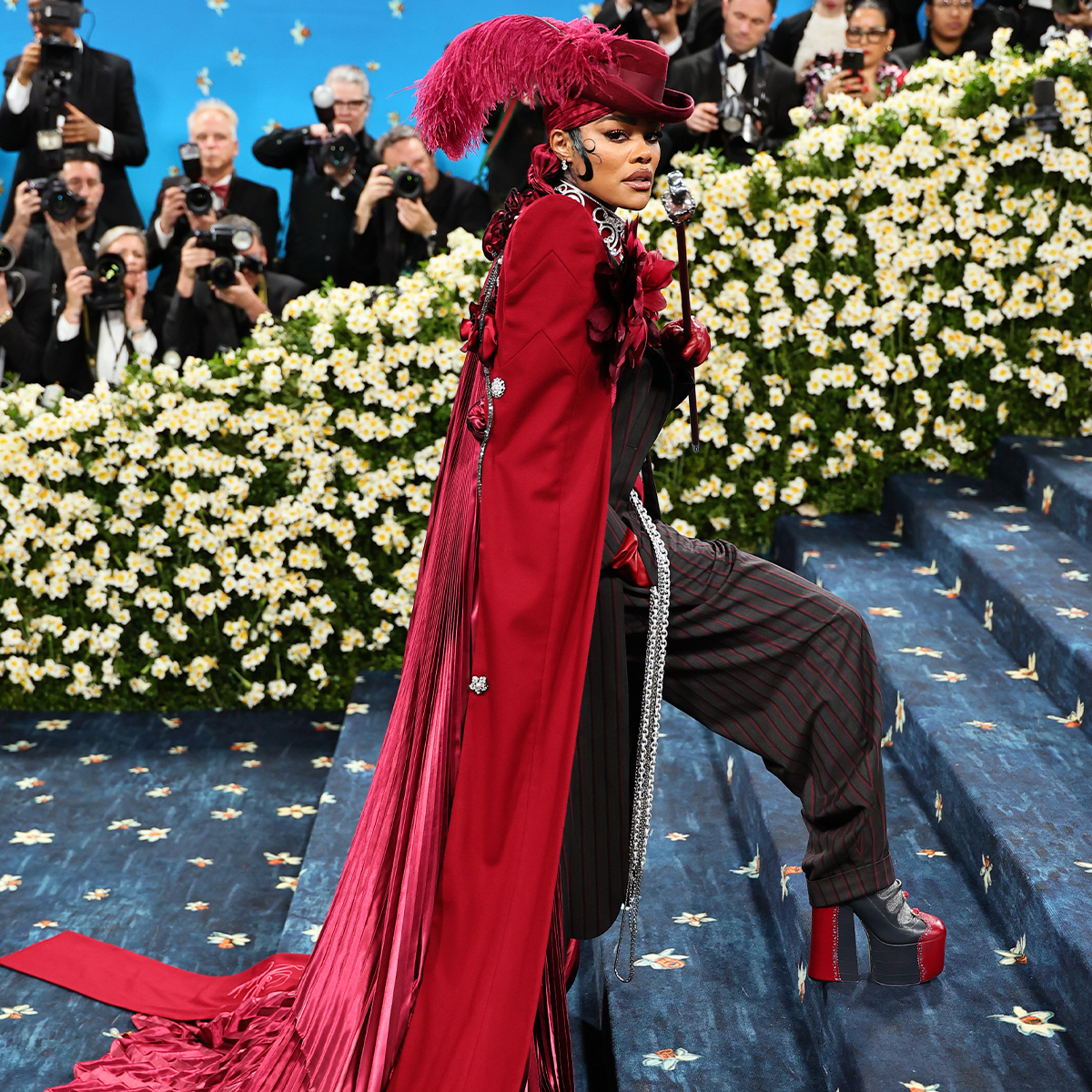
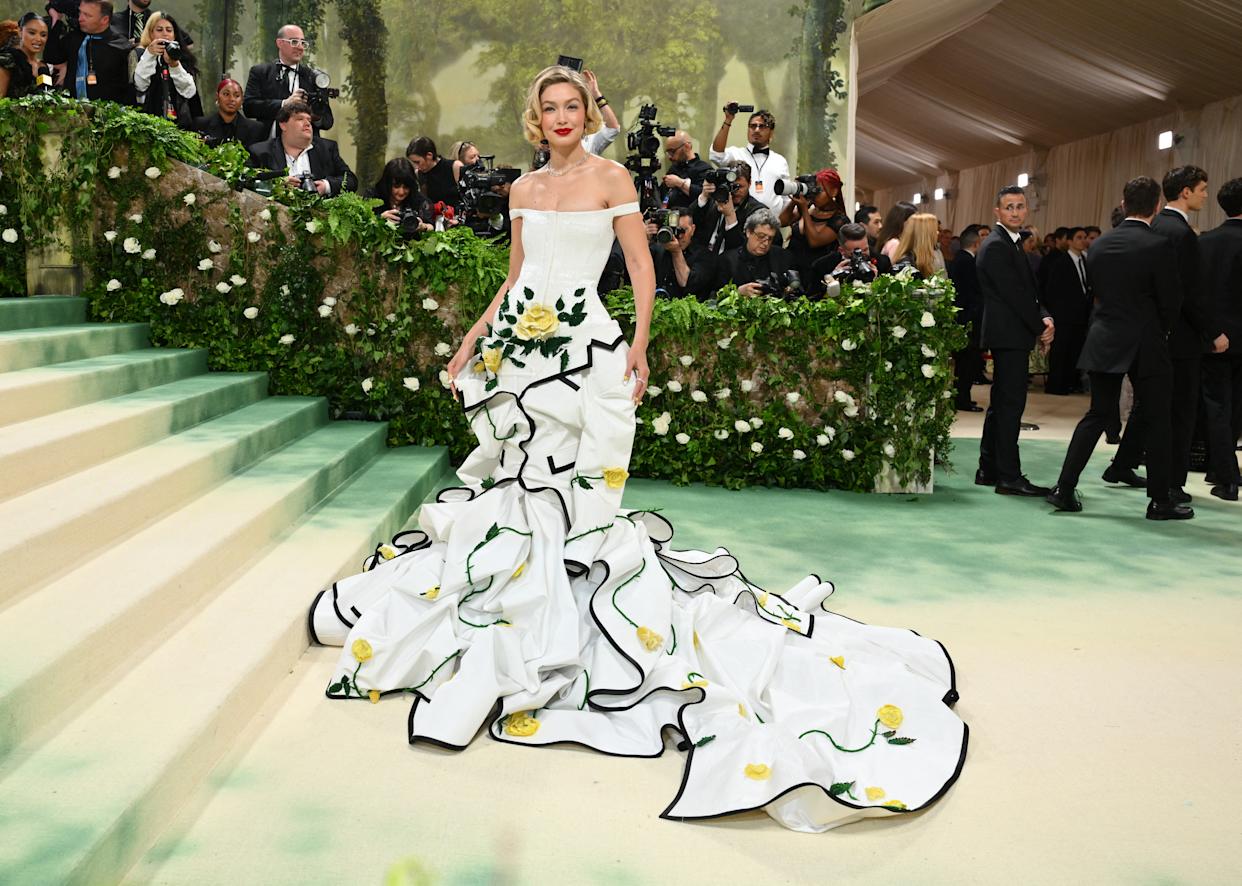
The Met Gala 2025 theme, "Superfine: Tailoring Black Style," focused on the historical and cultural significance of the Black dandy. Inspired by Monica L. Miller’s book Slaves to Fashion, the exhibition explored how clothing, gesture, and irony have served as tools for Black identity and resistance from the 18th century to the present day.
The 2025 Met Gala represented a landmark moment for the Costume Institute, shifting the spotlight toward menswear and the intricate history of the African Diaspora’s influence on global tailoring. As we look back from 2026, the impact of this theme remains a pivotal reference point for fashion historians and enthusiasts alike. Below are 12 comprehensive insights into the theme, the exhibition, and the cultural movement it celebrated.
1. The Scholarly Foundation: Monica L. Miller’s "Slaves to Fashion"
The conceptual bedrock of the 2025 theme was the 2009 book Slaves to Fashion: Black Dandyism and the Styling of Black Diasporic Identity by Monica L. Miller. This wasn't merely a fashion choice; it was a curated academic exploration. Miller, a professor of English and Africana Studies at Barnard College, served as the guest curator, marking a significant collaboration between the Costume Institute and the world of academia.
Miller’s work traces the evolution of the Black dandy from the "dandyized" enslaved people in 18th-century England to the modern global style icons. The theme highlighted how Black men used fashion to navigate, subvert, and redefine their place in a society that often sought to marginalize them. By centering the theme on this specific text, the Met Gala moved beyond aesthetic surface levels into a deep investigation of identity politics and sartorial storytelling.
2. A Historic Shift to Menswear
For the first time since the 2003 exhibition "Men in Skirts," the Costume Institute dedicated its primary spring showcase exclusively to menswear. This decision reflected the burgeoning influence of men's fashion in the 2020s, driven by a breakdown of traditional gender binaries and a renewed interest in bespoke tailoring.
"Superfine" examined the "suit" not as a uniform of conformity, but as a canvas for self-expression. By focusing on Black dandyism, the exhibition showcased how the Black diaspora took the traditional European silhouette and infused it with specific cultural markers, bright colors, and exaggerated proportions, effectively "remixing" the history of menswear.
3. The Power of the Co-Chair Committee
The selection of co-chairs for the 2025 Met Gala was an intentional statement of Black excellence across various creative industries. The committee included:
- Pharrell Williams: A polymath who, as the Creative Director of Louis Vuitton Men’s, bridged the gap between streetwear and high luxury.
- Colman Domingo: An actor known for his impeccable, theatrical red-carpet presence that often embodies the modern dandy.
- Lewis Hamilton: The Formula 1 legend who has used the paddock as a runway to champion emerging Black designers.
- A$AP Rocky: A rapper whose influence on "pretty boy" aesthetics and avant-garde street style redefined dandyism for the hip-hop generation.
- LeBron James: Serving as the honorary chair, James represented the intersection of world-class athleticism and high-fashion authority.
This lineup, alongside Anna Wintour, ensured that the "Superfine" theme was represented by men who actively live and breathe the evolution of Black style.
4. Understanding the Term "Superfine"
The word "Superfine" in the title refers to both the quality of the fabric used in high-end tailoring and the colloquial African American expression of being "fine" or exceptionally well-dressed. In the context of 18th and 19th-century tailoring, superfine wool was the gold standard for a gentleman’s wardrobe.
The theme played on this double meaning: the technical precision of the garment and the social performance of the wearer. To be "superfine" was to be beyond reproach, using the excellence of one's appearance as a shield and a statement of humanity. This linguistic choice connected the meticulous craft of tailoring with the lived experience of the Black diaspora.
5. Dandyism as a Tool of Resistance
One of the most profound insights from the 2025 theme was the framing of dandyism as a political act. Historically, for Black men, the act of dressing well was often a radical subversion of the roles imposed upon them. During the era of enslavement, being forced into "livery" (servant's uniforms) was a mark of ownership.
However, the Black dandy took these elements of European dress and wore them with an "excess" of style that signaled autonomy. The 2025 exhibition illustrated how clothing was used to demand respect and visibility. In this light, a well-tailored suit was not just a garment; it was a manifesto of freedom and a rejection of the status quo.
6. The Twelve Characteristics of Black Dandyism
The exhibition was organized around several thematic pillars derived from Miller’s research. These characteristics helped visitors understand that dandyism is more than just wearing a suit; it is a holistic performance. These included:
- The Pose: The physical carriage and stance of the dandy.
- The Walk: How movement communicates confidence and status.
- The Look: The visual harmony or intentional dissonance of an outfit.
- The Talk: The linguistic flair and wit associated with dandy culture.
- The Satire: Using fashion to mock or critique social hierarchies.
By breaking the theme down into these elements, the Met Gala provided a framework for guests to interpret the "Superfine" dress code beyond mere tuxedos.
7. The Global Diaspora and Tailoring
While the theme was deeply rooted in American and British history, it also acknowledged the global reach of Black style. From the "Sapeurs" of the Congo (La Sape) to the "rude boys" of Jamaica and the modern tailors of Savile Row, the exhibition connected these disparate movements under the umbrella of Black dandyism.
This global perspective was crucial for the 2025 Gala, as it highlighted how tailoring techniques traveled across oceans, were adapted, and then returned to the West to influence mainstream fashion. It showcased that the "Superfine" aesthetic is a conversation between continents, fueled by migration, music, and the persistent desire for self-definition.
8. The Intersection of Sport and High Fashion
The inclusion of LeBron James and Lewis Hamilton as chairs highlighted the significant role athletes have played in the modernization of dandyism. In the 21st century, the "tunnel walk" in professional sports has become a primary venue for displaying tailored excellence.
For many Black athletes, the suit has become a way to reclaim their narrative outside of their physical performance on the court or track. This insight showed that the modern dandy is often a "warrior" who changes out of his uniform into a "superfine" suit, signaling his transition from athlete to businessman and cultural icon.
| Co-Chair | Primary Industry | Signature Style Element | Contribution to Theme |
|---|---|---|---|
| Pharrell Williams | Music/Design | Louis Vuitton Luxury/Streetwear | Global reach and brand heritage |
| Colman Domingo | Film/Theater | Bold Colors/Traditional Tailoring | Narrative-driven red carpet appearances |
| Lewis Hamilton | Sports (F1) | Avant-Garde/Experimental | Promoting emerging Black designers |
| A$AP Rocky | Music/Fashion | Street-Luxe/Eclectic | Redefining masculinity in hip-hop |
| LeBron James | Sports (NBA) | Power Dressing/Classic Bespoke | The athlete as a style authority |
9. Redefining Masculinity through Adornment
The 2025 theme challenged traditional Western notions of masculinity, which often favor minimalism and "drab" colors for men. Black dandyism, by contrast, embraces ornamentation, vibrant palettes, and intricate accessories.
The exhibition showcased how Black men have historically used ruffles, silks, jewelry, and hats to enhance their presence. This insight encouraged Met Gala attendees to move away from the standard black tuxedo and experiment with the "extravagance" that is inherent to the dandy tradition. It celebrated the idea that being "pretty" and being "masculine" are not mutually exclusive.
10. The Role of Louis Vuitton as Sponsor
With Pharrell Williams at the helm of Louis Vuitton Men’s and the brand acting as a primary sponsor for the gala, the 2025 event cemented the luxury house's commitment to Black creative leadership. This partnership was more than financial; it was a reflection of how major European fashion houses are finally centering Black histories in their primary narratives.
The exhibition featured archival pieces that demonstrated the brand's long-standing relationship with global style, but it also pointed toward a future where "Superfine" tailoring is a core component of the brand's DNA under Pharrell's direction.
11. Impact on the 2025 Red Carpet
The actual gala night in May 2025 saw a transformation of the red carpet. Guests largely moved away from the "costume-heavy" looks of previous years (like the "Camp" or "Heavenly Bodies" themes) toward high-concept tailoring. We saw an explosion of:
- Bespoke Capes: Combining the authority of a coat with the drama of a gown.
- Cultural Embroidery: Suits featuring patterns and techniques from across the African continent.
- Modern Monarchy: Looks that reimagined 18th-century court dress through a contemporary lens.
The "Superfine" theme proved that tailoring could be just as avant-garde as any sculptural gown, provided it was executed with the wit and "swagger" of the dandy.
12. The Lasting Legacy in 2026
A year later, the 2025 theme is recognized for having permanently shifted the conversation around diversity at the Met. It wasn't just about including Black bodies on the red carpet; it was about centering Black intellectualism and history in the exhibition itself.
The success of "Superfine" has led to an increased interest in the history of menswear and has empowered designers of color to explore their own heritage through the medium of tailoring. As we move through 2026, the "Superfine" aesthetic continues to influence ready-to-wear collections, emphasizing that the suit remains one of the most powerful tools for self-expression in the fashion lexicon.
Frequently Asked Questions
What was the official title of the Met Gala 2025 theme?
The official title was "Superfine: Tailoring Black Style." It was the first exhibition since 2003 to focus specifically on menswear and the first to center entirely on the history of Black dandyism.
Who was the inspiration behind the 2025 theme?
The theme was inspired by Monica L. Miller’s 2009 book, Slaves to Fashion: Black Dandyism and the Styling of Black Diasporic Identity. Miller also served as the guest curator for the exhibition, working alongside Andrew Bolton.
Why was LeBron James involved in the Met Gala 2025?
LeBron James served as the honorary chair. His involvement highlighted the massive influence of Black athletes on the fashion industry and the "tunnel walk" culture that has turned professional sports into a major platform for high-fashion tailoring.
Is dandyism only about suits?
No. According to the 2025 exhibition, dandyism is a combination of clothing, gesture, and wit. It includes how one carries themselves (the pose), how they move (the walk), and how they use fashion to mock or subvert existing social hierarchies (the satire).
How did the theme affect the dress code?
The dress code encouraged guests to explore Black dandyism, which meant moving beyond the basic tuxedo. It invited attendees to embrace bold colors, intricate fabrics, and accessories that reflected the history of the African Diaspora’s influence on tailoring.
Practical Recommendation for Fashion Students
For those looking to study the impact of the 2025 theme further, it is highly recommended to read Monica L. Miller's Slaves to Fashion. Understanding the transition from the 18th-century "servant" aesthetic to modern-day "superfine" tailoring provides essential context for anyone interested in the intersection of race, politics, and fashion. Additionally, reviewing the Costume Institute’s digital archives will provide visual reference points for the garments that defined the 2025 exhibition.