10 pay whole life insurance by Grange Insurance is a permanent life insurance policy designed to be completely paid for within ten years, after which the policyholder owes no further premiums while lifetime coverage and cash value growth continue. This specialized financial product allows individuals to consolidate their premium payments into a condensed window, making it an attractive option for those seeking lifelong protection without ongoing financial obligations in their later retirement years.
Introduction to Limited-Pay Permanent Life Insurance
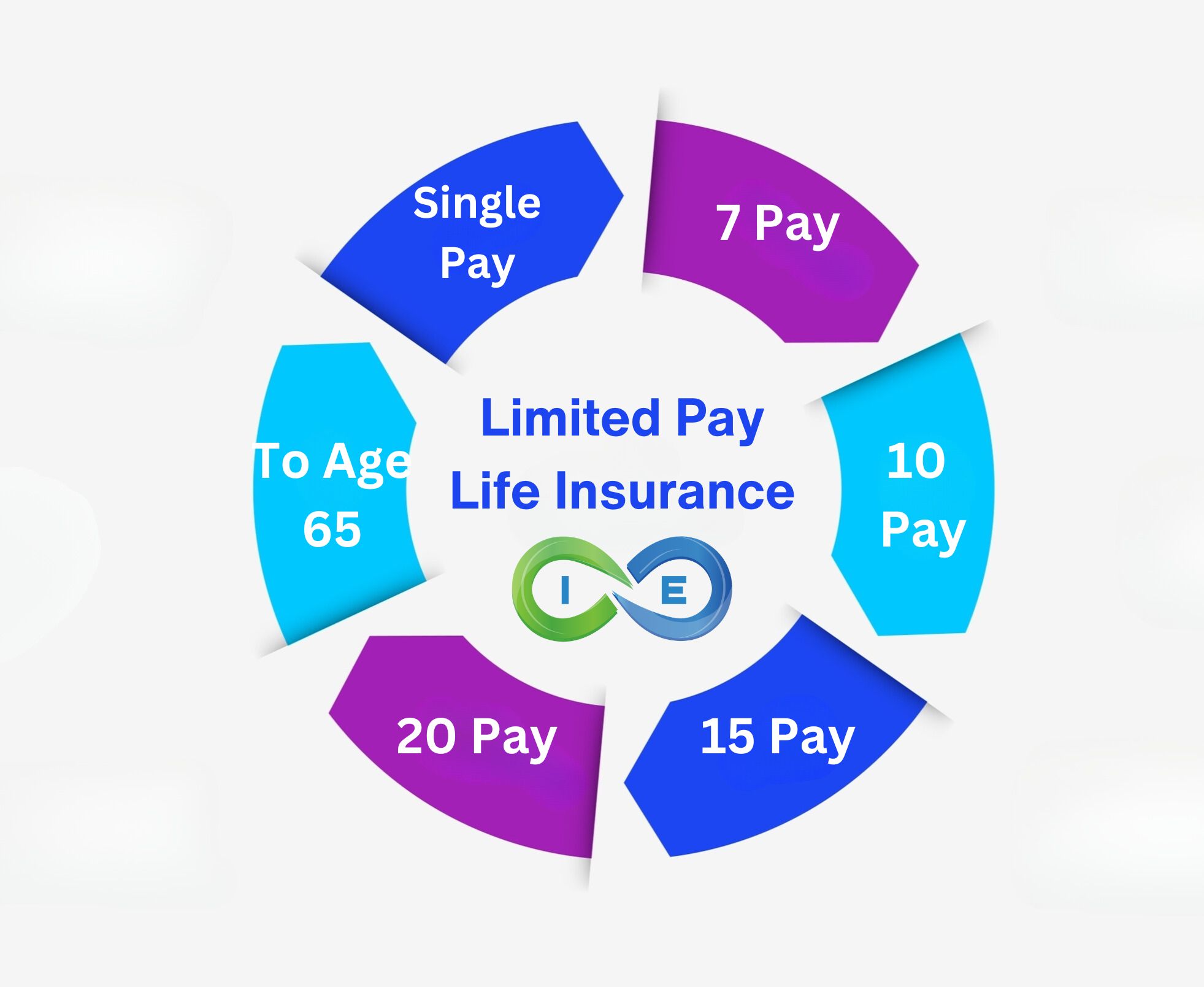
When individuals evaluate permanent life insurance products, traditional whole life policies typically require premium payments until the insured reaches age 100 or older. While this structure spreads the cost over a lifetime, many policyholders prefer a more accelerated funding schedule. Limited-pay life insurance addresses this need by condensing the payment period into a specific number of years, such as 10, 20, or until a certain age.
Grange Insurance offers a 10 pay whole life insurance product designed for clients who want to secure permanent coverage while actively earning income, ensuring that their policy is fully paid up before retirement. This strategy eliminates long-term premium liabilities and allows policyholders to redirect future cash flow toward other financial priorities. Understanding how this product operates requires examining its structural mechanics, financial advantages, underwriting requirements, and long-term implications.
Core Features and Mechanics of 10 Pay Whole Life
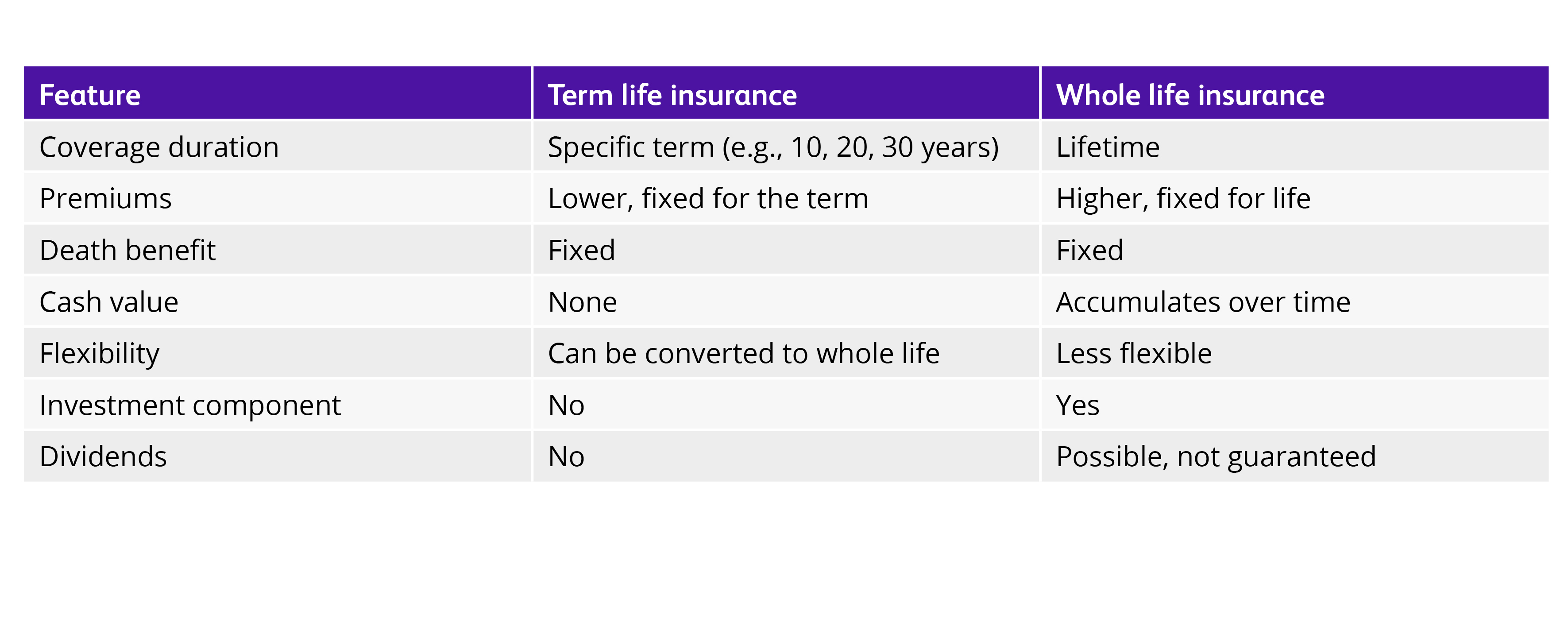
A 10-pay whole life insurance policy functions on the same foundational principles as traditional whole life insurance, featuring guaranteed death benefits, level premiums for the duration of the payment period, and a cash value component that grows on a tax-deferred basis. However, its accelerated funding schedule introduces distinct structural characteristics that differentiate it from lifetime-pay alternatives.
Accelerated Premium Schedule
The defining characteristic of a 10-pay policy is the absolute limitation of premium payments to a 10-year window. During these first ten years, the annual or monthly premiums are significantly higher than those of a traditional whole life policy with the exact same death benefit. This is because the insurance carrier must collect enough capital within a compressed timeframe to fund the policyholder's lifetime insurance costs and guarantee the cash value accumulation. Once the tenth year's final payment clears, the policy is considered "paid up," and no further out-of-pocket payments are required.
Guaranteed Death Benefit
Like all whole life contracts, the policy guarantees a predetermined payout to designated beneficiaries upon the insured's passing, provided the policy remains in force. Because the policy reaches a paid-up status after a decade, the death benefit remains active for the remainder of the insured's life without the risk of policy lapse due to unpaid premiums.
Guaranteed Cash Value Accumulation
A portion of each premium payment contributes to the policy's cash value, which serves as a living benefit. In a 10-pay structure, cash value builds at an accelerated pace during the initial ten years due to the higher premium amounts. This accumulated value grows tax-deferred and can be accessed during the policyholder's lifetime through policy loans or withdrawals, subject to contract terms and tax regulations.
Financial Comparison: 10 Pay vs. Traditional Whole Life
To evaluate whether a 10-pay structure aligns with a financial strategy, comparing it directly to traditional whole life insurance highlights the trade-offs between cash flow management and total lifetime cost.
| Feature | 10 Pay Whole Life Insurance | Traditional Whole Life Insurance |
|---|---|---|
| Payment Duration | Exactly 10 years | Lifetime (typically to age 100 or 121) |
| Annual Premium Amount | Significantly higher | Lower relative to death benefit |
| Total Out-of-Pocket Cost | Generally lower over time due to accelerated funding | Higher cumulative cost over a prolonged lifetime |
| Cash Value Growth | Rapid accumulation during the first 10 years | Slower, more gradual accumulation over decades |
| Paid-Up Status | Achieved automatically after 10 years | Never truly "paid up" unless reduced paid-up options are elected |
| Retirement Impact | Zero premium obligation during retirement years | Ongoing premium obligation extending into retirement |
Advantages of Choosing a 10 Pay Policy
Opting for a condensed payment schedule provides several strategic benefits, particularly for individuals in their peak earning years who want to minimize future financial commitments.
Elimination of Retirement Risk
One of the primary concerns for retirees is managing fixed expenses on a fixed income. By utilizing a 10-pay structure, individuals ensure that their life insurance obligations are entirely fulfilled before they exit the workforce. This removes the risk of a policy lapsing in later life due to budget constraints during retirement.
Accelerated Equity Growth
Because premium contributions are heavily front-loaded, the policy builds cash value much faster than a standard whole life policy. This accumulated equity can serve as an additional financial resource, offering liquidity for emergencies or supplementing retirement income through policy loans.
Guaranteed Financial Certainty
Grange Insurance whole life products feature fixed premiums and guaranteed minimum interest crediting rates. Policyholders know precisely when their payments will end and what guarantees are locked into the contract, insulating them from market volatility.
Underwriting and Eligibility Requirements
Securing a 10-pay whole life policy from Grange Insurance requires going through standard life insurance underwriting. Because the insurance company assumes the risk of carrying the policy for decades after payments stop, qualification criteria are stringent.
Age and Health Parameters
Applicants are evaluated based on their current age, medical history, lifestyle, and family health background. Younger applicants benefit from lower annual premiums during the 10-year window, though the cost remains higher than a traditional policy for the same age bracket. Medical underwriting may involve a paramedical exam, blood and urine testing, and verification of medical records.
Financial Underwriting
For higher face amounts, carriers often require financial underwriting to ensure that the requested death benefit and corresponding 10-year premium commitment align with the applicant's income and net worth. This step ensures that the policyholder can comfortably sustain the elevated premium payments throughout the mandatory 10-year window.
Potential Drawbacks and Considerations
While a 10-pay whole life policy offers clear structural benefits, it may not be appropriate for every financial situation. Careful evaluation of potential disadvantages is essential before committing to the contract.
Substantial Initial Cash Flow Commitment
The most immediate challenge of a 10-pay policy is the high cost of the premiums. Because the payment period is compressed into a decade, the annual financial burden is considerably heavier than that of a lifetime-pay policy with an equivalent death benefit. Individuals must ensure their current income can support these elevated payments without straining their broader financial stability.
Opportunity Cost
Allocating significant capital toward high whole life premiums means that money cannot be invested elsewhere, such as in employer-sponsored retirement plans, real estate, or diversified equity portfolios. Policyholders must weigh the safety and guarantees of whole life insurance against the potential higher long-term returns of alternative investment vehicles.
Impact of Surrender Charges
Like most permanent insurance products, 10-pay policies feature surrender charge periods during the early years of the contract. If a policyholder needs to cancel the policy shortly after purchase, the surrender value may be significantly lower than the total premiums paid.
Common Mistakes to Avoid
Navigating permanent life insurance purchases requires careful planning to avoid pitfalls that can diminish the policy's long-term value.
- Underestimating Cash Flow Constraints: Committing to a 10-pay schedule without accounting for potential income disruptions over a ten-year period can lead to policy default or forced surrender. Ensure that emergency savings are secure before locking into high premium commitments.
- Treating Insurance Solely as a Short-Term Investment: Whole life insurance is designed as a permanent risk-management tool with cash value accumulation as a secondary benefit. Expecting high short-term returns similar to the stock market often leads to disappointment.
- Failing to Review Beneficiary Designations: Life changes such as marriage, divorce, or the birth of children require timely updates to policy beneficiaries to ensure the death benefit is distributed according to current wishes.
Practical Recommendations and Next Actions
For individuals considering 10 pay whole life insurance by Grange Insurance, taking a methodical approach ensures the final decision aligns with broader financial goals.
- Assess Long-Term Cash Flow: Review current and projected earnings over the next decade to confirm that the higher premium payments can be sustained comfortably without compromising retirement savings or emergency funds.
- Consult with a Licensed Financial Professional: Speak with an independent insurance agent or financial advisor authorized to represent Grange Insurance. They can run exact quotes based on age, health profile, and desired death benefit.
- Compare Policy Options: Evaluate whether a 10-pay structure aligns better with your financial plan than a 20-pay or traditional lifetime-pay whole life policy.
- Review the Policy Contract: Carefully examine the guaranteed interest rates, fee structures, and loan provisions before signing the application and funding the initial premium.