The year 2015 was a fascinating period for cinematic comedy, balancing broad studio blockbusters, biting satirical mockumentaries, indie-darling dark comedies, and nostalgic franchise returns. While the cinematic landscape often prioritizes high-octane action and dramatic prestige, 2015 demonstrated that humor remains one of the most versatile vehicles for social commentary, absurdist storytelling, and pure escapism. This retrospective examines ten of the most notable comedy films released that year, analyzing their creative approaches, cultural footprints, and enduring appeal.
Understanding the Landscape of 2015 Comedy
Before diving into individual titles, it helps to understand the macro trends that shaped comedic cinema in 2015. The mid-2010s marked a transition point for studio comedies. R-rated comedies driven by ensembles and improvised dialogue—popularized heavily in the late 2000s and early 2010s—were still dominating box offices, but a shift toward high-concept satires and indie dramedies was well underway.
Streaming platforms were beginning to alter how audiences consumed content, yet theaters remained the primary battleground for comedy releases. Directors and writers utilized humor to dissect modern relationships, workplace anxieties, celebrity culture, and historical absurdities. Examining these films provides a snapshot of mid-decade humor, showcasing how different subgenres—from physical slapstick to dry, deadpan irony—resonated with moviegoers.
The Top 10 Notable Comedy Movies of 2015
The following selections represent a cross-section of critical acclaim, box office success, and distinctive directorial voices from 2015.
1. Spy
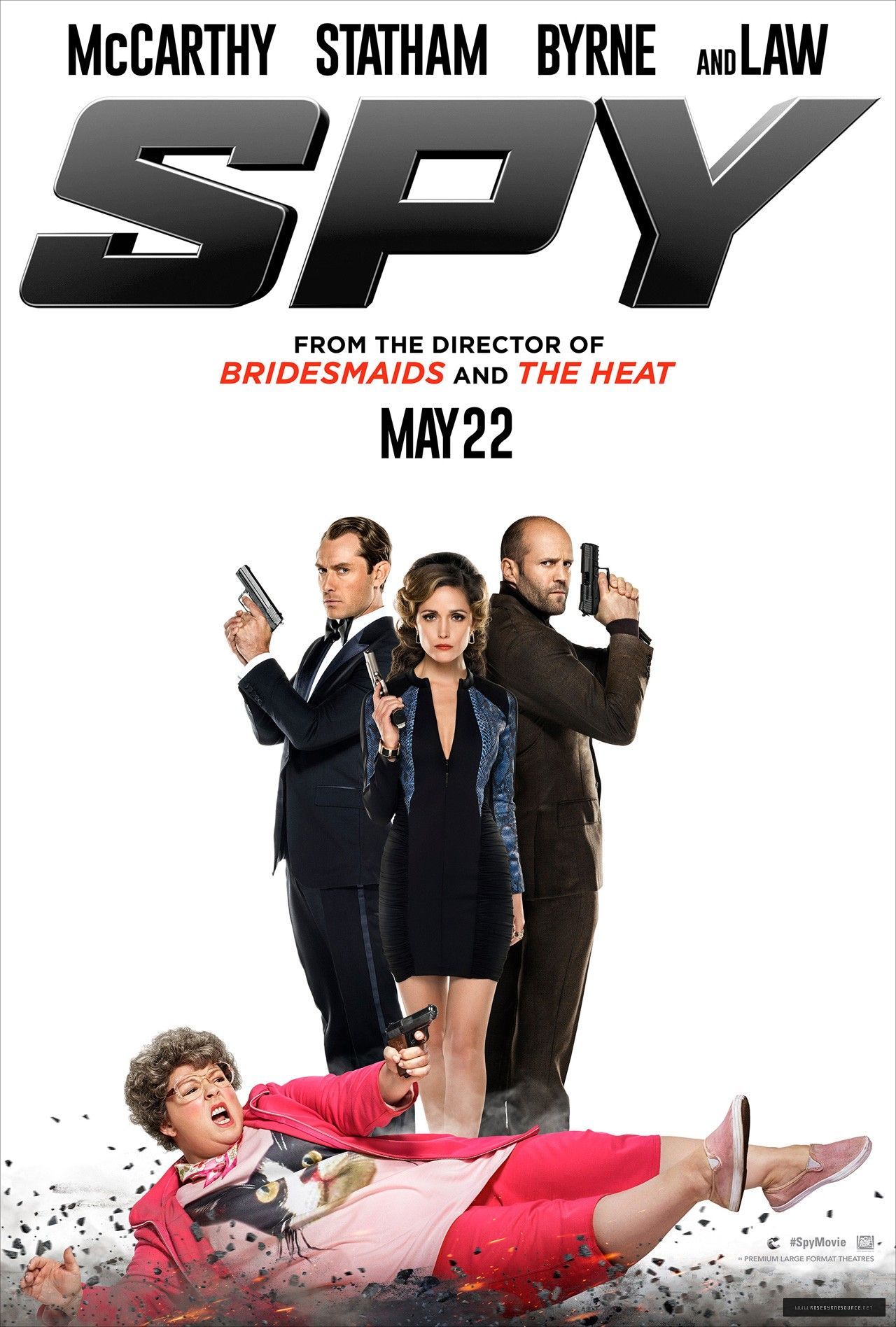
Directed by Paul Feig and starring Melissa McCarthy, Spy revitalized the action-comedy hybrid by subverting traditional spy tropes. McCarthy plays Susan Cooper, a desk-bound CIA analyst who volunteers to go deep undercover to infiltrate a global arms ring after her partner is compromised. Unlike traditional action comedies that rely solely on the protagonist being out of their depth, Spy empowers its lead through genuine competence wrapped in hilarious, chaotic dialogue. Jason Statham also delivers a career-best comedic performance as a hyper-serious, delusional secret agent.
2. Trainwreck
Directed by Judd Apatow and written by and starring Amy Schumer, Trainwreck brought a fresh, sharply observed female perspective to the romantic comedy genre. Schumer plays a commitment-phobic magazine writer whose worldview is challenged when she profiles a charming sports surgeon, played by Bill Hader. The film earned acclaim for tackling themes of modern dating, alcoholism, and emotional vulnerability without sacrificing its aggressive comedic edge, proving that studio rom-coms could successfully pivot toward messy, flawed protagonists.
3. The Big Short
While primarily a biographical drama about the 2008 financial crisis, Adam McKay’s The Big Short utilized radical comedic techniques—such as breaking the fourth wall, celebrity cameos, and absurdist metaphors—to explain complex economic instruments. By having Margot Robbie in a bubble bath or Anthony Bourdain preparing a seafood stew of expired bonds, the film transformed dry mortgage-backed securities into high-velocity, infuriating satire. It stands as a notable example of comedy serving as a weapon of mass instruction.
4. What We Do in the Shadows
Co-directed by Jemaine Clement and Taika Waititi, this New Zealand mockumentary follows a group of traditional vampires sharing a suburban flat in Wellington as they cope with the modern world. Long before its mainstream television adaptation, the 2015 feature film captivated audiences with its dry wit, deadpan delivery, and affectionate parody of classic horror tropes. Its meticulous world-building and relentless visual gags established a new benchmark for modern mockumentary filmmaking.
5. Sisters
Pennated by Paula Pell and directed by Jason Moore, Sisters paired comedy powerhouses Tina Fey and Amy Poehler as estranged siblings who throw one final house party before their parents sell their childhood home. The film relied on the authentic, decades-long chemistry of its leads, contrasting Fey's wild-child persona with Poehler's uptight perfectionism. It offered a raucous, messy celebration of arrested development and sibling loyalty.
6. Tangerine
Director Sean Baker made waves with Tangerine, a fierce, energetic comedy-drama shot entirely on iPhones. The film follows a transgender sex worker navigating Hollywood on Christmas Eve as she searches for her pimp boyfriend who unfaithfully abandoned her. Driven by breakout performances from Kitana Kiki Rodriguez and Mya Taylor, Tangerine infused indie filmmaking with relentless comedic momentum, high-contrast aesthetics, and raw urban realism.
7. Dope
Directed by Rick Famuyiwa, Dope is a vibrant coming-of-age comedy that blends 90s hip-hop nostalgia with contemporary teenage anxieties. Set in a tough Inglewood neighborhood, the story follows a geeky high schooler obsessed with punk rock and comic books who accidentally gets mixed up in a drug-dealing ring. The film earned praise for its energetic pacing, sharp social commentary on identity and race, and a stellar breakout lead performance by Shameik Moore.
8. Vacation
Serving as both a sequel and a soft reboot of the classic National Lampoon franchise, Vacation followed Rusty Griswold (Ed Helms) as he takes his own family on a road trip to Walley World, echoing his childhood misadventures. While polarizing among critics for its gross-out gags, the film represents the mid-2010s studio penchant for legacyquel comedy, testing whether classic IP could adapt to modern sensibilities through escalating absurd set pieces.
9. Get Hard
Directed by Etan Cohen, this buddy comedy paired Will Ferrell as a wealthy hedge fund manager wrongly convicted of fraud with Kevin Hart as a car washer he mistakenly hires to prepare him for prison. While drawing scrutiny for its reliance on broad socio-economic tropes, Get Hard capitalized heavily on the contrasting comedic styles of its stars, highlighting the mid-decade studio reliance on high-energy, pairing-based setups.
10. The Night Before
Directed by Jonathan Levine, The Night Before gave the stoner-comedy subgenre a holiday spin. Starring Joseph Gordon-Levitt, Seth Rogen, and Anthony Mackie as lifelong friends trying to find an elusive, secret Christmas party for one final annual blowout, the film combined heartfelt friendship drama with surreal, drug-fueled set pieces, capturing the bittersweet reality of aging out of youth culture.
Comparative Overview of 2015 Comedies
To better understand how these films varied in style, budget, and reception, the table below categorizes their primary comedic styles and distribution scales.
| Film Title | Primary Comedie Subgenre | Production Scale | Notable Creative Talent |
|---|---|---|---|
| Spy | Action-Comedy / Parody | Studio Blockbuster | Paul Feig, Melissa McCarthy |
| Trainwreck | Romantic Comedy / Satire | Studio Mid-Budget | Judd Apatow, Amy Schumer |
| The Big Short | Satire / Docudrama | Studio Prestige | Adam McKay, Christian Bale |
| What We Do in the Shadows | Mockumentary / Supernatural | Indie / Feature | Taika Waititi, Jemaine Clement |
| Sisters | Ensemble / Slapstick | Studio Mid-Budget | Tina Fey, Amy Poehler |
| Tangerine | Indie Dramedy / Urban | Micro-Budget Indie | Sean Baker, Kitana Kiki Rodriguez |
| Dope | Coming-of-Age / Teen Comedy | Independent | Rick Famuyiwa, Shameik Moore |
| Vacation | Slapstick / Road Trip | Studio Franchise | Jonathan Goldstein, John Francis Daley |
| Get Hard | Buddy Comedy | Studio Release | Etan Cohen, Will Ferrell, Kevin Hart |
| The Night Before | Stoner / Holiday Comedy | Studio Release | Jonathan Levine, Seth Rogen |
Common Themes and Shifts in 2015 Humor
Looking across these ten releases, several thematic and structural patterns emerge that define the comedic output of 2015.
Subversion of Traditional Stereotypes
A major hallmark of 2015 comedies was the active dismantling of traditional archetype casting. Spy took the physically imposing action hero archetype and placed an unassuming, relatable desk worker in the spotlight, allowing her competence to drive the narrative rather than her physical intimidation. Similarly, Trainwreck rejected the pristine, idealized romantic comedy heroine in favor of a messy, deeply flawed protagonist navigating the realities of modern intimacy.
The Rise of Hybrid Genres
Pure, unadulterated slapstick or romantic comedy took a backseat in 2015 to hybrid formulas. The Big Short proved that complex financial mechanics could be paired with rapid-fire fourth-wall-breaking comedy. What We Do in the Shadows married mundane domestic sitcom structures with gothic horror lore. This hybridization allowed filmmakers to reach broader audiences by layering humor onto educational, thrilling, or dramatic foundations.
Frequently Asked Questions
What made 2015 a unique year for comedy movies?
2015 stood out because it bridged traditional studio R-rated ensemble comedies with innovative indie projects shot on unconventional equipment, such as Tangerine, alongside high-concept satires like The Big Short. This diversity showed that comedy could thrive across wildly different budgets and formats.
Were there any major box office breakout comedies in 2015?
Yes, films like Spy and Trainwreck performed exceptionally well at the global box office, proving that female-led comedies could command massive commercial appeal and critical acclaim simultaneously.
How did independent comedies differ from studio releases in 2015?
Independent comedies like What We Do in the Shadows and Tangerine relied heavily on high-concept premises, improvisational energy, and low-cost digital innovation, whereas studio releases relied on star power, large production budgets, and established intellectual property.
Did any 2015 comedies win major awards?
While comedies traditionally struggle to win top Academy Awards, The Big Short won the Academy Award for Best Adapted Screenplay and received multiple nominations, successfully leveraging its comedic delivery to explain a dense historical event.
Are these 2015 comedies still culturally relevant?
Many of these films have achieved cult status or influenced subsequent filmmaking. For instance, What We Do in the Shadows spawned a critically acclaimed television franchise, and The Big Short established a distinctive cinematic style for explaining complex institutional systems that directors continue to emulate.
Final Recommendation
When revisiting the comedy landscape of 2015, viewers looking for pure cinematic escapism combined with sharp writing should start with Spy for its brilliant action subversion or What We Do in the Shadows for peerless deadpan wit. For those seeking something more structurally daring, The Big Short remains an essential masterclass in using humor as a tool for urgent social critique.