The November 5, 2021, Astroworld Festival tragedy at NRG Park in Houston, Texas, resulted in 10 deaths due to compressive asphyxiation during a fatal crowd crush. The mass casualty event during Travis Scott's performance exposed severe systemic failures in crowd management, emergency planning, venue design, and event communication.
Introduction to the Astroworld Festival 2021 Tragedy
Music festivals are designed as spaces of collective joy, cultural expression, and shared community. However, when foundational safety protocols fail, large-scale live events can transform into catastrophic environments. The Astroworld Festival, founded by American rapper Travis Scott in 2018, was envisioned as a multi-day homecoming celebration in Houston, Texas. By 2021, the festival had expanded into a major cultural fixture, drawing tens of thousands of attendees to NRG Park.
The events of November 5, 2021, forever changed the landscape of modern live event production. What began as an anticipated concert descended into a mass casualty incident when a massive crowd surge overwhelmed the venue's physical barriers and security infrastructure. Ten individuals lost their lives, ranging in age from 9 to 27 years old, while hundreds more sustained physical injuries. The incident prompted sweeping investigations by local law enforcement, federal safety agencies, and independent journalists. Understanding the 10 deaths at Astroworld 2021 requires an objective examination of crowd dynamics, operational missteps, emergency response bottlenecks, and the structural changes that have since reshaped the live entertainment industry.
Chronology of Events on November 5, 2021
To comprehend how a music festival deteriorated into a fatal crowd crush, it is necessary to examine the precise timeline of operations, crowd density escalation, and communication breakdowns throughout the day.
Early Access and Venue Ingress Failures
Problems at Astroworld 2021 began long before the evening headlining set. Hours before the gates officially opened, thousands of eager ticket holders gathered outside the perimeter fences at NRG Park. Social media hype, high-demand merchandise, and general excitement created an intense atmosphere. When venue gates opened, security and ticketing infrastructure proved entirely inadequate for the volume of arrivals.
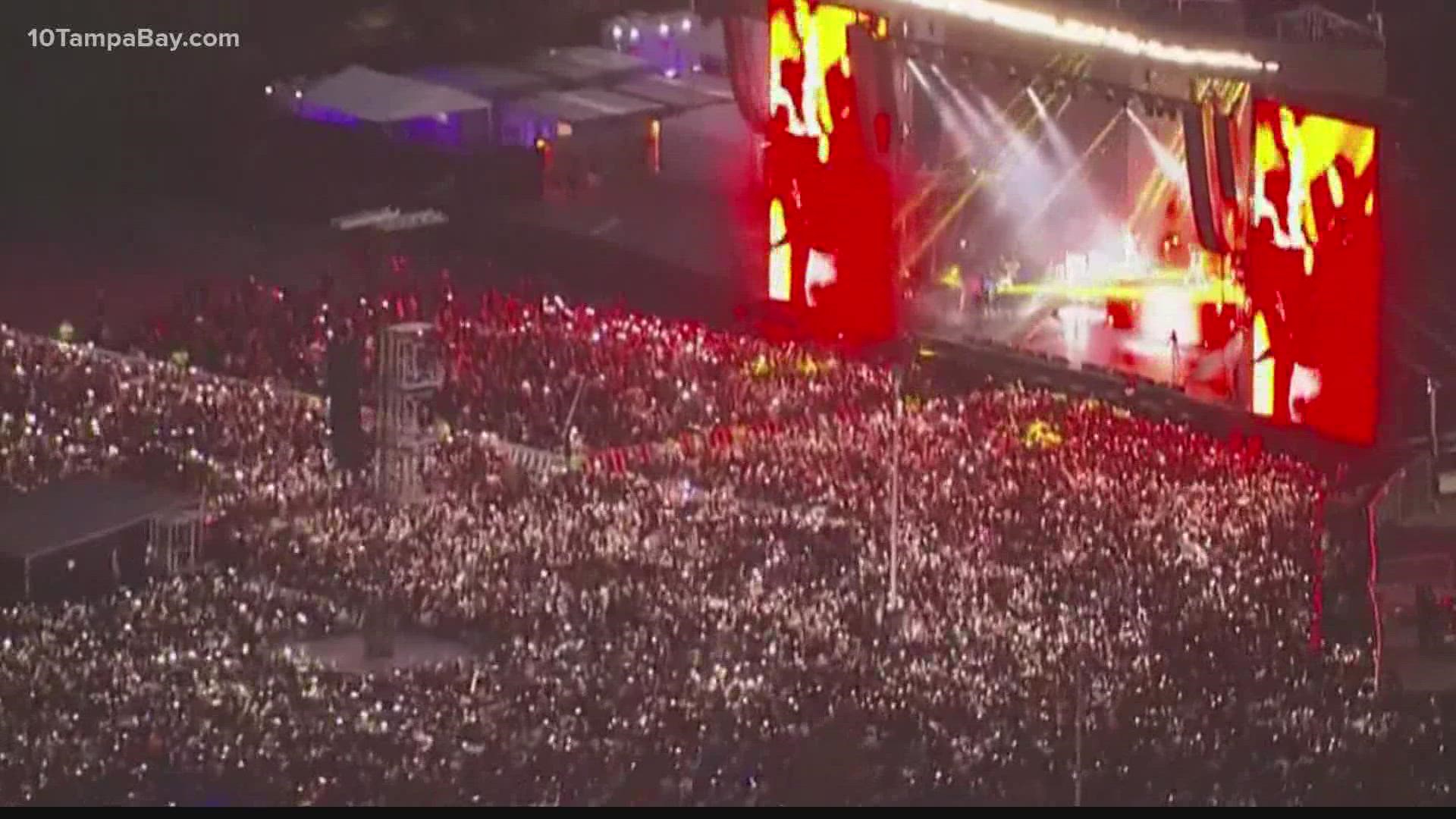
Crowds bypassed security checkpoints by pushing through metal magnetometer arches, leaping over barricades, and overwhelming understaffed gate personnel. This unmonitored ingress created a severe population imbalance inside the venue. Areas near the main stages filled far beyond their intended capacity hours before Travis Scott took the stage, setting the physical stage for the overcrowding that followed.
The Fatal Crowd Surge and Compression Wave
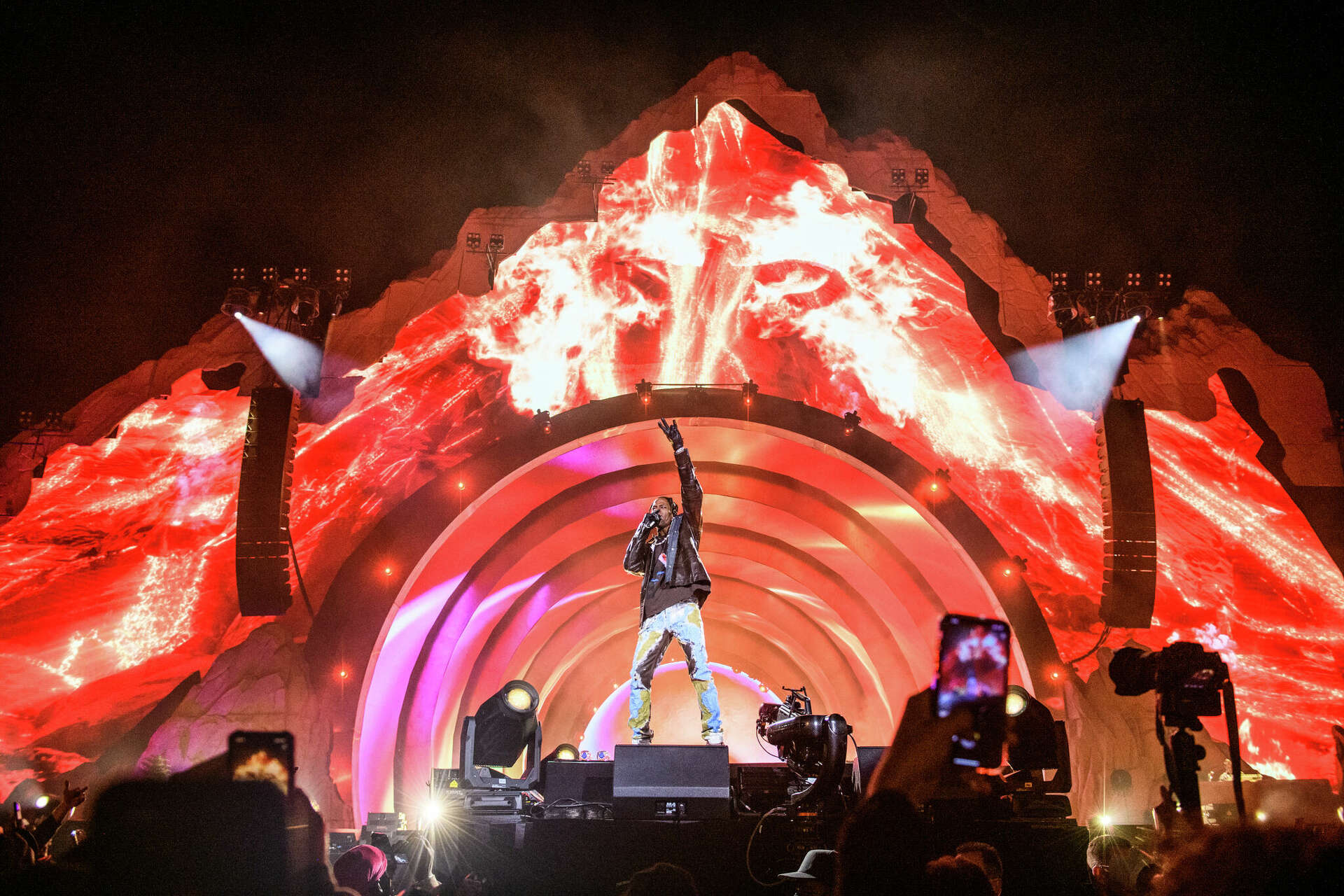
As dusk fell and the festival neared its climax, crowd density in the main general admission area reached dangerous levels. When Travis Scott took the stage at approximately 9:00 PM, the physical pressure within the audience intensified exponentially. Attendees caught in the middle of the crowd reported being lifted off their feet, squeezed so tightly that expansion of the chest cavity became impossible, and swept forward by an unstoppable human wave.
This phenomenon, known scientifically as progressive crowd collapse or compressive asphyxiation, occurs when lateral forces from a moving mass compress individuals against one another or against physical structures, such as camera towers and steel barricades. Once a person falls in such an environment, the surrounding pressure prevents them from standing back up, and subsequent waves of people step on or press against them.
Delayed Show Stoppage and Communication Breakdown
A critical factor in the severity of the incident was the prolonged duration between the onset of the crisis and the termination of the performance. Festival attendees, exhausted and terrified, attempted to alert production staff, camera operators, and security guards that individuals were being crushed and dying beneath the surface of the crowd.
Numerous concertgoers climbed onto elevated camera platforms, shouting and waving their arms to signal the crew. While some security personnel attempted to pull individuals out of the dense crowd, the overall command structure failed to recognize the scale of the emergency. The performance continued for roughly 37 minutes after local authorities officially classified the event as a "mass casualty incident" at 9:38 PM. The lack of direct communication channels between field security, medical tents, and the headlining artist's production booth meant that vital situational awareness did not reach decision-makers in real time.
Verified Demographics of the Victims
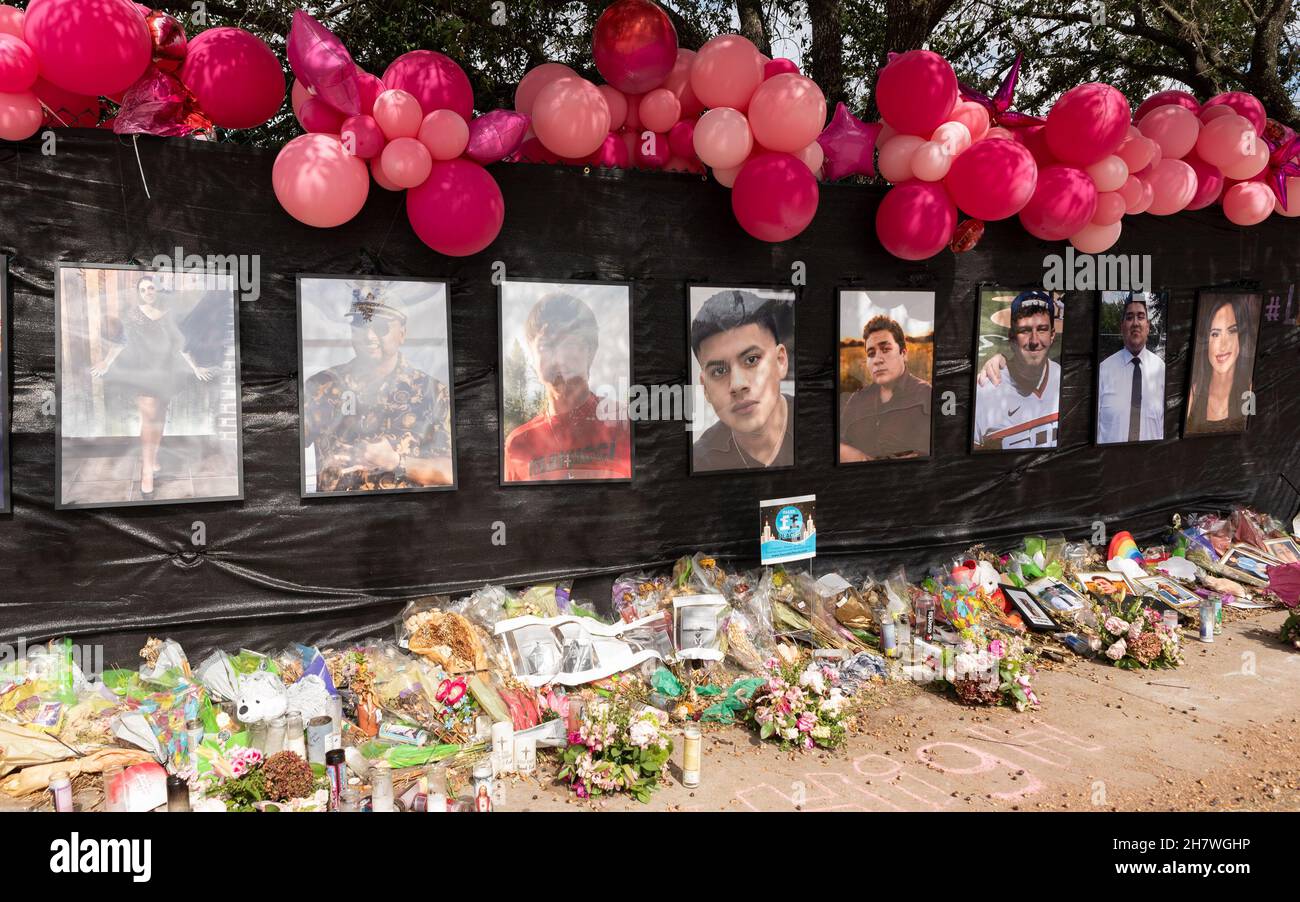
The 10 individuals who died at Astroworld Festival 2021 suffered fatal compressive asphyxiation. The victims represent a cross-section of young music fans whose lives were cut short.
| Name | Age | Hometown | Primary Cause of Death |
|---|---|---|---|
| Ezra Blount | 9 | Dallas, Texas | Compressive Asphyxiation |
| John Hilgert | 14 | Houston, Texas | Compressive Asphyxiation |
| Brianna Rodriguez | 16 | Houston, Texas | Compressive Asphyxiation |
| Franco Patino | 21 | Naperville, Illinois | Compressive Asphyxiation |
| Jacob Jurinek | 20 | Naperville, Illinois | Compressive Asphyxiation |
| Axel Acosta | 21 | Washington, D.C. | Compressive Asphyxiation |
| Rudy Peña | 23 | Laredo, Texas | Compressive Asphyxiation |
| Madison Dubiski | 23 | Houston, Texas | Compressive Asphyxiation |
| Bharti Shahani | 22 | Carrollton, Texas | Compressive Asphyxiation |
| DaJazia Hutchinson | 20 | Houston, Texas | Compressive Asphyxiation |
The youngest victim, nine-year-old Ezra Blount, suffered severe internal injuries after being trampled during the crush and succumbed to his injuries days later in the hospital. The diversity of hometowns—spanning from local Houston neighborhoods to Illinois and Washington, D.C.—demonstrated the national draw of the festival brand.
Regulatory, Legal, and Forensic Findings
In the aftermath of the tragedy, multiple entities launched exhaustive investigations to determine liability and systemic flaws. These included the Houston Police Department, the Occupational Safety and Health Administration (OSHA), and independent congressional committees.
Law Enforcement and Fire Department Investigations
The Houston Police Department conducted a months-long criminal investigation into the event planning and execution. In June 2022, a Texas grand jury declined to issue criminal indictments against Travis Scott, festival promoter Live Nation, or individual organizers, determining that criminal intent under Texas law could not be established beyond a reasonable doubt.
However, administrative and operational reports highlighted severe organizational negligence. According to official reports, the festival's comprehensive operations plan—a document required for large-scale permits—was over 50 pages long but lacked actionable execution details. Specifically, the plan failed to outline clear protocols for halting the show during an emergency, neglected to establish reliable radio communication frequencies between police and private security, and under-allocated trained medical personnel for a crowd of over 50,000 people.
Civil Litigation and Legal Settlements
While criminal charges were not brought, the civil legal landscape involved thousands of plaintiffs. Families of the deceased and hundreds of injured attendees filed consolidated lawsuits against Live Nation, Travis Scott, ScoreMore Shows, NRG Park operators, and various security subcontractors.
The legal arguments centered on gross negligence, inadequate venue design, failure to properly train security personnel, and the incitement of unruly behavior. Over the course of 2022, 2023, and 2024, the majority of these civil lawsuits were resolved through confidential out-of-court financial settlements. Promoters and corporate entities sought to mitigate prolonged litigation, though accountability debates regarding corporate responsibility versus individual artist liability remained contentious.
Systemic Failures in Modern Concert Production
The Astroworld disaster exposed vulnerabilities inherent in contemporary live event production, particularly within high-energy genres like hip-hop, electronic dance music, and rock, where audience mosh pits and surging are culturally normalized.
Crowd Management and Barricade Design
Traditional festival layouts often rely on linear barricades that channel crowds toward a single focal point. When too many people enter a confined space, the physical design creates a funnel effect. Modern safety science emphasizes "sub-pitting" and wave-breaker barricades—internal fences placed at intervals within the general admission floor that divide the audience into smaller, isolated compartments. This compartmentalization prevents the transmission of pressure waves from the back of the venue to the front. At Astroworld 2021, these compartmentalization measures were either absent or overwhelmed by the sheer density of attendees.
Medical Infrastructure and Triage Bottlenecks
Emergency medical services (EMS) at large music festivals require dedicated ingress and egress lanes, highly visible triage tents, and roaming bicycle medics capable of navigating dense crowds. At Astroworld, medical tents were reported to be understaffed, poorly equipped, and difficult to reach due to the blocked pathways caused by the overcrowding. Furthermore, private medical staff lacked the direct radio communication links needed to relay emergency conditions to local municipal emergency services operating outside the perimeter.
Industry Reforms and Post-2021 Safety Standards
The tragedy served as a watershed moment for the live entertainment industry, prompting regulatory bodies, promoters, and trade associations to overhaul safety protocols worldwide.
- Mandatory Show-Stop Protocols: Major booking agencies and festival promoters established explicit, unambiguous chains of command authorizing security leads or production managers to cut audio and visual feeds instantly if crowd safety is compromised, independent of the performing artist's consent.
- Standardized Crowd Monitoring: Deployment of real-time density tracking tools, including drone surveillance, elevated spotter towers, and computerized thermal imaging to measure crowd spacing and alert command centers before crush conditions materialize.
- Enhanced Licensing and Permitting: Municipalities across the United States instituted stricter vetting processes for large outdoor gatherings, requiring independent safety audits, mandatory police-security liaison briefings, and proof of adequate medical staffing ratios prior to permit issuance.
Frequently Asked Questions
What caused the deaths at Astroworld Festival 2021?
All 10 deaths were officially ruled as accidental compressive asphyxiation. This occurs when an extremely dense crowd exerts immense lateral pressure on individuals, restricting their chest walls so they cannot expand their lungs to breathe.
Was Travis Scott held criminally liable?
No. In June 2022, a Texas grand jury declined to indict Travis Scott or other festival organizers on criminal charges, concluding that the legal standard for criminal negligence or recklessness under Texas law was not met. However, numerous civil lawsuits were filed and subsequently settled out of court.
How many people were injured during the event?
In addition to the 10 fatalities, hundreds of attendees were treated on-site for injuries ranging from crush-related trauma and broken bones to panic attacks and exhaustion. Dozens were transported to local Houston hospitals via ambulances.
What changes have been made to music festivals since Astroworld?
The live entertainment industry has widely adopted stricter safety standards, including mandatory emergency show-stop protocols, improved radio communication between private security and municipal emergency services, enhanced medical staffing ratios, and redesigned crowd barriers to prevent dangerous funneling.
Who owned and promoted the Astroworld Festival?
The festival was promoted by Live Nation Entertainment through its subsidiary ScoreMore Shows, in collaboration with Travis Scott and his production team, and held on property managed by Harris County Sports & Convention Corporation at NRG Park.
Practical Guidance for Concertgoers
While primary responsibility for safety rests with event organizers, venues, and security personnel, festival attendees can protect themselves and others by understanding crowd dynamics.
- Identify Exits and Medical Tents: Upon entering any large venue, take a few minutes to locate perimeter exits, security towers, and medical stations.
- Recognize Crowd Compression: If you feel your feet lifting off the ground or find yourself unable to move your arms freely due to surrounding pressure, do not fight the current. Turn sideways to protect your chest, keep your hands up near your face to maintain an air pocket, and angle diagonally toward the edge of the crowd.
- Assist Fallen Peers: If someone trips or falls near you in a crowd, immediately attempt to pull them up. In a crowd surge, a fallen individual acts as an anchor that triggers a cascading pileup.
- Report Emergencies Clearly: If you witness a medical emergency or dangerous crushing, flag down the nearest security guard, venue staff member, or police officer immediately with specific location markers.