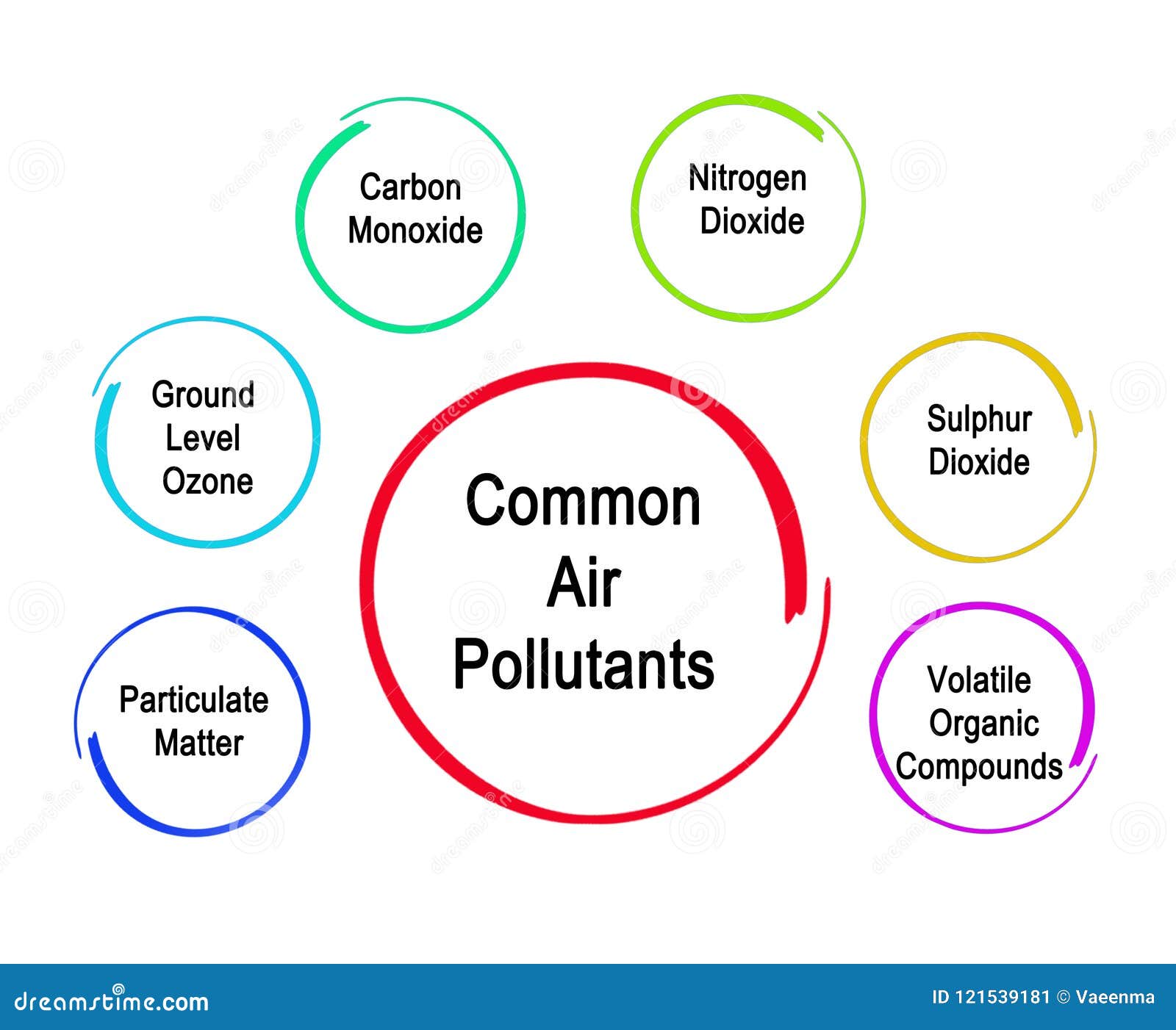
Understanding environmental threats begins with identifying specific 10 common pollutant examples to watch, ranging from microscopic particulate matter and greenhouse gases to heavy metals and microplastics that degrade air, water, and soil quality globally.
Environmental pollution remains one of the most pressing challenges of the modern era, impacting everything from local municipal water supplies to global climate stability. While the term "pollution" often evokes images of thick industrial smoke or massive oil spills, many of the most dangerous pollutants are invisible, odorless, or embedded within everyday consumer products and industrial processes. Monitoring these hazards requires a clear understanding of what they are, how they enter the environment, and the specific risks they pose to human health and ecosystems.
Understanding Pollution and Exposure Pathways
To effectively monitor and mitigate environmental risks, it is necessary to understand how pollutants move through and interact with the environment. Pollution occurs when natural or synthetic substances are introduced into the environment at levels that cause harm, disrupt ecological balance, or present health hazards to living organisms.
Pollutants generally travel through three primary media: air, water, and soil.
- Airborne pathways involve inhalation or atmospheric deposition, where gases and fine particulates travel vast distances before settling on land or water.
- Waterborne pathways affect aquatic life and human populations through drinking water contamination, agricultural runoff, and industrial discharge.
- Soil pathways involve the direct absorption of toxins by crops, livestock, and local groundwater reserves.
Exposure routes also vary significantly. Humans and wildlife may absorb pollutants through direct inhalation, ingestion of contaminated food and water, or dermal absorption through contact with soil and surface water. Understanding these pathways allows environmental agencies, public health officials, and concerned citizens to target interventions effectively.
10 Common Pollutant Examples to Watch
1. Fine Particulate Matter ($PM_{2.5}$ and $PM_{10}$)
Particulate matter consists of tiny solid particles and liquid droplets suspended in the air. While $PM_{10}$ includes dust, pollen, and mold, $PM_{2.5}$ refers to fine particles measuring less than 2.5 micrometers in diameter. These microscopic particles are generated by vehicle exhaust, industrial combustion, wildfires, and power plants.
Because of their minuscule size, $PM_{2.5}$ particles bypass the body’s natural defense mechanisms in the nose and throat, penetrating deep into the lungs and entering the bloodstream. Long-term exposure is linked to chronic bronchitis, reduced lung function, aggravated asthma, and cardiovascular events such as heart attacks and strokes. Regulatory bodies monitor these levels daily, issuing air quality alerts when concentrations exceed safe thresholds.
2. Carbon Dioxide ($CO_2$) and Greenhouse Gases
Carbon dioxide, methane ($CH_4$), and nitrous oxide ($N_2O$) are naturally occurring gases that regulate the Earth's temperature through the greenhouse effect. However, human activities—primarily the combustion of fossil fuels, industrial manufacturing, and intensive agriculture—have dramatically accelerated their accumulation in the atmosphere.
While $CO_2$ is not a toxic poison in the traditional sense, its unchecked concentration drives global climate change, sea-level rise, ocean acidification, and an increase in extreme weather events. Methane, released during livestock digestion, natural gas extraction, and landfill decomposition, possesses a significantly higher short-term warming potential, making it a critical focus for immediate emissions reduction.
3. Ground-Level Ozone ($O_3$)
Unlike the protective ozone layer found in the stratosphere, ground-level ozone is a secondary pollutant formed when volatile organic compounds (VOCs) and nitrogen oxides ($NO_x$) chemically react in the presence of sunlight. This process makes urban smog particularly severe during hot, sunny summer days.
Inhaling ground-level ozone can trigger a variety of health problems, including chest pain, coughing, throat irritation, and airway inflammation. It can also reduce lung function and worsen bronchitis, emphysema, and asthma, making it especially dangerous for children, outdoor laborers, and elderly populations.
4. Polycyclic Aromatic Hydrocarbons (PAHs)
Polycyclic aromatic hydrocarbons are a class of chemicals that occur naturally in coal, crude oil, and gasoline. They also result from the incomplete combustion of organic matter, such as wood, tobacco, charbroiled meat, and fossil fuels.
PAHs are persistent environmental contaminants. In urban areas, vehicle exhaust and home heating systems contribute significantly to atmospheric PAH levels. Certain PAHs are classified as known or suspected human carcinogens, capable of causing DNA damage and increasing the risk of lung, skin, and bladder cancers following chronic exposure.
5. Microplastics and Nanoplastics
Microplastics are plastic fragments smaller than 5 millimeters in length, originating from the breakdown of larger plastic debris or manufactured as microbeads for cosmetics and industrial applications. Nanoplastics are even smaller, measuring less than 1 micrometer.
These particles have permeated virtually every ecosystem on Earth, from deep-ocean trenches to remote mountain snowpacks. They enter the human food chain primarily through seafood, contaminated drinking water, and air inhalation. Beyond physical blockages in aquatic organisms, microplastics can leach chemical additives and absorb heavy metals, acting as a delivery vehicle for toxic compounds into living tissues.
6. Per- and Polyfluoroalkyl Substances (PFAS)
Often referred to as "forever chemicals," PFAS are a large group of synthetic chemicals used since the 1940s in products that resist heat, oil, stains, and water. Common applications include non-stick cookware, waterproof clothing, food packaging, and aqueous firefighting foams.
PFAS are extremely persistent in the environment and the human body, earning their moniker because they do not degrade naturally. Exposure to high levels of PFAS—frequently through contaminated municipal drinking water near manufacturing plants or military bases—has been linked to elevated cholesterol levels, liver damage, decreased vaccine response in children, and increased risks of kidney and testicular cancer.
7. Heavy Metals (Lead, Mercury, and Cadmium)
Heavy metals are metallic elements with a high density that are toxic at low concentrations. Lead, mercury, and cadmium are among the most hazardous examples found in industrial emissions, electronic waste, old plumbing infrastructure, and battery manufacturing.
- Lead exposure, often historically linked to lead-based paint and older water pipes, can severely impact neurological development in children and cause cardiovascular issues in adults.
- Mercury accumulates in aquatic food webs, particularly in large predatory fish like tuna and swordfish, posing risks to the human nervous system and developing fetuses.
- Cadmium contaminates soil through phosphate fertilizers and industrial runoff, accumulating in crops and damaging kidney function over time.
8. Nitrate and Phosphate Agricultural Runoff
Nitrates and phosphates are essential nutrients used extensively in chemical fertilizers and animal manure to boost agricultural yields. However, excess nutrients wash off fields during heavy rains and enter rivers, lakes, and coastal estuaries.
This nutrient overload triggers rapid algae blooms—a process known as eutrophication. As the massive quantities of algae die and decompose, they consume dissolved oxygen in the water, creating expansive hypoxic zones or "dead zones" where fish and other aquatic life cannot survive. High nitrate levels in drinking water wells can also cause methemoglobinemia (blue baby syndrome) in infants.
9. Volatile Organic Compounds (VOCs)
Volatile organic compounds are organic chemicals that possess a high vapor pressure at ordinary room temperature, causing large numbers of molecules to evaporate and enter the surrounding air. They are emitted from a wide array of products, including paints, varnishes, cleaning supplies, adhesives, permanent markers, and new building materials.
While outdoor VOCs contribute to photochemical smog, indoor VOC concentrations can be up to ten times higher than outdoor levels. Short-term exposure can cause eye, nose, and throat irritation, headaches, and dizziness, while long-term exposure may damage the liver, kidneys, and central nervous system.
10. Endocrine-Disrupting Chemicals (EDCs)
Endocrine-disrupting chemicals are natural or synthetic compounds that interfere with the endocrine (hormone) system of humans and wildlife. This category includes substances like bisphenol A (BPA), phthalates, certain pesticides (such as DDT), and dioxins found in industrial waste.
EDCs can mimic natural hormones, block hormone receptors, or alter the synthesis and breakdown of hormones in the body. Even at low exposure levels, EDCs have been linked to reproductive abnormalities, developmental delays in children, metabolic disorders, and altered immune function across numerous wildlife species and human populations.
Comparison of Common Pollutants and Their Primary Sources
| Pollutant Category | Primary Sources | Environmental Medium | Principal Health or Ecological Impact |
|---|---|---|---|
| Fine Particulate Matter ($PM_{2.5}$) | Vehicle exhaust, industrial combustion, wildfires | Air | Respiratory distress, cardiovascular disease, reduced lung function |
| Greenhouse Gases ($CO_2$, $Methane$) | Fossil fuel burning, agriculture, landfills | Atmosphere | Global climate change, ocean acidification, extreme weather |
| Ground-Level Ozone ($O_3$) | Chemical reaction of $NO_x$ and VOCs in sunlight | Air | Airway inflammation, aggravated asthma, crop damage |
| Polycyclic Aromatic Hydrocarbons | Wood smoke, vehicle emissions, charbroiled food | Air and Soil | Carcinogenic risks, cellular and DNA damage |
| Microplastics | Breakdown of plastics, synthetic clothing, cosmetics | Water, Soil, Air | Ingestion by wildlife, vector for chemical toxins |
| PFAS ("Forever Chemicals") | Non-stick cookware, firefighting foam, waterproof gear | Water and Soil | Bioaccumulation, liver damage, increased cancer risk |
| Heavy Metals (Lead, Mercury) | Industrial waste, old plumbing, electronic waste | Water and Soil | Neurological damage, kidney dysfunction, developmental delays |
| Nitrates and Phosphates | Agricultural fertilizers, livestock waste | Water | Eutrophication, aquatic dead zones, drinking water contamination |
| Volatile Organic Compounds | Paints, cleaning supplies, building materials | Indoor Air | Headaches, respiratory irritation, chronic organ damage |
| Endocrine-Disrupting Chemicals | Plastics (BPA, phthalates), pesticides, industrial runoff | Water, Food, Products | Hormonal imbalances, reproductive disorders, developmental issues |
Mitigation Strategies and Practical Monitoring
Addressing environmental pollution requires a combination of individual awareness, industrial regulation, and technological innovation. Monitoring personal and community exposure involves several actionable steps:
- Check Air Quality Indices (AQI): Utilize local environmental protection agency websites or mobile applications to review daily $PM_{2.5}$ and ozone levels before planning outdoor activities.
- Test Drinking Water: Homeowners utilizing private wells or older municipal plumbing should periodically test water samples for lead, nitrates, and bacterial contaminants using certified laboratories.
- Minimize Indoor VOC Exposure: Choose low-VOC or zero-VOC paints, varnishes, and household cleaners, and ensure adequate ventilation when using chemicals indoors.
- Filter Air and Water: Install high-efficiency particulate air (HEPA) filters in home HVAC systems and certified carbon or reverse osmosis water filters to reduce ingestion of microparticles and chemical residues.
- Support Regulatory Compliance: Advocate for strict municipal and national emissions standards, responsible industrial waste disposal, and sustainable agricultural nutrient management.
Frequently Asked Questions
What is the difference between primary and secondary pollutants?
Primary pollutants are emitted directly from identifiable sources, such as carbon monoxide from car tailpipes or sulfur dioxide from coal-fired power plants. Secondary pollutants, such as ground-level ozone, are not emitted directly; rather, they form when primary pollutants undergo chemical reactions in the atmosphere driven by sunlight or interaction with other elements.
How can I check the pollutant levels in my local tap water?
Municipal water suppliers are legally required to provide an annual Consumer Confidence Report (CCR) detailing local water quality and contaminant test results. If you rely on a private well, you should collect samples and submit them to a state-certified testing laboratory annually to screen for heavy metals, bacteria, and nitrates.
Are indoor pollutants more dangerous than outdoor pollutants?
According to environmental health studies, indoor air pollution can frequently pose a higher immediate risk than outdoor pollution because indoor spaces concentrate volatile organic compounds, dust mites, pet dander, mold spores, and combustion byproducts in tightly sealed environments with limited air exchange.
What are the main health risks associated with PFAS exposure?
Per- and polyfluoroalkyl substances do not break down easily and accumulate in human tissue over time. Prolonged exposure has been linked by health agencies to increased cholesterol levels, changes in liver enzymes, smaller birth weights, decreased antibody responses to vaccines, and heightened risks of kidney and testicular cancers.
How do microplastics enter the human body?
Microplastics enter the human body primarily through the ingestion of contaminated seafood, drinking water (both bottled and tap), and the accidental inhalation of airborne synthetic dust particles shed from textiles, car tires, and consumer packaging.
Final Recommendation
Mitigating the risks posed by common environmental pollutants begins with vigilance at the household and community levels. Regularly check local air quality indexes, test your drinking water if you suspect contamination from legacy plumbing or agricultural runoff, and minimize indoor exposure to volatile organic compounds by selecting certified low-emission products. By understanding these specific hazards, you can make informed choices to protect your health and reduce your environmental footprint.