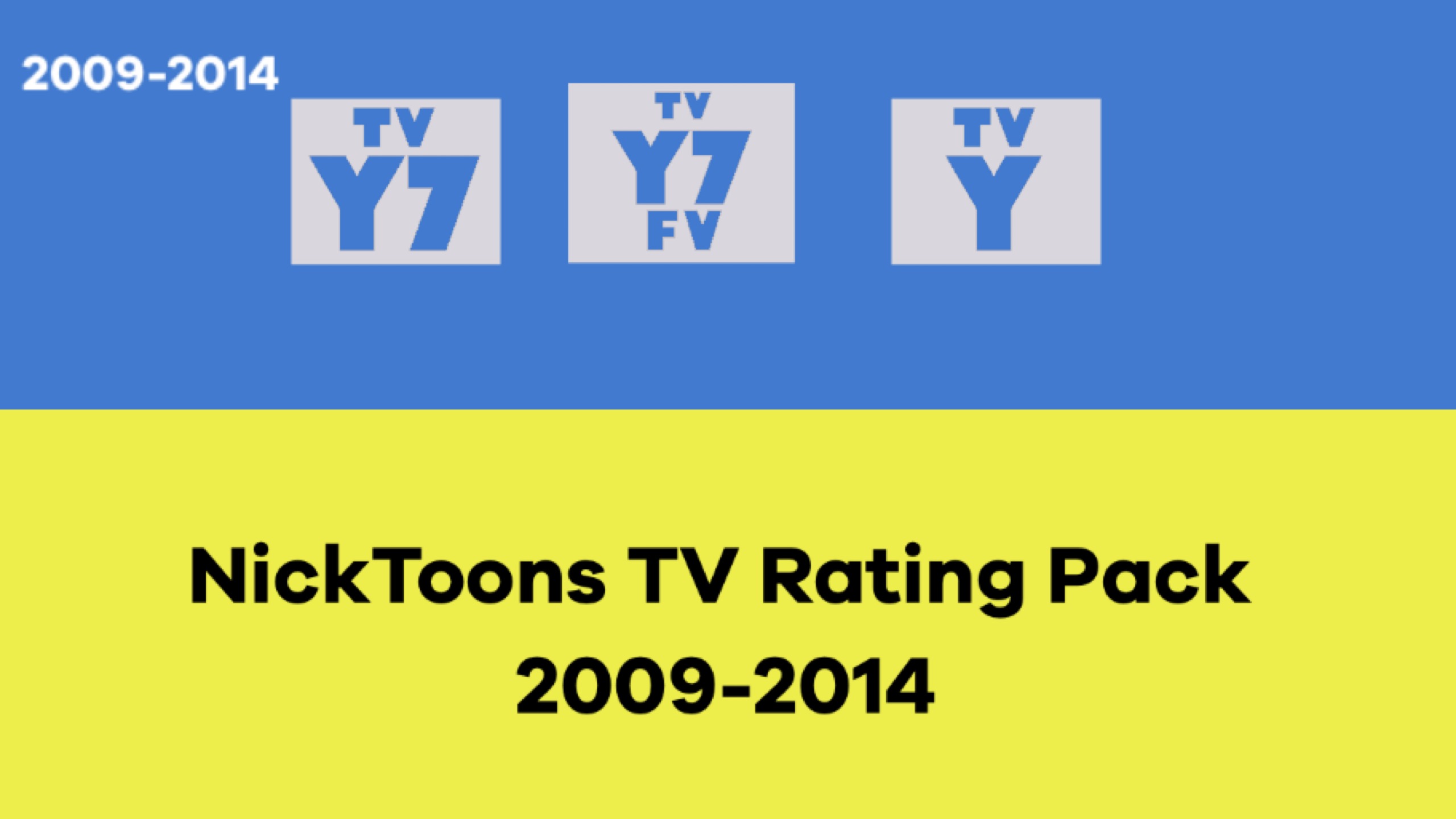
The TV-Y7-FV rating on Nicktoons signifies that a program is designed for children age seven and older and contains "fantasy violence," which may be more intense or combative than standard children's programming. This rating helps parents identify content that features stylized or unrealistic conflict, distinguishing it from programs suitable for all ages or those requiring a higher maturity level.
The Origin and Structure of TV Parental Guidelines
To understand the TV-Y7-FV designation, it is essential to first understand the broader framework of the TV Parental Guidelines. Established in 1996 and implemented in 1997, these guidelines were created by the television industry to provide parents with information about the age-appropriateness and content of television programs. The system was designed as a cooperative effort between broadcasters, cable networks, and parent advocacy groups to ensure that households had a standardized way to evaluate content before viewing.
The system is split into two primary categories: programs designed for children and programs designed for a general audience. The "Y" category refers to "Youth," indicating content created specifically for younger viewers. Within the youth category, there are two tiers: TV-Y (All Children) and TV-Y7 (Directed to Older Children). The suffix "FV" is a specific content descriptor that only attaches to the TV-Y7 rating.
Defining TV-Y7: Directed to Older Children
A program rated TV-Y7 is intended for children age seven and older. At this developmental stage, children are typically capable of distinguishing between reality and fantasy. They have a broader understanding of complex narratives, nuanced character motivations, and the difference between playful interaction and genuine malice.
When a network like Nicktoons categorizes a show as TV-Y7, it implies that the themes, pacing, and vocabulary are tailored to a school-aged audience. These shows may feature slightly more sophisticated plot lines than those found in pre-school programming (TV-Y), which focuses on repetition, clear moral lessons, and slow-paced visual storytelling. While a TV-Y7 show might be engaging for younger children, the intended audience is children who are beginning to navigate elementary school socialization.
What "FV" Specifically Means: Fantasy Violence
The "FV" stands for "Fantasy Violence." This is arguably the most misunderstood aspect of the ratings system. Fantasy violence refers to a level of aggression that is clearly detached from reality. It involves cartoonish combat, magical battles, or superhuman conflicts that would not occur in the real world.
Crucially, the "FV" tag is not used for realistic violence, gore, or graphic imagery. Instead, it is used when a program contains combat that is stylized to a degree where a reasonable child would recognize it as "make-believe." This includes:
- Supernatural Abilities: Characters using magic, elemental powers, or energy blasts.
- Cartoon Physics: Objects or characters being flattened, stretched, or sent flying in a way that defies biological reality.
- Non-Realistic Combat: Fights that involve robots, aliens, or mythical creatures where the consequences of the conflict are minimized or treated as part of the narrative game.
For many Nicktoons viewers, this is the bread and butter of their favorite series—heroes saving the world through elaborate, non-harmful battles. The "FV" tag serves as a warning that while the content is not "real" violence, it is more active and potentially more startling than a program without such elements.
Why Nicktoons Uses This Rating
Nicktoons, as a network, carries a diverse library of animation ranging from slapstick comedy to action-adventure series. Shows categorized as TV-Y7-FV are often the action-oriented programs where the plot revolves around a hero's journey or a confrontation between good and evil.
The network utilizes this rating to maintain a balance between providing exciting entertainment and fulfilling its commitment to child-appropriate programming. By applying the TV-Y7-FV label, Nicktoons allows parents to differentiate between, for example, a slower-paced show about daily life and an action-heavy show where characters engage in constant, stylized combat. It is a transparency tool that respects the diversity of parental comfort levels regarding what constitutes "too much" action for their specific child.
Comparing Rating Categories for Children’s TV
Understanding the spectrum of ratings helps clarify why the TV-Y7-FV tag exists. The table below illustrates how these ratings differ based on content and age appropriateness.
| Rating | Definition | Key Characteristics |
|---|---|---|
| TV-Y | All Children | Suitable for all ages; no material that would be frightening. |
| TV-Y7 | Older Children | Directed to children 7+; may contain mild, non-realistic fantasy. |
| TV-Y7-FV | Older Children (FV) | Specifically includes stylized fantasy violence. |
| TV-G | General Audience | Suitable for all ages; not specifically for children, but family-safe. |
| TV-PG | Parental Guidance | May contain material that some parents may find unsuitable for younger children. |
How Parents Can Use the Rating
The TV-Y7-FV rating should be viewed as a starting point for parental involvement, not as an absolute final word. Because children develop at different rates, what one seven-year-old finds exciting, another might find intense or overwhelming.
- Co-Viewing: The most effective way to gauge if a TV-Y7-FV show is right for your child is to watch the first few episodes together. Observe how your child reacts to the combat scenes. Are they mimicking the behavior? Are they visibly stressed or frightened?
- Contextual Discussion: Use the "fantasy" aspect of the violence to your advantage. Remind your child that the characters are powered by magic or technology that doesn't exist in the real world.
- Individual Maturity: If your child is highly sensitive to conflict, you may choose to hold off on TV-Y7-FV programs until they are closer to nine or ten years old, even if the label suggests age seven is the baseline.
Common Misconceptions
One common myth is that the "FV" tag implies the content is dangerous or damaging. This is a misinterpretation. The rating is a notification, not a critique. The intent is to inform parents that the program contains more active, stylized conflict.
Another misconception is that Nicktoons content is "sanitized." While the network adheres to strict broadcast standards, shows with a TV-Y7-FV rating often deal with complex themes—like justice, teamwork, and sacrifice—that can be quite heavy emotionally, even if the physical violence remains in the realm of fantasy. Parents should look beyond the "violence" label and consider the narrative complexity of the show as well.
Troubleshooting Your Viewing Choices
If you find yourself uncomfortable with a program your child is watching, even if it is rated TV-Y7-FV, follow these steps:
- Check the Episode Synopsis: Sometimes specific episodes of a series contain more intense imagery than others. Most digital platforms and network websites provide episode-by-episode descriptions.
- Review Parental Controls: Almost all cable providers and streaming services offer parental control settings that allow you to block specific ratings. You can set your television to restrict any program with an "FV" tag if you decide it does not align with your household values.
- Consult Community Resources: Websites like Common Sense Media provide detailed breakdowns of specific programs, often highlighting exactly why a show received its rating. These reviews can provide a more qualitative assessment than the standardized tag itself.
Managing Expectations in 2026
In 2026, the landscape of children’s media continues to evolve. While the rating system remains the same, the sheer volume of content available on-demand means that parents have more autonomy than ever. You are not limited to broadcast schedules. If you choose to restrict certain content, there are thousands of alternative programs that lack the "FV" designation.
The goal of the rating remains constant: to empower parents to be the gatekeepers of their children's media diet. By understanding that "TV-Y7-FV" is simply a signpost for fantasy combat, you can confidently curate a viewing experience that matches your child's age, sensitivity, and interests.
Frequently Asked Questions
Does TV-Y7-FV mean the show is scary? Not necessarily. The "FV" tag specifically refers to fantasy violence. While some children may find stylized combat intense, the rating does not inherently mean a show is intended to be frightening or horrifying.
Are there different levels of "FV"? No, the rating system does not differentiate between "mild" or "intense" fantasy violence. All shows that cross the threshold into stylized fantasy combat are grouped under the same TV-Y7-FV label.
Can I block just the "FV" part of the rating? Most current parental control systems allow you to block ratings, such as TV-Y7. Some advanced systems allow for more granular blocking, but usually, you would be blocking the entire TV-Y7-FV category rather than just the "FV" suffix.
Why are some cartoons rated TV-Y7 while others are TV-Y7-FV? Shows that avoid any form of conflict or combat—even fantasy combat—remain as standard TV-Y7. Shows that incorporate combat, swordplay, or magical duels will receive the "FV" tag to distinguish them.
Does a show's rating ever change? Generally, a show’s rating is assigned by the network upon production. While it is rare, a program could be re-evaluated if the content is found to be significantly different from standard industry interpretations, though this typically happens during initial submission.
Final Recommendation
The TV-Y7-FV rating is a useful tool for segmenting content based on the presence of stylized fantasy combat. As you navigate the programming available on Nicktoons, use this rating as a filter to help you start a conversation with your child. Watch a few episodes of a new series together to determine if the level of fantasy violence aligns with your family’s comfort level. Remember that the best indicator of suitability is your own child's developmental reaction to the content, rather than the rating label itself.