To maintain the longevity of the Nissan NV200’s 2.0L engine, the oil change interval is typically every 5,000 miles for severe driving conditions or 10,000 miles for normal usage. The procedure involves draining the old oil, replacing the filter (standard spin-on type), and refilling with approximately 4.1 quarts of SAE 0W-20 synthetic oil.
Understanding the Nissan NV200 Maintenance Schedule in 2026
As of 2026, many Nissan NV200 compact cargo vans have transitioned into high-mileage phases of their operational lives. Whether you are managing a commercial fleet or using the NV200 as a personalized camper conversion, the lubrication system remains the most critical component for engine health. The NV200 is powered by the MR20DE 2.0-liter four-cylinder engine, a powerplant known for its reliability but sensitive to oil sludge if maintenance is neglected.
Normal vs. Severe Operating Conditions
The "correct" interval for an oil change is not a fixed number; it is a variable based on how the vehicle is used. Nissan’s official service manuals traditionally categorize maintenance into two schedules.
Normal Service: This applies to vehicles driven primarily on highways for longer distances. In these scenarios, the engine reaches and maintains optimal operating temperatures, allowing moisture and fuel contaminants in the oil to evaporate. For normal service, a 10,000-mile or 12-month interval is generally acceptable when using high-quality full synthetic oil.
Severe Service: Most NV200 owners actually fall into this category. Severe service includes frequent short trips (under 5 miles), idling for extended periods (common in delivery services), driving in extremely dusty environments, or operating in stop-and-go city traffic. For these vehicles, the interval should be shortened to 5,000 miles or 6 months. In 2026, with the increasing age of the NV200 fleet, many technicians recommend a conservative 5,000-mile ceiling to prevent timing chain wear and oil consumption issues.
Technical Specifications and Required Tools
Before beginning the procedure, it is essential to gather the correct materials. Using the wrong oil viscosity or a low-quality filter can lead to reduced fuel economy or, in worse cases, engine damage.
Oil Specifications
The MR20DE engine requires SAE 0W-20 oil. This low-viscosity synthetic oil is designed to reduce internal friction and improve cold-start lubrication. While 5W-30 was used in older iterations of this engine family in other regions, the NV200 units sold in North America are optimized for 0W-20 to meet fuel efficiency standards.
Capacity and Components
- Oil Capacity: Approximately 4.1 quarts (3.9 liters) with a filter change. It is always recommended to have 5 quarts on hand.
- Drain Plug Bolt: 14mm.
- Drain Plug Washer: A 12mm copper or aluminum crush washer (Nissan part number 11026-01M02). Replacing this is vital to prevent slow leaks.
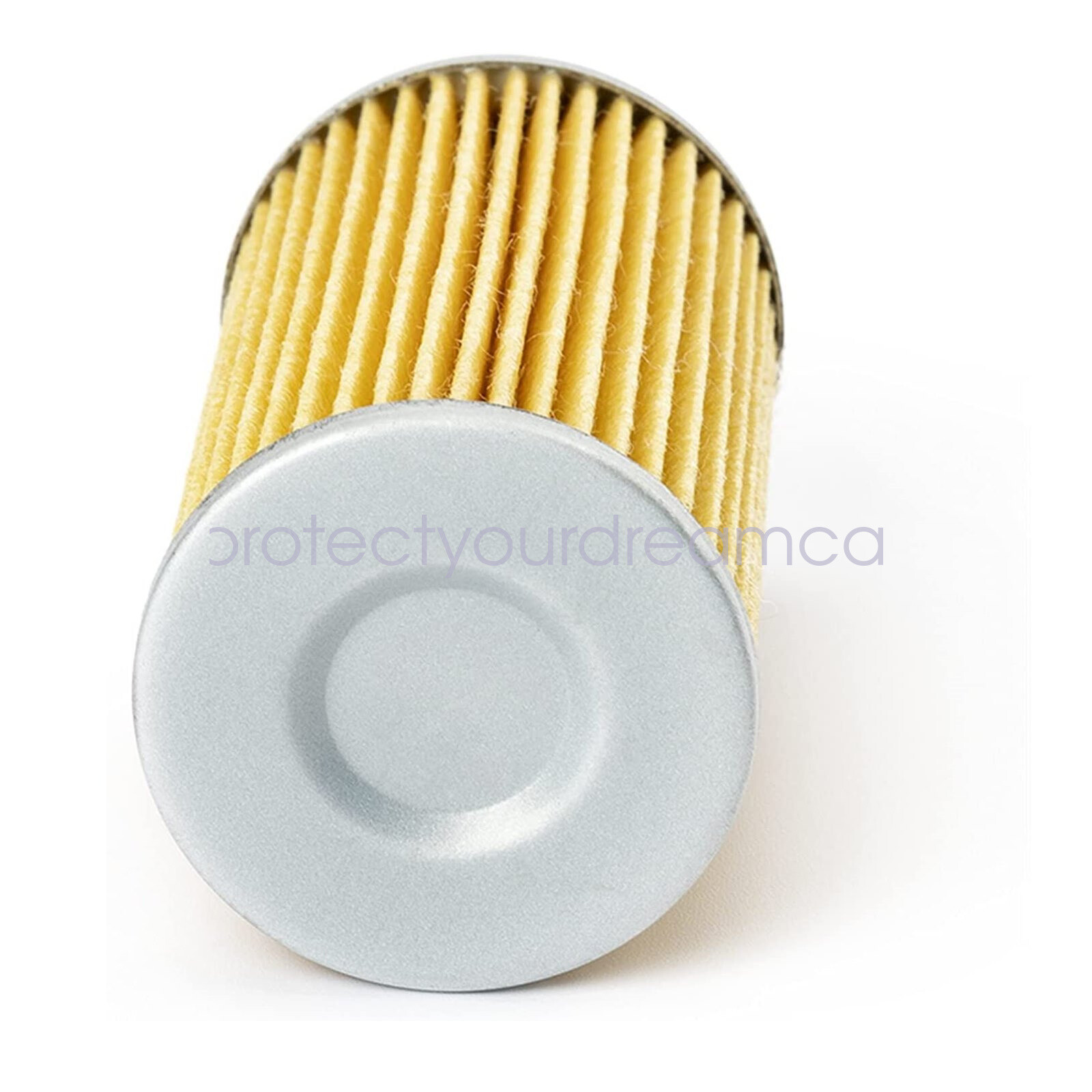
- Oil Filter: A standard spin-on filter (Example: Nissan OEM 15208-65F0E or equivalent like Fram PH6607).
- Torque Spec: The drain plug should be torqued to 22–29 ft-lb (30–40 Nm).
Necessary Tools
- Floor jack and jack stands (or heavy-duty ramps).
- 14mm wrench or socket.
- Oil filter wrench (65mm, 14 flutes).
- Oil drain pan (minimum 6-quart capacity).
- Funnel.
- Clean rags and nitrile gloves.
Step-by-Step Nissan NV200 Oil Change Procedure
Performing an oil change on the NV200 is relatively straightforward due to the vehicle's ground clearance and the accessible location of the filter. Follow these steps to ensure a professional-grade result.
1. Preparation and Safety
Park the vehicle on a level surface. Engage the parking brake and chock the rear wheels. Start the engine and let it run for 3–5 minutes. Warm oil flows more freely and carries away more contaminants than cold oil. Once warm, turn off the engine and lift the front of the vehicle using a jack at the designated lift points. Always secure the vehicle on jack stands; never work under a car supported only by a hydraulic jack.
2. Draining the Old Oil
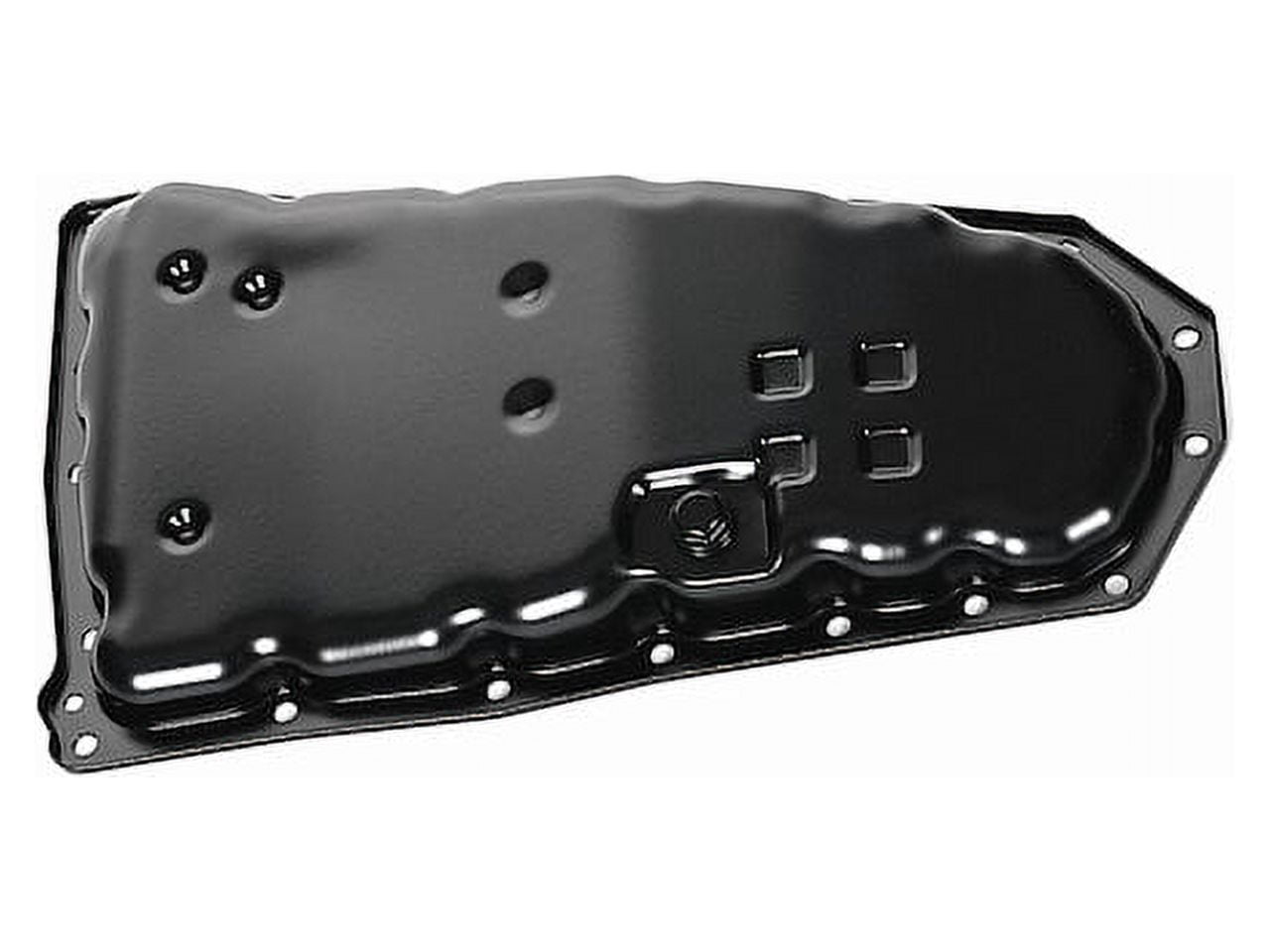
Locate the oil pan and the 14mm drain plug at the rear of the pan. Position your drain pan underneath. Use the 14mm wrench to loosen the bolt. Once loose, finish unscrewing it by hand while applying inward pressure to prevent oil from leaking prematurely. Quickly pull the bolt away to let the oil flow into the pan.
Pro Tip: Remove the oil fill cap on top of the engine to break the vacuum, allowing the oil to drain faster and more smoothly.
3. Replacing the Crush Washer
While the oil is draining, inspect the drain plug. Remove the old crush washer. These washers are designed to deform to create a perfect seal; reusing an old one is the leading cause of "mystery" oil drips. Slide a new 12mm washer onto the bolt.
4. Oil Filter Removal
The oil filter on the NV200 is located on the passenger side of the engine block, accessible from underneath. Position the drain pan under the filter area. Use your filter wrench to loosen the filter. Once it starts to spin freely, unscrew it by hand. Be prepared for a small amount of oil to spill from the filter mounting point.
Before installing the new filter, check the mounting surface on the engine. Ensure the old rubber gasket did not stick to the engine block. If you "double-gasket" a filter, it will blow out under pressure, leading to catastrophic oil loss.
5. Installing the New Filter and Plug
Apply a thin film of fresh engine oil to the rubber gasket of the new oil filter. This ensures a proper seal and makes future removal easier. Screw the filter on by hand until it makes contact with the mounting surface, then tighten it an additional 3/4 to 1 full turn. Do not use a wrench to tighten the filter, as over-tightening can damage the threads or the gasket.
Once the oil flow from the pan has slowed to a very sparse drip, wipe the drain area clean and reinstall the drain plug with the new washer. Tighten it to approximately 25 ft-lb.
6. Refilling the Engine
Place a funnel into the oil fill port on top of the engine. Pour in 4 quarts of SAE 0W-20 synthetic oil. Replace the fill cap. Start the engine and let it idle for about 60 seconds. During this time, the oil pressure will build, and the new filter will fill with oil. Check underneath the vehicle for any signs of leaks at the drain plug or filter.
7. Verifying Oil Level
Turn off the engine and wait 5 minutes for the oil to settle back into the pan. Pull the dipstick, wipe it clean, reinsert it fully, and pull it out again. The oil level should be between the two holes/markers on the dipstick. If it is low, add the remaining 0.1 to 0.2 quarts as needed.
| Component | Specification | Notes |
|---|---|---|
| Engine Code | MR20DE (2.0L) | 4-Cylinder, 16-Valve |
| Oil Type | SAE 0W-20 | Full Synthetic Recommended |
| Oil Capacity | 4.1 Quarts | Includes filter volume |
| Drain Plug Torque | 22–29 ft-lb | Replace crush washer every time |
| Filter Wrench Size | 65mm (14 flutes) | Standard Nissan small-case filter |
| Service Interval | 5,000–10,000 Miles | Use lower end for city/delivery work |
Resetting the Maintenance Light
The Nissan NV200 features a maintenance reminder system that alerts the driver when an oil change is due. This must be reset manually after the service is completed.
- Turn the ignition to the "ON" position (do not start the engine).
- Use the buttons on the steering wheel (or the trip computer stalks on older models) to navigate to the "Settings" menu on the instrument cluster display.
- Scroll down to "Maintenance" and select it.
- Select "Service" or "Oil Control System."
- Choose the "Reset" option and confirm.
- The mileage counter will return to zero, and the warning light will extinguish.
Special Considerations for Commercial Fleets
For owners of the NV200 in 2026, the vehicle is likely a workhorse. Commercial use introduces specific stressors that standard passenger cars do not face.
The Impact of Idling
Commercial vans often spend hours idling at job sites or during deliveries. Idle time is "engine time" that does not reflect on the odometer. A general rule of thumb is that one hour of idling is equivalent to approximately 25–30 miles of driving. If your NV200 idles extensively, you should ignore the 10,000-mile interval and stick strictly to 5,000 miles or even 3,500 miles.
Oil Analysis
For high-mileage NV200 units, consider an occasional oil analysis from labs like Blackstone Laboratories. This can identify internal engine wear, such as bearing material or coolant leaks (indicating a failing head gasket), before they cause a breakdown on the road.
Environmental Responsibility
Used motor oil is a significant environmental hazard. Ensure you collect the old oil in a sealed container and take it to a certified recycling center. Most auto parts stores (such as AutoZone or O'Reilly) and local municipal waste facilities accept used oil and filters at no charge.
Troubleshooting Common Issues
The Oil Filter is Stuck
The NV200's filter can sometimes be difficult to remove if it was over-tightened during the last service. If a standard cap wrench slips, use a "spider-style" or claw-type wrench that tightens its grip as you apply torque. As a last resort, a large pair of channel-lock pliers can be used to grip the filter casing, though this will crush the filter.
Stripped Drain Plug Threads
If the drain plug feels "soft" or continues to spin without tightening, the threads in the aluminum oil pan may be stripped. In 2026, with many NV200s having undergone dozens of oil changes, this is a known wear item. You may need an oversized self-tapping plug as a temporary fix, but the long-term solution is typically replacing the oil pan.
Oil Light Remains On
If the red oil pressure warning light stays illuminated after a change, shut off the engine immediately. This usually indicates a lack of oil pressure, which could be caused by a severely restricted filter, a massive leak, or an air pocket in the system. Check the oil level first and ensure the filter is the correct model for the MR20DE engine.
Frequently Asked Questions
Can I use 5W-30 if 0W-20 is not available?In an emergency, you can use 5W-30, but it is not recommended for long-term use. 0W-20 is specified to ensure the variable valve timing (VVT) system operates correctly and to maximize fuel economy. If you must use 5W-30, revert to 0W-20 at your next oil change.
Does the Nissan NV200 require a special brand of oil?No. Any oil that meets the API SN or SP standard and is the correct 0W-20 viscosity will work. However, using a high-quality full synthetic is strongly encouraged to handle the heat and stress of a cargo van's typical duty cycle.
How often should I change the air filter along with the oil?The engine air filter should generally be inspected at every oil change and replaced every 20,000 to 30,000 miles. If you drive in dusty construction zones, you may need to replace it as often as every 10,000 miles to maintain engine efficiency.
Is it necessary to change the oil filter every time?Yes. While some old-school manuals suggested changing the filter every other oil change, modern engines and thin synthetic oils rely heavily on filtration. A new filter costs very little compared to the risk of circulating filtered debris through the engine.
What should I do if I find metal shavings in the drained oil?Small, microscopic "glitter" can be normal in high-mileage engines. However, if you find distinct flakes or chunks of metal, this indicates significant internal wear. You should have a professional mechanic inspect the engine, specifically the rod bearings and timing chain guides.
Final Recommendations
To maximize the life of your Nissan NV200 in 2026, adopt a proactive maintenance stance. Change the oil every 5,000 miles using a high-quality 0W-20 full synthetic and an OEM-spec filter. This simple, relatively inexpensive procedure is the single most effective way to avoid the costly engine replacements that often sideline these versatile vans. Always keep a log of your services, including the date, mileage, and parts used, which is invaluable for both resale value and warranty verification.