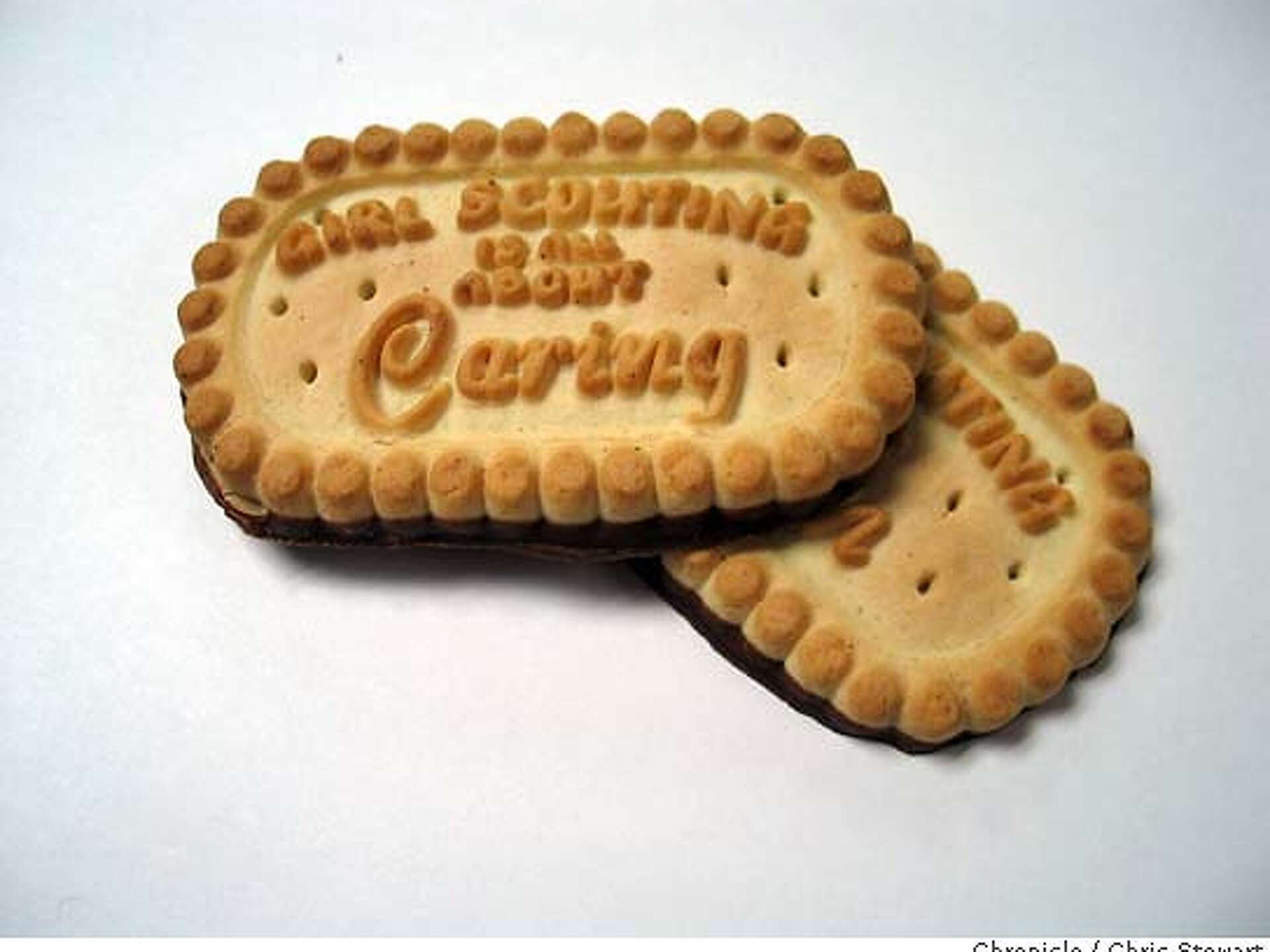
The 2019 Girl Scout Cookie controversy centered on a public debate regarding the organization’s relationship with its licensed bakers and the resulting confusion caused by regional differences in cookie names and recipes. This friction was highlighted by a viral image of a "price gouging" incident and ongoing public scrutiny concerning the environmental sustainability of palm oil used in the manufacturing process.
The Girl Scout Cookie program is one of the most recognizable youth leadership development initiatives in the United States. While the program is unified under the Girl Scouts of the USA (GSUSA) umbrella, the logistical reality of producing millions of boxes of cookies relies on a complex, decentralized supply chain that often leaves the public puzzled. In 2019, this complexity reached a boiling point as social media users highlighted discrepancies that many consumers had long suspected but never fully understood.
The Anatomy of the 2019 Controversy
The primary "controversy" in 2019 was not a singular event but a convergence of three distinct factors: regional naming variations, price variability, and continued ethical concerns regarding palm oil sourcing.
1. The Dual-Baker System
The most persistent source of consumer confusion—and the root of many 2019 social media inquiries—is the existence of two separate, licensed commercial bakers: ABC Bakers and Little Brownie Bakers (a subsidiary of Keebler/Ferrero). GSUSA contracts with these two companies to produce its cookies. Each local Girl Scout council chooses which baker to contract with for their region.
Because these two companies operate independently, they use different recipes, ingredients, and even different names for cookies that are functionally identical. This leads to the "Samoas vs. Caramel deLites" and "Tagalongs vs. Peanut Butter Patties" confusion. In 2019, widespread internet discourse amplified this, as people from different regions compared their boxes and realized they were not buying the same products, despite the branding remaining consistent across the country.
2. Price Discrepancies and "Gouging"
During the 2019 season, reports surfaced regarding widely varying prices for boxes of cookies. While the GSUSA sets suggested pricing, local councils have the autonomy to adjust prices based on their specific operational needs, transport costs, and fundraising goals.
In 2019, images of high-priced cookies at specific booths circulated online, leading to accusations of price gouging. The reality was more mundane: local councils are non-profit entities, and the funds raised stay within that council to support local programming. When a council raised prices to $5.00 or $6.00 per box, it was an attempt to cover increased logistics costs, not a corporate mandate. The public backlash, however, revealed a significant disconnect between consumer expectations of a "standard" product and the reality of a decentralized, volunteer-run organization.
3. Palm Oil and Environmental Advocacy
The 2019 season also saw a sustained campaign by environmental activists regarding the use of palm oil. Because palm oil cultivation is a significant driver of deforestation and habitat loss for endangered species, activists have long pressured the GSUSA to reform its supply chain. While the GSUSA maintains that it uses 100% RSPO (Roundtable on Sustainable Palm Oil) mass-balance certified palm oil, critics in 2019 argued that this certification does not go far enough to prevent environmental damage.
Understanding the Regional Baker Differences
To appreciate why the 2019 controversy persisted, one must look at the technical differences between the two production lines. While the cookies look similar, the baking processes differ significantly.
| Feature | Little Brownie Bakers | ABC Bakers |
|---|---|---|
| Caramel/Coconut Cookie | Samoas | Caramel deLites |
| Peanut Butter Cookie | Tagalongs | Peanut Butter Patties |
| Shortbread Cookie | Trefoils | Shortbread |
| Ingredient Focus | Toasted coconut, dark cocoa | Vanilla, crispier texture |
These differences are not merely branding; they are proprietary recipes. When a consumer develops a preference for "Samoas," they are essentially locked into a region serviced by Little Brownie Bakers. In 2019, as travel and social media sharing increased, the realization that "my" favorite cookie was not available in a neighboring state caused significant consumer frustration.
The Economics of the Girl Scout Cookie Program
The 2019 controversy was exacerbated by a lack of public understanding regarding how the money is spent. The Girl Scout Cookie program is the largest girl-led entrepreneurial program in the world. However, it is an integrated fundraising mechanism, not a retail operation.
- Manufacturing and Logistics: A portion of the cost covers the production and the bakers' fees.
- Council Revenue: Local councils use the proceeds to pay for camp facilities, program supplies, and financial aid for scouts.
- Troop Proceeds: Individual troops earn a percentage, which they use to fund field trips, service projects, and badge materials.
When councils increased prices in 2019 to offset rising transportation and raw material costs, the public often misinterpreted these increases as corporate greed. In truth, the GSUSA is a federation of 111 regional councils, each functioning as a separate 501(c)(3) organization. This structure ensures that money raised in a community stays in that community, but it results in a lack of price uniformity that causes constant confusion during the sales season.
Environmental Stewardship and Palm Oil
The pressure on the GSUSA regarding its ingredients did not begin in 2019, but it reached a peak that year due to heightened climate awareness. The organization has consistently maintained that it is "committed to palm oil sustainability."
The challenge lies in the sheer volume of production. Creating enough cookies to support hundreds of thousands of scouts requires a massive, consistent, and shelf-stable supply of fats. The GSUSA has noted that palm oil is the most efficient vegetable oil to produce, requiring less land than other oils. Nevertheless, the 2019 criticism served as a reminder that large-scale non-profit organizations are held to the same, if not higher, standards of environmental accountability as for-profit corporations.
Frequently Asked Questions
Why are there two different names for the same cookie? The GSUSA uses two separate bakers, Little Brownie Bakers and ABC Bakers. Because each baker has different proprietary recipes and marketing agreements, they use different names for their respective versions of the classic cookie profiles.
Does the GSUSA set the price for every box? No. While the GSUSA provides guidance, local councils determine the final price per box based on their local economic conditions, budget requirements, and transportation logistics. This is why prices vary between states and even neighboring counties.
Why does the GSUSA use palm oil? The organization uses palm oil for its texturizing properties and high yield efficiency. They state they are members of the Roundtable on Sustainable Palm Oil (RSPO) and work to ensure that the palm oil used is certified sustainable, though this remains a point of contention for environmental groups.
Can I order cookies from a different region to get the "other" kind? Generally, no. The Girl Scout Cookie program is tied to regional councils. Troops are only permitted to sell in their specific council territory. While online ordering via the "Digital Cookie" platform has expanded accessibility, the system is designed to route orders to local troops based on zip code.
Was the 2019 controversy legally significant? No. The controversy was primarily one of public relations and consumer education rather than legal action. There were no major lawsuits or regulatory rulings resulting from the 2019 debates regarding cookie names or pricing.
How can I verify if my local council uses a specific baker? You can use the official Girl Scout Cookie Finder website, which allows you to enter your zip code. It will direct you to local booth sales and identify the specific cookies available in your area.
Moving Forward: The Future of the Program
The 2019 controversy provided a critical lesson for the GSUSA regarding the necessity of transparency. In the years following 2019, the organization has improved its digital communication strategies to explain the "why" behind price increases and regional differences. For the consumer, the most important takeaway remains that each box purchased supports local girl-led programs. Whether you call them Samoas or Caramel deLites, the primary function of the purchase is to fund leadership development opportunities for girls within the community where the sale occurred.
When you encounter variations in pricing or product availability in 2026, remember that these are features of a decentralized, non-profit fundraising model. If you are ever unsure about why your local council has chosen a specific price point or baker, the most direct path to an answer is to contact your local Girl Scout council office, which can provide specific documentation on their budget and vendor contracts.