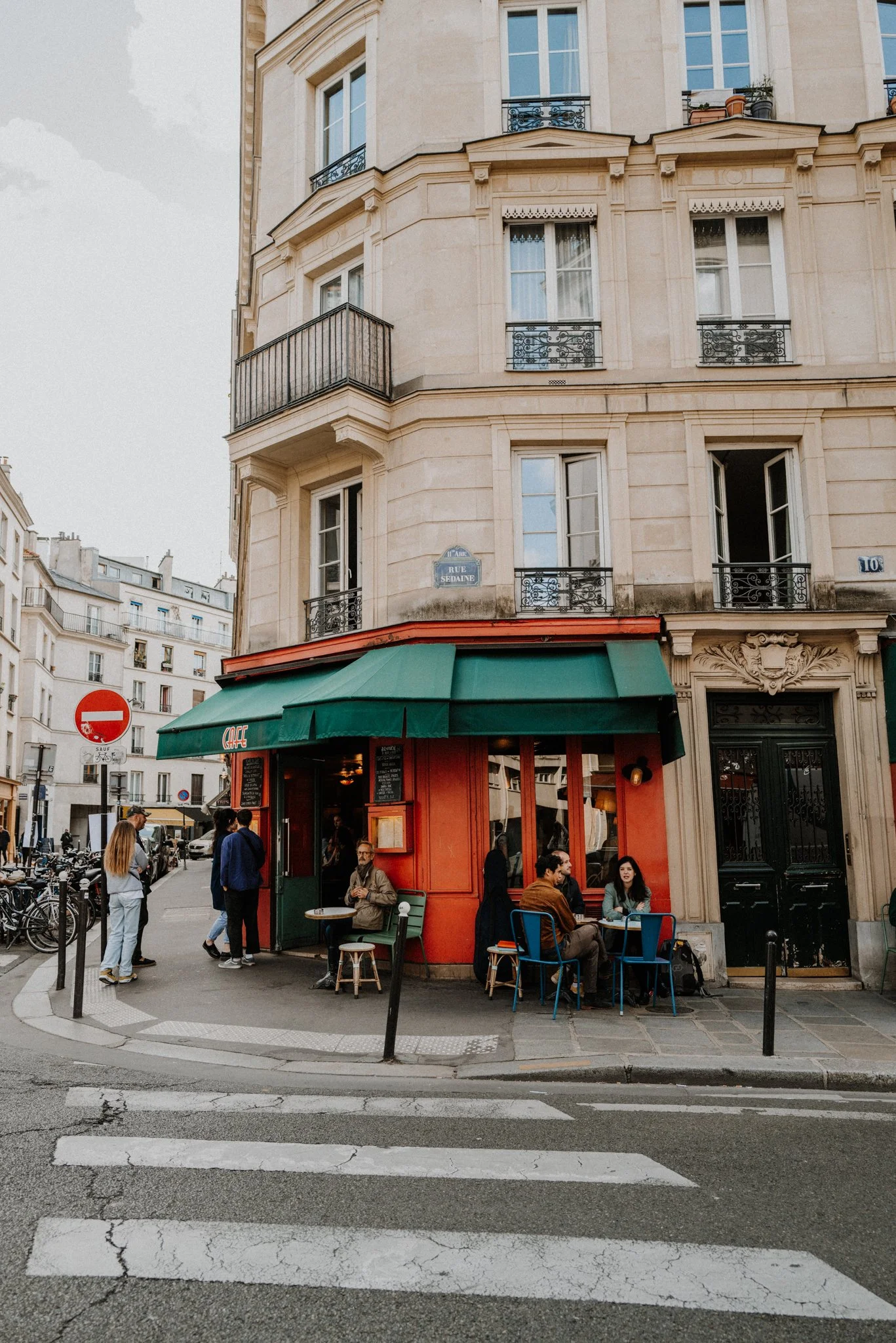
Your first night in Paris sets the tone for your entire visit, balancing the exhaustion of international travel with the immediate desire to experience the city's unique atmosphere. To navigate this effectively, prioritize a streamlined arrival strategy that focuses on secure transit, immediate logistical needs like connectivity and currency, and a low-stress evening plan that allows you to acclimate to local time while avoiding the pitfalls of over-ambitious sightseeing.
Managing Logistics Upon Arrival
The transition from Charles de Gaulle (CDG) or Orly (ORY) into the heart of Paris requires a plan that accounts for both your energy levels and the city's geography. Whether arriving by train at Gare du Nord or flying into an international terminal, your first hour in the city should be dedicated to establishing a stable base of operations.
Secure Transportation
Do not rely on informal transport offers at airport exits. Official taxi queues are clearly marked with signs indicating "Taxis Officiels." As of 2026, fixed rates for taxis between CDG and central Paris are regulated; the Right Bank is approximately €65, and the Left Bank is €70. Alternatively, the RER B train offers a direct, albeit crowded, link to the city center, which is highly effective if you are traveling light. Ensure you have your accommodation address written down in French to show drivers or to input into navigation apps.
Connectivity and Immediate Needs
Before exiting the terminal, ensure your mobile device is roaming-ready or that you have secured a local eSIM. Digital connectivity is essential for using the RATP (Régie Autonome des Transports Parisiens) app for transit or Citymapper for navigation. Additionally, while credit cards are accepted almost everywhere in Paris, carry a small amount of Euros for minor purchases or situations where digital payment terminals might be temporarily unavailable.
Selecting Your First-Night Strategy
The "first night" phenomenon often leads to the mistake of forcing a full itinerary despite jet lag. Expert travelers suggest selecting one of three core approaches based on your arrival time and fatigue level:
- The Immersion Approach: Suitable for late afternoon arrivals. Drop bags at your hotel, refresh, and immediately head to a neighborhood bistro. This keeps you awake until local bedtime, helping to reset your circadian rhythm.
- The Low-Profile Approach: Suitable for evening arrivals. Prioritize a quiet dinner near your accommodation. Avoid the pressure of visiting landmarks immediately, as your cognitive processing will likely be diminished by travel fatigue.
- The Panoramic Approach: For those with high energy, a sunset walk along the Seine or a visit to the Trocadéro provides a quintessential Paris welcome without requiring the stamina for museum queues or complex logistics.
Recommended Activities for Night One
Keep your activity choices flexible and low-barrier. The goal is to observe the city’s rhythm rather than "conquering" it.
- Bistro Dining: Choose a neighborhood restaurant for a classic French meal. Avoid tourist-heavy main streets; look for places with handwritten chalk menus that change daily. This ensures higher quality and a more authentic atmosphere.
- The Seine Walk: Walking along the banks of the Seine—the Quais—is perhaps the most accessible and iconic Paris experience. It requires no tickets and allows you to absorb the architecture of the city as it illuminates at night.
- Evening Boulangerie Run: If you are staying in an apartment, stop by a local boulangerie or épicerie to pick up supplies for the following morning. This simple task integrates you into the local flow and ensures you have necessities ready for your first full day.
Comparison of Arrival Strategies
| Strategy | Energy Required | Cost | Best For |
|---|---|---|---|
| Immediate Immersion | High | Moderate | Those fighting severe jet lag |
| Quiet Bistro Dinner | Low | Low to High | Travelers arriving after 8:00 PM |
| Landmark Viewing | Moderate | Free | Sightseers with high endurance |
| Apartment Setup | Very Low | Low | Families or long-term visitors |
Common Pitfalls to Avoid
Even experienced travelers fall into avoidable traps during their first night. Being aware of these will save you unnecessary stress.
- The "Tourist Menu" Trap: Avoid restaurants that feature laminated, multi-language photo menus or touts standing outside. These establishments are generally designed for transient visitors and rarely represent the quality of Parisian cuisine.
- Late-Night Public Transit Errors: While the Métro is highly reliable, be mindful that it closes around 1:15 AM on weekdays and 2:15 AM on weekends. If your flight is delayed, consider a pre-booked car service rather than risking a late-night transit scramble.
- Overestimating Mobility: Paris involves significant walking, often on cobblestones. If you have heavy luggage, prioritize a hotel or accommodation with an elevator (ascenseur), as many older Parisian buildings feature steep, narrow staircases that can be daunting after an international flight.
Addressing Jet Lag and Acclimation
The physiological challenge of your first night in Paris is usually the most significant hurdle. To mitigate this:
- Hydrate throughout your flight: Avoid excessive caffeine and alcohol, as they worsen the effects of dry cabin air and disrupt sleep patterns.
- Synchronize early: If you arrive in the morning or early afternoon, push through to at least 8:00 PM local time before sleeping. Natural sunlight is your most effective tool for resetting your internal clock.
- The Power Nap Limit: If you must nap, limit it to 60 minutes. Setting an alarm is non-negotiable; longer naps will inevitably lead to disrupted night sleep and prolonged jet lag symptoms.
Frequently Asked Questions
Should I book a dinner reservation for my first night?
Yes, especially if you have a specific restaurant in mind. Popular bistros in central arrondissements fill up quickly. A reservation removes the anxiety of wandering the streets while exhausted and hungry.
Is it safe to walk around Paris at night?
Paris is generally safe for tourists at night, especially in well-populated areas and near major landmarks. Maintain the same situational awareness you would in any major world city. Keep your phone and belongings secure, and avoid dark, isolated alleys.
Do I need to tip for dinner on my first night?
In France, service is included in the price of your meal (service compris). While it is common to leave a few coins or round up for excellent service in a café or bistro, there is no obligation to leave a percentage-based tip like in North America.
Can I use the Métro immediately?
Yes. You can purchase a Navigo Easy pass at any station ticket machine. It is a contactless card that you can top up with a "carnet" of ten rides. This is far more efficient than buying individual paper tickets, which are being phased out in many stations.
What if my flight arrives very late at night?
If you arrive after 10:00 PM, prioritize booking a private transfer or a reputable taxi service in advance. This ensures a driver will be waiting for you, regardless of minor flight delays, and spares you from navigating the transit system when it is less frequent.
Next Actions
For a successful arrival, finalize your ground transportation at least 72 hours before departure. Check your accommodation’s check-in protocols—specifically if they have a 24-hour reception or if you need to coordinate key collection. Finally, download your offline maps of the neighborhood to ensure you can find your way to your base of operations even if your data connection is inconsistent upon landing. By handling these administrative tasks early, your first night in Paris can transition from a stressful logistical hurdle into the start of your journey.