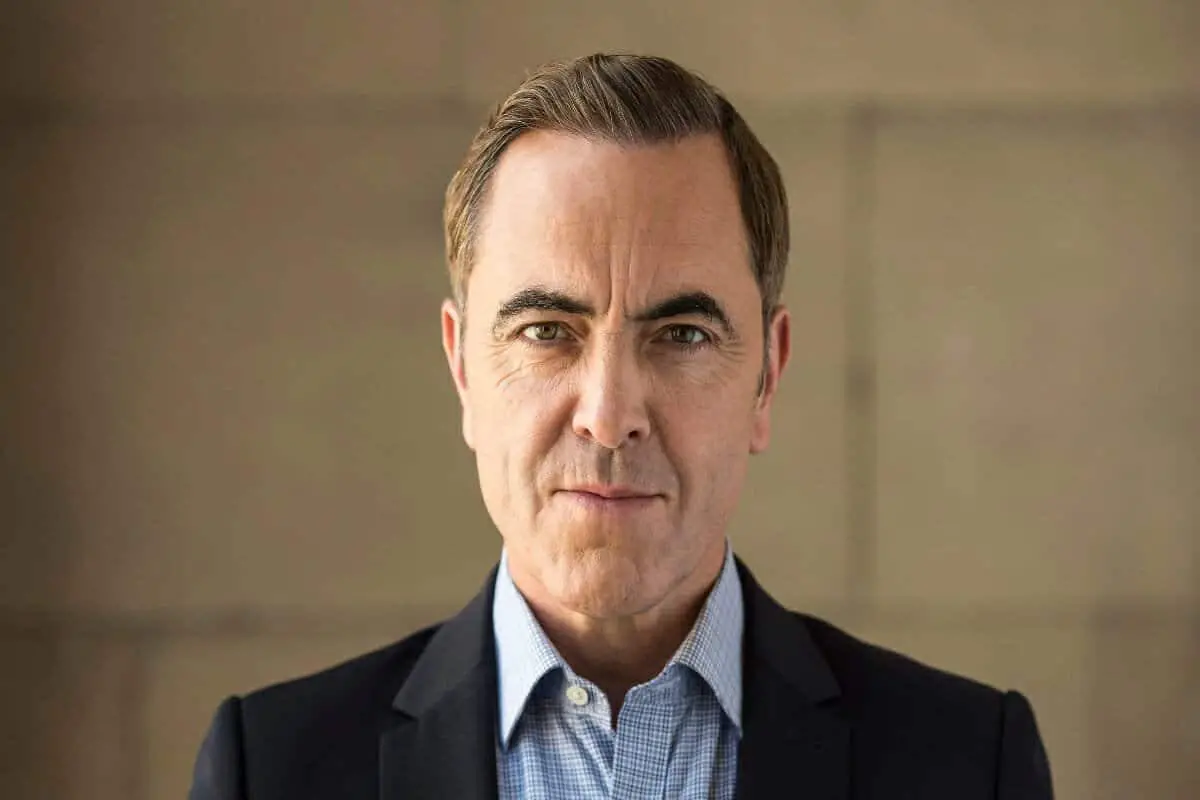
At the time of his passing in 2015, the estimated net worth of actor James Best was approximately $1 million. This figure reflects a lifetime of consistent work in the American entertainment industry, particularly his iconic role as Sheriff Rosco P. Coltrane in the television series The Dukes of Hazzard, which served as the cornerstone of his professional legacy and financial standing.
The Career Foundations of James Best
To understand the financial profile of James Best, one must look at the structure of the mid-20th-century television industry. Born Jewel Franklin Guy in 1926, Best entered the entertainment world during the post-World War II era. His career spanned over six decades, encompassing hundreds of roles in film and television. Unlike modern entertainment figures who may rely on massive brand endorsements or complex investment portfolios, Best’s financial status was largely a reflection of a "working actor" model—a career defined by high-volume, consistent employment rather than one or two singular, life-changing windfalls.
Throughout the 1950s, 60s, and 70s, Best was a ubiquitous presence on American television. He appeared in classic series ranging from The Twilight Zone and Gunsmoke to The Andy Griffith Show. In the era of syndication, these appearances provided a steady stream of residuals and scale-rate pay, which formed the bedrock of his financial stability. For many character actors of his generation, wealth was not accumulated through speculative ventures but through the diligent pursuit of diverse, recurring roles that provided reliable income and long-term security.
The Dukes of Hazzard: The Financial Turning Point
While Best was a seasoned professional long before 1979, his role as Sheriff Rosco P. Coltrane in The Dukes of Hazzard undeniably served as the peak of his career recognition and income. The show became a global cultural phenomenon, running for seven seasons on CBS. For a character actor, landing a primary antagonist role in a top-rated prime-time show typically involved a standard multi-year contract that provided a significant salary increase compared to one-off guest appearances.
The financial impact of this role extended beyond the original broadcast years. Because The Dukes of Hazzard maintained high ratings in syndication throughout the 1980s and 90s, the cast benefited from the residual payment structures mandated by the Screen Actors Guild (SAG). These payments are designed to reward actors when programs are rerun, and for a show as widely syndicated as The Dukes of Hazzard, these residuals provided a predictable and often substantial income stream that likely supported Best well into his retirement years.
Understanding Net Worth in the Context of Character Actors
When evaluating the net worth of an individual like James Best, it is essential to distinguish between liquid assets and the long-term value of a career. For professional actors who were active primarily in the 20th century, net worth figures often underestimate the value of their impact on the industry. Financial reporting on actors is frequently based on public records, property assessments, and estimated earnings from major projects, which rarely account for personal investments, pensions, or private savings accounts managed outside of the public eye.
Furthermore, the "millionaire" status in 2015 does not necessarily equate to the purchasing power of the same amount today. Given the timeframe of his career and the historical context of acting salaries in the 1980s, an estimated net worth of $1 million represents a very comfortable upper-middle-class financial outcome. It demonstrates that Best effectively managed the earnings from his high-profile television roles to ensure financial independence, rather than suffering the financial volatility often associated with the entertainment industry.
Professional Consistency vs. High-Stakes Fame
A common misconception regarding actor wealth is that "fame" directly correlates to "net worth." However, there is a distinct financial difference between an A-list movie star and a highly successful character actor like James Best. Best’s career strategy was built on versatility. He was an acting coach, a writer, and a director, in addition to being a performer. This diversification of skills allowed him to remain employed in the industry long after his contemporaries had retired.
By diversifying his professional activities—teaching acting workshops and directing regional theater—Best insulated his finances from the fluctuations of the television market. Acting coaches and directors often command fees that are separate from performance wages, providing a secondary layer of financial protection. His ability to pivot between different roles within the production hierarchy is a testament to the stability of his financial planning.
Comparative Analysis of Actor Financial Structures
To better understand how financial success is categorized in the entertainment industry, the following table compares different types of career paths and their typical financial profiles during the era in which Best was most active.
| Career Archetype | Primary Income Source | Financial Stability | Retirement Mechanism |
|---|---|---|---|
| Character Actor | Residuals, Scale-rate wages | High (Steady work) | SAG-AFTRA Pensions |
| Leading Man/Lady | Upfront fees, Backend points | High (Volatile) | Private investments |
| Stage Actor | Weekly salary, Touring fees | Moderate | Personal savings/Pensions |
| Writer/Director | Royalties, Licensing fees | Variable | Intellectual property |
As shown, the "Character Actor" path, which Best occupied, is characterized by stability supported by industry-wide union protections, such as the pension plans administered by SAG-AFTRA. These plans were designed to provide a financial floor for actors who worked consistently over decades, regardless of whether they reached the stratospheric wealth associated with global movie stars.
Financial Lessons from a Lifetime in Show Business
For those examining the life of James Best, the primary takeaway is the importance of longevity. His financial status was not the result of a single blockbuster movie, but rather the cumulative effect of thousands of hours spent on set over 60 years. This approach highlights the importance of the following financial principles for individuals in creative professions:
- Union Participation: Best’s career benefited significantly from the protections and pension structures offered by actors' unions, which remain vital for maintaining standard-of-living requirements for working professionals.
- Skill Diversification: By moving into teaching and directing, Best prevented his income from being solely dependent on the whims of casting directors.
- Income Smoothing: By participating in syndicated television, he ensured that his work continued to generate revenue long after the cameras had stopped rolling on a specific production.
FAQ: Common Questions Regarding James Best
1. Was James Best one of the highest-paid actors of his time? No. While he was highly successful and recognizable, he occupied the tier of "character actor." This position is lucrative and stable, but it does not reach the salary levels of lead actors in major blockbuster films.
2. Did James Best make most of his money from movies or television? The bulk of his financial legacy was built through television. His recurring role on The Dukes of Hazzard provided the most significant visibility and residual income, which is the standard mechanism for wealth accumulation for television actors of his era.
3. How does his net worth compare to his co-stars? It is generally lower than the show’s primary leads, who often negotiated higher per-episode salaries. However, in the context of his peers in the same supporting capacity, his net worth was considered strong and reflective of a long, successful career.
4. Are residual payments still part of a net worth calculation for deceased actors? Yes. In many cases, the rights to residuals are passed down to heirs as part of an estate, meaning the work an actor did during their life continues to provide financial value to their family after they have passed.
5. How much did James Best make per episode on The Dukes of Hazzard? Exact contractual figures are private and rarely disclosed. It is known that the cast negotiated salaries collectively at various points, but the specific per-episode pay for supporting roles from the late 70s is not public record.
Final Recommendations for Financial Research
When investigating the net worth of historical figures in the entertainment industry, it is important to rely on probate records, tax filings if they become public, and credible journalistic reports. Avoid "celebrity net worth" websites, as they often rely on algorithms that aggregate data points without verifying their accuracy or the underlying financial structure of the individual.
If you are looking to honor the professional legacy of James Best, the most accurate insights are found in his autobiography, Best in Hollywood: The Good, The Bad and The Beautiful, which offers personal context on the realities of working in the film industry. The path he walked serves as a masterclass in professional endurance, proving that steady, high-quality work is the most reliable way to secure a lasting financial legacy in a volatile industry.