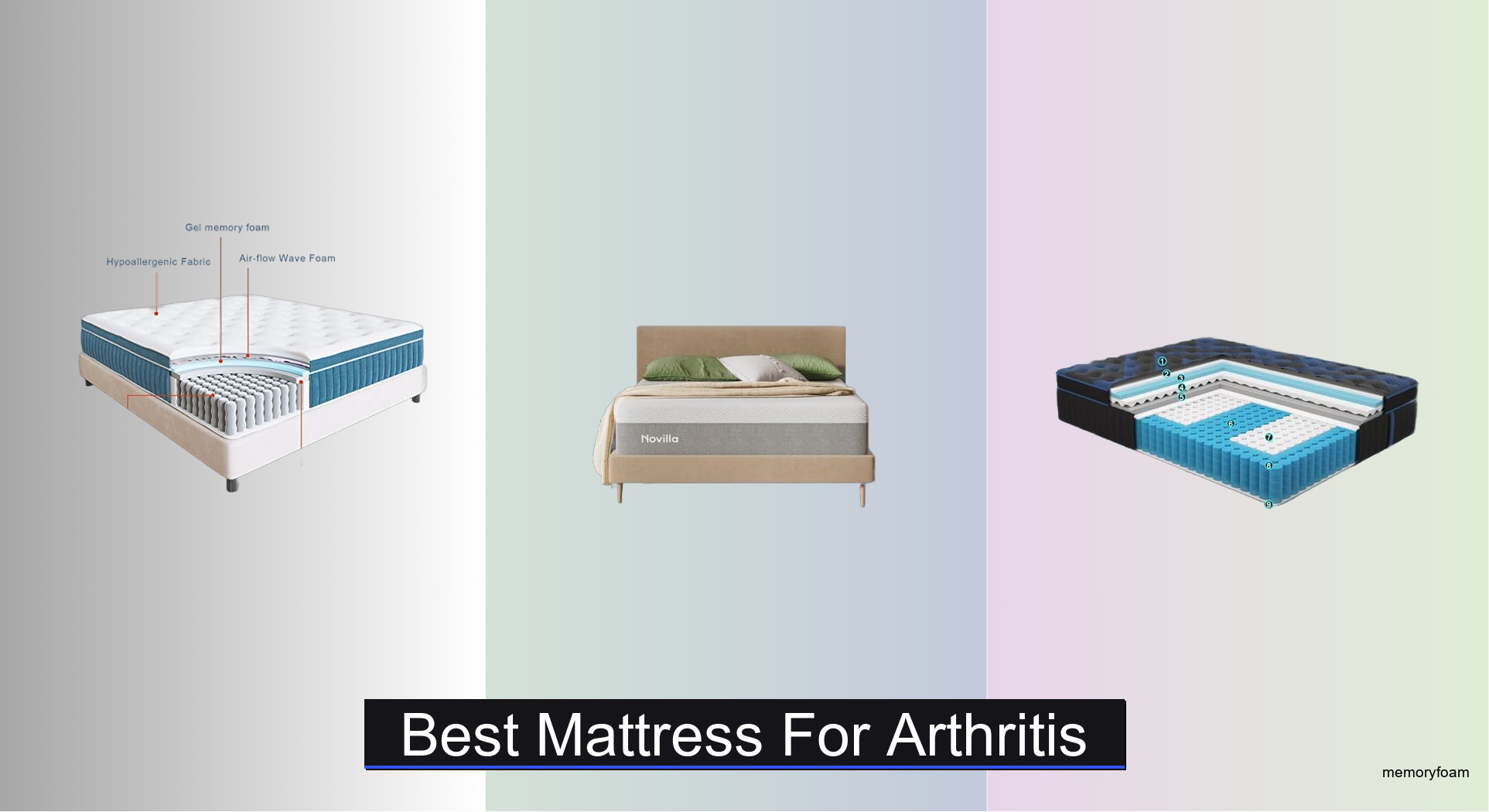
When living with arthritis, finding the single best mattress for relief and comfort means prioritizing superior pressure relief, targeted spinal alignment, and balanced support that minimizes morning joint stiffness. Selecting a mattress with the ideal combination of adaptive memory foam or responsive hybrid construction helps isolate pressure points on the hips and shoulders while maintaining proper ergonomic posture throughout the night.
Understanding the Impact of Mattress Selection on Arthritis Pain
Arthritis affects millions of individuals globally, manifesting in various forms such as osteoarthritis, rheumatoid arthritis, and psoriatic arthritis. These chronic conditions cause inflammation, pain, and stiffness in the joints, making the quality of nighttime rest exceptionally important. Sleep is the body’s primary period for physical restoration and tissue repair, yet an unsupportive or poorly designed mattress can exacerbate joint discomfort. When a sleeping surface lacks adequate pressure redistribution, it concentrates body weight onto specific bony prominences like the shoulders, hips, and knees. This localized pressure cuts off blood flow, triggers reflexive tossing and turning, and inflames arthritic joints.
Conversely, a mattress that is excessively soft lacks necessary spinal support, causing the midsection to sink and throwing the spine out of alignment. This misalignment places undue stress on the facet joints of the spine and surrounding musculature, compounding morning stiffness. Therefore, identifying the 1 best mattress for arthritis relief and comfort requires evaluating how materials interact with skeletal weight distribution. The ideal mattress cushions sensitive joints without allowing unnatural sinking, thereby preserving joint space and reducing mechanical friction during sleep.
Key Material Characteristics for Arthritis Relief
Navigating the mattress market requires an understanding of how different core materials and comfort layers impact joint health. Manufacturers construct modern beds using several primary materials, each offering distinct advantages for individuals managing chronic pain.
Memory Foam and Gel-Infused Foam
High-density memory foam contours closely to the body's natural curves, distributing body weight evenly across the entire surface area. This property makes memory foam exceptional at eliminating pressure points on arthritic hips and shoulders. Gel-infused variants or open-cell designs help mitigate heat retention, ensuring a comfortable microclimate throughout the night.
Latex Foam
Natural latex provides a more buoyant, responsive feel compared to memory foam. It contours to the body while offering a gentle pushback that makes changing sleeping positions easier—a crucial factor for individuals whose arthritis makes mobility difficult. Latex is also naturally breathable, antimicrobial, and exceptionally durable.
Pocketed Coils and Hybrid Construction
Hybrid mattresses combine a supportive base layer of individually wrapped pocketed coils with upper comfort layers of foam or latex. The coils provide robust edge support, responsive bounce, and optimal airflow, while the top foam layers deliver targeted pressure relief. This combination often represents the optimal balance for arthritis sufferers who require both deep contouring and easy movement.
Evaluating Sleep Positions and Joint Vulnerability
An individual's primary sleeping position dictates how their joints interact with a mattress. Tailoring mattress selection to specific positional needs ensures maximum therapeutic benefit.
- Side Sleepers: Side sleeping concentrates immense pressure on the shoulder and hip joints, making high-contouring memory foam or thick hybrid comfort layers essential. A mattress that is too firm will force the shoulder upward, pinching the joint and aggravating arthritis.
- Back Sleepers: Back sleepers require a medium-firm to firm surface that supports the natural curvature of the lumbar spine while cushioning the sacroiliac joints. Adequate lumbar support prevents the lower back from arching excessively, reducing tension on spinal arthritis.
- Stomach Sleepers: Stomach sleeping places the greatest strain on the neck and lower back, generally discouraging neutral spinal alignment. If stomach sleeping cannot be avoided, a firmer mattress prevents the pelvis from sinking too deeply into the bed.
Comparative Overview of Mattress Types for Arthritis
The following table outlines how different mattress categories perform across key performance indicators relevant to arthritis management.
| Mattress Type | Pressure Relief | Spinal Alignment | Ease of Movement | Temperature Regulation | Durability |
|---|---|---|---|---|---|
| All-Foam (Memory Foam) | Excellent | Good to Very Good | Fair | Fair to Good | Good |
| Natural Latex | Very Good | Very Good | Excellent | Excellent | Excellent |
| Hybrid (Foam + Coils) | Very Good | Excellent | Very Good | Very Good | Very Good |
| Traditional Innerspring | Fair | Fair | Excellent | Good | Fair |
Essential Features to Verify Before Purchase
When finalizing a mattress purchase for arthritis management, shoppers should look beyond marketing terms and evaluate concrete structural specifications.
- Indentation Load Deflection (ILD): ILD measures the firmness of foam layers by determining the weight required to compress a foam sample by 25 percent. Lower ILD ratings indicate softer foam, while higher ratings indicate firmer foam. For arthritis relief, look for comfort layers with moderate ILD ratings paired with high-density support cores.
- Edge Support: Robust perimeter support prevents sagging when sitting on the edge of the bed or rising in the morning. For individuals with arthritis in their hands, hips, or knees, a sturdy edge provides stability during the transition from lying down to standing up.
- Motion Isolation: Chronic pain often causes restless sleep. Mattresses with high motion isolation prevent movement on one side of the bed from disturbing the other, ensuring uninterrupted rest even when tossing and turning.
- Trial Periods and Warranties: Because physical adaptation to a new mattress can take up to 30 to 60 days, purchasing from a brand that offers a generous sleep trial (typically 100 nights or more) is vital. A comprehensive warranty (10 years or longer) guarantees structural integrity against abnormal sagging.
Frequently Asked Questions
Is a firm or soft mattress better for arthritis?
Neither an ultra-firm nor an ultra-soft mattress is ideal for most arthritis sufferers. A medium-firm to medium-soft mattress (typically rating 5 to 7 out of 10 on the firmness scale) provides the optimal balance. It offers enough contouring cushioning to relieve pressure on sensitive joints while maintaining the structural support needed to keep the spine aligned.
Can an old mattress worsen arthritis symptoms?
Yes. As mattresses age, their internal support structures degrade, leading to sagging and uneven weight distribution. This lack of support forces muscles to work overtime to maintain posture during sleep, increasing mechanical stress on arthritic joints and worsening morning stiffness and pain.
How often should an arthritis sufferer replace their mattress?
Most high-quality mattresses should be replaced every 7 to 10 years. However, if you notice visible sagging, body impressions deeper than one inch, or an increase in morning joint pain upon waking, it may be time to invest in a replacement sooner.
Does mattress thickness matter for joint pain?
Mattress thickness correlates directly with support and pressure relief capacity. Mattresses under 10 inches often lack sufficient comfort layers to properly cushion pressure points for adults. Models measuring 11 to 14 inches generally provide a more robust combination of deep support cores and therapeutic comfort layers.
Are adjustable bases beneficial for arthritis?
Adjustable bed bases can be exceptionally beneficial for individuals with arthritis. Elevating the head can alleviate neck and shoulder tension, while elevating the foot of the bed relieves lower back strain and reduces pressure on the hips and knees by promoting neutral spinal curvature.
Next Actions and Final Recommendations
To secure the best possible sleep environment for managing arthritis symptoms, begin by assessing your primary sleeping position and current joint pain distribution points. Prioritize hybrid or high-density foam mattresses that explicitly combine deep pressure-relieving comfort layers with strong, supportive cores. Always utilize risk-free sleep trials to evaluate how the mattress performs over several weeks under real-world sleeping conditions. Consult with a rheumatologist or physical therapist if you experience severe, unmanaged pain to ensure your sleep setup aligns with your broader therapeutic care plan.