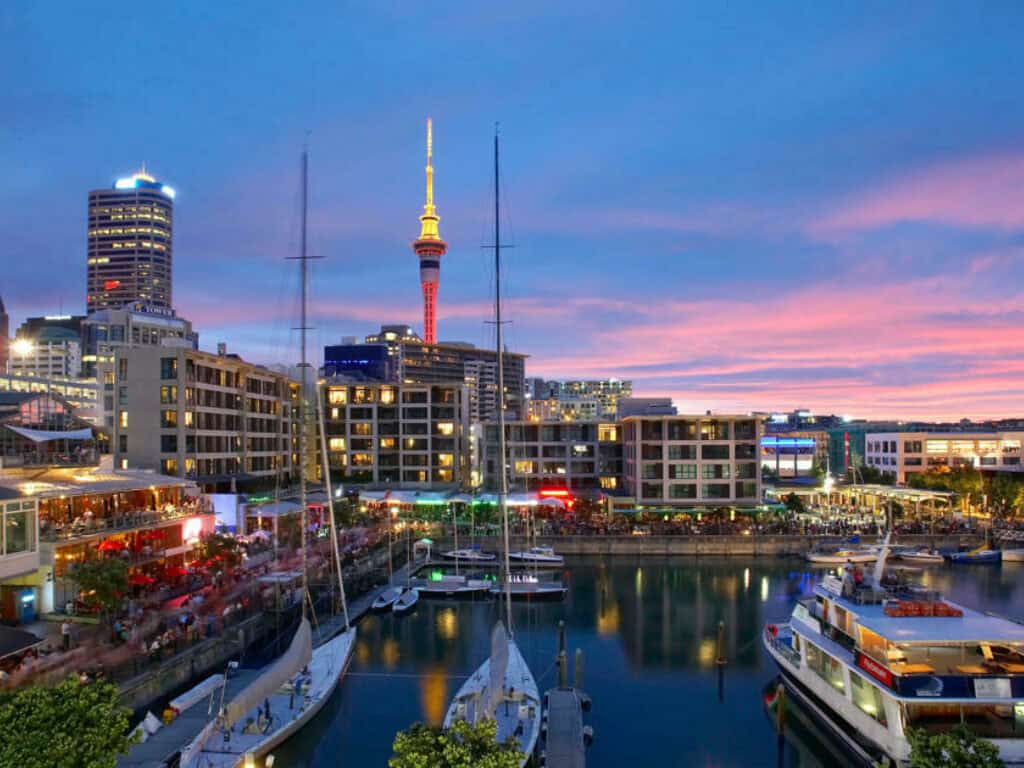
For the vast majority of international travelers, Auckland Airport (AKL) is the best airport to fly into when visiting New Zealand. As the country’s largest and busiest gateway, it offers the highest frequency of international flights, the most competitive pricing, and seamless domestic connections to both the North and South Islands.
Choosing the right entry point for a journey to Aotearoa (New Zealand) is a critical logistical decision. While the country possesses several international airports, Auckland Airport serves as the primary atmospheric hub, handling over 70% of all international arrivals. In 2026, it remains the undisputed leader for travelers seeking convenience, variety in airline carriers, and the most robust infrastructure for starting a nationwide tour. Whether you are arriving for a short business trip or a month-long campervan adventure, understanding why Auckland is the strategic choice—and how to navigate it—is essential for a smooth arrival.
Why Auckland Airport (AKL) is the Unrivaled Choice
Auckland Airport is located in the suburb of Mangere, approximately 21 kilometers (13 miles) south of Auckland’s central business district. Its dominance as the "best" airport is not merely a matter of size; it is a matter of utility. For most travelers coming from North America, Europe, or Asia, Auckland is often the only viable direct destination.
Flight Frequency and Airline Diversity
The primary reason travelers choose Auckland is the sheer volume of options. As of 2026, Auckland is served by more than 30 international airlines, including the national carrier, Air New Zealand, and major global players like Qantas, Singapore Airlines, Emirates, and United Airlines. This competition is beneficial for the consumer; more airlines on a route typically lead to more competitive pricing and a wider variety of cabin classes, from basic economy to ultra-luxury suites.
For those traveling from the United States, Auckland is the primary port of call for direct flights from hubs like Los Angeles, San Francisco, Houston, and New York (JFK). Flying directly into Christchurch or Wellington often requires an additional layover, which can add four to six hours to an already lengthy journey. By landing in Auckland, you minimize your total travel time and reduce the risk of baggage delays associated with multiple transfers.
The Domestic Hub Advantage
New Zealand is a country of two main islands, and many of the most iconic sights—such as Milford Sound, the Southern Alps, and the glaciers—are located on the South Island. It may seem counterintuitive to fly into the North Island (Auckland) if your primary goal is the South Island. However, Auckland Airport functions as the "spoke" for the entire domestic network.
Air New Zealand and Jetstar operate hundreds of daily flights from Auckland to regional destinations like Queenstown, Christchurch, Nelson, and Napier. Because of the high volume of domestic traffic, these "hopper" flights are frequent and relatively inexpensive. Many travelers find that booking an international flight to Auckland and a separate (or bundled) domestic leg is cheaper than trying to find a direct international connection to a smaller city.
Navigating the Arrival Experience: Customs and Biosecurity
One of the most defining aspects of flying into Auckland is the rigorous Biosecurity and Customs process. New Zealand is an island nation with a unique ecosystem that is highly vulnerable to introduced pests and diseases. Because Auckland handles the most passengers, its facilities for processing these checks are the most sophisticated in the country.
The Declaration Process
Upon arrival at Auckland Airport in 2026, you must complete a "New Zealand Traveller Declaration" (NZTD). This is now predominantly a digital process, although paper forms are available as backups. You are legally required to declare "risk goods," which include food, plants, animal products, and outdoor recreational equipment.
A common mistake made by travelers is failing to declare dirty hiking boots or used camping gear. Auckland’s biosecurity officers will inspect these items to ensure they are free of soil and seeds that could carry pathogens like Kauri Dieback disease. If your gear is dirty, they will clean it for you on-site, though this can add time to your exit from the terminal.
Biosecurity Screening
The screening process at AKL involves X-ray machines and highly trained detector dogs. It is important to remember that New Zealand has an instant fine policy. If you fail to declare a piece of fruit or a half-eaten sandwich from the plane, you may be issued an immediate NZ$400 infringement fee. The rule of thumb at Auckland Airport is: "If in doubt, declare it."
For more information on what you can and cannot bring into the country, visit the official Ministry for Primary Industries (MPI) Biosecurity page.
Infrastructure and Facilities in 2026
By 2026, Auckland Airport has undergone significant transformations as part of its long-term "Terminal Integration" project. Historically, the International and Domestic terminals were located in separate buildings, requiring a ten-minute walk or a shuttle bus transfer.
The Integrated Terminal Experience
The 2026 traveler benefits from a more streamlined experience where domestic and international operations are more closely aligned. This integration has reduced the "Minimum Connection Time" (MCT) for travelers moving from an international long-haul flight to a domestic flight. The facility now features:
- Upgraded Lounges: Enhanced lounge access for Star Alliance, Oneworld, and independent pass holders (like Priority Pass).
- Retail and Dining: A vast array of New Zealand-centric dining options, showcasing local wines, manuka honey products, and high-quality Merino wool apparel.
- Connectivity: High-speed 5G Wi-Fi throughout the terminal and numerous "work zones" for business travelers.
Accessibility and Support
The airport is designed with accessibility in mind, offering assistance for passengers with reduced mobility (PRM). If you require a wheelchair or assistance through customs, it is best to coordinate this through your airline at least 48 hours before departure. Auckland Airport’s staff are well-versed in handling diverse needs, ensuring that the entry point into the country is inclusive for all.
Transport and Logistics: Getting from AKL to Your Destination
Once you have cleared customs, your next priority is reaching your accommodation or starting your road trip. Auckland Airport offers the most diverse range of ground transport options in New Zealand.
Car and Campervan Rentals
For many, the New Zealand experience is synonymous with a road trip. Auckland Airport is the primary hub for rental car companies and campervan providers. Major brands like Avis, Hertz, and Budget have desks inside the international arrivals hall. However, many of the popular campervan brands (like Maui, Britz, and Jucy) operate from depots just outside the airport perimeter, accessible via free shuttle buses.
It is highly recommended to book your vehicle well in advance, especially if you are visiting during the peak summer months (December to February). For legal requirements regarding driving in New Zealand, including international permit rules, consult the Waka Kotahi NZ Transport Agency.
Public and Private Transport
If you are heading into Auckland City, you have several choices:
- SkyDrive Bus: A dedicated express bus service that runs between the airport and SkyCity in the heart of the CBD. It is cost-effective and runs at frequent intervals.
- Rideshare and Taxis: Uber and Ola operate at Auckland Airport, with dedicated pick-up zones clearly marked outside the terminal. Traditional taxis are also available 24/7.
- Airport Transfers: Many hotels in the airport vicinity (such as the Novotel or Pullman) offer shuttle services. For those arriving late at night, staying at an airport hotel is a popular choice before picking up a rental car the following morning.
Comparing New Zealand’s International Gateways
While Auckland is the best for most travelers, it is helpful to see how it compares to other entry points to ensure it fits your specific itinerary.
| Feature | Auckland Airport (AKL) | Christchurch Airport (CHC) | Wellington Airport (WLG) | Queenstown Airport (ZQN) |
|---|---|---|---|---|
| Primary Region | North Island (Upper) | South Island (Central) | North Island (Lower/Capital) | South Island (Lower) |
| Direct Long-Haul | Yes (USA, Europe, Asia) | Limited (Asia, Australia) | Limited (Australia) | Limited (Australia) |
| Flight Frequency | Highest | Moderate | Moderate | Seasonal/Moderate |
| Car Rental Choice | Extensive | Extensive | Moderate | Moderate |
| Best For | General tourists, first-timers | South Island road trips | Business, government, arts | Skiing, adventure sports |
| Customs Wait Time | 30–60 minutes (average) | 20–40 minutes (average) | 15–30 minutes | 15–30 minutes |
When Should You NOT Fly Into Auckland?
Despite its advantages, Auckland is not the absolute answer for every single traveler. There are specific scenarios where flying into another airport—or choosing an "Open Jaw" ticket—is superior.
The South Island-Only Itinerary
If your time in New Zealand is limited (e.g., 7 to 10 days) and you only intend to visit the South Island, flying directly into Christchurch (CHC) can save you a day of travel. Christchurch is a beautiful city and serves as the perfect starting point for the "Garden City to Queenstown" loop or the "West Coast Glaciers" route. By bypassing Auckland, you avoid the need for a domestic transfer and can start your adventure immediately.
The Open Jaw Strategy
The most efficient way to see both islands is often to book an "Open Jaw" ticket. This involves flying into Auckland and out of Christchurch (or vice versa). This strategy prevents you from having to drive or fly back to your starting point, saving both time and money. For example, you could spend 10 days driving from Auckland down through Rotorua and Wellington, take the Interislander ferry to Picton, and then spend 10 days driving down to Christchurch for your flight home.
Vital Arrival Tips for 2026
To ensure your arrival at Auckland Airport is as stress-free as possible, keep these professional tips in mind:
- Biosecurity Readiness: Clean your gear before you pack. If you have been on a farm or in a forest in another country recently, ensure your shoes are spotless.
- Sim Cards and Connectivity: You can purchase a local SIM card (from providers like One NZ or Spark) at the arrivals hall. Having local data is essential for GPS navigation and accessing the NZTD digital declaration.
- Currency: While New Zealand is largely a cashless society, having a small amount of NZD can be helpful. There are ATMs and currency exchange booths in the international terminal, but you will find better rates at banks in the city.
- The "Jet Lag" Buffer: Do not plan a long drive (more than 2 hours) immediately after landing in Auckland from a long-haul flight. New Zealand roads are often narrow and winding; driving while fatigued is a major safety risk. Spend your first night in Auckland to acclimatize.
- Duty-Free Regulations: New Zealand has strict limits on alcohol and tobacco. Be sure to check the current NZ Customs Service allowances before purchasing at the airport.
Summary of the Auckland Experience
Auckland Airport is more than just a landing strip; it is the functional engine of New Zealand's tourism industry. Its ability to process large volumes of passengers while maintaining strict biosecurity standards makes it the most reliable entry point. In 2026, with its modernized facilities and integrated terminal layout, the airport has overcome many of its historical "growing pains," offering a world-class welcome to the "Land of the Long White Cloud."
Frequently Asked Questions
Is Auckland Airport easy to navigate for non-English speakers? Yes, Auckland Airport provides extensive signage in English and Te Reo Māori, with many key instructions also translated into Mandarin and other major languages. Staff are accustomed to assisting international travelers from all linguistic backgrounds.
How early should I arrive at Auckland Airport for an international departure? For international flights, it is standard to arrive 3 hours before your scheduled departure. This allows enough time for bag drop, security screening (which can be busy during the morning rush), and the walk to the gate.
Can I sleep at Auckland Airport if I have an overnight layover? While the terminal is open 24/7, it is not designed for comfortable sleeping. There are several high-quality hotels within walking distance of the international terminal, including the Novotel Auckland Airport and the Pullman Auckland Airport, which are recommended for long layovers.
Are there luggage storage facilities at AKL? Yes, there are "Smartshelve" and locker services located in both the international and domestic areas. These are ideal if you have a long layover and want to explore Auckland City without your heavy bags.
Does Auckland Airport have a train to the city? As of 2026, there is no direct heavy rail link from the airport terminal to the CBD. However, the AirportLink bus connects the airport to the Puhinui Train Station, where you can board a train to the Britomart Transport Centre in downtown Auckland.
What is the best way to get between the International and Domestic terminals? There is a free "Green Bus" shuttle that runs every 15 minutes between the terminals. Alternatively, there is a marked "green line" on the sidewalk for those who prefer a 10-to-12-minute walk in the fresh air.
Next Actions for Your Trip
If you are ready to book your journey, your first step should be to check the visa requirements on the Immigration New Zealand website. Most visitors will need either a NZeTA (New Zealand Electronic Travel Authority) or a Visitor Visa before they can board their flight to Auckland. Once your legal entry is secured, booking your flight to Auckland Airport (AKL) will give you the most flexibility and the best start to your New Zealand adventure.