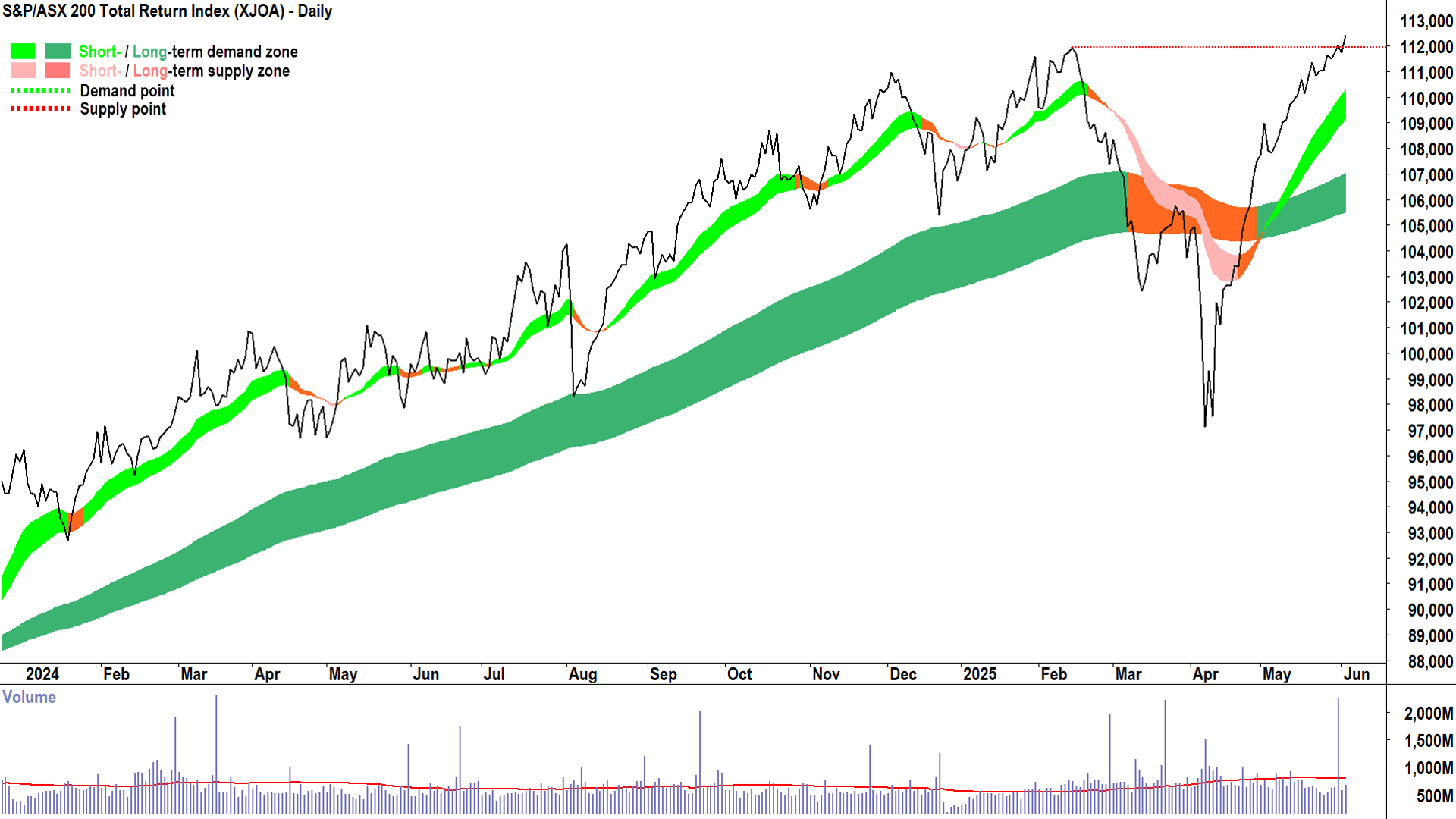
An S&P/ASX 200 ETF is a managed fund traded on the Australian Securities Exchange that aims to replicate the performance of Australia's 200 largest listed companies by market capitalisation. These exchange-traded funds provide instant diversification, high liquidity, and cost-effective access to the cornerstone of the Australian equity market.
Understanding the ASX 200 ETF Framework
The S&P/ASX 200 index serves as the primary benchmark for the Australian equity market. It is maintained by S&P Dow Jones Indices and is designed to measure the performance of the 200 largest index-eligible stocks listed on the ASX. For an investor, an ASX 200 ETF is a "wrapper" that holds these 200 stocks in the same proportions as the index. When you buy a single unit of the ETF, you are effectively buying a small slice of all 200 companies, including giants like BHP, Commonwealth Bank, and CSL.
In 2026, these instruments remain the most popular entry point for both retail and institutional investors. The mechanism is simple: the ETF issuer (such as BlackRock, BetaShares, or State Street) purchases the underlying shares and holds them in trust. As the share prices of those 200 companies fluctuate, the Net Asset Value (NAV) of the ETF moves in tandem. This transparency is a key reason for their dominance; investors can see exactly what they own at any given time.
Furthermore, the "1" in the context of an ASX 200 ETF often refers to the search for the "number one" or primary choice among several competing products. While multiple issuers offer products tracking this index, they are not identical. Differences in management fees, tracking error, and liquidity can significantly impact long-term returns. Understanding these nuances is essential for any participant in the Australian financial markets.
Key Facts: Structure, Governance, and Rebalancing
The integrity of an ASX 200 ETF relies on the rigorous methodology of the underlying index. To be included in the S&P/ASX 200, a company must meet specific criteria regarding market capitalisation, listing venue, and liquidity. This ensures that the ETF only holds companies that are large enough and traded frequently enough to be easily bought or sold.
Quarterly Rebalancing Mechanics
The S&P/ASX 200 is not a static list. It is rebalanced quarterly in March, June, September, and December. During these periods, S&P Dow Jones Indices reviews the market capitalisation of all listed entities. Companies that have grown significantly may be added to the index, while those that have shrunk in value may be removed (relegated).
For the ETF holder, this rebalancing happens automatically. The ETF manager will sell the shares of the departing companies and buy shares of the new entrants. This "hands-off" maintenance is a primary advantage for investors, as it ensures the portfolio remains aligned with the top tier of the Australian economy without requiring manual intervention or incurring individual brokerage costs for 200 separate transactions.
Physical vs. Synthetic Replication
In the Australian market, almost all major ASX 200 ETFs use physical replication. This means the fund actually owns the underlying shares of the 200 companies. This is generally considered lower risk than "synthetic" replication, which uses derivatives and swaps to mimic index performance. In 2026, physical replication remains the gold standard for Australian broad-market ETFs, providing investors with the security of knowing their capital is backed by tangible corporate ownership.
The Dominant ASX 200 ETF Providers in 2026
While there are several options, three specific products dominate the landscape for tracking the S&P/ASX 200. Each has a slightly different value proposition based on its history and fee structure.
1. BetaShares Australia 200 ETF (A200)
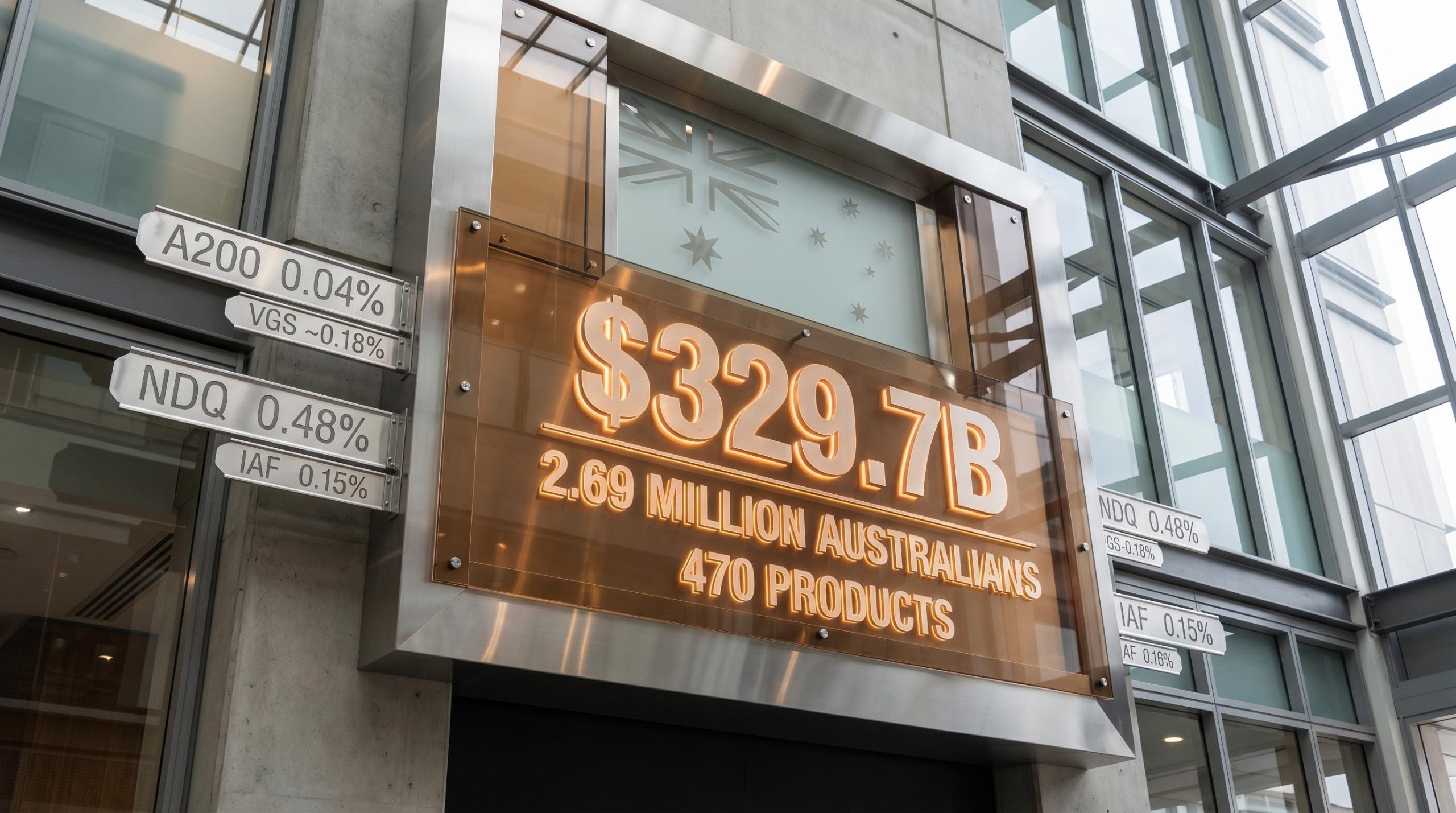
BetaShares disrupted the market by offering one of the lowest-cost ASX 200 ETFs available. As of 2026, A200 remains a favorite for cost-conscious investors. Its primary appeal is its ultra-low Management Expense Ratio (MER). Because the S&P/ASX 200 is a commoditised index—meaning the performance of the 200 companies is the same regardless of who tracks them—the fee is often the most significant differentiator for long-term wealth accumulation.
2. iShares Core S&P/ASX 200 ETF (IOZ)
Managed by BlackRock, the world’s largest asset manager, IOZ offers high liquidity and tight buy/sell spreads. It is frequently used by institutional investors and advisors who value the massive scale and global infrastructure of the iShares brand. IOZ has historically competed closely with A200 on price, making it a staple in diversified Australian portfolios.
3. SPDR S&P/ASX 200 Fund (STW)
STW holds the distinction of being Australia’s first ETF, launched in 2001. While it often carries a slightly higher management fee than its newer competitors, it boasts significant liquidity and a long historical track record. For many legacy portfolios and large-scale traders, the deep liquidity of STW makes it a preferred vehicle for executing large trades without significantly moving the market price.
Comparison of Leading ASX 200 ETFs
| Feature | BetaShares (A200) | iShares (IOZ) | SPDR (STW) |
|---|---|---|---|
| Primary Index | S&P/ASX 200 | S&P/ASX 200 | S&P/ASX 200 |
| Management Fee (p.a.) | 0.04% | 0.05% | 0.13% |
| Inception Year | 2018 | 2010 | 2001 |
| Replication Method | Physical | Physical | Physical |
| Distribution Frequency | Quarterly | Quarterly | Quarterly |
Note: Fees and data are based on standard 2026 market offerings and are subject to change by the respective fund managers.
The Role of Dividends and Franking Credits
One of the most compelling "key facts" about investing in an ASX 200 ETF is the exposure to Australian dividends. The Australian share market is historically one of the highest-yielding markets in the world, largely driven by the profitability of the big banks and mining companies.
Understanding Franking Credits
Australian residents benefit from a unique tax feature known as franking credits (or imputation credits). When an Australian company pays tax on its profits at the corporate rate (typically 30%), it can pass a credit for that tax on to its shareholders via dividends. This prevents double taxation.
When you hold an ASX 200 ETF, the fund receives these franked dividends from the underlying companies and passes them through to you. In your annual tax return, these credits can often reduce your taxable income or even result in a tax refund if your marginal tax rate is lower than the corporate rate. This makes the "grossed-up" yield of an ASX 200 ETF significantly higher than the nominal yield often reported in international financial news.
Sector Concentration: The Risks and Realities
A critical overview of the ASX 200 must address its heavy sector concentration. Unlike the S&P 500 in the United States, which is dominated by Technology, the S&P/ASX 200 is heavily weighted toward two main sectors: Financials and Materials.
The Financial Pillar
The "Big Four" banks (Commonwealth Bank, NAB, ANZ, and Westpac) often make up a substantial percentage of the index. This means the performance of an ASX 200 ETF is highly sensitive to the Australian housing market, interest rate decisions by the Reserve Bank of Australia (RBA), and general credit conditions.
The Materials Pillar
The Materials sector, led by global miners like BHP, Rio Tinto, and Fortescue, represents the second major pillar. This gives the ASX 200 a "pro-cyclical" tilt, meaning it often performs well when global commodity prices (especially iron ore and copper) are high. However, it also means the index can be volatile during global economic slowdowns or shifts in Chinese industrial demand.
In 2026, we also see an increasing influence of the Healthcare sector (led by CSL) and a growing, albeit still relatively small, Technology sector. Investors should be aware that by buying an ASX 200 ETF, they are essentially making a bet on the continued health of the Australian banking system and the global demand for Australian natural resources.
Costs Beyond the Management Fee
When evaluating an ASX 200 ETF, the Management Expense Ratio (MER) is only one part of the cost equation. Sophisticated investors also look at "Total Cost of Ownership."
- Buy/Sell Spreads: This is the difference between the price at which you can buy the ETF and the price at which you can sell it. For highly liquid ETFs like IOZ or A200, this spread is usually very tight (often just a few cents), but it is a cost to consider for frequent traders.
- Brokerage Fees: Since ETFs are traded like stocks, you must pay a commission to your broker (e.g., CommSec, Vanguard Personal Investor, or Stake) every time you buy or sell. In 2026, many platforms offer $0 brokerage for certain ETFs, which has significantly lowered the barrier to entry for small-scale investors.
- Tracking Error: This measures how closely the ETF’s returns match the actual index. A high tracking error means the manager is failing to replicate the index efficiently, which can "leak" returns over time. Most top-tier ASX 200 ETFs have a very low tracking error.
Tax Efficiency and the AMIT Regime
In Australia, most ETFs operate under the Attribution Managed Investment Trust (AMIT) regime. This is a technical but vital fact for investors. Under AMIT, the ETF manager can "attribute" taxable income to unit holders in a way that is fair and transparent.
One major benefit of the AMIT regime is the ability to make "cost base adjustments." If the ETF distributes more or less than its taxable income, you adjust the cost base of your investment for Capital Gains Tax (CGT) purposes. This prevents you from being taxed twice on the same gains. Investors will receive an Annual Tax Statement (usually in July or August) that breaks down these components, making it relatively straightforward to complete an Australian tax return.
How to Invest: A Step-by-Step Approach
Acquiring an ASX 200 ETF is a straightforward process that can be completed in a few steps.
- Open a Brokerage Account: You need an account with an ASX-participating broker. Ensure the broker provides a Holder Identification Number (HIN) if you want direct legal ownership of your shares via the CHESS system.
- Select Your Ticker: Choose the specific ETF that fits your needs (e.g., A200 for low fees, IOZ for liquidity).
- Check Market Hours: The ASX is open from 10:00 AM to 4:00 PM AEST. It is generally recommended to avoid trading in the first and last 15 minutes of the session, as volatility and spreads can be higher during these "auction" periods.
- Place a Limit Order: Instead of a "market order," use a "limit order" to specify the maximum price you are willing to pay. This protects you from sudden price spikes.
- Hold and Reinvest: Most ASX 200 ETFs offer a Dividend Reinvestment Plan (DRP). This allows you to automatically use your dividends to buy more units of the ETF, compounding your wealth over time without additional brokerage fees.
Common Pitfalls to Avoid
While ASX 200 ETFs are excellent tools, they are not without risks. One common mistake is over-concentration. Because the ASX 200 is so heavily weighted toward banks and miners, an investor who only holds an ASX 200 ETF is not truly diversified on a global scale. They are missing out on the massive technology and consumer sectors found in the US or European markets.
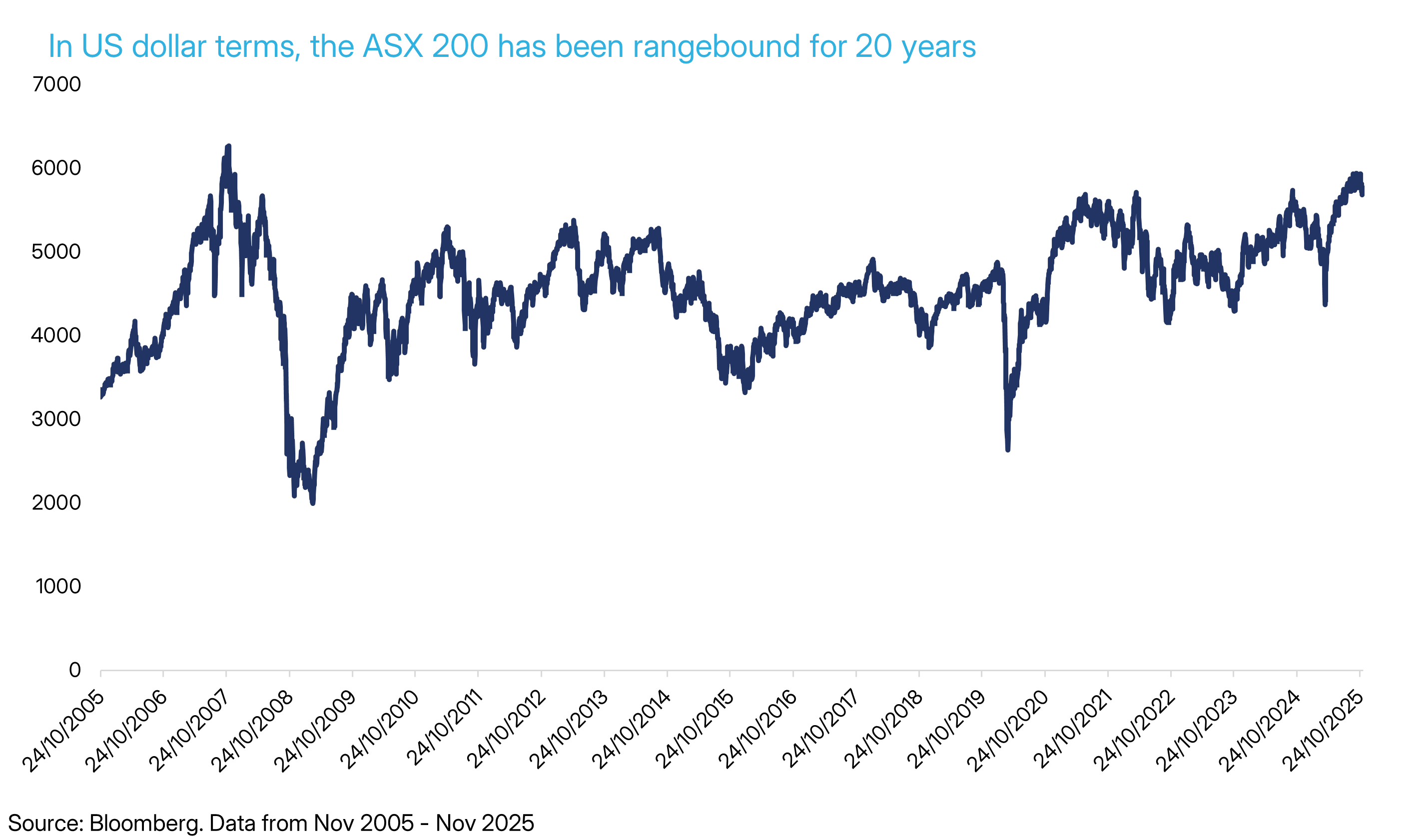
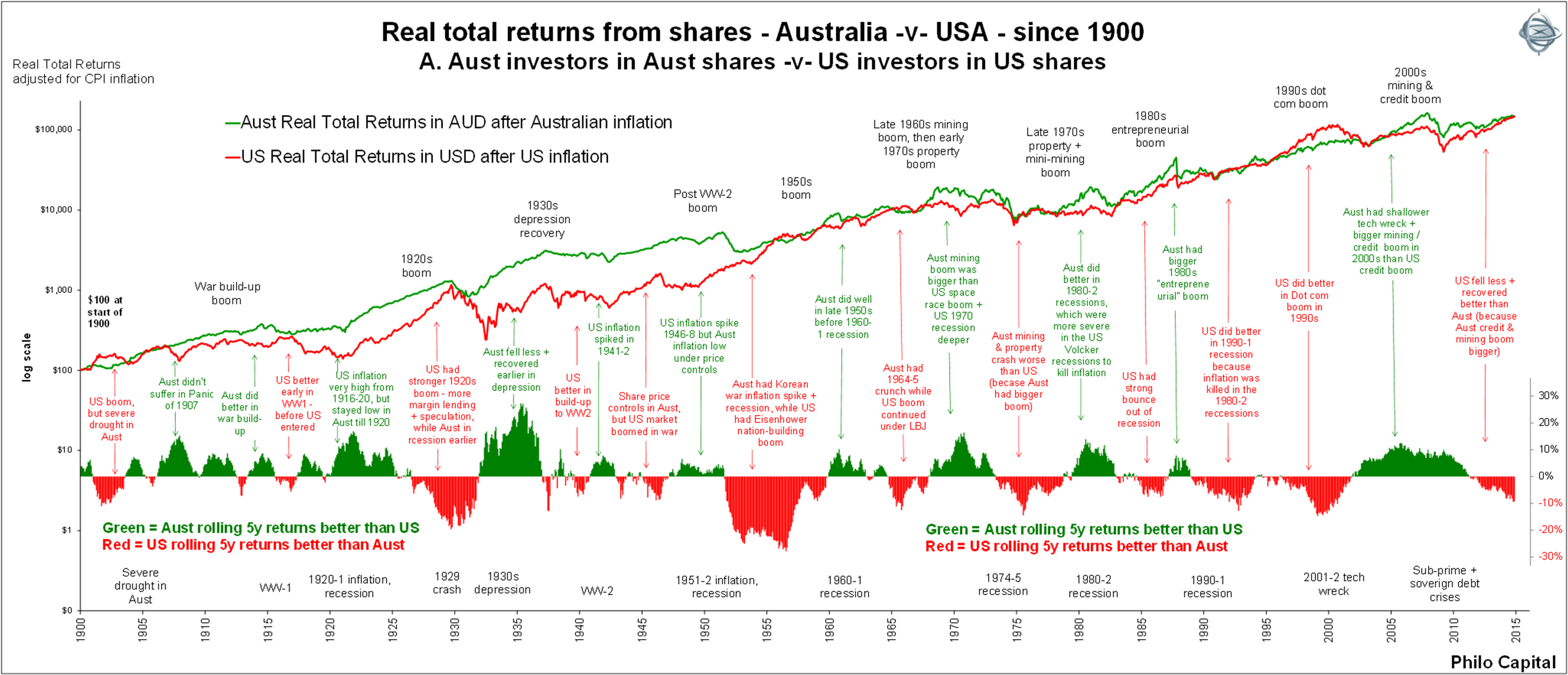
Another pitfall is emotional trading. Because ETFs trade like stocks, it is tempting to check the price daily and sell during market dips. However, the ASX 200 is designed as a long-term wealth creation tool. Historically, the index has recovered from every major downturn, including the GFC and the volatility of the early 2020s. Maintaining a long-term perspective is essential for capturing the full benefit of market growth and dividend compounding.
Related Questions
What is the difference between an ASX 200 and an ASX 300 ETF?
An ASX 200 ETF (like IOZ) tracks the top 200 companies, while an ASX 300 ETF (like Vanguard's VAS) tracks the top 300. The extra 100 companies in the ASX 300 are "small-cap" stocks. While the ASX 300 provides slightly broader exposure, the two indices are more than 90% correlated because the top 200 companies account for the vast majority of the total market value.
Do I get voting rights with an ASX 200 ETF?
As an ETF holder, you do not directly own the shares; the fund manager does. Therefore, the fund manager (e.g., BlackRock or Vanguard) exercises the voting rights at company AGMs. However, many managers now have "ESG" (Environmental, Social, and Governance) policies where they vote on behalf of investors to encourage sustainable corporate behavior.
How often are dividends paid out?
Most ASX 200 ETFs pay distributions on a quarterly basis. These payments typically occur in January, April, July, and October. The amount varies depending on the dividends collected from the 200 underlying companies during that period.
Can an ASX 200 ETF go to zero?
For an ASX 200 ETF to go to zero, all 200 of Australia's largest companies (including every major bank and mining house) would have to become worthless simultaneously. While the price of the ETF will fluctuate and can drop significantly during a crash, the total loss of value is statistically improbable in a functioning economy.
Is there a minimum investment amount?
If buying through a traditional broker, the minimum initial "parcel" of shares on the ASX is typically $500. However, some micro-investing apps allow you to buy fractional portions of ASX 200 ETFs with as little as $1 or $10, though these often operate under a different legal structure (custodial) than direct HIN-based ownership.
Practical Recommendation
For most long-term investors in 2026, the best approach to the ASX 200 is to treat it as the "core" of a portfolio. Focus on the BetaShares A200 or iShares IOZ to keep management costs as low as possible. By minimising fees and consistently reinvesting dividends through a Dividend Reinvestment Plan (DRP), you can effectively harness the growth of the Australian economy. However, ensure you complement this with international exposure (such as an S&P 500 or MSCI World ETF) to mitigate the heavy concentration in Australian financials and resources.