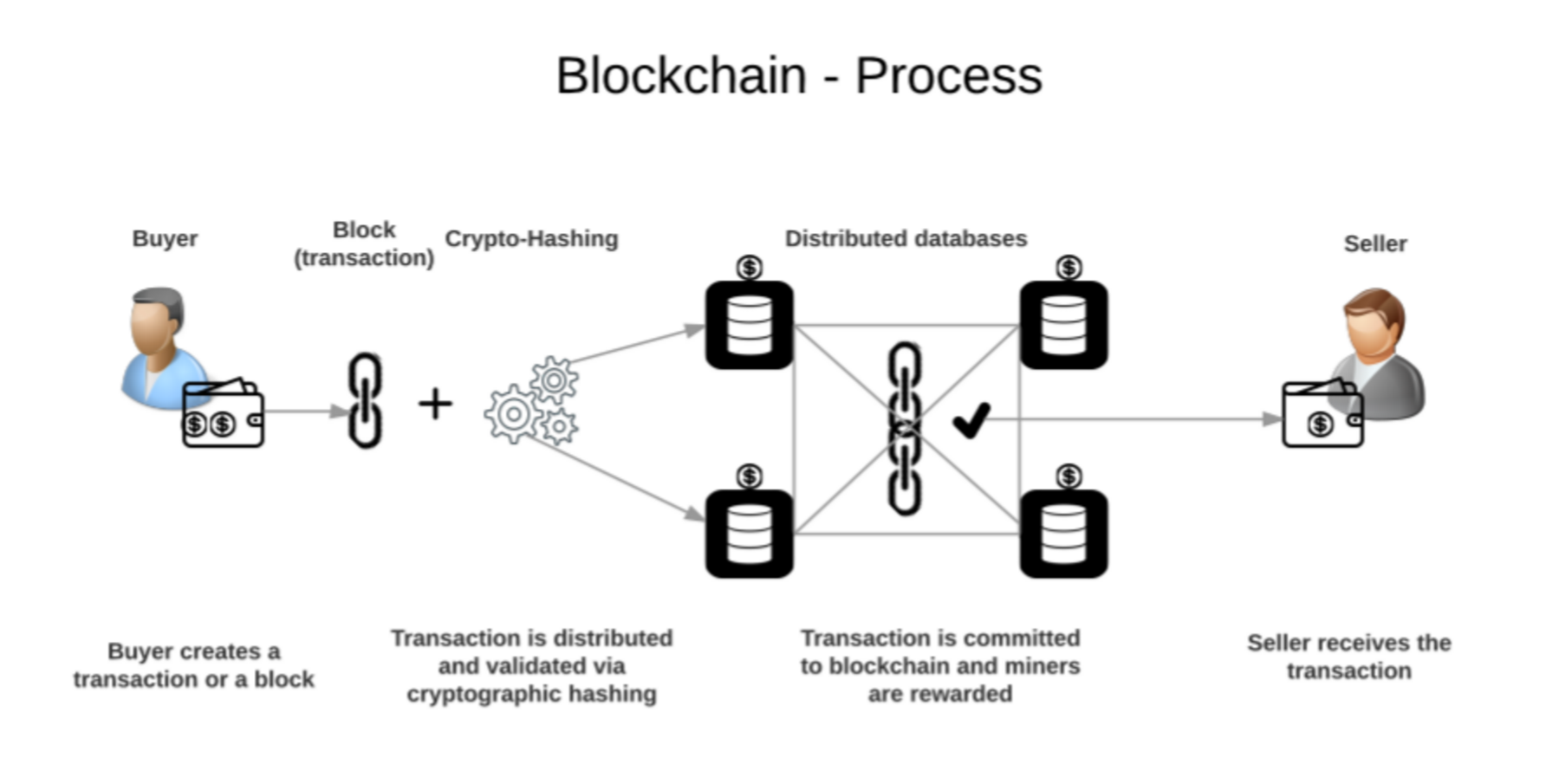
At its core, a blockchain is a shared, immutable digital ledger that records transactions or data across a network of computers. Unlike traditional databases managed by a central authority—like a bank or a government agency—a blockchain synchronizes information across many participants simultaneously. Once data is verified and added to a "block," it is cryptographically chained to the previous entry, making it virtually impossible to alter without the consensus of the entire network.
The Fundamental Concept: Moving Beyond Centralization
To understand blockchain, one must first understand the concept of a central intermediary. In most modern systems, a central entity acts as the "source of truth." For example, when you send money through a bank, the bank maintains the ledger that records your balance and the transaction. You trust the bank to ensure the records are accurate and secure.
Blockchain removes the need for this central intermediary by distributing the responsibility of record-keeping to every participant in the network. Each participant, often called a node, holds a copy of the entire ledger. When a new transaction occurs, it must be verified by the participants according to a set of pre-defined rules, known as a consensus mechanism. This shift from "centralized trust" to "distributed verification" is what makes the technology unique.
How a Blockchain is Built: The Anatomy of a Block
The name "blockchain" is descriptive: it is literally a chain of blocks. Each block is a container for data, which varies depending on the specific network. In a financial application, a block might contain transaction details such as the sender, the recipient, and the amount transferred.
Each block contains three essential components:
- The Data: The actual information being recorded.
- The Hash: A unique digital fingerprint generated by a mathematical algorithm. Even a minor change in the block’s data results in a completely different hash.
- The Previous Hash: This is the link that creates the chain. By including the hash of the preceding block, each block is inextricably bound to the one before it.
If a malicious actor attempted to alter the data in a previous block, that block's hash would change. Because the next block holds the old hash, the chain would break. This structural design ensures the integrity of the historical record.
Consensus Mechanisms: Reaching Agreement
Because there is no central authority, a blockchain requires a system to ensure that all nodes agree on the state of the ledger. This process is called consensus. Without a consensus mechanism, a network could face "double-spending" issues, where a user might try to send the same digital asset to two different people simultaneously.
Common consensus mechanisms include:
- Proof of Work (PoW): Nodes (miners) compete to solve complex mathematical puzzles. The first to solve it gets the right to add the block. This requires significant computational power, which provides security but consumes large amounts of energy.
- Proof of Stake (PoS): Participants (validators) "stake" or lock up a portion of their own digital assets as collateral. The network then selects a validator to create the next block based on the amount they have staked and other factors. This is generally more energy-efficient than PoW.
Comparing Traditional Databases and Blockchain
Understanding where blockchain fits into the technological landscape requires a comparison with traditional, centralized databases.
| Feature | Centralized Database | Blockchain (Distributed Ledger) |
|---|---|---|
| Control | Controlled by one organization | Decentralized (no single owner) |
| Transparency | Restricted to authorized users | Public or permissioned access |
| Immutability | Data can be edited or deleted | Data is permanent and append-only |
| Trust | Trust is placed in the administrator | Trust is placed in the algorithm |
| Performance | High speed and high volume | Generally slower due to consensus |
The Role of Cryptography
Cryptography serves as the backbone of blockchain security. It ensures two things: identity verification and data integrity.
Every user on a blockchain network uses a pair of cryptographic keys: a public key and a private key. Your public key acts like an account number—others use it to send assets to you. Your private key acts like a password or a digital signature—it allows you to prove ownership of the assets and authorize transactions. If you lose your private key, you lose access to the assets associated with it, because there is no "password recovery" service in a decentralized network.
Practical Applications and Use Cases
While blockchain is most famous for powering cryptocurrencies like Bitcoin, its utility extends far beyond finance. Because it provides a tamper-proof audit trail, it has potential in any field where verification and record-keeping are critical.
1. Supply Chain Transparency
Companies use blockchain to track products from raw material to the store shelf. By recording every transfer of goods on a blockchain, businesses can verify the authenticity of products, such as luxury goods, pharmaceuticals, or organic food, ensuring they have not been tampered with during transit.
2. Identity Management
Blockchain can provide individuals with control over their own digital identities. Instead of relying on various platforms to store personal data, individuals could hold their credentials in a secure, blockchain-based digital identity wallet, sharing only the information necessary for a specific interaction.
3. Smart Contracts
Smart contracts are self-executing programs that run on a blockchain when predetermined conditions are met. For example, in an automated insurance policy, if a flight is delayed by more than three hours, the smart contract could automatically trigger a payout to the passenger without the need for a claims department to manually verify the delay.
Limitations and Challenges
Despite its benefits, blockchain is not a universal solution. It presents several operational hurdles:
- Scalability: Because every node in the network must process every transaction, blockchains often struggle to handle the high volume of transactions that centralized systems like Visa or Mastercard process daily.
- Irreversibility: The same feature that ensures security—immutability—is also a weakness. If a user enters an incorrect destination address for a transfer, the transaction cannot be reversed by a "customer service" representative.
- Regulatory Uncertainty: Because blockchains operate across borders, they often exist in a legal gray area. Governments worldwide are still developing frameworks to address taxation, consumer protection, and anti-money laundering requirements related to decentralized networks.
Frequently Asked Questions
Is blockchain the same thing as Bitcoin? No. Bitcoin is a specific application—a digital currency—that runs on top of a blockchain. Blockchain is the underlying technology, similar to how the internet is the underlying technology for websites like Wikipedia or email.
Is data on a public blockchain private? Generally, no. On public blockchains, transaction history is visible to anyone with access to the network. While the identities of the participants are often represented by alphanumeric public keys rather than names, the flow of assets is entirely transparent and traceable.
Can a blockchain be hacked? While the blockchain structure itself is highly resistant to hacking due to its decentralized nature, the services built on top of it—such as crypto exchanges or user wallets—can be vulnerable. Security breaches usually occur at the interface between the user and the blockchain, rather than within the blockchain protocol itself.
Does using blockchain always improve a process? Not necessarily. Blockchain is often slower and more complex to implement than a standard database. It is best suited for scenarios where multiple parties who do not trust each other need to maintain a shared, accurate record without relying on a central authority.
What happens if a node goes offline? Because the ledger is distributed across many nodes, the network remains operational. As long as a sufficient number of nodes are active to reach consensus, the blockchain will continue to function normally.
Moving Forward with Blockchain Technology
Blockchain is a foundational technology that changes how we establish trust in digital interactions. For individuals looking to engage with blockchain, the first step is usually setting up a digital wallet and understanding the basics of public and private keys.
If you are a professional or business owner exploring the integration of this technology, prioritize identifying a specific problem—such as supply chain tracking or automated contract execution—rather than seeking to "use blockchain" for its own sake. Because the technology involves irreversible transactions and complex cryptographic security, always proceed with caution, test in secure environments, and ensure you understand the jurisdictional regulations applicable to your specific use case.