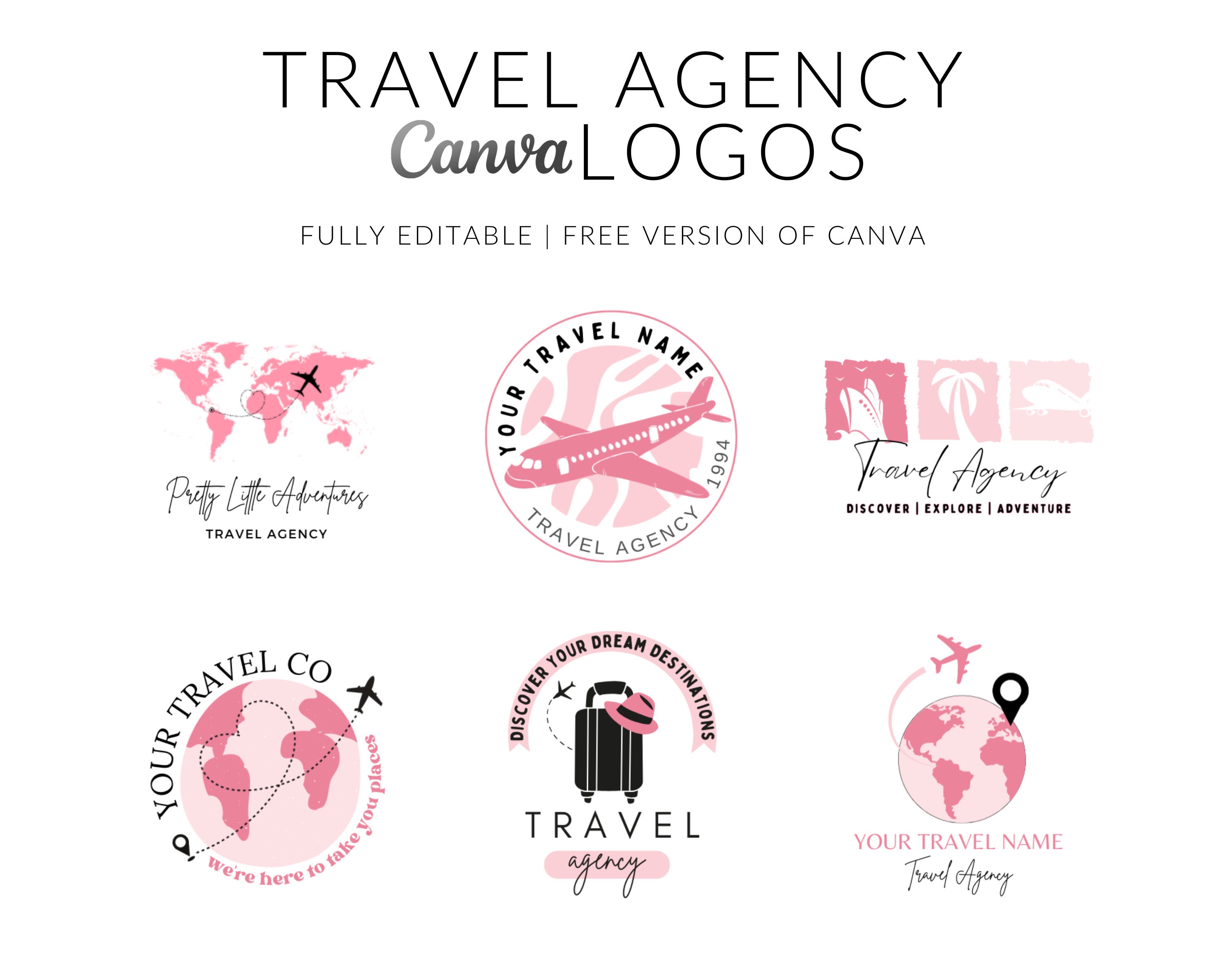
Choosing a professional name for a travel agency is a foundational step in branding, legal registration, and market positioning. A travel agency name serves as the primary identifier for your business, influencing customer perceptions of your expertise, target demographics, and the nature of the travel experiences you curate. Whether you are launching a luxury bespoke travel firm, a budget-focused adventure tour operator, or a corporate travel management entity, your choice of name must balance creativity with clarity and professional rigor.
Understanding the Role of Travel Agency Branding
The name of your travel agency is more than just a label; it is a strategic asset. In the modern travel landscape of 2026, where digital presence is paramount, the name acts as the cornerstone of your SEO strategy, social media handles, and domain availability. A well-constructed name conveys the value proposition of your brand instantly. For example, a name incorporating terms like "Concierge," "Excursions," or "Global" sets different expectations regarding service levels and geographic reach.
When evaluating potential names, consider the cognitive load on the consumer. The best names are typically memorable, easy to spell, and free of confusing phonetic ambiguity. Before finalizing a name, ensure it aligns with your long-term business goals, as rebranding a mature travel business is a costly and complex endeavor involving legal document updates, client re-education, and digital footprint reconciliation.
Criteria for Evaluating Travel Agency Names
To select an effective name, you must apply a structured evaluation framework. This process ensures that your name is not only unique but also legally viable and commercially effective.
- Phonetic Clarity: Does the name sound clear when spoken over the phone? Misunderstandings can lead to lost bookings and poor word-of-mouth reputation.
- Digital Footprint Potential: Is the name available as a
.comor country-specific top-level domain (e.g.,.co.ukor.travel)? Verify social media handle availability simultaneously to ensure brand consistency. - Scalability: Avoid names that are too narrow. If your agency is currently named "Paris Weekend Getaways," you will face significant brand dilution if you later decide to expand into Asian or South American markets.
- Cultural Sensitivity: If your travel agency operates internationally, conduct a linguistic check. A name that sounds sophisticated in English might carry an unintended or negative connotation in another language or culture.
- Legal Availability: The name must not infringe on existing trademarks within your jurisdiction. Consult your national trademark office database to ensure you are not creating a liability for your firm.
Categorizing Travel Agency Names by Market Niche
Different travel agency models benefit from distinct naming conventions. Understanding the common patterns in the industry can help you align your brand with established customer expectations.
| Agency Type | Naming Strategy | Example Concept |
|---|---|---|
| Luxury/Bespoke | Sophisticated, minimalist, or surname-based. | [Name] Prestige Travels |
| Adventure/Outdoor | Action-oriented, nature-inspired, or kinetic. | Zenith Expedition Co. |
| Budget/Value | Direct, functional, and price-focused. | Smart Trip Savings |
| Corporate/B2B | Professional, authoritative, and formal. | Global Corporate Solutions |
| Niche/Cultural | Evocative, thematic, and immersive. | Heritage Path Journeys |
Legal and Regulatory Prerequisites
Before settling on a final list, you must navigate the regulatory landscape of the travel industry. In many jurisdictions, travel agencies are required to register their legal business name with local commerce departments. Furthermore, if you plan to operate as a tour operator or travel broker, you may be subject to specific licensing requirements, such as bonding or financial protection schemes (e.g., ATOL in the UK or state-specific seller of travel laws in the US).
Your chosen business name must often appear on all official documentation, including contracts, service agreements, and invoices. It is advisable to conduct a "DBA" (Doing Business As) search if you intend to operate under a trade name that differs from your legal corporate name. Always keep a copy of your filed registration documents, as these are often requested by suppliers, airlines, and payment processors when setting up merchant accounts.
Conducting a Trademark and Domain Search
Once you have narrowed your list to a few favorites, the validation phase is critical. Do not skip these steps, as investing in marketing a name that you do not own can lead to "cease and desist" letters and total loss of your initial investment.
- Trademark Databases: Use official government portals, such as the USPTO (United States), EUIPO (European Union), or CIPO (Canada), to search for similar marks in the travel services sector (typically Class 39 in international classifications).
- Domain Verification: Check domain registrars to see if the name is taken. Even if the domain is taken by a non-travel entity, it may lead to brand confusion that negatively affects your search ranking.
- Search Engine Audit: Run a broad search for the name. If the first two pages of results are dominated by a large, established entity, choose a different name. You want your agency to appear at the top of the search results for its own name.
Common Mistakes to Avoid
A common error is over-complicating the name. Avoid hyphens, numbers, or non-standard spellings like "Travl" or "Voyagez4U." While these might seem modern, they create friction for the user and increase the likelihood of typing errors. Another mistake is using overly generic terms. Names like "Best Travel Agency" are not only difficult to trademark but also fail to distinguish your brand in a crowded market.
Furthermore, avoid naming your agency after a temporary trend. Trends in travel marketing change rapidly, and a name rooted in a transient style can make your business look outdated within a few years. Aim for a name that reflects the core, enduring value you provide to your clients, whether that is convenience, luxury, safety, or unique discovery.
Practical Steps for Finalizing Your Selection
After performing your research, follow this workflow to finalize your choice:
- Draft a Longlist: Generate 20–30 candidates based on your niche, brand values, and target demographic.
- Filter by Availability: Remove names where the primary domain is taken or the trademark is clearly held by another travel-related entity.
- Test for "Memorability": Ask potential clients or industry mentors for feedback. Present them with three options and ask which one sounds like the most trustworthy or exciting brand.
- Check Social Media: Confirm that the name is available on essential platforms like Instagram, LinkedIn, and Facebook.
- Secure the Name: Once chosen, move quickly to register your domain and your legal business name to prevent others from claiming your preferred identity.
Frequently Asked Questions
1. Should I use my own name for my travel agency? Using your own name can build personal trust and is common for independent, high-end travel consultants. However, it may limit the resale value of the business, as the agency becomes synonymous with your personal brand rather than an independent entity.
2. Is it better to use a descriptive name or an abstract one? Descriptive names are better for SEO and helping clients understand your services immediately. Abstract names offer more branding flexibility but require a larger initial marketing budget to build brand recognition and context.
3. What if the domain is taken but the website is inactive?
Do not assume the name is available. The owner may still hold the rights to the trademark. It is generally safer and more cost-effective to choose a name where the matching .com or country-specific domain is clearly available for acquisition.
4. Do I need to include "Travel" or "Agency" in my name? While not strictly required, including a descriptive term helps potential clients instantly understand your industry. If you choose an abstract name, ensure your marketing materials and website meta-tags clearly define your services to assist with search engine discovery.
5. How often can I change my travel agency name? Legally, you can change your name, but it is highly disruptive. It involves updating banking, licensing, vendor contracts, and digital presence. Treat your naming decision as a permanent commitment to your brand identity.
Recommendation
For most new entrants, the most effective strategy is to combine a niche-specific descriptive term with a unique, easy-to-spell identifier. Prioritize clarity and legal protection over cleverness. Start by performing a comprehensive search of the USPTO or your local trademark registry and verifying domain availability simultaneously. Once a name clears these technical hurdles, register your business identity immediately to secure your place in the competitive 2026 travel market.