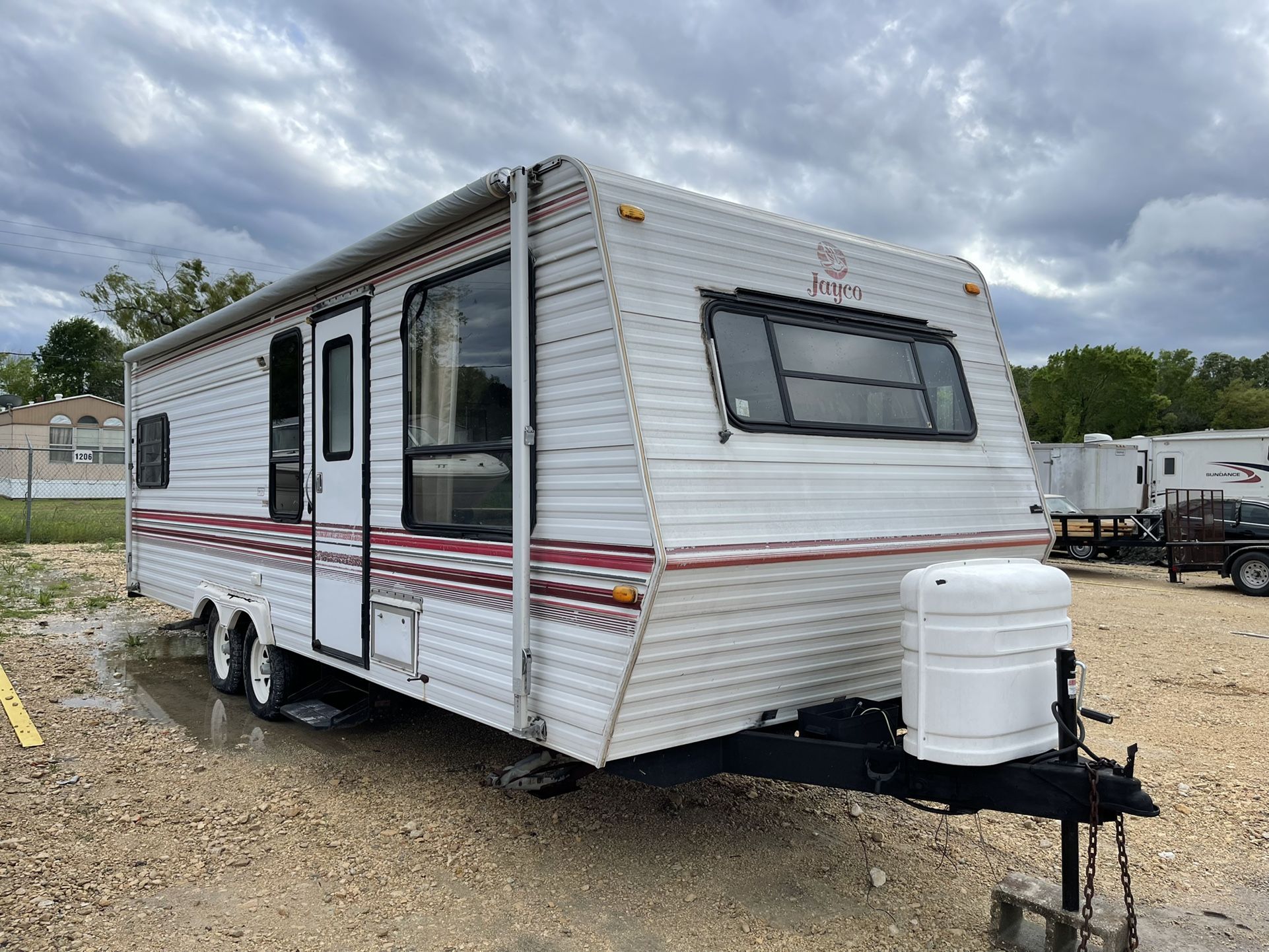
Jayco travel trailers are generally considered mid-range, dependable recreational vehicles that offer a solid balance of build quality, warranty support, and variety. Whether a specific model is "good" depends largely on the buyer’s expectations regarding interior finishes, towing weight, and the frequency of maintenance, as these trailers are manufactured for mass-market consumption rather than extreme off-road durability.
Understanding the Jayco Manufacturing Philosophy
Jayco, a subsidiary of Thor Industries, occupies a significant portion of the North American towable market. Their manufacturing philosophy is rooted in volume production, which allows them to offer a diverse range of floor plans—from the compact Jay Flight to the more luxurious North Point series.
The core of the "Jayco experience" often centers on their "Customer First" warranty program. As of 2026, they continue to offer a two-year limited structural warranty, which is longer than the industry-standard one-year warranty offered by many competitors. This indicates a baseline of confidence in their structural assembly. However, prospective buyers should recognize that this warranty is limited; it covers structural components—such as framing, floor, roof, and walls—but often excludes the myriad of third-party components found in any RV, such as refrigerators, air conditioners, and water heaters. These internal appliances are typically covered by their individual manufacturers, not Jayco directly.
Build Quality and Construction Standards
One of the most frequent questions regarding Jayco quality relates to their construction methods. Jayco utilizes a mix of vacuum-bonded laminated walls and traditional stick-and-tin construction, depending on the model line.
Stick-and-tin construction, found in many of their entry-level models, is often easier to repair if a leak occurs, as the wall panels are not fused together with the structural frame. Conversely, vacuum-bonded laminated construction offers a higher strength-to-weight ratio and better insulation properties, which is essential for those planning to travel in varied climates.
It is important to manage expectations regarding the "fit and finish." Because Jayco operates on assembly-line production, buyers may occasionally find minor inconsistencies, such as loose trim, sawdust behind drawers, or misaligned cabinet doors. While these issues rarely affect the structural integrity or roadworthiness of the trailer, they are common in the industry and should be inspected during the PDI (Pre-Delivery Inspection).
Key Factors for Assessing Value
To determine if a Jayco travel trailer is the right fit for your lifestyle, you must evaluate it across four critical performance dimensions:
- Chassis and Suspension: Jayco frequently uses frames supplied by Lippert Components. While these are industry standard, the quality of the ride depends on whether the model is equipped with upgraded suspension systems like Dexter Axles or E-Z Lube hubs, which simplify long-term maintenance.
- Climate Control and Insulation: If you intend to use your trailer in extreme temperatures, pay attention to "four-season" packages. These packages typically include enclosed and heated underbellies and additional roof insulation. Not all Jayco trailers are designed for freezing temperatures, and attempting to do so in a unit not rated for it can lead to frozen plumbing.
- Appliance Reliability: As previously noted, the appliances inside your trailer are rarely made by Jayco. Researching the reliability of the specific Dometic, Furrion, or Girard components installed in your prospective unit is as important as researching the trailer brand itself.
- Resale Value: Because Jayco produces a high volume of units, they are widely recognized by dealers and private buyers. This makes them relatively easy to resell compared to niche, boutique brands.
Comparative Overview of Common Jayco Lines
The following table provides a high-level comparison of the different market segments Jayco serves as of 2026.
| Model Series | Target User | Construction Type | Key Characteristics |
|---|---|---|---|
| Jay Flight | Families/Beginners | Stick-and-Tin | High value, classic design, durable, heavier weight |
| White Hawk | Couples/Vacationers | Laminated/Fiberglass | Mid-weight, aerodynamic, modern aesthetic |
| Eagle | Full-timers/Extended stay | Laminated/High-end | Enhanced insulation, luxury features, stable towing |
| Jay Feather | Weekend warriors | Laminated/Lightweight | Easy to tow with mid-sized trucks/SUVs |
The Critical Role of the Pre-Delivery Inspection (PDI)
Regardless of the brand, the most crucial step in ensuring your trailer is "good" is the PDI. This process involves a comprehensive check of all systems before you officially take ownership. Never assume a brand-new trailer is defect-free upon delivery.
During the PDI, verify that the following systems are functional:
- Water System: Run all faucets, flush the toilet, and check the water heater’s operation on both gas and electric modes. Ensure there are no leaks under the sinks or near the water pump.
- Electrical System: Test every outlet and light fixture. Ensure the battery charges when plugged into shore power.
- Slide-outs: Extend and retract the slide-outs multiple times to ensure the motors are synchronized and the seals are seating properly.
- Exterior Seams: Examine the sealant around windows, roof vents, and roof-to-wall joints. Water intrusion is the primary cause of long-term trailer degradation; catching a gap in the sealant early can save the structural integrity of the unit.
Addressing Common Complaints
Critics of the RV industry, including Jayco, often point to the "hurry up and build" culture. Reports of vibration during transit can loosen factory screws, and some owners report issues with slide-out floor rot if water is allowed to sit near the seals. These are not necessarily signs of a "bad" product, but rather a reflection of the reality of lightweight construction.
If you are a prospective buyer, you must be prepared to adopt a proactive maintenance schedule. This includes checking the roof seals twice a year, lubricating slide-out tracks, and monitoring tire pressure religiously. A Jayco trailer is a mechanical house on wheels; its longevity is tied directly to how diligently the owner maintains the exterior shell and moving parts.
Frequently Asked Questions
Are Jayco travel trailers better than their competitors? "Better" is subjective. Jayco is generally held in higher regard than entry-level budget brands due to their warranty support and dealer network. However, they are often compared to other "big three" manufacturers like Grand Design or Keystone. Many owners choose Jayco specifically for the balance of the two-year warranty and the availability of parts.
Can I live in a Jayco travel trailer year-round? Only specific models, such as certain trims of the Eagle line, are marketed with features that facilitate extended-season use. Even then, residential living in an RV requires specific modifications and an understanding of moisture control. Most Jayco models are designed for recreational use rather than permanent four-season living.
Where can I get a Jayco trailer serviced? Because Jayco is a major manufacturer, there is a vast network of authorized dealerships across North America. While you can take your trailer to any qualified RV technician, using an authorized dealer for warranty-related repairs is often required to keep your manufacturer's coverage intact.
Do Jayco trailers hold their value? Yes, relatively well. Because they are common and parts are easy to source, there is always a secondary market for used Jayco trailers. You should expect the standard initial depreciation that affects all new vehicles, but you will likely find more liquidity with a Jayco than with a custom-built, obscure brand.
What is the biggest mistake new owners make? The biggest mistake is neglecting the roof maintenance. Owners often assume the factory sealant is permanent. It is not. Annual inspections and touch-ups are mandatory to prevent the leaks that eventually total an RV.
Next Steps for the Prospective Buyer
If you are ready to move forward, prioritize visiting a local dealership to sit inside the floor plans that interest you. The "best" trailer is the one that fits your vehicle’s towing capacity and your family’s storage needs. Before signing any purchase agreement, insist on a full demonstration of all electronic and mechanical systems. Once the purchase is made, commit to a routine maintenance schedule, treating your trailer with the same level of care you would a home, and it will serve you well for many years of travel.