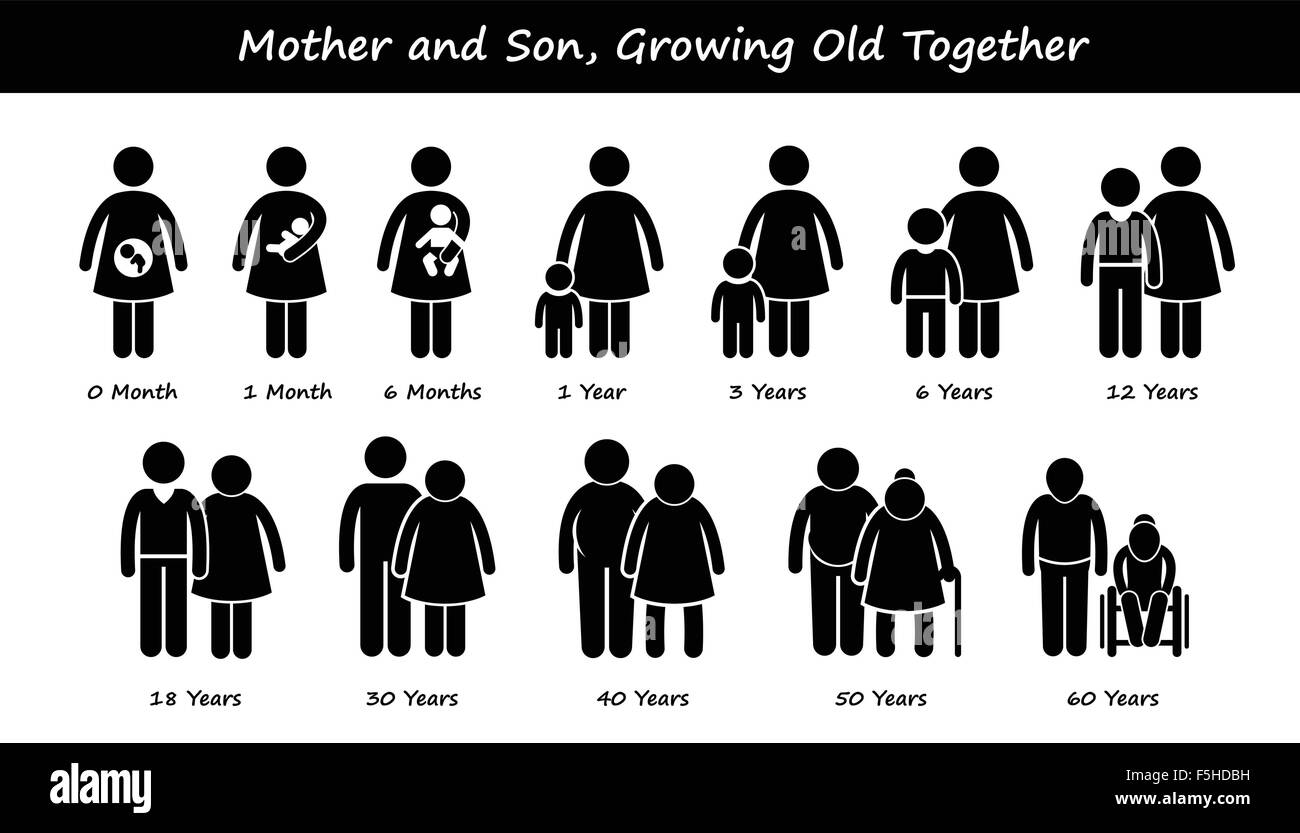
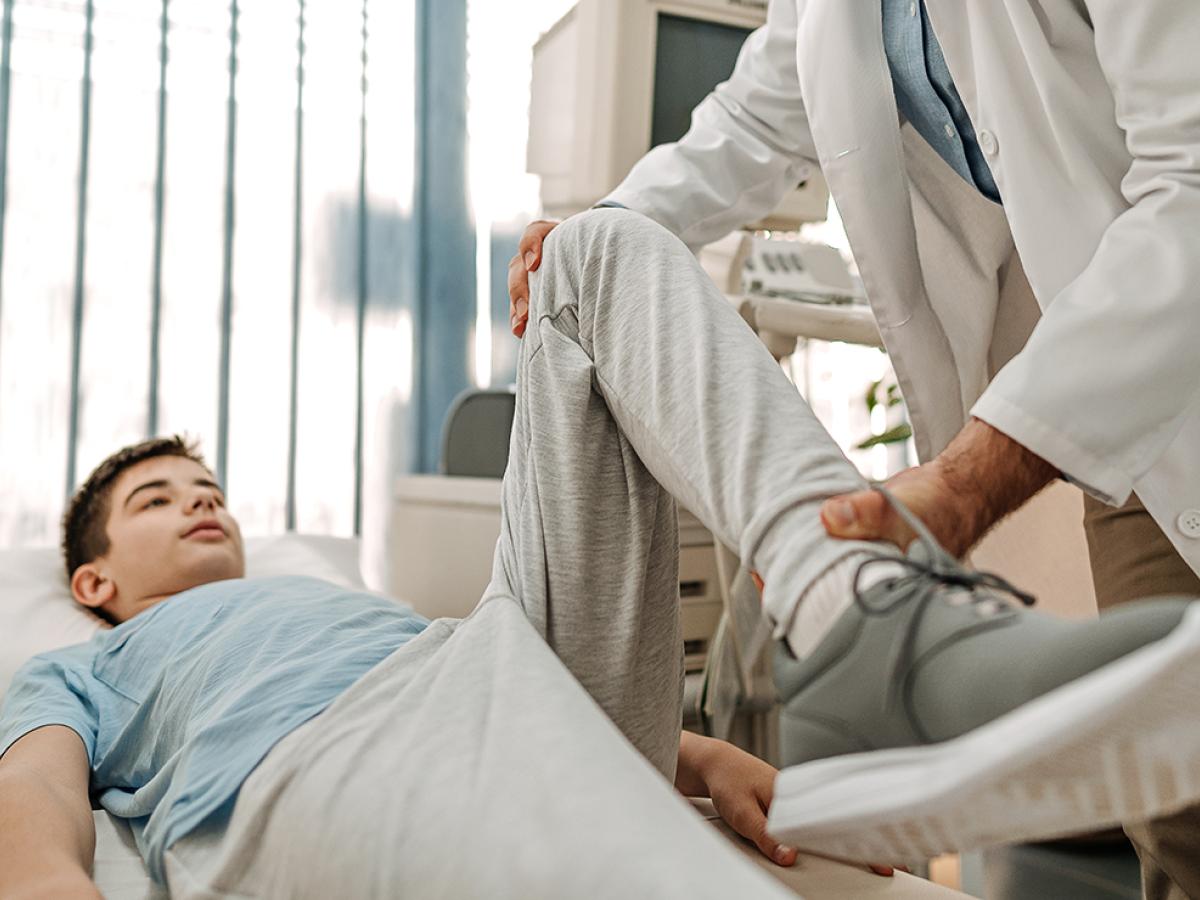
Navigating growing pains in youth development requires a dual approach: addressing the physical discomfort of rapid bone growth and the psychological shifts of identity formation. By combining empathetic listening with evidence-based management of musculoskeletal strain, fathers can guide their children through these inevitable transitions while building a foundation of resilience and trust.
Defining Growing Pains: Beyond the Aching Limbs
In the context of youth development, "growing pains" is a term often used to describe two distinct but overlapping phenomena. The first is the literal physical discomfort—medically known as benign nocturnal limb pains of childhood—that affects nearly 37% of children between the ages of 3 and 12. The second is the metaphorical "pain" of psychological and social maturation, where the child’s burgeoning independence clashes with their existing environment.
As we navigate the parenting landscape of 2026, the definition has expanded. We no longer view these phases as mere hurdles to be cleared but as critical developmental "stress tests." For a father, understanding the distinction between these two is the first step in providing effective support. Physical growing pains are generally harmless, albeit distressing, while developmental growing pains are the signals of a child’s evolving prefrontal cortex and their attempt to define themselves as individuals.
The challenge for many dads is transitioning from the role of "fixer" to the role of "facilitator." When a child is in pain—whether it is a literal ache in their shins at 2:00 AM or the social ache of being excluded from a peer group—the instinct is to provide an immediate solution. However, youth development research suggests that the most effective paternal involvement involves acknowledging the discomfort as a valid part of the growth process rather than a problem that needs to be "erased."
The Physical Reality: Managing Growth-Related Discomfort
Literal growing pains typically present as an ache or throb in the legs, often in the front of the thighs, the calves, or behind the knees. Unlike more serious conditions, these pains are almost always bilateral (occurring in both legs) and strike late in the afternoon or during the night.
It is a common misconception that the bones themselves are "hurting" as they grow. In reality, the discomfort likely stems from the fatigue of muscles and tendons trying to keep pace with the lengthening skeleton, or perhaps a lower-than-average pain threshold during periods of intense physical activity. In 2026, with the rise of early sports specialization, we are seeing an uptick in overuse injuries that are often mistaken for simple growing pains. Distinguishing between "idiopathic" growing pains and conditions like Osgood-Schlatter disease (inflammation of the area just below the knee) is vital for long-term health.
| Condition | Primary Age Range | Primary Symptoms | Recommended Management |
|---|---|---|---|
| Idiopathic Growing Pains | 3–12 years | Bilateral leg pain, nocturnal, no swelling. | Massage, heat pads, stretching, and reassurance. |
| Osgood-Schlatter Disease | 10–15 years | Pain and swelling just below the kneecap; worsens with activity. | Rest, icing, and physical therapy focusing on quadriceps. |
| Sever’s Disease | 8–14 years | Heel pain, especially after running or jumping. | Heel cups, calf stretching, and activity modification. |
| Sinding-Larsen-Johansson | 10–14 years | Pain at the bottom of the kneecap (patella). | Rest, ice, and gradual return to activity. |
Practical Interventions for Physical Pains
When your child wakes up crying from leg pain, the goal is comfort and the restoration of sleep. Deep-tissue massage of the affected muscles often provides the most immediate relief. This tactile support also serves a psychological purpose, reinforcing the father’s role as a source of safety and soothing.
Using heat—such as a warm bath before bed or a heating pad on a low setting—can help relax the muscles. While over-the-counter pain relievers like ibuprofen or acetaminophen are effective, they should be used judiciously and under the guidance of a pediatrician. For a more comprehensive look at managing childhood orthopedic issues, the American Academy of Orthopaedic Surgeons provides detailed protocols on identifying when a "growing pain" is actually a sign of a structural issue.
Cognitive and Emotional Growing Pains: The 2026 Landscape
While physical pains are localized to the limbs, developmental growing pains affect the entire family dynamic. In 2026, children are navigating a world where the "digital self" and the "physical self" are inextricably linked. This creates a unique set of developmental stressors that previous generations did not face in the same way.
The prefrontal cortex—the part of the brain responsible for decision-making, impulse control, and executive function—does not fully mature until the mid-20s. During the middle school and early high school years, there is a "mismatch" between the highly sensitive emotional centers of the brain (the limbic system) and the still-developing control centers. This creates a period of high volatility. For a father, this often manifests as "growing pains" in the form of mood swings, defiance, or sudden withdrawal.
The Identity Crisis Phase
As children enter puberty, they begin the process of individuation. This is the necessary developmental task of separating their identity from that of their parents. It is often painful for dads because it involves the child rejecting things they once loved—hobbies shared with dad, family traditions, or even the father’s advice.
Understanding that this rejection is not a failure of parenting but a sign of healthy development is crucial. The child is "trying on" different versions of themselves. The friction caused by this experimentation is the psychological equivalent of a growth spurt. It requires the father to provide a "secure base"—a term from attachment theory—where the child feels free to explore but knows they have a safe place to return to.
The Dad’s Role: Strategies for Support and Resilience
A father's influence on youth development is unique and powerful. Research consistently shows that positive paternal involvement is linked to higher levels of social-emotional competence and better academic outcomes. However, supporting a child through growing pains requires a specific set of skills: emotional regulation and resilience modeling.
Transitioning from "Fixer" to "Coach"
Dads often fall into the trap of trying to solve the child's problem immediately. If the child is struggling with a difficult friendship (an emotional growing pain), the dad might suggest cutting the friend off or intervening with the other parents. In 2026, the more effective approach is "coaching."
Coaching involves asking open-ended questions:
- "What do you think is making this situation so hard right now?"
- "How do you think you want to handle this tomorrow?"
- "I can see you're really frustrated; do you want me to listen, or do you want me to help you brainstorm?"
By giving the child the tools to navigate their own discomfort, the father helps build the child’s self-efficacy. This is the cornerstone of resilience. The Child Mind Institute offers excellent resources for parents on how to build these communication bridges without overstepping.
Modeling Vulnerability and Persistence
Dads serve as the primary model for how to handle pain and setbacks. When a father speaks openly about his own "growing pains"—whether they are professional challenges or the difficulty of learning a new skill—he de-stigmatizes the child’s own struggle. Showing that discomfort is a temporary state on the way to mastery is a vital lesson.
Communication Bridges: Talking Through the Tough Shifts
Communication often breaks down during the peak of developmental growing pains. The child may become "monosyllabic," responding to every question with "fine" or "I don't know." To bridge this gap, fathers need to change the environment of the conversation.
The "Side-by-Side" Approach
Many boys and young men, in particular, find face-to-face emotional conversations intimidating. It feels like an interrogation. Effective dads use "side-by-side" communication. This involves talking while engaged in another activity—driving in the car, working on a project in the garage, or playing a video game.
When the eyes are focused on a task, the pressure of the conversation is lowered. This is often when the most significant revelations about a child’s internal "growing pains" come to light. The activity provides a "buffer" that makes vulnerability feel safer.
Validating the "Why"
It is tempting to dismiss a child’s emotional pain as "dramatic" or "minor" compared to adult problems. However, to a developing brain, a social slight or a failed test feels like a catastrophe. Validation does not mean agreeing that the situation is a catastrophe; it means acknowledging that the feeling is real.
- Dismissal: "It’s just a game, don't worry about it."
- Validation: "I can see how much work you put into that game, and it really sucks that it didn't go the way you wanted."
Balancing Sports and Specialization: Avoiding Physical Burnout
In 2026, the pressure on youth athletes has never been higher. The trend toward year-round sports specialization has led to an increase in "overuse" growing pains. For a dad, being an advocate for the child’s physical health often means being the one to "pull the plug" on excessive training.
Recognizing Overuse Injuries
If a child’s "growing pains" are localized to a specific joint, occur during activity rather than at night, or are accompanied by limping or swelling, it is likely not a benign growth issue. It is a mechanical issue.
Common overuse areas include:
- The Elbow (Little League Elbow): Common in pitchers.
- The Lower Back (Spondylolysis): Common in gymnasts and football players.
- The Shins (Stress Fractures): Common in runners.
Fathers should monitor the "volume" of their child’s activity. The general rule of thumb used by pediatric sports medicine experts is that a child should not spend more hours per week on a single sport than their age in years. For example, a 12-year-old should cap their specialized training at 12 hours a week to mitigate the risk of chronic pain.
When to Seek Professional Help
While most growing pains—both physical and emotional—are a normal part of the journey, there are "red flags" that require professional intervention. As a dad, being the "first responder" means knowing when to call in the experts.
Physical Red Flags
Seek a consultation with a pediatrician if you notice:
- Persistent Morning Pain: Growing pains usually happen at night. Pain that is worst in the morning can be a sign of juvenile arthritis.
- Unilateral Pain: Pain that is always in the same single leg.
- Fever or Weight Loss: These are systemic symptoms that indicate something other than growth.
- Visible Inflammation: Redness, warmth, or significant swelling in a joint.
Emotional Red Flags
Consult a mental health professional if the child exhibits:
- Prolonged Withdrawal: Staying in their room for days at a time and refusing to engage with anyone.
- Drastic Changes in Sleep or Appetite: Significant shifts that last more than two weeks.
- Loss of Interest: A sudden abandonment of all hobbies and interests they previously enjoyed.
- Expressions of Hopelessness: Language indicating that they don't see a future for themselves.
The Centers for Disease Control and Prevention (CDC) provides updated developmental milestones and "positive parenting" tips that can help dads determine if their child's behavior is within the normal range for 2026.
FAQ: Common Questions from Dads
Do growing pains actually mean my child is getting taller?
There is no clinical evidence that the process of bone lengthening causes pain. "Growing pains" is a misnomer; the pain is more likely related to the activity levels and muscle fatigue that accompany the ages where growth spurts are most common. However, the term remains the standard way to describe these idiopathic nocturnal aches.
How can I tell if my son is just being a teenager or if he's depressed?
This is the ultimate "developmental growing pain" question. Normal teenage behavior usually includes a degree of moodiness but also periods of joy, engagement with friends, and the ability to function at school. Depression is characterized by "pervasive" sadness or irritability—it doesn't lift, even when good things happen, and it significantly impairs their ability to go about their daily life.
My daughter’s growth spurt is causing her back pain. Is this normal?
Rapid growth can lead to temporary postural changes and muscle tightness in the back. However, persistent back pain in children and adolescents is not considered a standard "growing pain." It should be evaluated by a professional to rule out conditions like scoliosis or Scheuermann's disease.
Should I let my kid "play through" the pain?
For idiopathic growing pains (nighttime aches), yes—activity during the day is fine and even encouraged. However, if the pain is "mechanical" (hurts while they are running or jumping), they should not play through it. Playing through an overuse injury can turn a two-week recovery into a six-month recovery.
Can diet help with growing pains?
While diet doesn't "cure" growing pains, maintaining adequate levels of Vitamin D and Calcium is essential for bone health during growth spurts. Some studies suggest that magnesium may help with muscle relaxation, but always consult a pediatrician before starting any supplementation.
Moving Forward: The Power of Presence
The most important tool a father has in navigating youth development is not a medical protocol or a psychological theory—it is consistency. Growing pains, by their very nature, are transient. They are a sign that a child is moving from one stage of life to the next.
As we look at the remainder of 2026 and beyond, the role of the father is to be the "anchor." When the child’s world is changing rapidly, and their body or emotions feel out of their control, the steady presence of a dad who is patient, observant, and supportive provides the necessary stability. Embrace the discomfort as evidence of progress. Your job isn't to stop the growth; it's to ensure the child has the support they need to grow strong, healthy, and resilient.