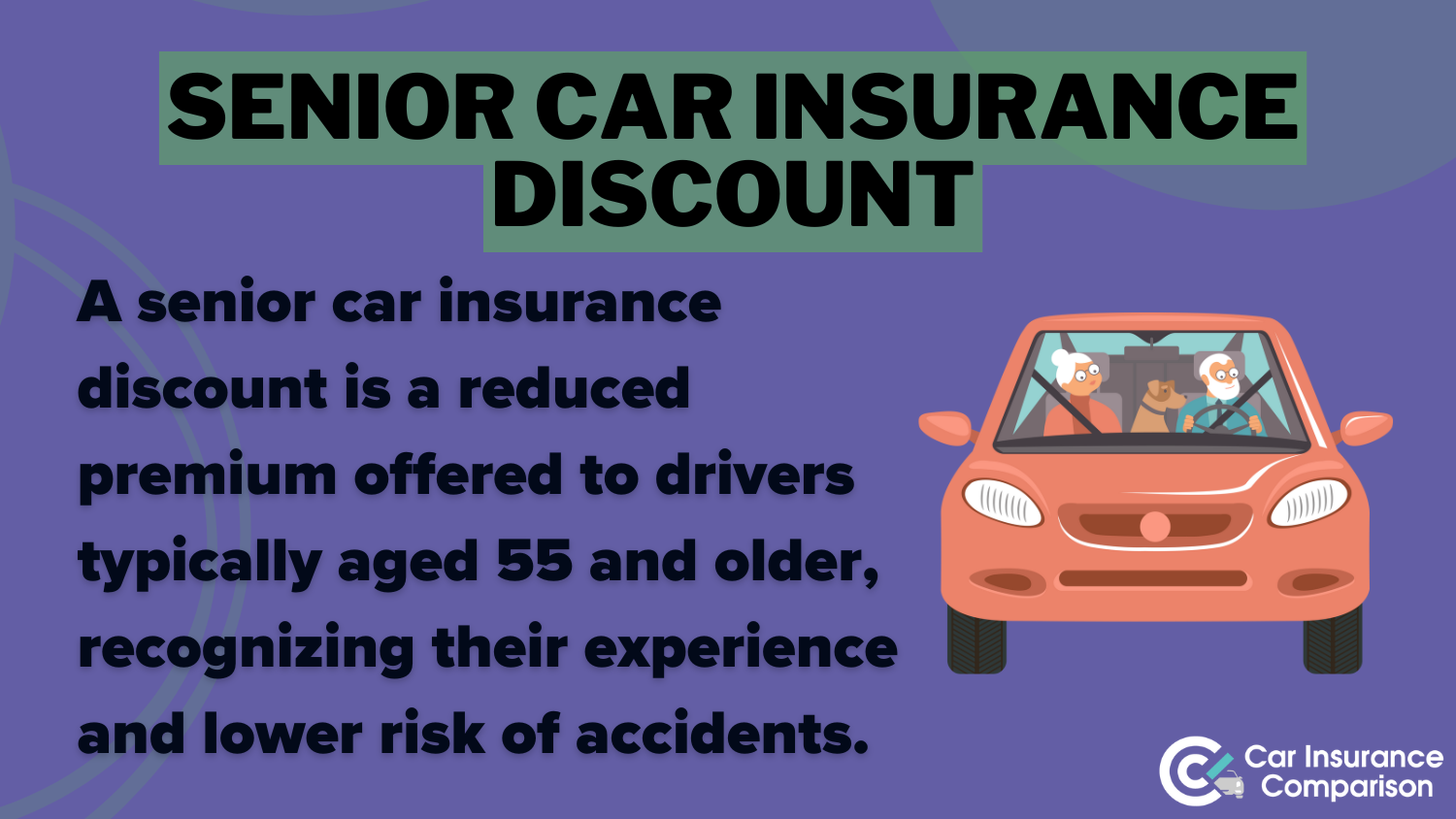
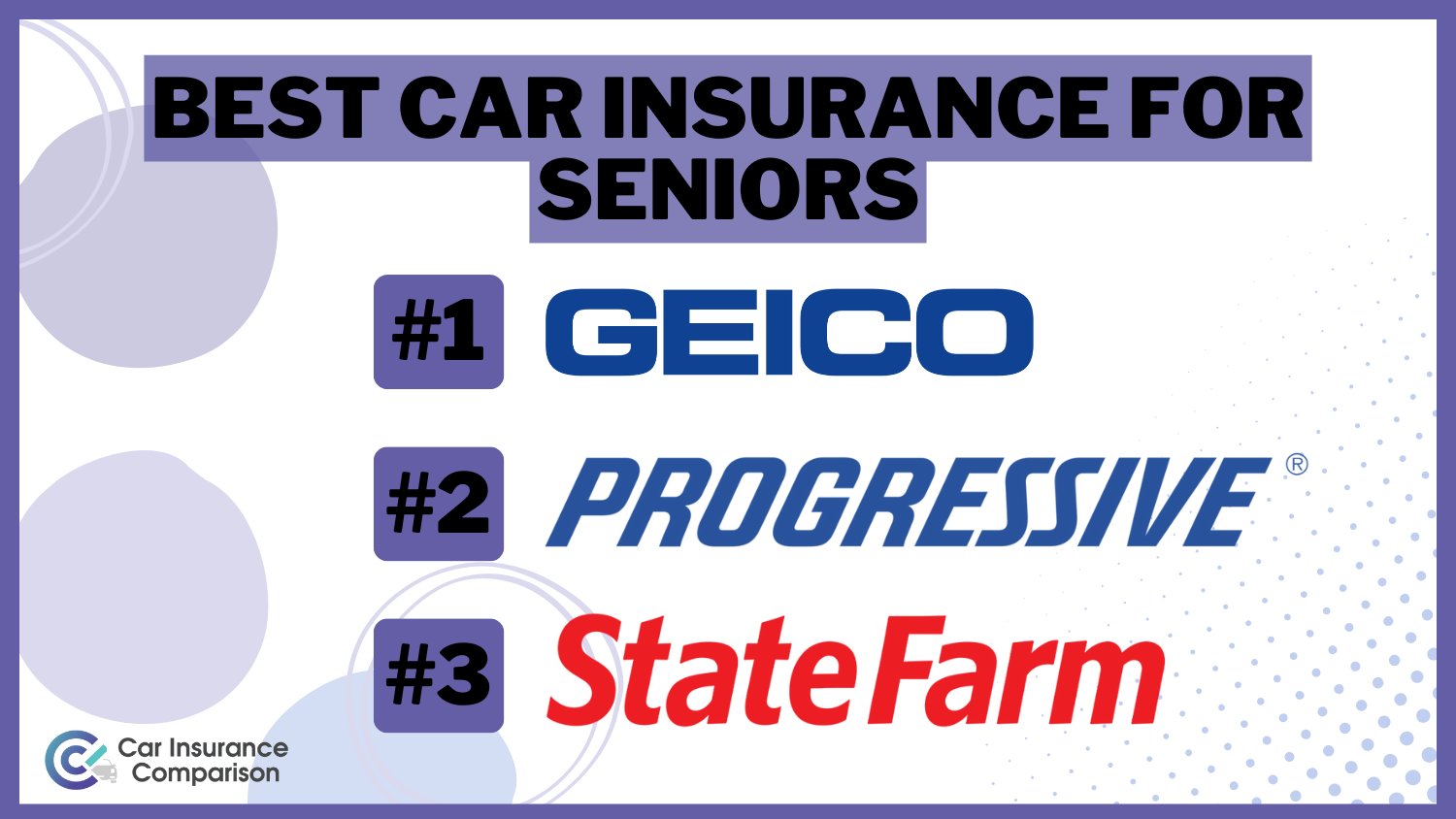
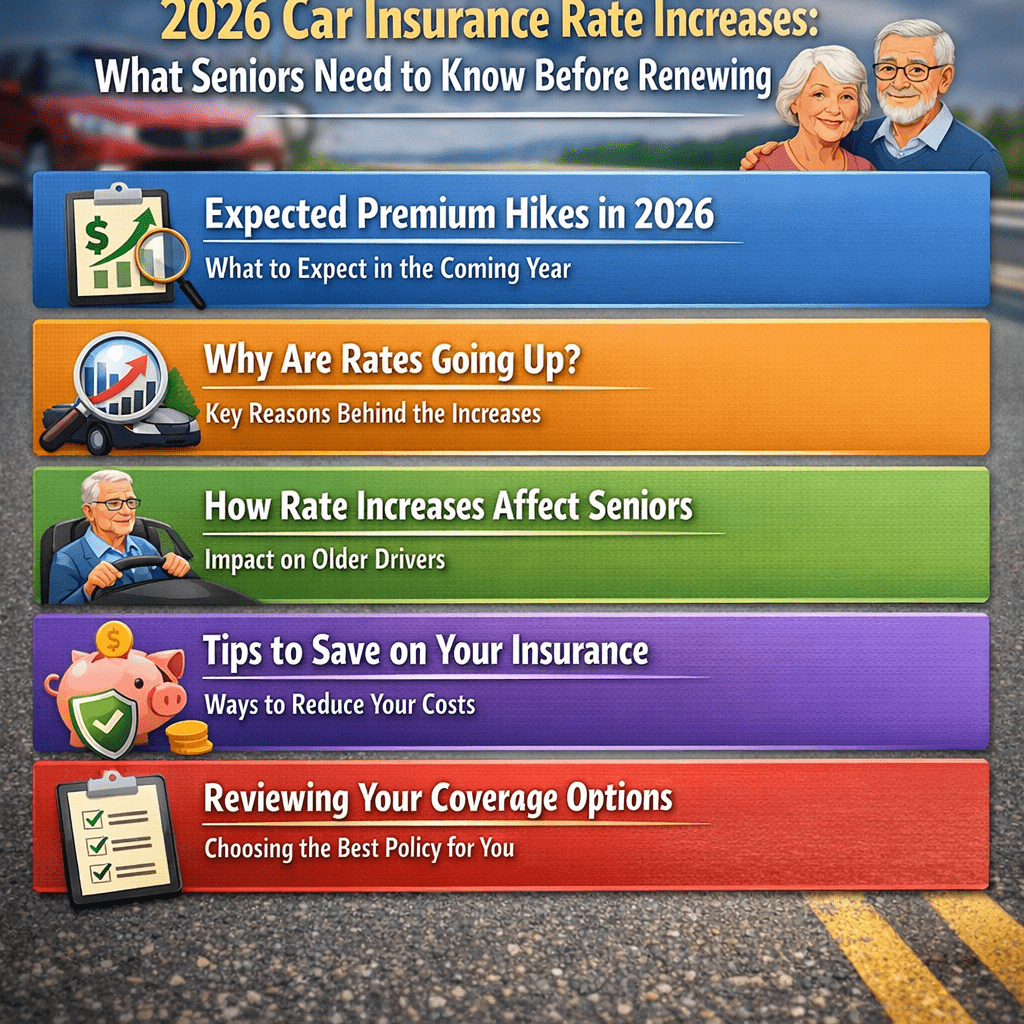
Comparing auto insurance for seniors requires evaluating specialized benefits like lifetime renewability, disappearing deductibles, and low-mileage discounts. In 2026, the best value is found by balancing traditional coverage with telematics-based pricing. Leading providers such as The Hartford (via AARP), USAA, and State Farm currently offer the most robust protections for aging drivers.
The landscape of automotive insurance for drivers over the age of 65 has undergone significant shifts as we move through 2026. While experience behind the wheel typically leads to lower premiums during middle age, drivers often see a gradual increase in rates as they enter their 70s and 80s. This "U-shaped" risk curve is a result of actuarial data suggesting that while seniors are generally more cautious, biological factors such as slower reaction times and increased fragility can lead to higher claim costs. However, modern vehicle safety technology and specialized senior-centric policies have created new opportunities for savings.
Understanding the Senior Insurance Market in 2026
For seniors, auto insurance is no longer a "one size fits all" product. The primary objective for many in this demographic is to protect their retirement assets from liability claims while accounting for a lifestyle that often involves less commuting and more leisure travel.
Insurers categorize senior drivers based on a variety of risk factors. Data from the Insurance Institute for Highway Safety (IIHS) indicates that while older drivers have fewer crashes per capita than younger drivers, they have higher crash rates per mile driven. This distinction is crucial because it means that a senior who drives significantly fewer miles than they did during their working years can often mitigate age-related rate hikes by switching to a pay-per-mile or telematics-based policy.
The Role of Actuarial Risk and Aging
Actuaries—the professionals who calculate insurance risks—monitor trends in medical costs and vehicle repair technologies. For seniors, the concern is often "medical inflation." An accident that might result in minor bruising for a 30-year-old could lead to a lengthy hospital stay for an 80-year-old. Consequently, Personal Injury Protection (PIP) and Medical Payments (MedPay) coverages are high-priority areas for senior policy comparisons.
Top Auto Insurance Providers for Seniors: A 2026 Analysis
Selecting the right provider involves looking beyond the monthly premium. Seniors should prioritize companies that offer stability, ease of claims processing, and specific perks tailored to their age group.
The Hartford (AARP Auto Insurance Program)
The Hartford remains the most prominent player in the senior market due to its long-standing partnership with AARP. Its policies are designed specifically for drivers over 50.
- Lifetime Renewability: One of the most significant benefits is the "Lifetime Renewability" clause. As long as the policyholder maintains a valid driver’s license and pays their premiums, The Hartford guarantees they will not be dropped due to age or accidents.
- RecoverCare: This unique feature provides reimbursement for essential home services—such as cleaning, cooking, and transportation—if the policyholder is injured in an auto accident and cannot perform these tasks.
- AARP Discounts: Members receive exclusive rates that are often lower than the general market for similar coverage levels.
USAA (United Services Automobile Association)
For seniors who are veterans or immediate family members of military personnel, USAA consistently ranks at the top for customer satisfaction and competitive pricing.
- Loyalty and Stability: USAA is known for its high retention rates. Seniors who have been with USAA for decades often benefit from "Legacy" discounts.
- Garaging Discounts: Many seniors spend part of the year in different climates (snowbirds). USAA offers flexible options for vehicles that are kept in storage or garaged for several months of the year.
State Farm
As the largest property and casualty insurer in the United States, State Farm offers a vast network of local agents. This is particularly valuable for seniors who prefer face-to-face interactions over digital-only platforms.
- Drive Safe & Save: This telematics program allows seniors to prove their safe driving habits via a smartphone app or vehicle Bluetooth. In 2026, these programs have become highly sophisticated, offering discounts of up to 30% for low-mileage, daytime-only drivers.
- Mature Driver Discount: State Farm offers specific premium reductions for drivers who complete a state-approved defensive driving course.
Erie Insurance
Operating in 12 states and the District of Columbia, Erie Insurance is a favorite for seniors due to its "Rate Lock" feature.
- Rate Lock: This feature ensures that your premium does not increase unless you change your address, add or remove a vehicle, or change drivers. For a senior on a fixed income, this price certainty is an invaluable financial planning tool.
Comparison of Key Features by Provider (2026)
| Provider | Best For | Key Senior Perk | Telematics Program |
|---|---|---|---|
| The Hartford | Comprehensive Protection | Lifetime Renewability | TrueLane |
| USAA | Veterans & Families | High Member Dividends | SafePilot |
| State Farm | Personalized Service | Extensive Agent Network | Drive Safe & Save |
| Erie Insurance | Price Stability | Rate Lock Feature | YourTurn |
| Geico | Budget-Conscious | Guaranteed Renewal | DriveEasy |
| Progressive | High-Risk/Accidents | Name Your Price Tool | Snapshot |
Essential Coverage Types for Senior Drivers
When comparing policies, seniors must ensure they are not just looking at the "minimum legal requirement." Protecting a lifetime of savings requires higher liability limits.
1. Bodily Injury and Property Damage Liability
With the rising cost of medical care and vehicle technology (such as LIDAR sensors in bumpers), a "fender bender" in 2026 is significantly more expensive than it was a decade ago. Seniors should consider liability limits of at least $100,000 per person and $300,000 per accident to prevent personal assets from being targeted in a lawsuit.
2. Medical Payments (MedPay) and PIP
For those on Medicare, it is important to understand how auto insurance interacts with health coverage. Medicare often acts as a secondary payer in auto accidents. MedPay can cover immediate out-of-pocket costs, such as deductibles and co-pays, which can be substantial for seniors.
3. Uninsured/Underinsured Motorist Coverage
According to the National Association of Insurance Commissioners (NAIC), a significant percentage of drivers remain underinsured. For seniors, whose recovery time from an injury may be longer, ensuring that their own policy will pay for damages caused by an irresponsible driver is a critical safety net.
4. Roadside Assistance
As vehicle complexity increases, DIY roadside repairs become nearly impossible. Most senior-focused policies now offer enhanced roadside assistance that includes towing to a preferred mechanic, battery jumps, and lockout services.
How Seniors Can Lower Their Premiums in 2026
Even as age-related risks rise, there are several concrete steps seniors can take to keep their insurance affordable.
Defensive Driving Courses
Most states mandate that insurance companies provide a discount to drivers over a certain age (usually 55 or 60) who complete an accident prevention course. Organizations like AARP and AAA offer these courses both online and in person. In 2026, many of these courses focus on modern vehicle technologies like lane-departure warnings and adaptive cruise control.
Leveraging Telematics and Usage-Based Insurance (UBI)
If you drive less than 7,500 miles per year, you are likely overpaying for traditional insurance. Usage-based programs track your actual driving habits. For a retiree who stays off the road during rush hour and late-night hours, telematics can result in significant savings. However, it is vital to check the privacy policy of the insurer to ensure you are comfortable with the data being collected.
Annual Policy Reviews
Insurance companies often use "price optimization" algorithms, which can lead to gradual rate increases for loyal customers who don't shop around. Seniors should perform a formal comparison every 12 months. Tools provided by the National Association of Insurance Commissioners (NAIC) can help consumers verify the complaint ratios of companies they are considering.
Bundling Policies
Combining auto insurance with homeowners or renters insurance remains one of the most effective ways to secure a multi-policy discount. For seniors who have paid off their mortgages, bundling can simplify their monthly bill management while reducing total insurance expenditures by 10% to 25%.
Common Challenges and How to Overcome Them
Handling Policy Non-Renewal
In some cases, an insurer may choose not to renew a policy if they perceive the risk has become too high—often after multiple at-fault accidents or a series of traffic violations. If this happens, seniors should look toward "non-standard" insurers or state-assigned risk pools. However, the first step should always be to consult with an independent agent who can shop across multiple carriers.
Health and Driving Ability
In 2026, many states have implemented more frequent vision and road testing for drivers over a certain age. While this can feel intrusive, maintaining a clean driving record and passing these tests can actually be used as leverage when negotiating rates with an insurer.
Practical Steps for Choosing the Best Policy
- Assess Your Mileage: Determine your actual annual mileage. If it is low, prioritize companies with strong telematics or pay-per-mile options.
- Check for Professional Discounts: Many seniors are eligible for discounts based on their former professions (e.g., educators, federal employees, or engineers).
- Verify Financial Stability: Only consider companies with an "A" rating or higher from AM Best or S&P Global. You need to be certain the company can pay out a large claim if necessary.
- Review the "Fine Print" on Renewability: For drivers in their 80s, the "Lifetime Renewability" guarantee offered by programs like AARP/The Hartford is often worth more than a slightly lower premium from a competitor.
Frequently Asked Questions
Does my car insurance automatically go up when I turn 70?
Not necessarily. While many insurers do increase rates for older drivers, the timing and amount vary by company and state. Many seniors avoid a rate hike by taking defensive driving courses or moving to a low-mileage policy. Your driving record and credit score usually remain the most influential factors in your premium calculation.
Is it better for seniors to use a local agent or buy online?
This depends on personal preference. Local agents can provide personalized advice and help navigate complex claims, which many seniors find valuable. However, online-direct companies often have lower overhead, which can result in lower premiums. In 2026, many seniors use a "hybrid" approach—researching online but finalizing the policy through an agent.
Will a defensive driving course really save me money?
Yes. In most states, completing a certified mature driver safety course is legally required to yield a discount on your auto insurance. These discounts typically last for three years and can range from 5% to 15% off your liability and collision premiums.
What is "Lifetime Renewability" and why is it important?
Lifetime Renewability is a contractual promise by the insurer that they will not cancel your policy based on your age or your accident history, provided you are still legally allowed to drive and pay your premiums. This provides peace of mind that you won't be left without coverage during a period when finding a new insurer might be difficult.
Should I choose a higher deductible to save money?
Increasing your deductible (e.g., from $500 to $1,000) will lower your premium. For seniors on a fixed income with a healthy emergency fund, this can be a smart move. However, you must ensure you have the funds readily available to cover that deductible in the event of an accident.
Final Recommendation
For most seniors in 2026, the AARP Auto Insurance Program from The Hartford remains the best overall choice due to its specialized features like RecoverCare and Lifetime Renewability. However, if you are a veteran, USAA should be your first call for potentially lower rates. For those who drive fewer than 5,000 miles per year, a pay-per-mile specialist or a company with a robust telematics program like State Farm will likely provide the greatest cost savings. Regardless of the provider, ensure your liability limits are high enough to protect your retirement assets from the rising costs of litigation and medical care.