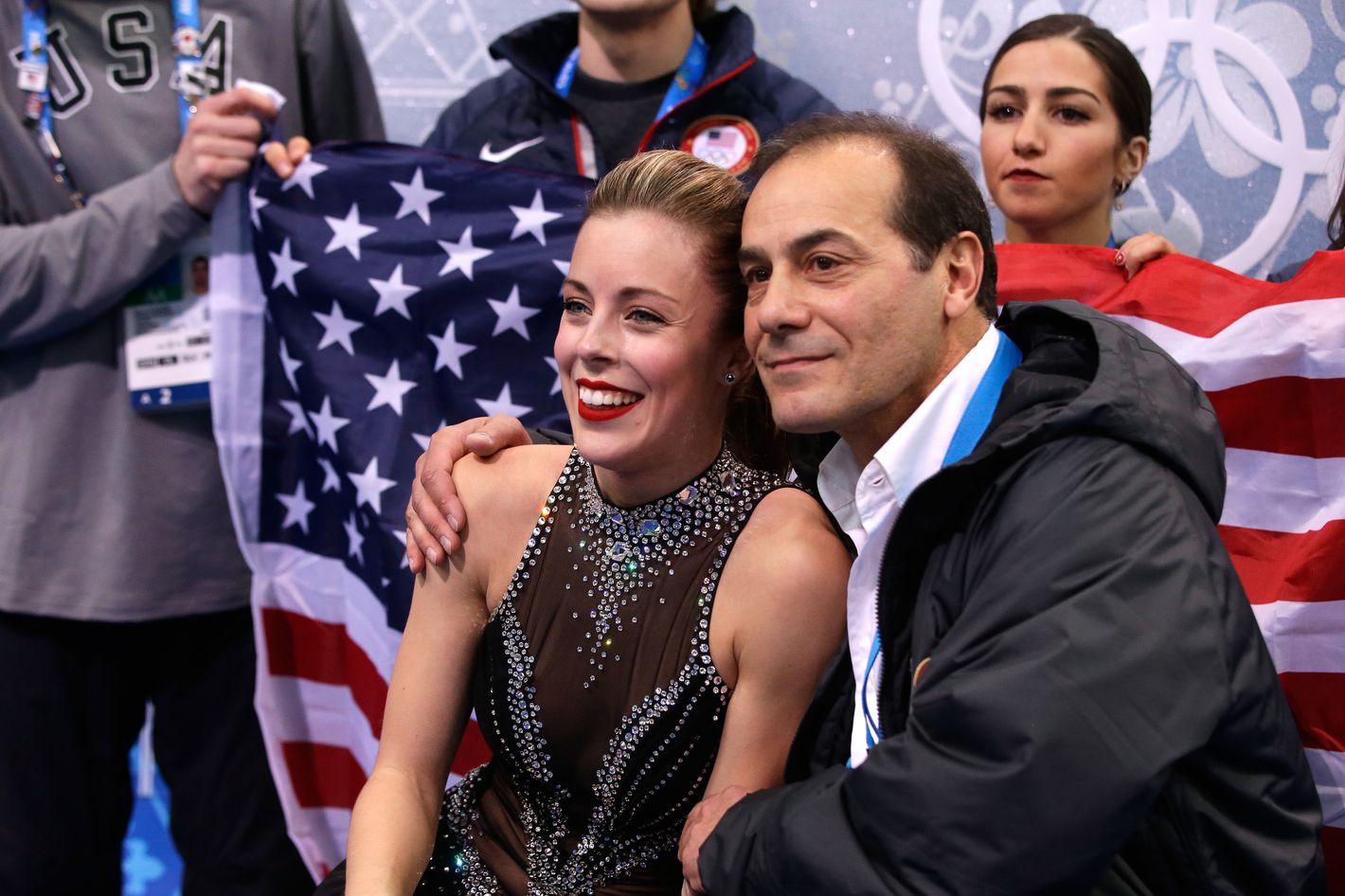
Ashley Wagner’s body represents a paradigm shift in figure skating, moving from the traditional, fragile "ice princess" aesthetic to that of a powerful, muscular athlete. Through her 2017 appearance in ESPN’s The Body Issue and her outspoken advocacy, Wagner redefined the physical expectations for female skaters, emphasizing strength and functional power over restrictive thinness.
The Physicality of Elite Figure Skating: Beyond the Aesthetic
To understand the discussion surrounding Ashley Wagner’s body, one must first understand the brutal physical requirements of modern figure skating. While the sport is often viewed through the lens of artistry and grace, the mechanical demands on a skater’s physique are comparable to those of professional football players or gymnasts.
As a three-time U.S. National Champion and Olympic medalist, Wagner’s body was her primary tool. A typical competitive program requires four minutes of high-intensity aerobic and anaerobic output. During this time, a skater must execute jumps that involve rotating three or more times in the air. The landing of a triple jump, such as Wagner’s signature triple flip-triple toe combination, exerts a force of approximately five to eight times the athlete’s body weight on a single leg.
By 2026, sports science has further quantified these impacts, confirming that the structural integrity of a skater’s joints—specifically the ankles, knees, and hips—depends heavily on surrounding muscle mass. Wagner was one of the first high-profile American skaters to publicly embrace a more muscular build, recognizing that the "waif-like" frame prized in the 1990s was often unsustainable for the high-impact demands of the International Judging System (IJS).
Breaking the Mold: Ashley Wagner and the ESPN Body Issue
In 2017, Ashley Wagner became one of the few figure skaters to feature in ESPN’s The Body Issue. This was a watershed moment for the sport. For decades, the "ideal" figure skating body was synonymous with extreme thinness, often leading to a high prevalence of disordered eating within the community. Wagner used this platform to showcase the reality of an elite skater’s physique: muscular thighs, a strong core, and the inevitable bruises and scars that come from years of hitting the ice.
Her participation was a calculated move to challenge the "dainty" stereotype. In the accompanying interviews, Wagner spoke candidly about the pressure to remain small. She highlighted that her muscles were not an aesthetic choice but a biological necessity for survival in a sport that requires explosive power. By 2026, this move is remembered as a turning point that allowed younger skaters to prioritize nutrition and strength training without the fear of being labeled "too big" for the ice.
The Significance of the "Power Athlete" Label
Wagner often referred to herself as a "power athlete." In the context of the ashley wagner body narrative, this label served two purposes:
- Technical Justification: It explained her ability to maintain speed across the ice and achieve the height necessary for triple-triple combinations.
- Psychological Shield: It provided a framework for her to resist the subjective criticisms of judges who may have preferred the more traditional, slender silhouette of her competitors.
Navigating Body Image in a Subjective Sport
Figure skating is a judged sport, which introduces a layer of complexity regarding body image that objective sports (like track and field) do not share. For much of Wagner's career, there was an unspoken "component score" benefit to looking a certain way. Wagner’s advocacy centered on the idea that "fit" does not have a single look.
The pressure to maintain a specific weight often led to "skating through" injuries. Wagner was vocal about the fact that a body lacking sufficient caloric intake and muscle mass is more prone to stress fractures and ligament tears. By the time she transitioned into her role as a commentator and mentor—a role she continues to hold in 2026—she had become a leading voice in the "Healthy is the New Gold" movement.
The Impact of the International Judging System (IJS)
The shift in Wagner’s physique coincided with the evolution of the IJS. Unlike the old 6.0 system, the IJS rewards technical difficulty (base value) and execution. To rack up points, skaters must perform complex footwork and high-velocity jumps. This shift necessitated a different kind of training. Wagner’s body was a direct reflection of this era: built for torque, rotation, and endurance rather than just a visual line.
Training and Nutrition: How Wagner Sustained a Professional Career
To maintain her physique, Wagner moved away from the "starvation diets" that plagued previous generations. Her regimen was a balance of on-ice mastery and rigorous off-ice conditioning. In 2026, her training philosophy remains a blueprint for longevity in the sport.
Off-Ice Conditioning
Wagner’s off-ice work focused on three pillars:
- Plyometrics: Box jumps and lateral bounds to build the "twitch" muscles needed for jump takeoffs.
- Core Stability: Essential for maintaining a tight rotational axis in the air.
- Weight Training: Using resistance to build bone density, which is critical for female athletes facing high-impact landings.
Nutrition as Fuel
Wagner was one of the first skaters to talk openly about eating for performance. She famously noted that she couldn't get through a grueling three-hour practice session on a salad. Her diet included complex carbohydrates for sustained energy and high protein for muscle recovery. This transparency helped demystify the "perfect" athlete diet and encouraged a more science-based approach to nutrition in US Figure Skating.
| Aspect of Training | Traditional Method (Pre-2000s) | Wagner’s Modern Approach |
|---|---|---|
| Primary Goal | Aesthetic thinness and grace | Functional power and durability |
| Off-Ice Work | Ballet and light stretching | Weightlifting, HIIT, and plyometrics |
| Nutrition | Caloric restriction | Macro-balanced fueling for recovery |
| Longevity | Early retirement (often by age 19-21) | Sustained peak performance into mid-20s |
| Injury Focus | Masking pain to maintain "form" | Proactive physical therapy and muscle building |
The Biomechanics of the Ashley Wagner Body
When analysts look at Wagner’s career, they often point to her "explosive" style. Biomechanically, this was possible because of her lower-body strength. The quadriceps and glutes are the engines of a figure skater. Wagner’s development in these areas allowed her to maintain high speeds entering jumps, which converted horizontal velocity into vertical height.
Furthermore, her core strength allowed her to resist the centrifugal force generated during spins and rotations. Without a robust muscular "corset," a skater’s air position will "break," leading to falls or cheated rotations. Wagner’s physical preparation ensured that even in the final minute of a long program—when fatigue is at its peak—she had the structural integrity to land her jumps.
Body Advocacy in the Post-Competitive Era
Since retiring from competitive skating, Wagner has not stepped away from the conversation regarding the ashley wagner body and what it represents. In 2026, she is frequently cited in discussions regarding the "age limit" changes in figure skating. The International Skating Union (ISU) eventually raised the minimum age for senior competition to 17, a move Wagner supported.
She argued that raising the age limit would allow for more mature, developed bodies on the ice, reducing the incentive for "prepubescent" physiques that are often achieved through unhealthy means. Her own career, which saw her reach her peak in her mid-20s, serves as the primary evidence that a mature, muscular body can be more successful and durable than the alternative.
Frequently Asked Questions
Why was Ashley Wagner's appearance in the ESPN Body Issue significant?
It was significant because it broke the silence regarding the physical reality of figure skating. By showing her muscles, bruises, and athletic build, Wagner challenged the "fragile" stereotype of female skaters and promoted a healthier, strength-based image for the next generation of athletes.
Did Ashley Wagner struggle with body image during her career?
Yes, Wagner has been very open about the pressures she felt to conform to certain weight standards. She has spoken about the "judging eyes" of the sport and how she had to consciously decide to prioritize her health and strength over a specific number on the scale.
How did Wagner’s training differ from skaters of the past?
Wagner utilized more modern sports science, including heavy weightlifting and plyometrics. Past generations focused almost exclusively on-ice and on ballet, often neglecting the raw strength training necessary to protect the body from the high-impact forces of modern triple and quadruple jumps.
What is Ashley Wagner's stance on the figure skating age limit?
Wagner has been a vocal supporter of increasing the minimum age for senior competition. She believes that the sport should celebrate mature athletes and that raising the age limit discourages the dangerous training and dieting practices often used to keep young skaters in "pre-pubescent" bodies.
How did Wagner’s body type affect her skating style?
Her muscular build contributed to her "power skating" style. It gave her the leg strength to cover more ice with fewer strides and the explosive power to achieve high-altitude jumps, which was a hallmark of her competitive programs.
What is Ashley Wagner doing in 2026?
As of 2026, Ashley Wagner remains an influential figure in the skating world as a commentator, coach, and advocate for athlete mental and physical health. She continues to work with organizations to improve the culture of body image and nutrition within aesthetic sports.
Practical Recommendation: Embracing Functional Strength
For young athletes or fans looking to emulate Wagner’s approach to fitness, the primary takeaway is the prioritization of functional strength. In any aesthetic or high-impact sport, the body must be treated as a high-performance machine. This means:
- Prioritizing Bone Density: Incorporate resistance training to protect against the impacts of jumping and running.
- Fueling the Work: Abandon restrictive dieting in favor of nutritional plans that support muscle repair and energy levels.
- Valuing Longevity: Recognize that a body built on a foundation of strength will have a much longer "shelf life" in sports than one built on extreme restriction.
Ashley Wagner’s legacy is not just her medals, but the permission she gave to female athletes to be powerful, visible, and unapologetically strong.