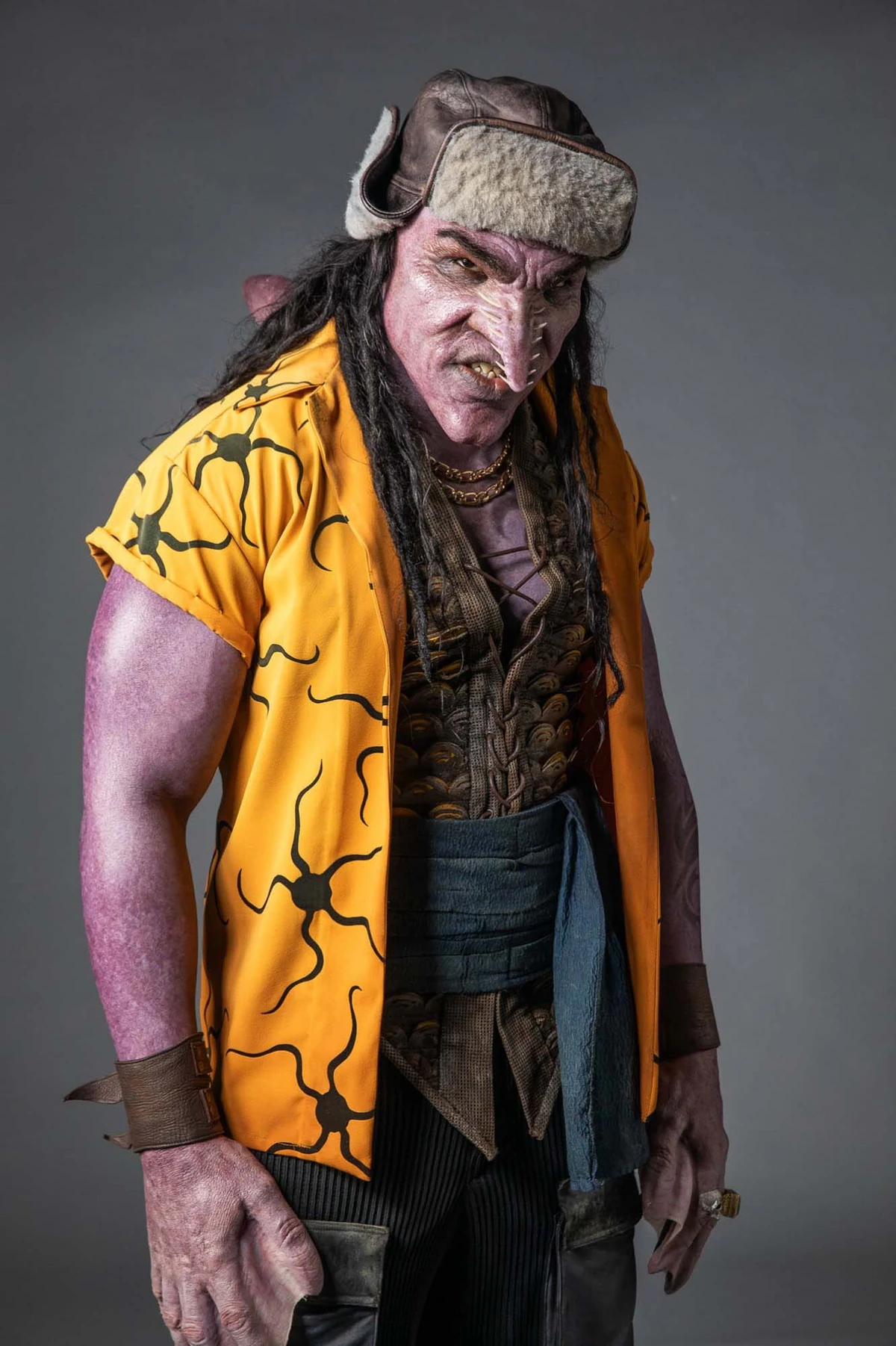
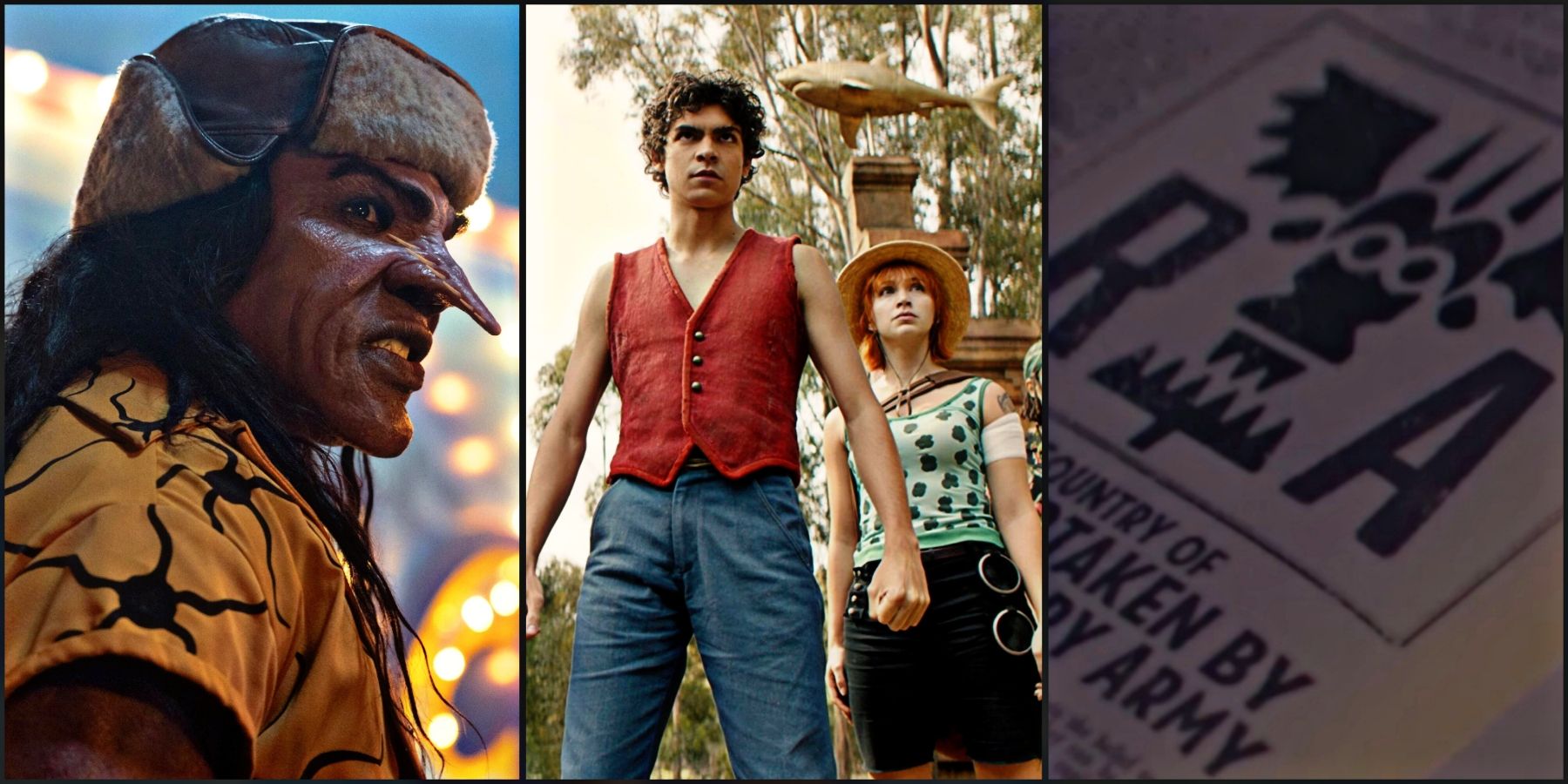
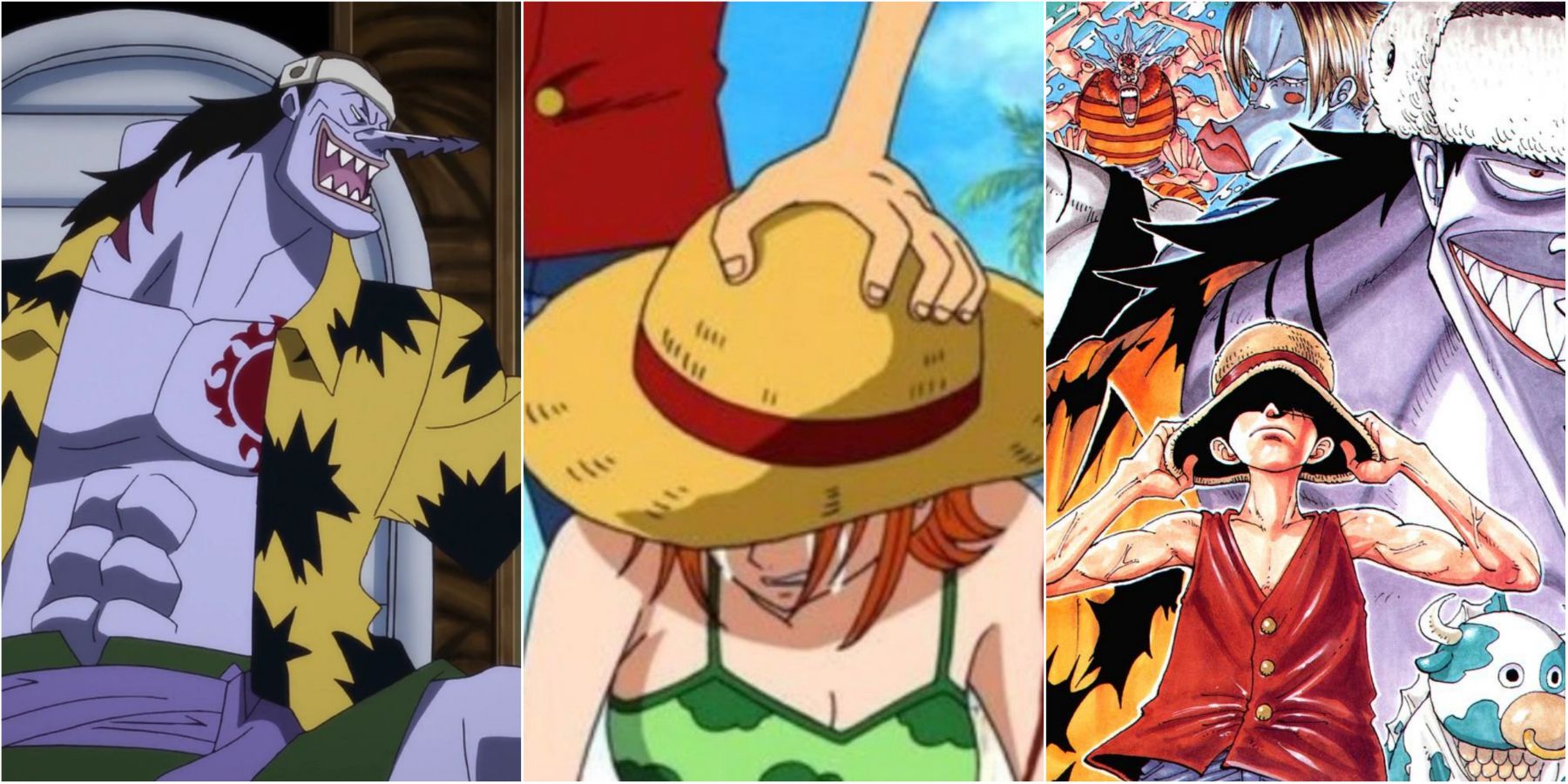
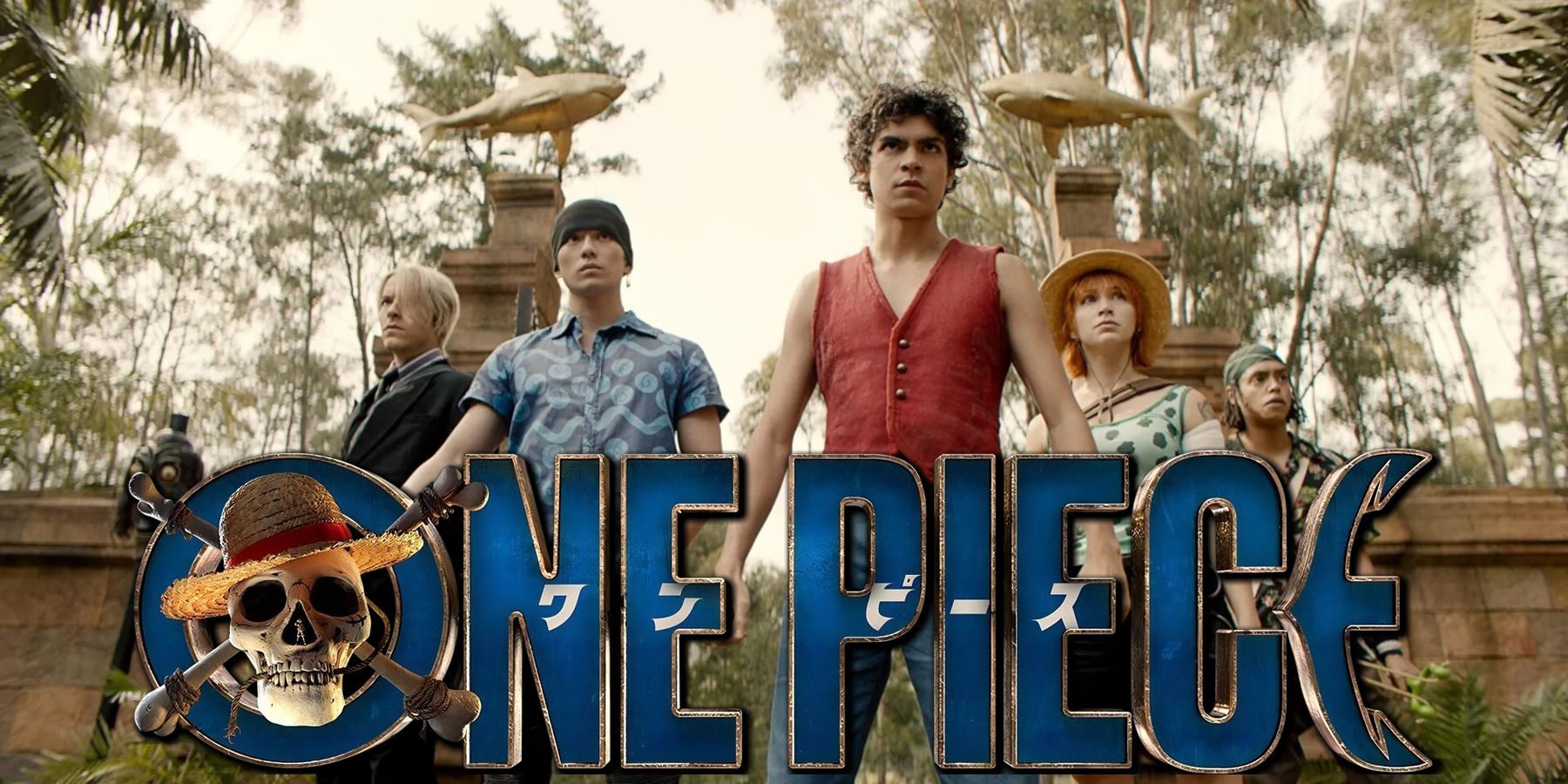
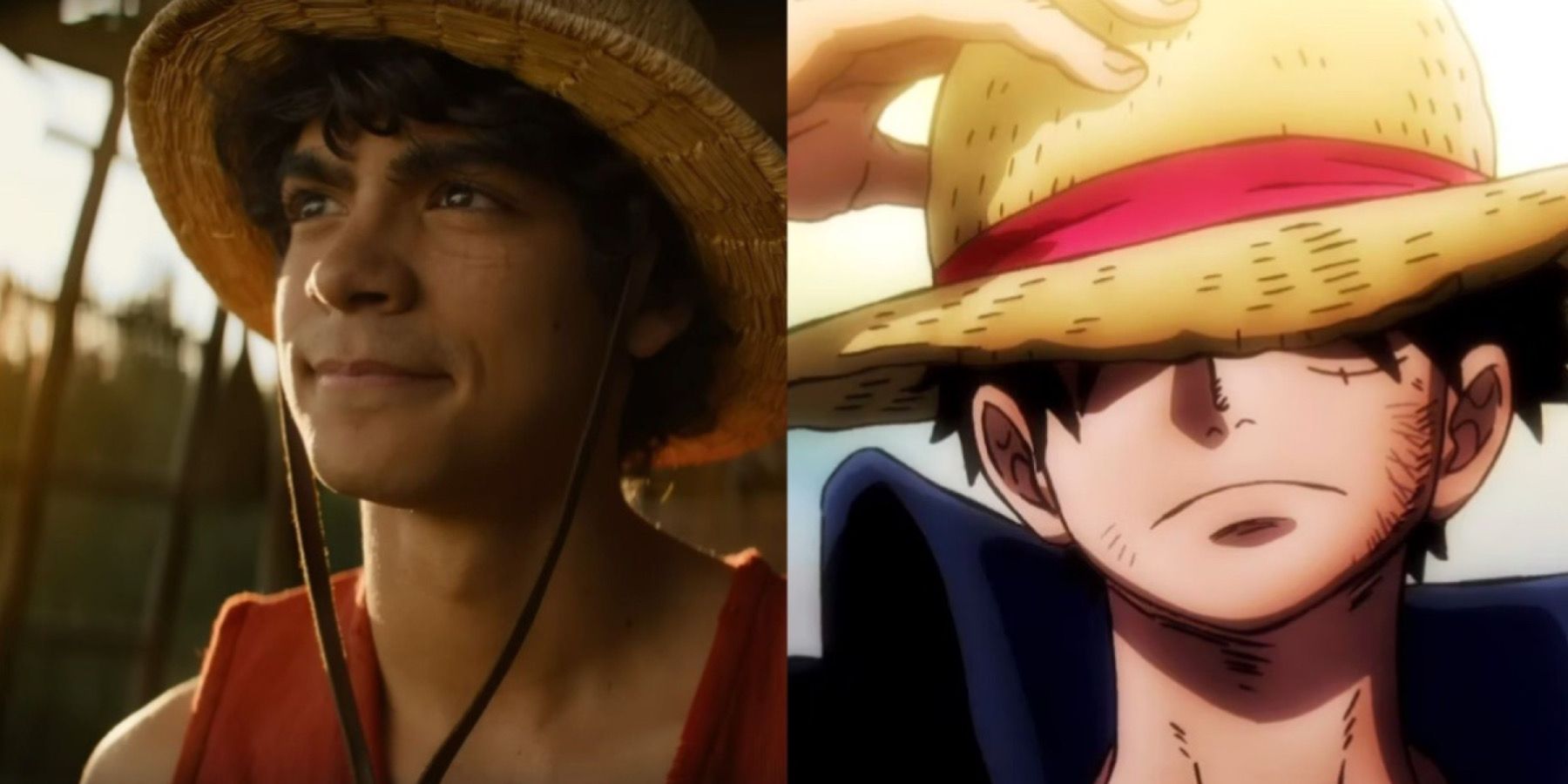
Arlong in the One Piece live action series reshapes the first season by serving as a persistent, overarching antagonist rather than a localized villain. By introducing him earlier than in the source material and weaving his influence throughout the Baratie and Arlong Park arcs, the show creates a cohesive narrative thread that heightens the emotional stakes for Nami and the Straw Hat crew.
The Strategic Reimagining of Arlong's Introduction
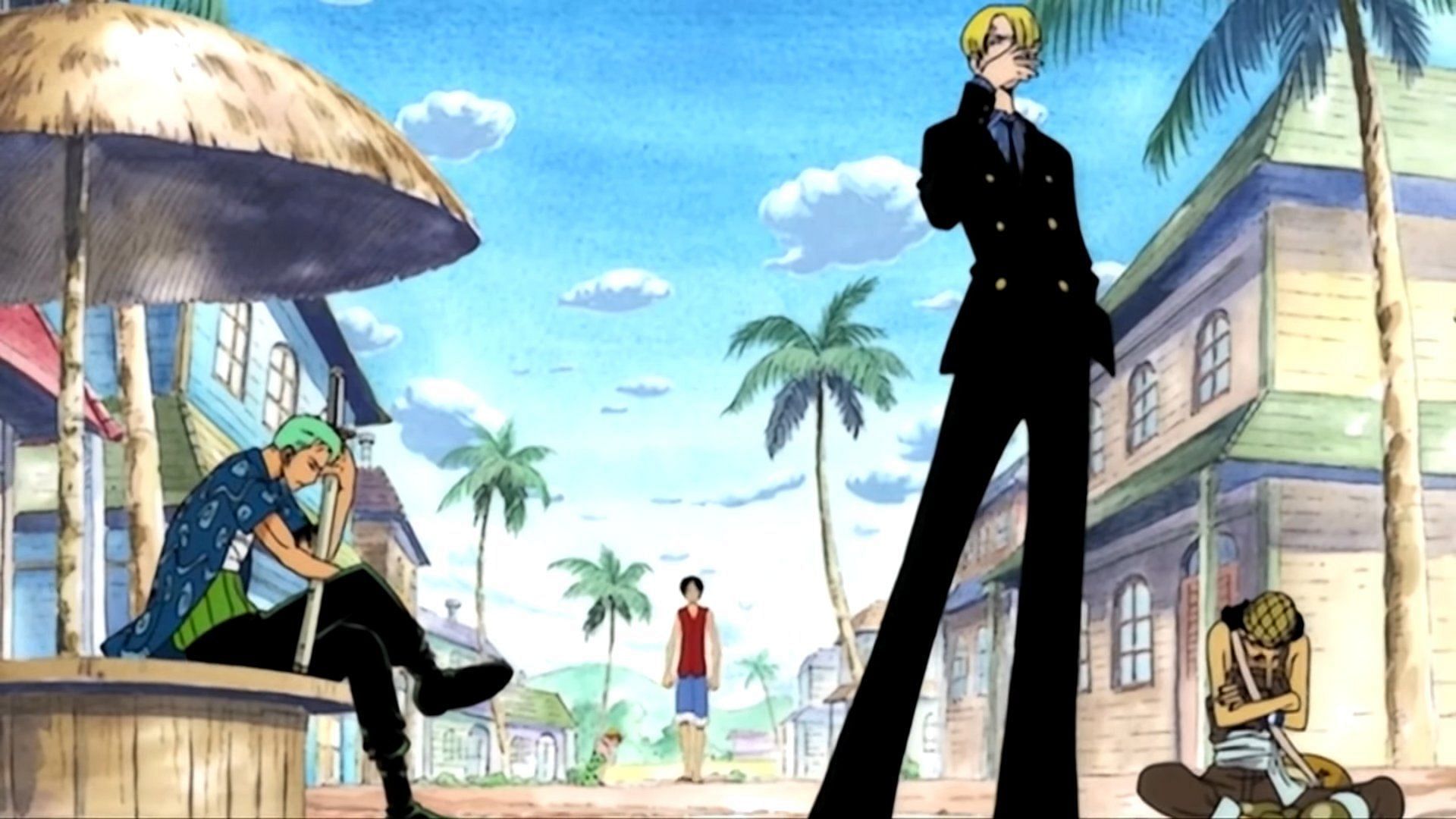
In the original manga and anime by Eiichiro Oda, the East Blue Saga functions as a series of somewhat isolated adventures. Luffy meets Zoro in Shells Town, recruits Usopp in Syrup Village, and meets Sanji at the Baratie. Arlong does not make a physical appearance until the crew reaches the Conomi Islands. However, for a television format intended for a global streaming audience in 2023 and beyond, Netflix’s adaptation needed a stronger "big bad" to anchor the eight-episode season.
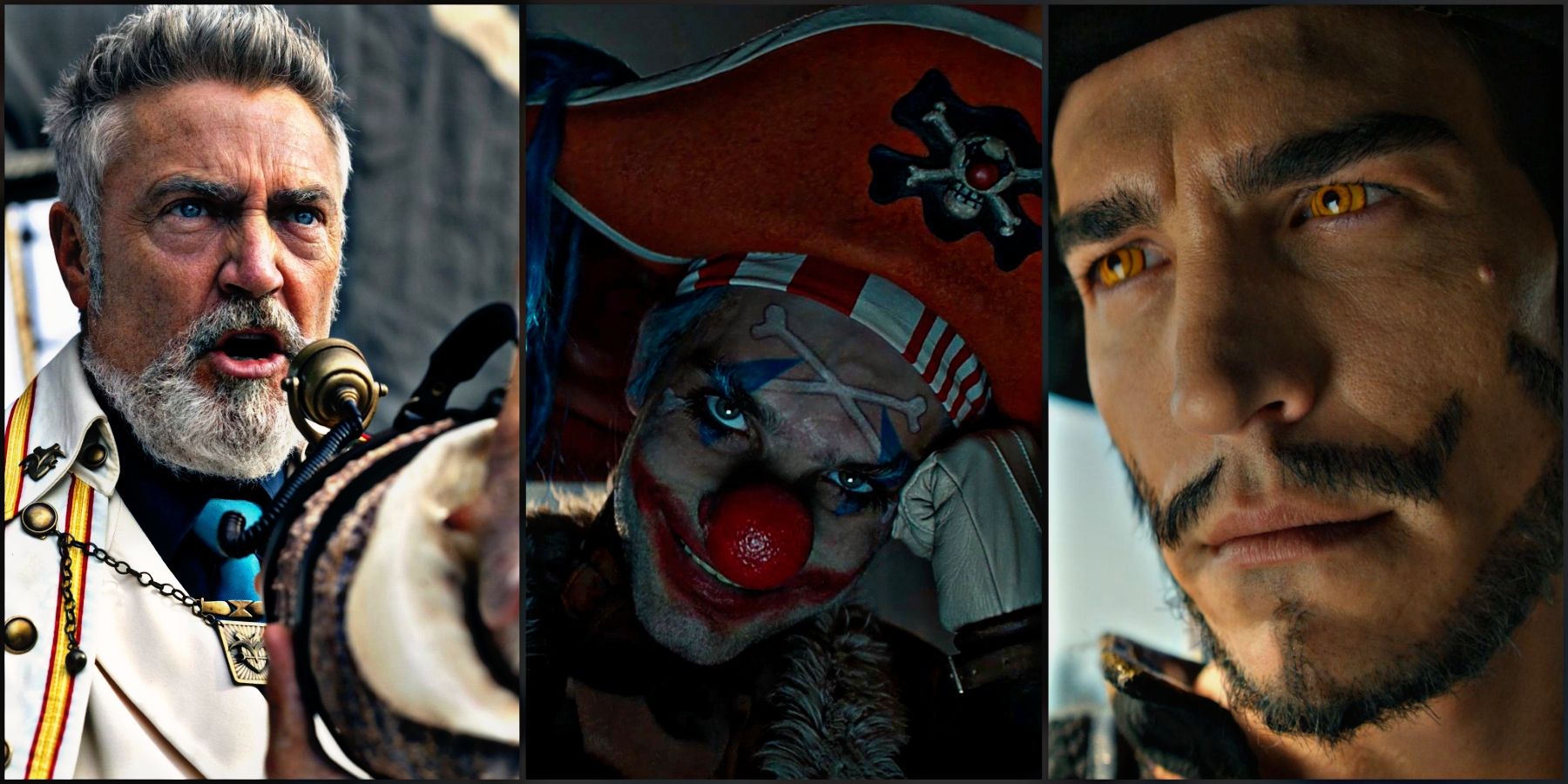
By the time we look back from 2026, it is clear that the decision to bring Arlong forward into the mid-season was a pivotal creative choice. Instead of the "villain of the week" structure, the showrunners utilized Arlong as a looming shadow. He is first mentioned and hinted at through Buggy the Clown, who is shown to be terrified of the Fish-man. This immediate hierarchy of power establishes Arlong not just as a pirate, but as the apex predator of the East Blue.
When Arlong finally appears at the Baratie, replacing the narrative weight of Don Krieg, it fundamentally alters the pacing. In the manga, Don Krieg served as the primary physical threat at the sea restaurant, while Dracule Mihawk provided the world-building scale. By having Arlong arrive to collect Nami and confront Luffy at the Baratie, the live action links the recruitment of Sanji directly to the looming crisis of Nami’s betrayal. This compression of events ensures that the momentum never dips, keeping the audience focused on the central conflict of the season.
From Local Villain to Season-Wide Antagonist
The structural changes regarding Arlong’s role allowed the writers to explore the concept of "The Grand Line" and the "Warlords of the Sea" through a more personal lens. In the manga, Arlong is a big fish in a small pond, but his connection to the broader world is mostly revealed through retrospective dialogue. The live action makes his connection to the power structures of the world explicit and immediate.
By subjugating Buggy and appearing at the Baratie, Arlong becomes a hunter. This turns the middle section of the first season into a high-stakes chase. The Straw Hats are no longer just sailing toward their next destination; they are being pursued by a force they are clearly not prepared to handle. This shift in genre—from adventure-exploration to a survival-thriller—is what makes the live action feel distinct from its animated predecessor.
Furthermore, Arlong’s presence at the Baratie allows for a direct confrontation between Luffy’s idealistic view of piracy and Arlong’s cynical, supremacist view. When Arlong mocks Luffy’s hat and his dreams, it isn't just a villainous monologue; it is a clash of philosophies that sets the stage for the final battle in Episode 8. This early interaction gives their eventual showdown at Arlong Park a sense of "round two" energy that the original source material lacked until much later in the series.
Thematic Depth: Fish-Man Supremacy and Social Commentary
The live action adaptation leans heavily into the darker thematic elements of Arlong’s character. Arlong is not merely a greedy pirate; he is a radicalized leader driven by a history of systemic oppression. While the manga eventually explores the history of Fish-men in the Fish-Man Island arc (hundreds of chapters later), the live action seeds these themes from the beginning.
McKinley Belcher III, the actor portraying Arlong, delivers a performance that emphasizes the character’s seething resentment. The dialogue focuses on the "inferiority" of humans and the "natural order" of Fish-men. By emphasizing Arlong’s belief that he is liberating his people by subjugating humans, the show adds a layer of tragic complexity to his villainy. He is a monster created by a world that treated him like a monster.
This thematic depth reshapes the first season by grounding the fantasy world in recognizable social conflicts. The "Arlong Park" arc becomes more than just a rescue mission for Nami; it becomes a confrontation with a cycle of hatred. The live action highlights how Arlong’s cruelty toward the citizens of Cocoyasi Village is a direct, albeit twisted, mirror of how humans have historically treated Fish-men. This makes the eventual destruction of Arlong Park—and specifically the map room—a symbolic act of breaking both Nami’s chains and the architectural manifestation of Arlong’s empire.
McKinley Belcher III’s Performance and Character Nuance
A significant part of why Arlong reshapes the season is the sheer presence of McKinley Belcher III. Adapting a seven-foot-tall shark-man into live action was one of the most significant risks for the production. The choice to use practical prosthetics supplemented by minimal CGI, rather than a fully digital character, allowed for a nuanced performance that captured Arlong’s menace.
Belcher III plays Arlong with a "mafia boss" sensibility. He is calm, articulate, and terrifyingly precise until his rage boils over. This is a departure from some of the more hyperbolic portrayals in the anime. In the live action, Arlong feels like a tangible threat that could exist in a gritty crime drama, which fits the aesthetic of the series.
His chemistry—or lack thereof—with the other characters is vital. His scenes with Buggy (played by Jeff Ward) provide a dark comedic relief that reinforces Arlong’s dominance. His scenes with Nami (played by Emily Rudd) are uncomfortable and tense, illustrating the psychological abuse he has inflicted on her for years. By giving Arlong more screen time to interact with the cast outside of his home base, the series ensures the audience feels the weight of his tyranny long before the final episodes.
Impact on Nami's Character Arc and Emotional Stakes
The most profound way Arlong reshapes the season is through his relationship with Nami. In the manga, Nami’s secret is a mystery that unravels slowly. In the live action, the tension is ratcheted up because Arlong is actively looking for her and the "map to the Grand Line."
Because Arlong appears at the Baratie, Nami is forced to make her "betrayal" in front of her new friends while the threat is physically present. This removes the ambiguity of her departure and replaces it with a sense of desperate sacrifice. The audience sees that she is going back to Arlong not because she wants to, but because she has no choice if she wants to save the Straw Hats from Arlong’s immediate wrath.
This change makes the "Help me" scene in Cocoyasi Village even more cathartic. The emotional groundwork laid throughout the season—seeing Arlong’s cruelty firsthand at the Baratie—makes Luffy’s decision to fight for her feel more earned. The stakes are no longer just about a village’s taxes; they are about reclaiming a friend from a predator the audience has grown to loathe over several episodes.
Comparison Table: Manga/Anime vs. Live Action Arlong
The following table outlines the key differences in how Arlong is utilized between the original source material and the Netflix live action adaptation.
| Feature | Manga/Anime (East Blue) | Netflix Live Action (Season 1) |
|---|---|---|
| First Appearance | Chapter 69 / Episode 31 | Episode 3 (Mention) / Episode 6 (Physical) |
| Primary Motivation | Wealth and Fish-man Empire | Wealth, Maps, and Fish-man Supremacy |
| Interaction with Buggy | None (during East Blue) | Subjugates Buggy to track Luffy |
| Baratie Involvement | No involvement | Attacks the Baratie to find Nami |
| Tone of Villainy | Cartoonishly cruel / Arrogant | Calculated / Crime Lord / Radicalized |
| Relationship to Garp | Indirect (Arlong fears Marines) | Direct (Arlong's actions alert Garp) |
| Resolution | Defeated; Arlong Park destroyed | Defeated; Arlong Park destroyed; Arrested |
Arlong Park and the Final Conflict: Choreography and Tone
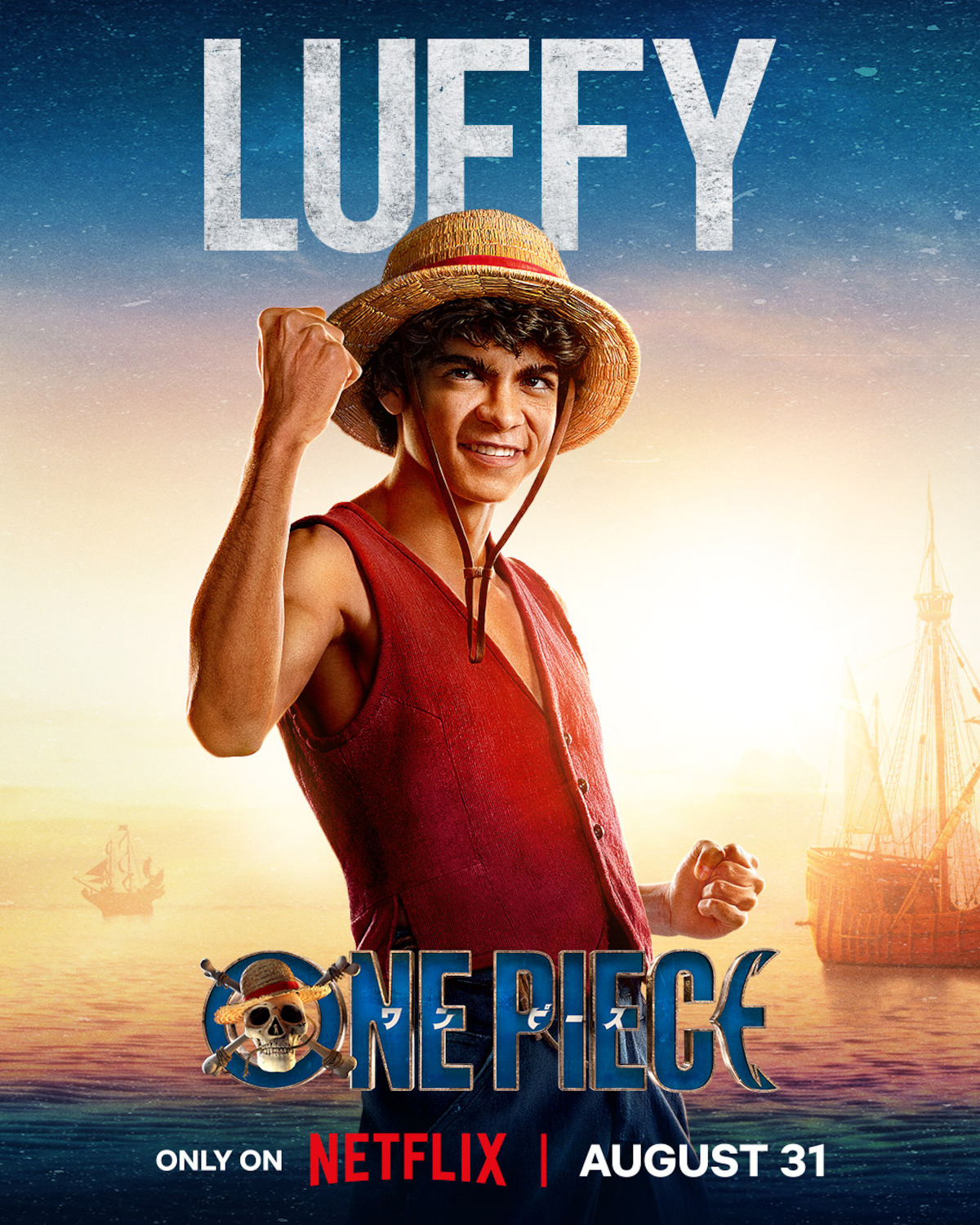
The climax of the first season takes place at Arlong Park, and the live action version of this location is a marvel of production design. It isn't just a colorful pirate base; it is a decadent estate built on the backs of exploited villagers. The fight between Luffy (Iñaki Godoy) and Arlong is choreographed to highlight the physical disparity between a rubber man and a Saw-shark Fish-man.
In the live action, the fight is less about "power levels" and more about endurance and environment. Arlong’s use of water as a weapon and his sheer physical strength are treated with a level of realism that makes Luffy’s victory feel like an upset. The destruction of the map room remains the emotional heart of the fight. As Luffy brings the building down, the focus remains on Nami’s reaction, tying the physical action back to the character growth that has been building since Episode 1.
The inclusion of the other Straw Hats—Zoro, Sanji, and Usopp—fighting Arlong’s officers (Kuroobi and Chew) also benefits from the season-long buildup. Because Arlong’s crew was established as a major threat early on, the individual victories of the Straw Hats feel like the necessary steps for the crew to finally become a unified team.
Legacy of the Change: Setting the Stage for Future Seasons
Looking at the series from the vantage point of 2026, the reimagining of Arlong was the blueprint for how the live action would handle future villains like Crocodile or Enel. By integrating the villains into the narrative earlier, the show avoids the repetitive nature of the "travel to island, meet villain, beat villain" cycle.
Arlong’s connection to the "Seven Warlords" (Shichibukai) and his history with Jinbe (who is mentioned in Season 1) serves as a bridge to the much larger world of the Grand Line. It prepares the audience for the idea that the world is interconnected and that the actions of a pirate in the East Blue have ripples that reach the highest levels of the World Government.
The "Arlong effect" reshaped the first season into a tightly plotted drama that prioritized character relationships and thematic consistency. By making Arlong a constant threat, the series transformed a collection of introductory stories into a singular, epic saga of a crew coming together against all odds.
Frequently Asked Questions
Why was Arlong introduced so early in the live action compared to the manga?
The showrunners introduced Arlong early to create a consistent narrative thread across the eight episodes. In a television format, having a central antagonist provides better pacing and keeps the stakes high throughout the season, rather than waiting until the final two episodes to introduce the main threat.
Did Arlong actually kill Don Krieg in the live action series?
While the live action focuses on Arlong at the Baratie instead of Don Krieg, the show does not explicitly state that Arlong killed him. However, Arlong’s crew is shown to be far more dominant in the East Blue, effectively displacing Krieg’s role as the "strongest" pirate force in the region for the purpose of the show's narrative.
How did the live action handle Arlong’s Fish-man physiology?
The production used a combination of high-end prosthetics and makeup for McKinley Belcher III, allowing the actor to deliver a full range of facial expressions. Some elements, such as his height and specific shark-like features (the nose and teeth), were subtly enhanced with CGI to maintain a balance between a grounded look and the fantastical nature of the source material.
Is Arlong’s connection to Jinbe mentioned in the first season?
Yes, the live action makes a brief but significant mention of Jinbe. This serves as world-building to explain how Arlong was able to operate in the East Blue with such impunity. It hints at the political complexities of the One Piece world, which become much more prominent in later arcs.
How does the destruction of the map room differ in the live action?
The core emotional beats remain the same: Luffy realizes that the room represents Nami’s years of enslavement and decides to destroy it. However, the live action emphasizes the physical weight of the maps and the history they represent, making the scene feel more like a personal liberation for Nami rather than just a strategic move to beat Arlong.
Practical Recommendation for Viewers
To fully appreciate how Arlong reshapes the first season, viewers should pay close attention to the dialogue in the early episodes involving Buggy and the various Marine sightings. The "Arlong" theme music often plays subtly in the background long before he appears, signaling his influence over the East Blue. For those transitioning from the live action to the manga, starting with the Arlong Park Arc (Chapter 69) provides an excellent comparison of how the two mediums handle the same emotional high points differently.