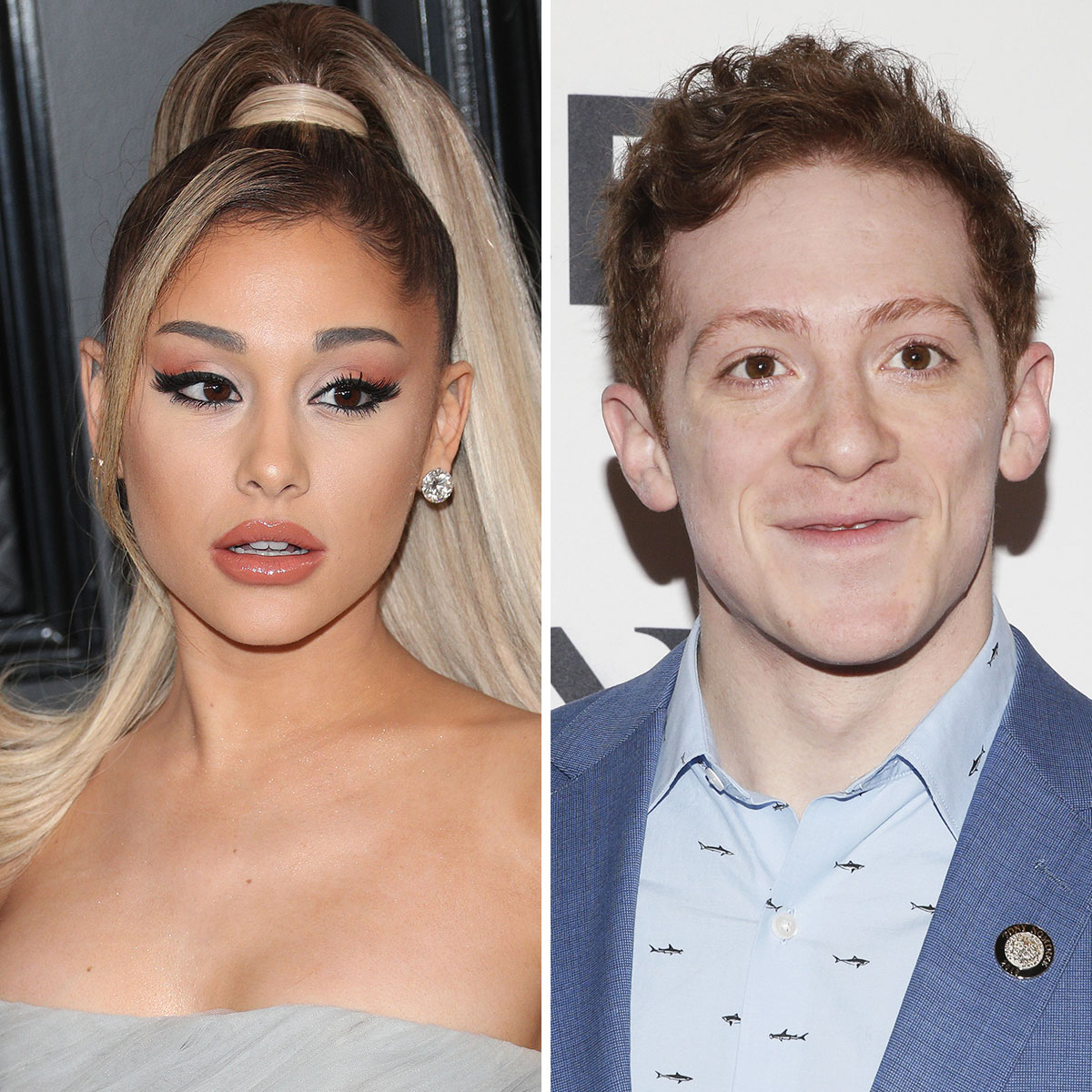
The divorce between pop superstar Ariana Grande and real estate agent Dalton Gomez was finalized on March 19, 2024, following a relatively swift legal process. The settlement included a one-time lump-sum payment of $1.25 million from Grande to Gomez, the division of their Los Angeles property proceeds, and a mutual agreement to waive ongoing spousal support.
The dissolution of the marriage between Ariana Grande and Dalton Gomez serves as a high-profile case study in the efficacy of prenuptial agreements and the streamlined nature of California’s "no-fault" divorce system. While the public often focuses on the tabloid narratives surrounding celebrity splits, the technical details of the legal filings, the financial structure of the settlement, and the adherence to California’s statutory waiting periods reveal a highly strategic approach to asset protection and privacy.
As of 2026, the legal precedents set by the Grande-Gomez filing continue to be cited by family law experts discussing the management of high-net-worth separations. This article provides a comprehensive breakdown of the divorce details, from the initial separation to the final judgment.
The Timeline of the Split and Legal Filings
The dissolution process began long before the public filings reached the Los Angeles Superior Court. According to the court documents, the date of separation was listed as February 20, 2023. This date is significant in California law, as it marks the point at which the "community" ends and assets earned by either party typically become separate property.
Despite the early separation date, the official petition for divorce was not filed until September 18, 2023. This gap allowed the parties several months to negotiate the terms of their settlement privately, away from the scrutiny of public court records. This strategy is common among high-profile individuals who wish to enter the court system with a "stipulated judgment"—a pre-agreed settlement that requires only a judge’s signature to become official.
The Six-Month Waiting Period
Under California Family Code Section 2339, a marriage cannot be legally dissolved until at least six months have passed from the time the court acquires jurisdiction over the respondent. In this case, because the paperwork was filed in September 2023, the earliest possible date for the marriage to officially end was March 2024.
The judgment was signed by a judge in October 2023, but the legal status of the parties remained "married" until the mandatory waiting period expired on March 19, 2024. As we observe from the vantage point of 2026, this timeline remains the standard procedural framework for residents of California, regardless of their celebrity status.
Financial Terms and the $1.25 Million Payout
The most discussed aspect of the Ariana Grande divorce details is the financial settlement. Unlike many celebrity divorces that involve years of litigation over alimony and asset division, the Grande-Gomez case was resolved through a specific, non-taxable lump-sum payment.
The One-Time Payment
The court order required Ariana Grande to pay Dalton Gomez $1.25 million. This payment was structured to be paid upfront, rather than through monthly installments. For a global artist with a net worth estimated in the hundreds of millions, this figure represents a highly efficient resolution.
The $1.25 million serves several functions:
- Buy-out of Spousal Support: By paying a lump sum, Grande extinguished any future claims Gomez might have for monthly alimony.
- Asset Equalization: It likely accounted for Gomez’s interest in shared lifestyle assets or community property acquired during the two-year marriage.
- Finality: It prevented the need for the court to maintain jurisdiction over the parties' finances for years to come.
Attorney Fees and Legal Costs
In addition to the primary settlement, Grande agreed to pay up to $25,000 toward Gomez’s attorney fees. In high-net-worth divorces, it is common for the higher-earning spouse to cover a portion of the other’s legal costs to ensure the playing field is leveled during negotiations, thereby preventing future claims that the settlement was signed under duress or without adequate representation.
The Role of the Prenuptial Agreement
The speed and clarity of the divorce were largely attributed to the existence of a robust prenuptial agreement. When Grande and Gomez married in a private ceremony in Montecito in May 2021, they had already established a legal framework for a potential split.
In California, a prenuptial agreement allows couples to opt out of the standard community property laws. Without such an agreement, all income earned by Grande during the marriage—including royalties from her 2024 album Eternal Sunshine (though largely recorded post-separation) and revenue from her R.E.M. Beauty brand—could have been subject to a 50/50 split.
The prenuptial agreement specified:
- Definition of Separate Property: Ensuring that Grande’s massive pre-marital wealth and intellectual property remained her own.
- Alimony Waivers: Limiting or eliminating the possibility of long-term spousal support payments.
- Property Division: Pre-determining how real estate acquired during the marriage would be handled.
The validity of this agreement was never challenged in court, which suggests that both parties were satisfied with the initial terms or reached a compromise that mirrored the agreement’s intent.
Real Estate and Asset Division
A significant portion of the settlement involved the couple's residential holdings. During their marriage, Grande and Gomez resided primarily in a Los Angeles home. The divorce decree mandated that the house be sold and the net proceeds be divided equally between the two parties.
The Los Angeles Property
Selling a multi-million dollar property and splitting the proceeds is a standard "clean break" tactic. It removes the complications of one party "buying out" the other’s equity and avoids the ongoing entanglement of joint ownership.
Personal Property
Items such as jewelry, clothing, and personal effects were retained by the respective parties according to the "separate property" clauses in their prenuptial agreement. Grande's significant collection of professional equipment and musical assets remained entirely under her ownership, as they were deemed essential to her career and protected by her business entities.
Summary of Key Divorce Terms
The following table outlines the primary components of the legal settlement reached between the parties.
| Settlement Component | Detail |
|---|---|
| Lump Sum Payment | $1,250,000 paid by Grande to Gomez |
| Spousal Support | Mutually waived (No ongoing alimony) |
| Attorney Fees | Grande paid $25,000 of Gomez's legal costs |
| Real Estate | Net proceeds of the L.A. home split 50/50 |
| Date of Separation | February 20, 2023 |
| Finalization Date | March 19, 2024 |
| Legal Counsel | Laura Wasser (Grande); Troy Christiansen (Gomez) |
Privacy Protections and Non-Disclosure
In high-profile divorces, what is not in the public record is often as important as what is. The Grande-Gomez settlement reportedly included strict confidentiality clauses. These clauses prevent either party from discussing the specifics of their relationship, the marriage, or the divorce negotiations in books, interviews, or social media.
This "private settlement" approach is a hallmark of the representation provided by Laura Wasser, Grande’s attorney, who is known for handling the divorces of Kim Kardashian, Angelina Jolie, and Ryan Reynolds. By keeping the granular details out of the court filings, the parties protected their brand reputations and personal privacy.
Contextual Factors: The Ethan Slater Narrative
While the legal details remain focused on finances and timelines, the social context of the divorce was heavily influenced by Grande's relationship with her Wicked co-star, Ethan Slater. Public interest surged when it was revealed that Slater had also filed for divorce from his wife, Lilly Jay, around the same time Grande filed her petition.
However, from a legal standpoint, Grande’s relationship with Slater had no bearing on the divorce settlement. California is a no-fault divorce state, meaning that "infidelity" or "irreconcilable differences" do not typically impact the distribution of assets or the amount of spousal support unless community funds were "wasted" on a third party. There was no evidence or legal claim of such waste in the Grande-Gomez filings.
Common Mistakes in High-Net-Worth Divorces
Reflecting on the Ariana Grande divorce details in 2026, legal analysts often point to this case as a model for how to avoid common pitfalls. Many celebrities fall into the following traps which Grande and Gomez successfully navigated:
- Litigating in Public: By negotiating the $1.25 million figure before filing, they avoided a "discovery" phase where private financial documents would have been exchanged.
- Delaying the Separation Date: By clearly establishing February 20, 2023, as the end of the community, Grande protected her subsequent earnings.
- Contesting a Valid Prenup: Gomez’s decision to accept the lump sum rather than challenge the prenuptial agreement saved both parties hundreds of thousands in legal fees.
Frequently Asked Questions
Did Dalton Gomez receive any monthly alimony?
No. The settlement was structured as a one-time lump-sum payment of $1.25 million. By accepting this amount, Gomez waived his right to any future spousal support. This is a common arrangement in short-term marriages (those lasting less than 10 years) where one party has significantly higher earning power.
Why did the divorce take so long to become official?
The divorce took approximately six months from the date of the initial filing to become official due to California’s mandatory "cooling-off" period. Even if a couple agrees on everything on day one, the state requires a six-month wait before the marital status is legally terminated.
Who were the lawyers involved in the case?
Ariana Grande was represented by Laura Wasser, perhaps the most famous celebrity divorce attorney in the United States. Dalton Gomez was represented by Troy Christiansen. The involvement of high-level counsel usually indicates a desire for a discreet, professional resolution.
Was the $1.25 million payment taxed?
Generally, under U.S. federal tax law (specifically the Internal Revenue Code), transfers of property between spouses "incident to a divorce" are not taxable events. This means Gomez likely received the full $1.25 million without immediate income tax consequences, and Grande did not receive a tax deduction for the payment.
Did the divorce affect Grande's music rights?
No. Because of the prenuptial agreement and the fact that the majority of her catalog was created before the marriage, her music rights remained her separate property. Any work created during the marriage was likely addressed and protected under the "separate property" definitions of their agreement.
Practical Recommendation for Observers
For those following celebrity legal developments, the Ariana Grande divorce details highlight the importance of the prenuptial agreement in protecting intellectual property and high-value assets. If you are seeking to track the current status of similar high-profile cases in 2026, you can access the Los Angeles Superior Court’s online portal (LASC). While many documents are redacted or kept private, the "Register of Actions" provides a verified timeline of filings and judgments.
When evaluating news reports, always distinguish between "tabloid speculation" and "filed court orders." Verified settlement details, such as the $1.25 million payment, are found in the final judgment of dissolution, which is the only authoritative source for a divorce's conclusion.