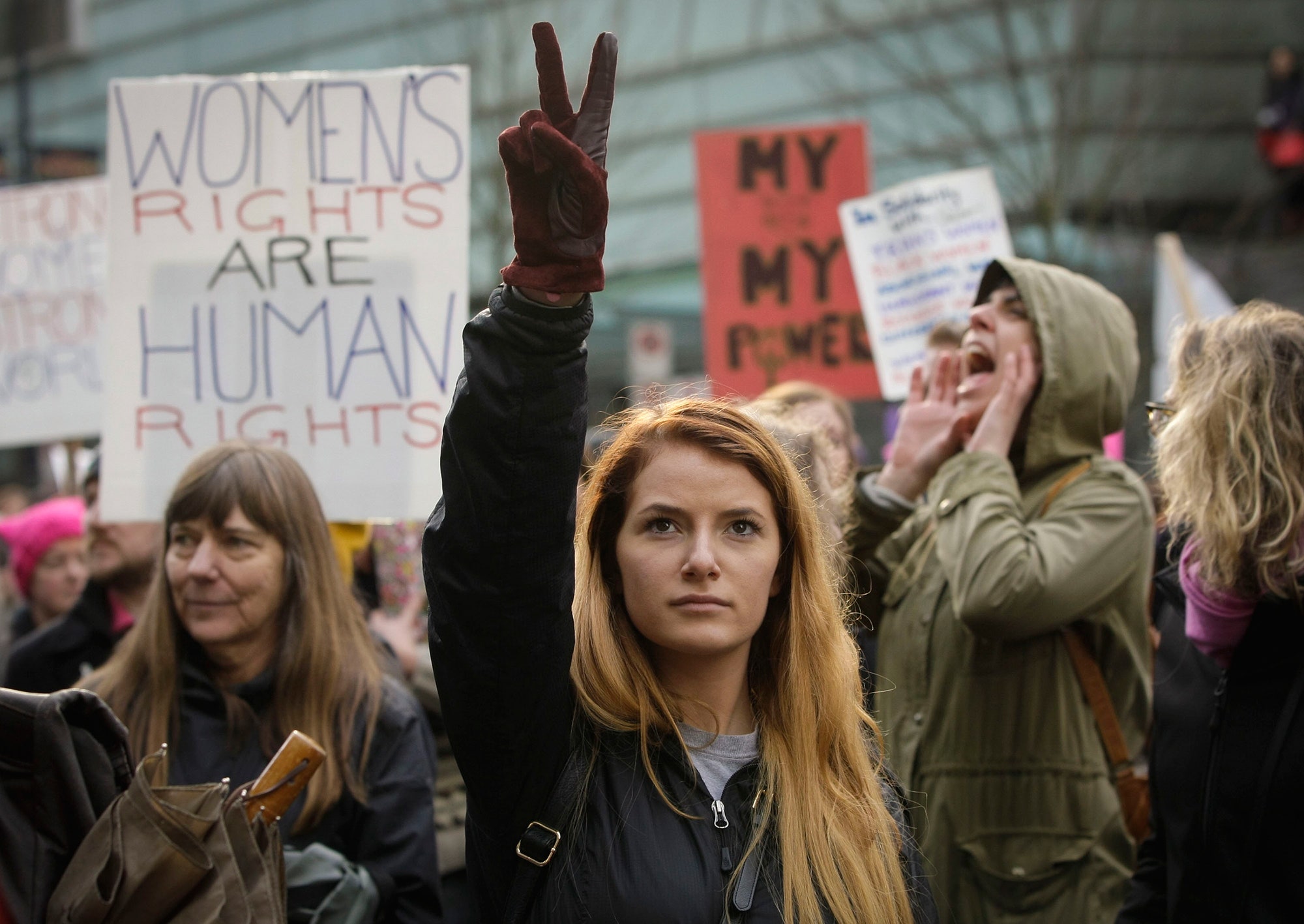
Feminism encompasses a diverse array of social, political, and philosophical movements aimed at establishing and achieving political, economic, personal, and social equality between sexes and genders. Examining arguments on feminism requires a structured look at how different theoretical frameworks, cultural perspectives, and socioeconomic analyses interpret gender equality, institutional power, and individual rights.
Defining Feminism and Its Core Intentions
To understand the breadth of arguments surrounding feminism, one must first examine what the movement seeks to achieve. At its foundational level, feminism addresses historical and contemporary imbalances in power, rights, and opportunities between men and women.
Rather than representing a single, monolithic ideology, feminism operates as a constellation of thoughts. These include liberal feminism, which focuses on legal reform and individual rights within existing democratic structures; radical feminism, which contends that patriarchal systems are deeply rooted in fundamental societal institutions and require structural transformation; and intersectional feminism, which highlights how race, class, sexuality, and other social identities overlap with gender oppression.
Understanding these variations is essential because criticisms or defenses often apply to specific branches of feminist thought rather than the movement as a whole. Observers who critique one strain of thought may misapply those objections to other traditions that operate under entirely different premises.
Main Arguments Supporting Feminist Frameworks
Proponents of feminist theory present numerous arguments grounded in historical evidence, economic data, and sociological research. These arguments generally center on rights, systemic disparities, and societal benefits.
1. The Pursuit of Legal and Political Equality
A primary argument for feminism is the necessity of securing and protecting basic human rights for all genders. Historically, legal systems systematically excluded women from voting, owning property, entering contracts, and holding public office. Proponents argue that ongoing legal and policy reforms are necessary to address residual inequalities, protect bodily autonomy, and guarantee equal protection under the law.
2. Economic Disparities and Workplace Equity
Advocates point to persistent economic gaps, such as the gender pay gap, lower representation of women in corporate leadership positions, and the undervaluing of caregiving and domestic labor. Economic arguments for feminism suggest that removing barriers to workforce participation and ensuring equal pay drive broader economic growth, innovation, and stability.
3. Addressing Gender-Based Violence and Harassment
Feminist activism has been instrumental in shifting public policy regarding domestic violence, sexual assault, and workplace harassment. Proponents argue that systemic power imbalances create environments where abuse goes unpunished or underreported. Legal protections, institutional accountability, and educational initiatives are presented as essential countermeasures to protect vulnerable populations.
4. Intersectional Analysis of Marginalization
Modern feminism frequently utilizes intersectional frameworks to demonstrate that gender inequality does not affect all individuals in the same way. An intersectional perspective argues that race, socioeconomic class, disability, and sexual orientation compound experiences of discrimination, requiring multifaceted policy solutions rather than a one-size-fits-all approach.
Principal Criticisms and Counter-Arguments
Conversely, various schools of thought, political commentators, and social critics have raised substantial objections to certain feminist ideologies, tactics, and cultural implications.
1. Concerns Regarding Individualism Versus Collective Identity
Critics from classical liberal and libertarian traditions sometimes argue that certain branches of feminism place excessive emphasis on group identity rather than individual merit. These critics contend that systemic remedies—such as quotas or targeted preferences—can undermine individual achievement, create reverse discrimination, and infringe upon personal liberty.
2. Debates Over Cultural and Religious Traditions
Many traditional, religious, and conservative commentators argue that feminist efforts to redefine traditional family roles, marriage, and gender responsibilities disrupt foundational social structures. From this perspective, complementary gender roles within family units are viewed as beneficial rather than oppressive, and external political pressure to alter these dynamics can erode cultural or religious heritage.
3. Intra-Movement Tension and Ideological Fragmentation
Feminism has faced significant internal critique regarding its historical blind spots. Critics, including Black feminists, Indigenous scholars, and non-Western commentators, have argued that mainstream feminist movements have historically centered the experiences of white, middle-class women from Western nations while marginalizing others. Additionally, debates persist regarding the inclusion of transgender women within women's spaces and organizations, leading to deep ideological fractures among activists, academics, and policymakers.
4. The Critique of Radical and Postmodern Theories
Some philosophers and social scientists criticize specific radical or postmodern feminist academic frameworks for rejecting objective standards of truth, biology, or rationality. Critics argue that hyper-focusing on power dynamics can reduce complex human interactions to perpetual conflict, potentially hindering constructive dialogue and social cohesion.
Comparative Overview of Perspectives
To clarify how different frameworks approach gender issues, the following table summarizes key theoretical positions and their primary focal points.
| Feminist Tradition / Perspective | Core Focus | Primary Goal | Major Criticism |
|---|---|---|---|
| Liberal Feminism | Equal rights, legal reform, public policy. | Legislative parity, anti-discrimination laws. | Viewed by critics as too accommodating to existing capitalist structures. |
| Radical Feminism | Subverting patriarchal systems and norms. | Dismantling institutionalized male dominance. | Accused by opponents of essentialism and hostility toward traditional family roles. |
| Intersectional Feminism | Overlapping impacts of race, class, and gender. | Inclusive policies addressing compound inequality. | Sometimes criticized for increasing ideological complexity and perceived division. |
| Conservative / Traditional | Preservation of traditional family and roles. | Upholding complementary social structures. | Seen by advocates as reinforcing historical restrictions on personal autonomy. |
Socioeconomic Impacts and Institutional Policy
The ongoing discourse surrounding feminism directly influences public policy, corporate governance, educational curricula, and international development goals. Governments and international bodies, such as the United Nations through initiatives like Sustainable Development Goal 5, frequently integrate gender equality metrics into policy frameworks.
Proponents argue that gender-inclusive policies yield measurable societal improvements, such as enhanced child health outcomes, higher educational attainment rates, and stronger labor markets. Conversely, skeptics caution that top-down policy mandates can create bureaucratic burdens, provoke cultural backlash, or fail to account for local economic realities. Evaluating these impacts requires continuous empirical study, transparent data collection, and open public debate.
Frequently Asked Questions
What is the primary objective of modern feminism?
Modern feminism seeks to achieve full social, economic, and political equality for all genders. While the overarching goal remains consistent, the specific methods, priorities, and areas of focus vary widely among different academic theories and activist organizations.
How does intersectionality change the arguments on feminism?
Intersectionality introduces the understanding that gender discrimination does not occur in a vacuum. It interacts with race, class, age, and sexuality, meaning that the lived experiences and challenges faced by different individuals vary significantly based on their unique social positions.
Are all feminists in agreement on social and political issues?
No. Feminism encompasses diverse ideological factions—such as liberal, radical, socialist, and cultural feminism—that frequently disagree on priorities, legislative strategies, and cultural interpretations. Internal debate is a prominent feature of the movement.
What are the main arguments against certain feminist policies?
Critics often raise concerns about individual liberty, the preservation of traditional family structures, the potential for reverse discrimination through quotas, and ideological disagreements regarding biological versus social definitions of gender.
How do economic factors influence the feminist discourse?
Economic arguments focus on closing wage gaps, increasing female representation in leadership roles, recognizing unpaid care work, and ensuring equal access to capital and employment opportunities. Economists study these factors to understand their broader impact on gross domestic product and poverty reduction.
Conclusion and Next Actions
Engaging with the arguments on feminism requires moving beyond generalized rhetoric to examine specific philosophical foundations, empirical data, and institutional policies. Whether evaluating legal reforms, workplace dynamics, or cultural traditions, observers benefit from examining multiple perspectives and understanding the distinct nuances of various theoretical traditions. To deepen your understanding, consult primary academic texts from diverse philosophical schools, review empirical labor and sociological data from reputable international institutions, and examine balanced analyses of contemporary social policies.