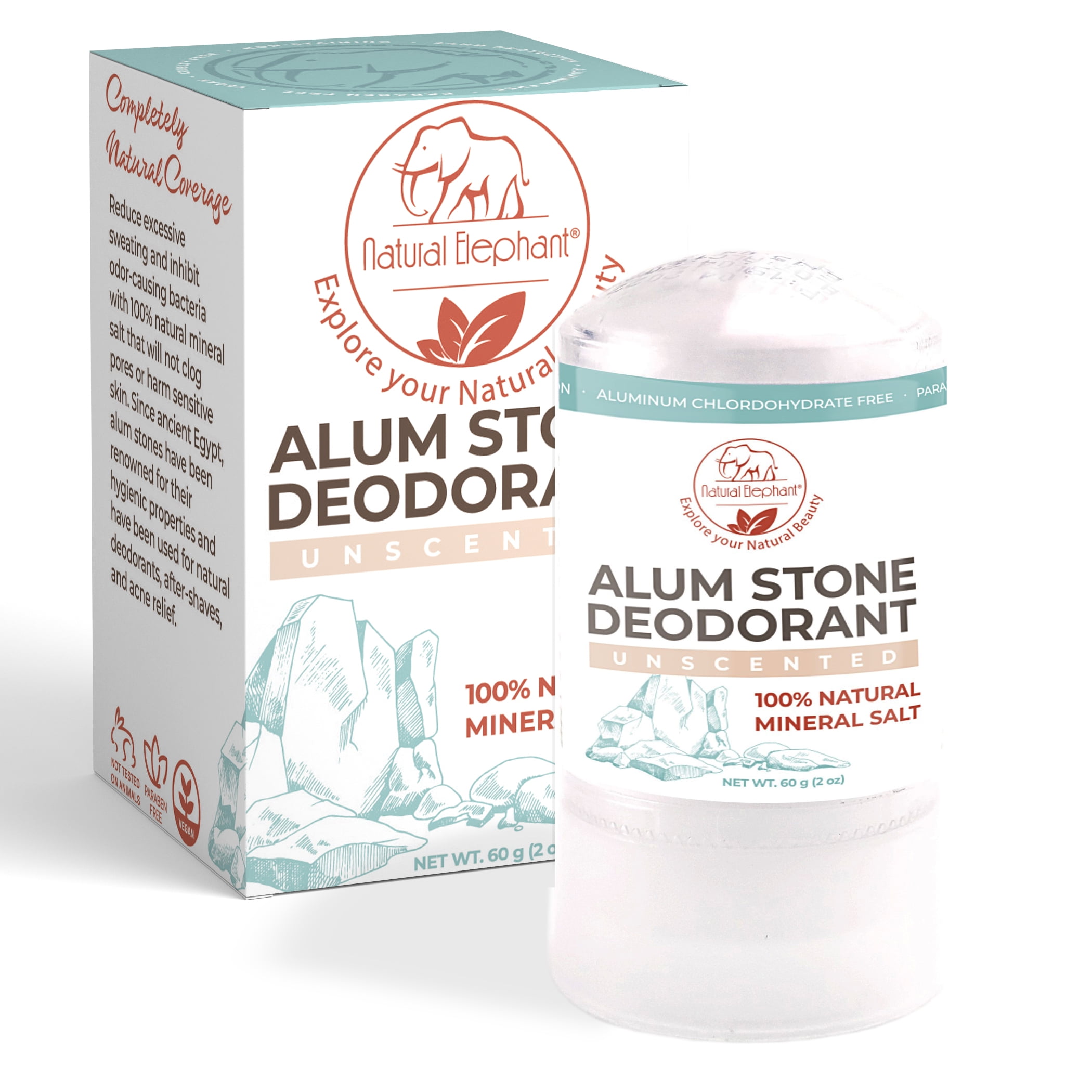
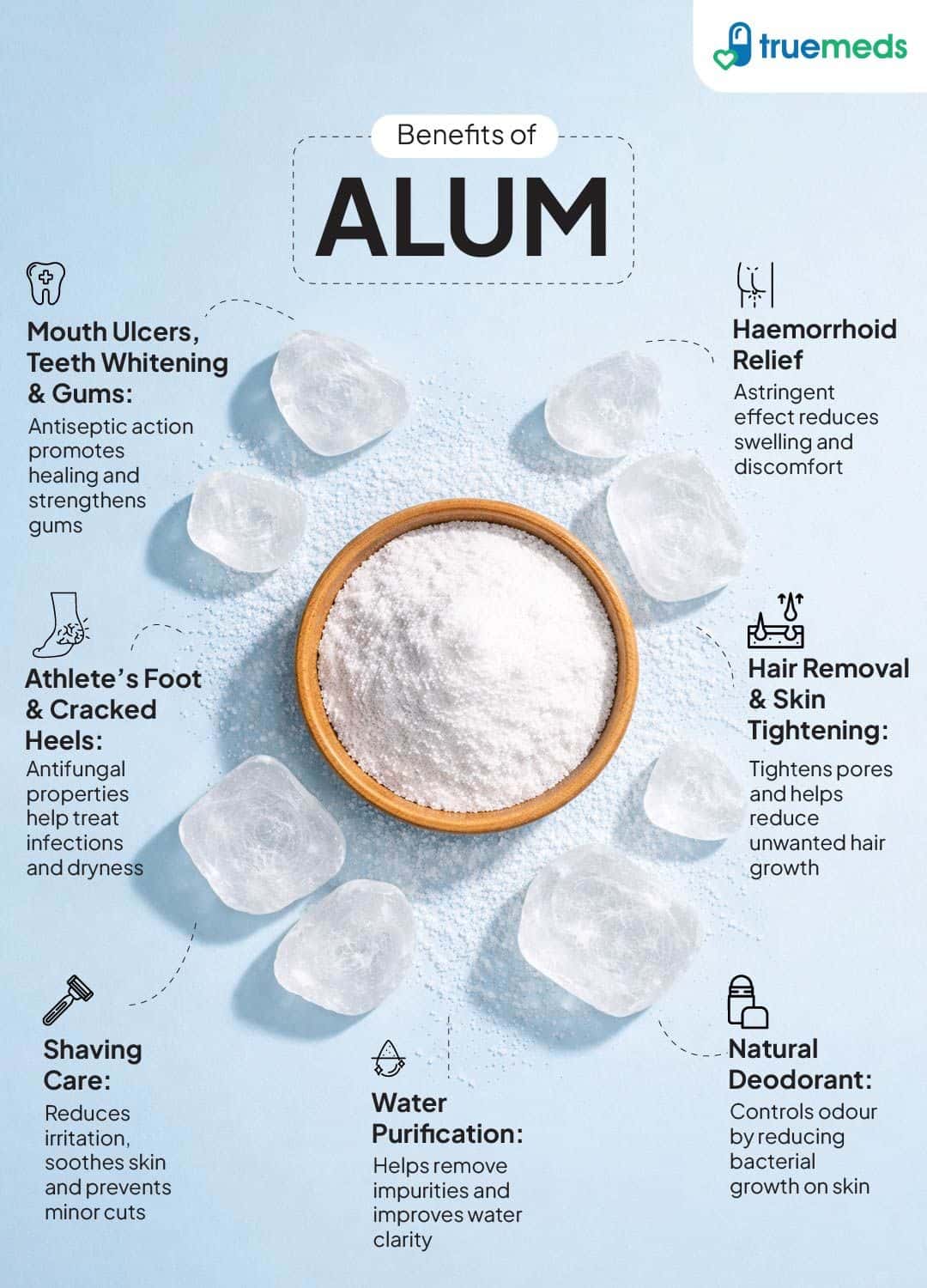
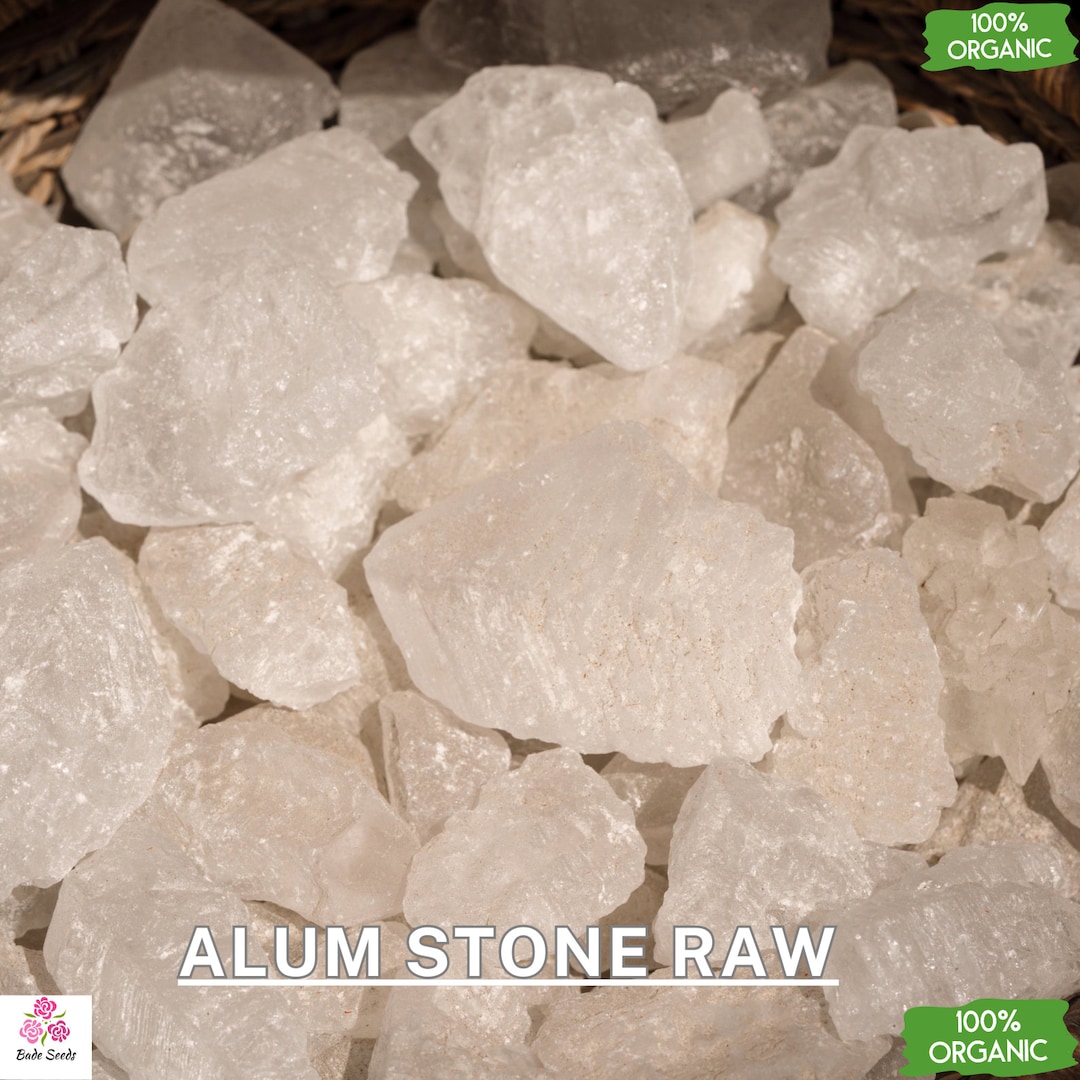
Alum stone, primarily composed of potassium alum, is generally safe for topical use but can cause skin irritation, dryness, and allergic reactions in some individuals. While often marketed as a natural alternative to conventional deodorants, its aluminum content remains a point of discussion regarding long-term absorption and potential systemic health impacts.
Understanding Alum Stone and Its Composition
Alum stone is a naturally occurring mineral salt that has been used for centuries in various cultures for grooming, water purification, and medicinal purposes. In the context of modern personal care in 2026, it is most frequently encountered as a "crystal deodorant." To understand its side effects, one must first distinguish between the two primary types of alum found in the market.
Potassium Alum is the naturally occurring form, often mined from alunite. It is characterized by large molecular structures that are traditionally thought to be too large to be absorbed significantly through the skin barrier. Ammonium Alum, on the other hand, is a synthetic version often manufactured as a byproduct of the heavy chemical industry. While they function similarly as astringents and antiseptics, synthetic versions may contain different impurities that can exacerbate skin sensitivities.
The stone works through its antimicrobial properties. When moistened and applied to the skin, it leaves a thin layer of mineral salts. These salts increase the surface acidity of the skin, creating an environment where odor-causing bacteria cannot thrive. However, this change in pH and the physical presence of the salt crystals are the primary drivers of the side effects discussed below.
Common Dermatological Side Effects
While many users transition to alum stone to avoid the complex chemical profiles of commercial antiperspirants, the mineral itself is not inert. The skin’s reaction to potassium alum can range from mild discomfort to significant inflammation.
Skin Irritation and Redness
The most frequently reported side effect of alum stone is localized skin irritation. This often manifests as a stinging sensation immediately after application or a lingering redness in the armpits or other treated areas. Because alum is an astringent, it causes the contraction of skin tissues. While this helps "close" pores and reduce the release of sweat, it can be overly aggressive for individuals with thin or sensitive skin.
In 2026, dermatological guidelines continue to highlight that the cumulative effect of daily alum use can wear down the acid mantle—the skin's natural protective film. When this barrier is compromised, the skin becomes more susceptible to environmental irritants, leading to chronic redness or "deodorant burn."
Excessive Dryness and Scaling
Because alum salts are highly hygroscopic, they naturally draw moisture out of the surrounding environment, including the upper layers of the epidermis. Regular use can lead to localized xerosis (dry skin). Users may notice that the skin in the axillary region (armpits) becomes flaky, feels tight, or develops a "parched" appearance. If left unaddressed, this dryness can lead to micro-fissures in the skin, which significantly increases the risk of secondary infections.
Stinging on Broken or Recently Shaved Skin
A specific and acute side effect occurs when alum is applied to broken skin. Many people use alum blocks as a "styptic" to stop bleeding from shaving nicks. While effective at coagulating blood, the high salt concentration causes an intense, sharp stinging sensation. Applying a crystal deodorant immediately after a close shave can cause widespread follicular irritation, often mistaken for razor burn, but actually caused by the salt crystals penetrating the micro-traumas caused by the blade.
Allergic Reactions and Contact Dermatitis
Although alum is a simple mineral, it can still trigger an immune response. Allergic contact dermatitis (ACD) related to alum stone is less common than reactions to synthetic fragrances, but it remains a documented risk.
Symptoms of an allergic reaction to alum include:
- Intense itching (pruritus) shortly after application.
- The development of small, fluid-filled bumps or blisters.
- Swelling of the lymph nodes in the armpit (rare, usually reactive to skin inflammation).
- A rash that spreads beyond the area of application.
If an individual has a known sensitivity to metals or other mineral salts, the risk of a reaction is higher. It is important to distinguish between a "purging" period—a common myth in natural beauty circles—and a genuine allergic reaction. The skin does not "detox" through a rash; if a product causes persistent inflammation, it is a sign of incompatibility, not progress.
The Aluminum Absorption Debate
The most significant concern for many users is the presence of aluminum. Conventional antiperspirants use aluminum chlorohydrate or aluminum zirconium, which are designed to enter the sweat ducts and form a temporary "plug." Alum stone contains potassium aluminum sulfate.
Molecular Size and Permeability
The prevailing scientific consensus in 2026 maintains that the potassium alum molecule is significantly larger than the aluminum salts used in traditional antiperspirants. This size difference is theorized to prevent the aluminum from crossing the basement membrane of the skin and entering the bloodstream. However, research published in journals such as the Journal of Applied Toxicology has historically questioned the absolute impermeability of the skin, especially when the skin barrier is damaged by shaving or irritation.
Systemic Health Concerns
Concerns regarding aluminum absorption typically center on two areas: breast cancer and Alzheimer's disease. As of 2026, major health organizations, including the National Cancer Institute, state that there is no definitive scientific evidence linking the use of aluminum-based underarm products to the development of breast cancer. Similarly, the Alzheimer's Association has found no consistent evidence that aluminum exposure through personal care products increases the risk of dementia.
Despite the lack of a proven link, some medical professionals advise caution for individuals with severely impaired kidney function. Since the kidneys are responsible for clearing aluminum from the body, people with Stage 4 or 5 chronic kidney disease may be advised to limit their exposure to all sources of aluminum, including alum stones, as a precautionary measure.
Comparison of Alum Types and Common Alternatives
To better understand the risk profile of alum stone, it is helpful to compare it against other common deodorant agents used in 2026.
| Feature | Potassium Alum (Natural) | Ammonium Alum (Synthetic) | Aluminum Chlorohydrate | Baking Soda (Natural Alt) |
|---|---|---|---|---|
| Origin | Mineral Deposits | Chemical Byproduct | Laboratory Synthesized | Mineral/Lab Processed |
| Primary Risk | Skin Dryness | Impurity Irritation | Sweat Duct Plugging | High pH Burn/Rash |
| Astringency | High | Very High | Moderate | Low |
| Aluminum Type | Potassium Alum | Ammonium Alum | Small Molecule Salts | Aluminum-Free |
| Common Side Effect | Stinging on nicks | Intense Irritation | Yellow Staining/Clogs | Persistent Itching |
Practical Guide to Minimizing Side Effects
If you choose to use an alum stone, there are several steps you can take to mitigate the risk of adverse reactions. Following these "best practice" steps ensures that the mineral works effectively without damaging the skin barrier.
- Conduct a Patch Test: Before applying the stone to the sensitive skin of the armpits, rub it on a small area of the inner forearm for three consecutive days. Watch for redness, itching, or dryness.
- Ensure Proper Lubrication: Never rub a dry alum stone on dry skin. This creates physical friction that can lead to abrasions. Always wet the stone with clean water or apply it to skin that is still wet from the shower.
- Avoid Post-Shave Application: Wait at least 6 to 12 hours after shaving before applying alum stone. This allows the skin's micro-nicks to close, significantly reducing the risk of stinging and irritation.
- Rinse the Stone: After use, rinse the stone and pat it dry. This prevents the buildup of skin cells and bacteria on the surface of the mineral, which could cause contamination and future skin issues.
- Monitor Skin Integrity: If you notice the skin becoming "leathery" or excessively dry, take a break from the stone and use a fragrance-free moisturizer to restore the lipid barrier.
Potential Contraindications and Who Should Avoid Alum
While generally safe for the broad population, certain groups should exercise more caution or avoid alum stone entirely:
- Individuals with Eczema or Psoriasis: The drying and acidic nature of alum can trigger flares in those with chronic inflammatory skin conditions.
- Post-Surgical Patients: If you have recently had surgery in the axillary area (such as lymph node removal or breast surgery), consult your surgeon before using alum. The skin in this area may be more permeable or sensitive during recovery.
- Those with Nickel Allergies: Some natural alum stones may contain trace amounts of other minerals, including nickel or chrome. If you have a severe metal hypersensitivity, a highly purified synthetic alternative or an aluminum-free cream deodorant may be safer.
Frequently Asked Questions
Does alum stone darken the underarms?
In some cases, yes. Underarm darkening (hyperpigmentation) can occur as a secondary effect of chronic irritation. If the alum stone causes persistent redness or inflammation, the skin may respond by producing excess melanin as it heals, a condition known as post-inflammatory hyperpigmentation. If you notice darkening, discontinue use and consult a dermatologist.
Is alum stone safe for children and teenagers?
Alum stone is generally considered safe for adolescents starting their hygiene routines. However, teenage skin can be more reactive due to hormonal changes. It is vital to teach young users not to apply the stone too vigorously and to stop use if they experience any itching or discomfort.
Can I use alum stone on my face for acne or oil control?
While alum is an astringent and can dry out oily patches, it is generally not recommended for the face. Facial skin is much thinner than underarm skin, and the high acidity of potassium alum can disrupt the facial microbiome, leading to increased sensitivity, redness, and "rebound" oiliness where the skin produces more oil to compensate for the extreme dryness.
How long does an alum stone last before it becomes unsafe?
A solid alum stone can last for several years. It does not "expire" in the traditional sense, but it can become unsafe if it develops sharp edges from being dropped or if it becomes contaminated with bacteria. If the stone cracks or develops jagged points, it should be discarded to avoid cutting the skin.
Will alum stone stop me from sweating entirely?
No. Alum stone is a deodorant, not a true antiperspirant. While its astringent properties may slightly constrict the sweat glands and reduce the volume of sweat, it does not "plug" the ducts like aluminum chlorohydrate. You will still sweat, but the alum will prevent that sweat from smelling by neutralizing the bacteria.
Final Recommendations for Users
Alum stone remains a viable and effective option for odor control in 2026, provided users understand its limitations and physical properties. For those seeking a "natural" path, it offers a simplified ingredient list and long-lasting value. However, the term "natural" is not synonymous with "hypoallergenic."
If you experience persistent itching, significant dryness, or a rash that does not resolve within 48 hours of stopping use, you should transition to a more emollient-based deodorant. Many modern formulations now combine mineral salts with soothing agents like aloe vera or shea butter to counteract the inherent drying effects of the alum. Always prioritize skin barrier health over the desire for a specific product type; a healthy skin barrier is your body's first line of defense against both odor and infection.