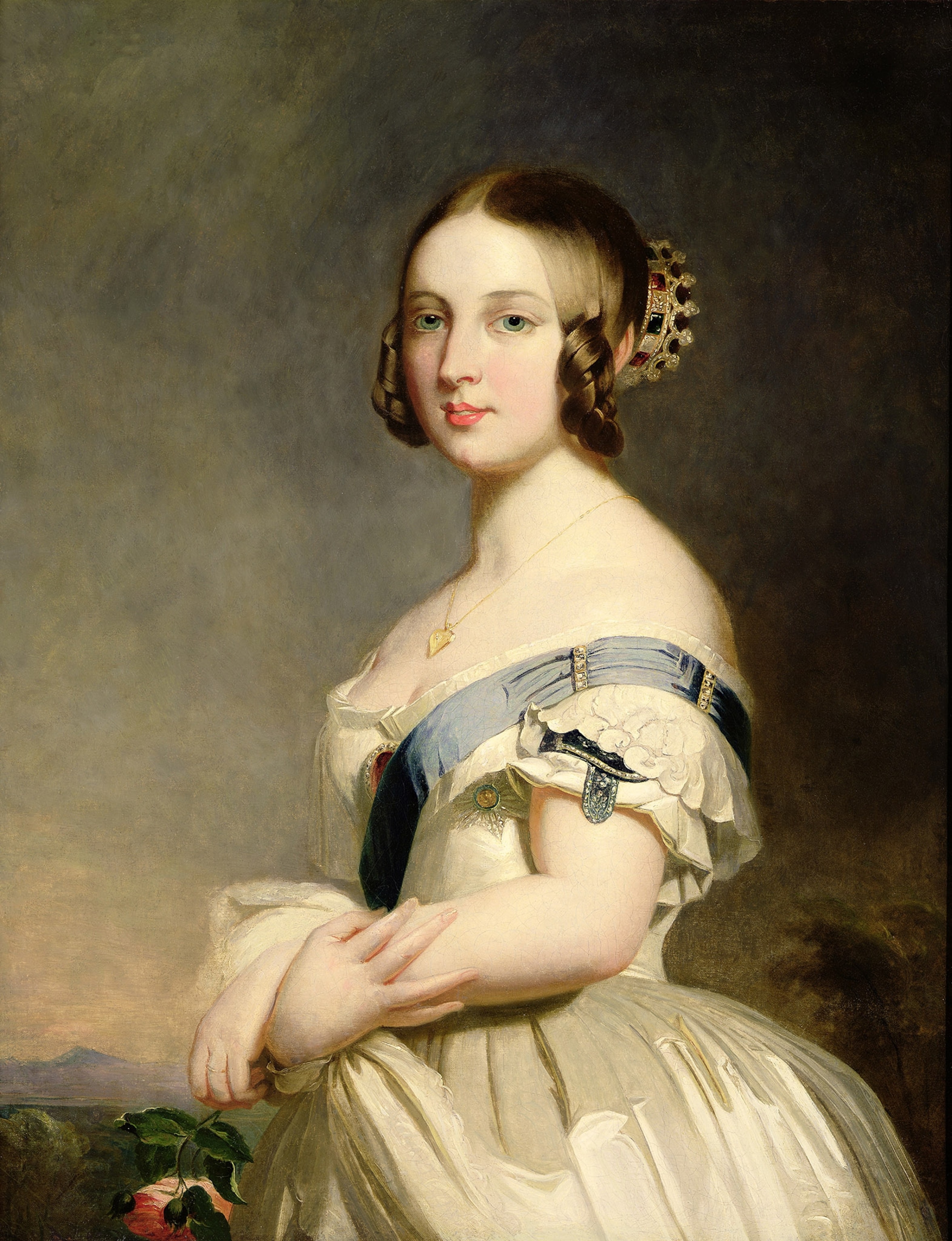
As of 2026, the term "queen" refers primarily to two distinct roles: the Queen Regnant, who serves as a sovereign head of state with the same powers as a king, and the Queen Consort, who is the wife of a reigning king. While the world currently sees a majority of queens consort, the constitutional landscape is shifting toward a future era dominated by queens regnant due to modernized succession laws.
The concept of a queen has evolved from ancient divine figures to modern diplomatic icons and constitutional figureheads. Understanding "all the queens of the world" requires a look at the women currently occupying these roles, the legal frameworks that define their power, and the historical figures who paved the way for the contemporary monarchy. In 2026, the global landscape of royalty is characterized by a "soft power" approach, where queens focus on humanitarian efforts, national identity, and international diplomacy.
Defining the Types of Queens
To navigate the complexities of global royalty, one must first distinguish between the various titles. A "Queen" is not a singular political category; her status is defined by her relationship to the throne and the laws of her nation.
Queen Regnant
A Queen Regnant is a female monarch who reigns in her own right. She is the head of state and holds sovereign power. Historically, these figures were rare due to Salic Law, which prohibited female succession. In the 21st century, most European monarchies have moved to absolute primogeniture, meaning the eldest child inherits the throne regardless of gender. However, in 2026, the world is in a transitional period where many current monarchs are kings, though their heirs are often female.
Queen Consort
A Queen Consort is the wife of a reigning king. While she shares her husband's social rank and status, she does not historically possess political or military powers of her own. Her role is largely ceremonial and supportive. Most of the famous queens recognized globally in 2026—such as Queen Camilla of the United Kingdom or Queen Mary of Denmark—are queens consort.
Queen Dowager and Queen Mother
A Queen Dowager is the widow of a king. If she is also the mother of the reigning monarch, she is often styled as the Queen Mother. These roles are influential within the royal family structure and often involve the continued patronage of various charities and national organizations.
The Queens of the World in 2026: A Current Snapshot
In 2026, the list of reigning queens (mostly consorts) represents a diverse range of cultures and constitutional roles. The following table provides a comprehensive overview of the most prominent queens currently active on the global stage.
| Country | Name | Type | Accession/Marriage Year | Primary Focus/Patronage |
|---|---|---|---|---|
| United Kingdom | Queen Camilla | Consort | 2022 (Consort) | Literacy, domestic abuse awareness, and the arts. |
| Denmark | Queen Mary | Consort | 2024 (Consort) | Sustainable fashion, mental health, and social isolation. |
| Spain | Queen Letizia | Consort | 2014 (Consort) | Rare diseases, nutrition, and education. |
| Netherlands | Queen Máxima | Consort | 2013 (Consort) | Financial inclusion and UN advocacy for development. |
| Belgium | Queen Mathilde | Consort | 2013 (Consort) | Mental health, child poverty, and literacy. |
| Jordan | Queen Rania | Consort | 1999 (Consort) | Education, cross-cultural dialogue, and youth empowerment. |
| Bhutan | Queen Jetsun Pema | Consort | 2011 (Consort) | Environment, protection of children, and health. |
| Sweden | Queen Silvia | Consort | 1976 (Consort) | Dementia research and children's rights (World Childhood Foundation). |
The European Context: A New Era of Consorts
The mid-2020s have seen significant shifts in European royalty. Following the death of Queen Elizabeth II in 2022 and the abdication of Queen Margrethe II of Denmark in early 2024, the era of the long-reigning Queen Regnant has paused. In 2026, Queen Camilla of the United Kingdom continues to refine her role as a modern consort, focusing on traditionally underserved issues like domestic violence support.
In Denmark, Queen Mary (formerly Mary Donaldson of Australia) has transitioned into her role as Queen Consort after the accession of King Frederik X. Her work highlights the internationalization of modern royalty, as she maintains strong ties with both her native Australia and her adopted Denmark.
The Middle East and Asia: Advocacy and Tradition
In Jordan, Queen Rania remains one of the most visible and influential queens globally. Her role transcends traditional expectations in the region; she is a powerful voice for education reform and a pioneer in using social media to bridge the gap between Western and Arab cultures. Similarly, in Bhutan, Queen Jetsun Pema represents a modern approach to the "Thunder Dragon" kingdom, combining traditional Himalayan values with modern environmental and health initiatives.
The Legal Evolution of Queenship: Successive Rights
The reason for the current scarcity of Queens Regnant in 2026 is rooted in centuries of legal tradition. However, the future looks very different. To understand "all the queens," we must understand the laws that allow them to exist.
The Shift to Absolute Primogeniture
Historically, most monarchies practiced male-preference primogeniture (where a son always displaces a daughter) or Salic Law (where women are excluded entirely). Between 1980 and 2015, most European nations—including Sweden, the Netherlands, Norway, Belgium, Denmark, and the UK—switched to absolute primogeniture.
This legal change ensures that the first-born child, regardless of sex, is the heir. Because of this, the next 20 to 50 years will likely be known as the "Age of Queens." The current heirs to the thrones in Sweden (Crown Princess Victoria), Belgium (Princess Elisabeth), the Netherlands (Princess Catharina-Amalia), and Spain (Princess Leonor) are all women. By the mid-21st century, the majority of European monarchs will likely be Queens Regnant.
Constitutional Limitations
In 2026, almost all queens in the Western world operate under a constitutional monarchy. This means they have no personal executive or legislative power. Their duties include:
- State Functions: Opening parliament, hosting state dinners, and receiving ambassadors.
- National Unity: Serving as a non-political symbol of the country’s history and continuity.
- Charitable Leadership: Using their "bully pulpit" to draw attention to social causes.
Influential Historical Queens: The Foundation of Modern Sovereignty
The status of queens in 2026 is built on the legacies of powerful women who broke the mold of their times. When people search for "all the queens," they are often looking for the giants of history who defined the role.
Queen Elizabeth II (United Kingdom)
Reigning from 1952 to 2022, Elizabeth II was the longest-reigning British monarch. She is the definitive example of a modern Queen Regnant. She navigated the transition from the British Empire to the Commonwealth of Nations, maintaining the monarchy's relevance through decades of social upheaval. Her death marked the end of an era for the global concept of queenship.
Queen Victoria (United Kingdom)
Victoria's reign (1837–1901) was so impactful that it defined an entire age—the Victorian Era. As a Queen Regnant, she oversaw the height of the Industrial Revolution and the expansion of the British Empire. She also redefined the royal family as a model of domesticity, a legacy that still influences how modern queens consort present themselves to the public.
Catherine the Great (Russia)
As an Empress Regnant, Catherine II of Russia (1762–1796) was one of the most powerful women in history. She expanded the Russian Empire significantly and was a patron of the Enlightenment. Unlike modern constitutional queens, Catherine held absolute power and was a central figure in European geopolitics.
Queen Isabella I of Castile (Spain)
Isabella is a rare example of a queen who co-ruled with her husband (Ferdinand II of Aragon) as an equal. Her reign was pivotal for the unification of Spain and the financing of Christopher Columbus's voyages. She represents the "Warrior Queen" archetype, actively participating in the administration and military strategy of her kingdom.
The Modern Role of the Queen: Soft Power and Diplomacy
In 2026, the value of a queen is often measured by her "soft power." This refers to the ability to influence international relations and social change through culture, values, and humanitarian efforts rather than military or economic force.
UN Advocacy and Global Development
Queen Máxima of the Netherlands serves as the United Nations Secretary-General’s Special Advocate for Inclusive Finance for Development (UNSGSA). Her work is highly technical, focusing on how digital financial services can help the world's poorest populations. This represents a significant shift from the decorative roles of queens in the past; she is a global policy expert who happens to be a queen.
Fashion as Diplomacy
For many modern queens, clothing is a silent language. Queen Letizia of Spain and Queen Mary of Denmark are noted for using their fashion choices to promote domestic designers and sustainable practices. By wearing "slow fashion" or repeating outfits, they signal a commitment to environmental responsibility, reflecting the values of their contemporary citizens.
Common Misconceptions About Queens
- "The Queen of England": There has not been a "Queen of England" since 1707. The correct title is the Queen (or King) of the United Kingdom.
- Every King’s Wife is a Queen: While true in most Western cultures, some monarchies use different titles. For example, in Morocco, the wife of the King is styled as "Princess Consort" (Lalla Salma was the first to be given a public title, though her current status is private).
- Queens Are "Above the Law": In 2026, while monarchs often have "sovereign immunity" from certain legal proceedings, they are constitutionally bound to act within the laws of their nations.
Comparative Table: Monarchies vs. Commonwealth Realms
It is important to distinguish between queens of independent monarchies and the role of the British Queen (or King) in the Commonwealth.
| Entity Type | Example Country | Nature of Royalty |
|---|---|---|
| Sovereign Monarchy | Spain | The King/Queen is the direct head of that specific nation. |
| Commonwealth Realm | Australia, Canada | The British Monarch is the Head of State, represented by a Governor-General. |
| Subnational Monarchy | Ashanti (Ghana) | Traditional leaders who hold cultural power within a larger republic. |
Frequently Asked Questions
How many reigning Queens Regnant are there in 2026?
As of 2026, there are no female Queens Regnant (heads of state) in the world's major constitutional monarchies following the abdication of Queen Margrethe II in 2024. However, the next generation of monarchs in Europe is predominantly female, with four crown princesses currently preparing to take their respective thrones.
Does a Queen Consort become a Queen Regnant if her husband dies?
No. If a King dies, the throne passes to his heir (usually his eldest child), not his wife. The Queen Consort then becomes a Queen Dowager or Queen Mother. She does not inherit the power to rule.
What is the difference between a Queen and an Empress?
An Empress typically rules over an empire—a collection of many states or nations (e.g., the Empress of Japan or Catherine the Great of Russia). A Queen usually rules over a single kingdom. In 2026, Japan is the only remaining Empire, though it does not have a reigning Empress.
Why do some countries have Queens while others have Presidents?
This depends on the country's constitution. Monarchies (like the UK, Norway, and Japan) have retained their royal families as symbols of history and stability, often transitioning them into ceremonial roles. Republics (like the USA, France, and Germany) elect a President as head of state.
Is there still a "Queen of the World"?
No, there is no such title. This phrase is often used metaphorically to describe women of immense global influence, such as the late Queen Elizabeth II, but it has no legal or political standing.
The Future of Queenship
As we look toward the remainder of the 2020s and into the 2030s, the definition of "all the queens of the world" will shift once more. We are currently witnessing a period of preparation. The young women who will one day be Queens Regnant—Leonor in Spain, Elisabeth in Belgium, and Victoria in Sweden—are undergoing military training and university education specifically designed to equip them for the challenges of 21st-century leadership.
For those interested in the ongoing status of global royalty, the best next action is to follow the official communications of the International Commission on Nobility and Royalty or the specific official websites of the Royal Households (such as Royal.uk for the British monarchy or Kongehuset.dk for the Danish monarchy). These sources provide verified updates on titles, patronages, and constitutional changes as they occur in real-time.