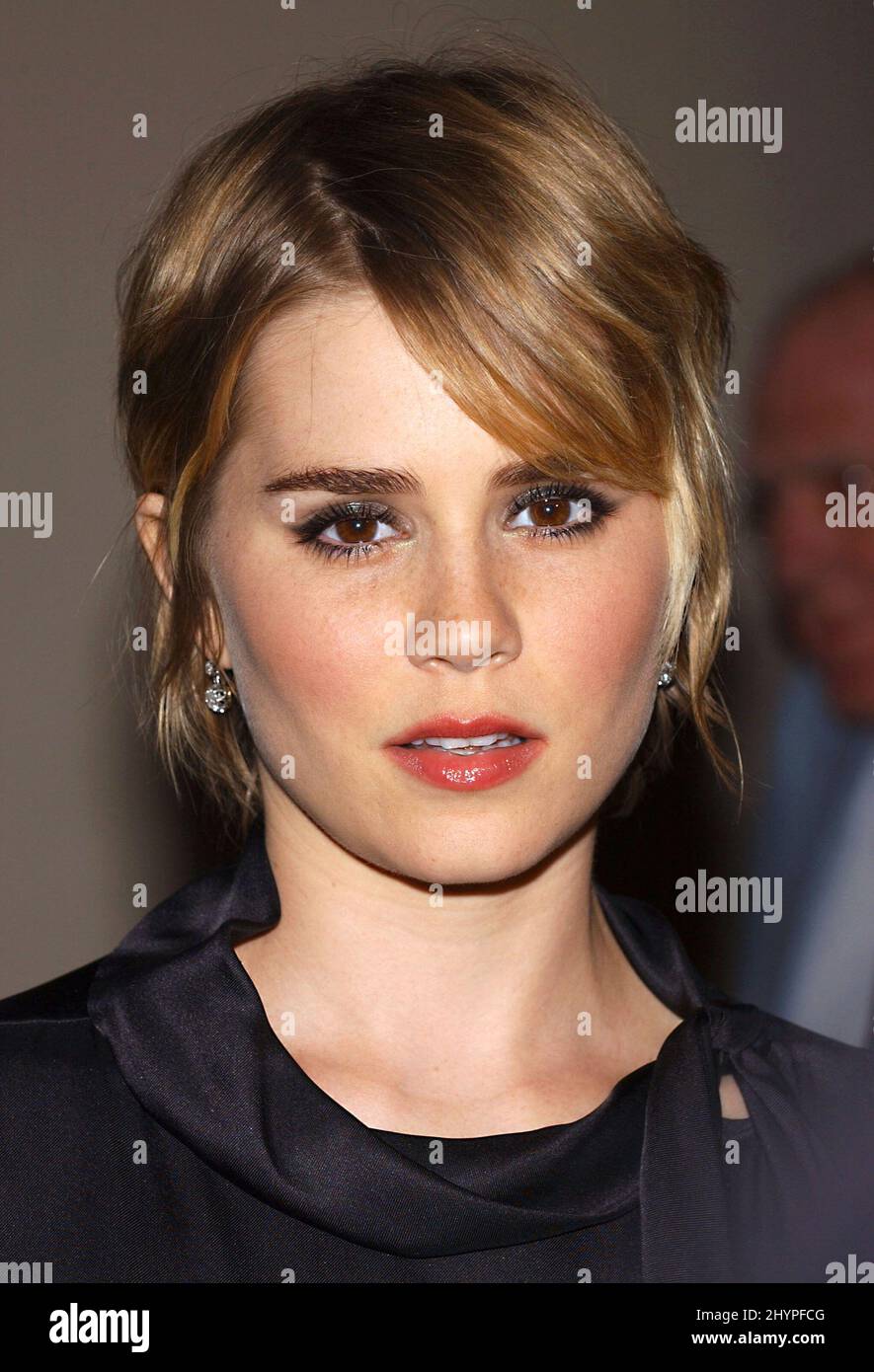
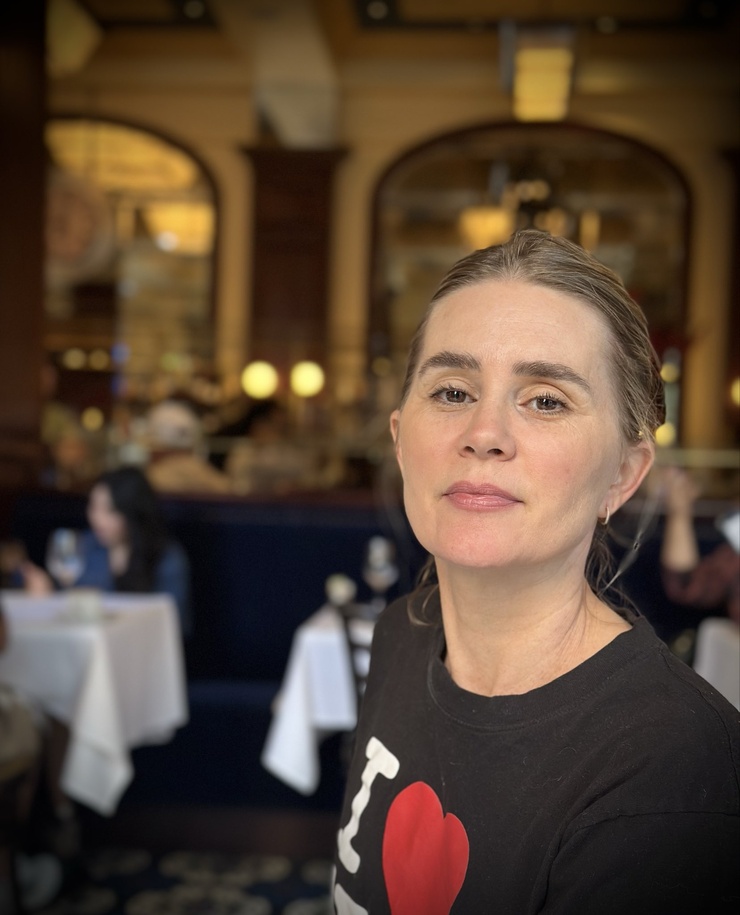
Alison Lohman, once a prominent fixture in Hollywood throughout the 2000s, has maintained a significantly low public profile since shifting her focus away from the relentless demands of the film industry. While she has largely stepped back from high-profile acting roles to prioritize her personal life and family, she remains remembered for her transformative performances in critically acclaimed projects such as White Oleander, Big Fish, and Drag Me to Hell.
The Trajectory of a Versatile Performer
To understand where Alison Lohman is now, it is essential to look at the unique trajectory of her career. Born in 1979 in Palm Springs, California, Lohman entered the industry with a reputation for intense preparation and a chameleon-like ability to inhabit disparate roles. Her early work demonstrated a preference for complex, emotionally demanding characters rather than the typical romantic leads often offered to young actresses of that era.
Her breakout role as Astrid Magnussen in the 2002 film White Oleander established her as a major talent. Opposite Michelle Pfeiffer, Lohman delivered a performance that required navigating profound grief, systemic instability, and the complexities of mother-daughter trauma. This role remains the benchmark for her dramatic capabilities. She followed this with a diverse array of projects, including Tim Burton’s Big Fish (2003), where she played the younger version of Jessica Lange’s character, Jenny, showcasing her ability to handle whimsical yet melancholic material.
Throughout the mid-2000s, Lohman continued to challenge expectations. Her work in Where the Truth Lies (2005) and Flicka (2006) proved she could carry a film as a lead, whether in gritty, adult-oriented thrillers or family-friendly narratives. However, her most notable later project was Sam Raimi’s Drag Me to Hell (2009). This film served as a reminder of her commitment to the craft, as she performed much of her own physical stunt work in a demanding horror environment.
The Shift Toward Private Life
Following the success of Drag Me to Hell, the public saw a marked decline in Lohman's output. By the early 2010s, it became clear that she was not merely taking a sabbatical, but was intentionally moving away from the spotlight.
The decision to exit the fast-paced environment of Hollywood is a recurring theme among actors who achieve early success. For Lohman, this transition was characterized by a desire to establish a life outside of the constant scrutiny of the entertainment industry. Unlike many contemporaries who maintain active social media personas or pivot to high-profile brand endorsements, Lohman chose to embrace anonymity. Her retreat from the press and social media platforms has been consistent, reflecting a boundary-setting approach to fame.
Key Professional Milestones and Project Context
Understanding her body of work helps contextualize why audiences remain interested in her status. The following table outlines some of the most defining projects that cemented her reputation.
| Film Title | Year | Role | Significance |
|---|---|---|---|
| White Oleander | 2002 | Astrid Magnussen | Established her as a leading dramatic actress. |
| Big Fish | 2003 | Young Jenny | Demonstrated range in a major studio fantasy film. |
| Where the Truth Lies | 2005 | Karen O'Connor | Showed her capacity for complex, adult-centric roles. |
| Flicka | 2006 | Katy McLaughlin | Proved her viability as a commercial, family-film lead. |
| Drag Me to Hell | 2009 | Christine Brown | A physical and emotional tour-de-force in horror. |
Personal Evolution and Current Focus
As of 2026, Alison Lohman is focused on her life as a mother and private citizen. She married filmmaker Mark Neveldine in 2009, with whom she collaborated during the production of Gamer (2009). Following her marriage, her professional appearances became sporadic, often limited to small roles or support for projects helmed by family.
Her current life is marked by the absence of the "star" persona. She has moved away from the PR-driven landscape of modern celebrity culture. This transition is not uncommon for actors who reached their professional goals early and decided that the trade-off of anonymity was more valuable than the continuation of their onscreen presence. Reports indicate that she remains in the United States, managing a life that prioritizes family development away from the lens of the paparazzi.
Addressing Common Inquiries
Because of her extended absence from mainstream media, questions regarding her status often circulate among fans who appreciate her past work.
Did Alison Lohman retire from acting?
Lohman never issued a formal retirement announcement. Instead, she underwent a gradual transition away from accepting high-profile roles. In the industry, this is often described as "stepping away" rather than formal retirement, as it leaves the door open for potential future projects that might align with her current priorities, should she choose to pursue them.
What was her last major project?
Her most significant final lead role in a major studio film was Drag Me to Hell in 2009. While she appeared in subsequent smaller films, such as The Vatican Tapes in 2015, her presence in the public eye effectively slowed to a halt shortly after her 2009 breakout year.
Why is there little information about her online?
Lohman has been notoriously private regarding her personal life. She does not maintain public-facing social media accounts, which are the primary engines for modern celebrity updates. This lack of digital footprint is a deliberate lifestyle choice to maintain privacy for her and her family.
Does she plan to return to the screen?
There is no publicly available information or verification suggesting she has plans for a return to major acting roles. Her career trajectory suggests that if she were to appear on screen again, it would likely be for a project of personal interest rather than a return to the studio system or a full-scale comeback.
Is she still working in the film industry in a non-acting capacity?
While her husband, Mark Neveldine, remains active as a director and producer, there is no public record of Lohman working in a professional behind-the-scenes capacity. Her focus is understood to be entirely detached from the industry’s professional operations.
Respecting the Choice of Privacy
For fans of Alison Lohman, the "where are they now" narrative often creates a dissonance between the public's desire for connection and the individual's right to privacy. The reality of her current life is that she has successfully transitioned out of the public domain. This serves as a reminder that many performers see acting as a job rather than a lifestyle, and once the goals of that job are met, they are free to pursue other life chapters.
In 2026, the absence of new, high-profile activity from Lohman should be interpreted as the natural conclusion of a career phase. She is living the life she chose, which is distinct from the characters she portrayed on screen. Those who admire her work can continue to engage with her extensive filmography, which stands as a complete and significant contribution to cinema history.
Recommendations for Devoted Viewers
If you find yourself missing the performances that made Alison Lohman a household name, the most fulfilling way to engage with her career is through a structured re-watch. Rather than searching for new updates that do not exist, prioritize revisiting her work with a modern perspective.
- Host a retrospective: Revisit White Oleander to analyze the nuances of the performances, comparing how they hold up decades later.
- Explore her supporting roles: Many viewers focus only on her leads; watching her earlier, smaller roles can provide a fuller picture of her professional evolution.
- Focus on the Craft: Study the cinematography of the films she chose, particularly the collaboration between her acting style and directors like Tim Burton or Sam Raimi.
Ultimately, Alison Lohman’s current status is exactly what she has allowed it to be: a quiet, private life characterized by a shift in priorities. There is no missing news or hidden projects; there is simply a performer who has completed her time in the spotlight and has moved on to the next phase of her life.