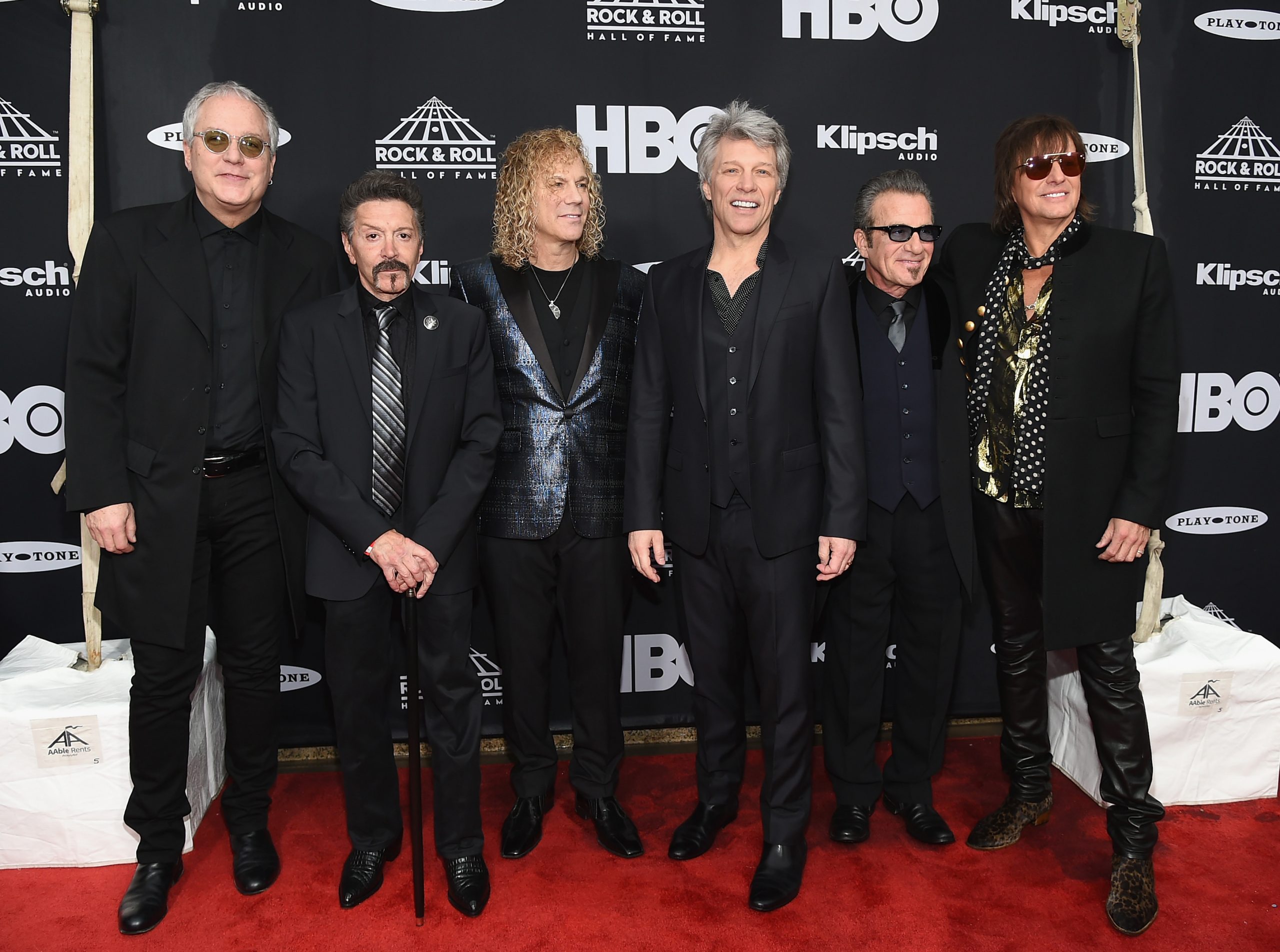
At the time of his passing in June 2022, Alec John Such, the founding bassist of Bon Jovi, had an estimated net worth of approximately $10 million. As of 2026, his estate continues to reflect the enduring financial power of the band’s classic discography, sustained by ongoing royalties from multi-platinum albums and the global cultural footprint of the "Jersey Syndicate" era of rock.
Understanding the Alec John Such Financial Portfolio
Alec John Such was a pivotal figure in the formation of Bon Jovi, serving as the band's bassist from its inception in 1983 until 1994. While he was not a primary songwriter—a role largely dominated by Jon Bon Jovi and Richie Sambora—his status as a founding member and a "shareholder" during the band’s most explosive period of growth secured his financial future long after he stepped away from the spotlight.
To analyze the net worth of Alec John Such (often searched as "Alec Suchs"), one must look beyond a simple bank balance. His wealth was a combination of performance royalties, tour buyouts, business ventures in his native New Jersey, and the high-value brand equity associated with being a Rock and Roll Hall of Fame inductee.
The Foundation of Wealth: The Bon Jovi Years (1983–1994)
The primary driver of Such’s $10 million valuation was his involvement in Bon Jovi’s first five studio albums. This period represents the commercial peak of the "hair metal" and stadium rock era, where physical album sales were the primary revenue stream for musicians.
The Multi-Platinum Era
During Such’s tenure, the band released their self-titled debut (1984), 7800° Fahrenheit (1985), Slippery When Wet (1986), New Jersey (1988), and Keep the Faith (1992).
- Slippery When Wet: This album alone has sold over 28 million copies worldwide. For a performing member like Such, the mechanical royalties from an album of this magnitude are significant. Even without songwriting credits, the "points" (percentage of retail price) awarded to founding members for their performances on the masters provide a lifetime of passive income.
- New Jersey: Following the success of its predecessor, New Jersey sold over 10 million copies in the U.S. and featured five Top 10 hits. The financial windfall from this era allowed the band members to achieve individual multi-millionaire status by the end of the 1980s.
Touring and Live Revenue
In the 1980s and early 90s, Bon Jovi was one of the highest-grossing touring acts in the world. The "New Jersey Syndicate" tour (1988–1990) consisted of 232 shows across five continents. Unlike modern streaming-heavy revenue models, touring in this era was exceptionally profitable due to massive merchandise sales and high-ticket sell-outs without the modern overhead of complex digital marketing. Alec John Such, as a core member, shared in the profits of these global treks, which were instrumental in building his initial seven-figure wealth.
The 1994 Departure and Its Financial Implications
The departure of Alec John Such in 1994 remains a point of interest for fans and financial analysts alike. While the official reason cited was burnout and a desire to live a more private life, the exit of a founding member from a billion-dollar entity like Bon Jovi involves complex legal and financial settlements.
Exit Agreements and Buyouts
When a member leaves a high-grossing band, they typically enter a "sunset" agreement. While Such likely ceased to earn a share of touring revenue for tours he did not perform on, he would have retained his performance royalties for the albums he recorded.
In many rock band structures of that era, departing founding members receive a lump-sum buyout or a structured settlement to relinquish their rights to the band's name and future earnings. Given Such’s continued cordial relationship with the band—exemplified by his return for the Rock and Roll Hall of Fame induction—it is widely believed that his exit was handled professionally, ensuring he remained financially comfortable for the rest of his life.
Life After the Spotlight: Business and Management
Unlike his bandmates who continued to pursue high-profile solo careers or acting, Alec John Such took a more entrepreneurial and local approach to his wealth management after 1994.
Management and Artist Development
Such remained active in the New Jersey music scene, managing several local bands, most notably 7th Heaven. By acting as a manager, he was able to leverage his industry connections and experience into a new revenue stream, taking a percentage of the bookings and deals he facilitated for younger artists.
Private Business Ventures
Such was also known for his passion for motorcycles. He owned a motorcycle shop in New Jersey for several years. While a boutique motorcycle shop is rarely the primary driver of a $10 million net worth, it served as an active business interest that kept his capital moving and provided a community-based lifestyle outside of the grueling entertainment industry.
The 2018 Rock and Roll Hall of Fame Induction
A significant moment for both the legacy and the valuation of Alec John Such’s career occurred in 2018 when Bon Jovi was inducted into the Rock and Roll Hall of Fame.
This induction serves as a "blue chip" stamp for a musician's career. From a financial perspective, Hall of Fame inductions often lead to:
- A spike in streaming and physical sales: When a band is inducted, their catalog typically sees a 20-30% increase in play rates across platforms like Spotify and Apple Music.
- Increased licensing fees: Songs featuring the original lineup become more valuable for use in films, commercials, and video games.
- Memorabilia value: The market value of instruments or items owned by Hall of Fame musicians increases significantly at auction.
Such’s presence at the ceremony reminded the world of his contribution to hits like "Livin' on a Prayer" and "You Give Love a Bad Name," reinforcing the long-tail value of his estate.
Financial Summary: Alec John Such's Career Milestones
The following table outlines the key eras of Alec John Such's career and the primary financial drivers associated with each period.
| Era | Focus | Primary Revenue Sources | Estimated Financial Impact |
|---|---|---|---|
| 1983–1985 | Foundational Years | Club tours, early record deals | Moderate (Debt repayment phase) |
| 1986–1990 | Global Superstardom | Slippery When Wet, New Jersey, Stadium tours | High (Initial wealth creation) |
| 1991–1994 | Maturity | Keep the Faith, "Always" single, Exit settlement | High (Long-term stability) |
| 1995–2017 | Private Era | Royalties, Management, Small business | Stable (Asset preservation) |
| 2018–2022 | Legacy Era | Hall of Fame induction, Catalog streaming | Stable (Estate growth) |
The Impact of Streaming on the Estate in 2026
As of 2026, the music industry has fully transitioned to a streaming-dominant and sync-licensing economy. For the estate of a legacy artist like Alec John Such, this means that every time "Wanted Dead or Alive" is played in a movie or "Bad Medicine" is streamed on a playlist, the estate receives a portion of the royalties.
Bon Jovi remains a staple of classic rock radio and "80s Hits" playlists. Because Such played bass on all the band's most recognizable songs, his estate continues to benefit from the massive volume of streams these tracks generate. In 2026, industry data suggests that legacy acts from the 80s are seeing a resurgence in value as younger generations discover "stadium rock," providing a consistent "annuity-style" income for the heirs of the founding members.
Estate Management and Posthumous Valuation
Following his death in June 2022, Such’s assets were transitioned to his estate. In the years leading up to 2026, the valuation of music catalogs has reached record highs. While Such was not a songwriter—meaning he did not own the "publishing" rights—he did own the "neighboring rights" and performance royalties.
In the current market, even performance-only rights for a catalog as successful as Bon Jovi's are considered highly valuable assets. If the estate were to sell these rights to a private equity firm (a common trend in 2026), the valuation could potentially exceed the $10 million mark depending on the specific terms of his original contract with Mercury Records.
FAQs About Alec John Such's Net Worth
Why was Alec John Such's net worth lower than Jon Bon Jovi's?
The discrepancy in net worth (Jon Bon Jovi is estimated at over $400 million) is primarily due to songwriting royalties and brand ownership. Jon Bon Jovi and Richie Sambora wrote the majority of the band's hits, granting them "publishing" income, which is significantly more lucrative than "performance" income. Additionally, Jon Bon Jovi owns the band name as a business entity and receives a larger share of all brand-related revenue.
Did Alec John Such receive royalties until his death?
Yes. As a performing artist on the original master recordings of Bon Jovi's biggest albums, Such was entitled to performance royalties. These royalties are paid out by the record label and through organizations that collect "neighboring rights" revenue globally.
How did his departure in 1994 affect his wealth?
His departure meant he stopped receiving a share of the band's touring profits and royalties from future albums (like Crush or Have a Nice Day). However, it did not strip him of his earnings from the albums he contributed to. Most reports suggest he left with a substantial settlement that allowed him to live comfortably without needing to work again.
What happened to his net worth after he died in 2022?
Upon his death, his net worth became part of his estate. Under standard probate and inheritance laws, these assets (including ongoing royalty rights) were passed to his designated heirs. The estate continues to collect revenue from the commercial use of Bon Jovi’s 1983–1994 catalog.
Did Alec John Such own any significant real estate?
Such was known for his privacy, but he maintained residences in New York and New Jersey throughout his life. His real estate holdings were modest compared to the sprawling estates of his former bandmates, reflecting his preference for a more grounded lifestyle.
Summary of Financial Legacy
Alec John Such’s financial story is a classic example of the "founding member" success model in the music industry. By being part of a cultural phenomenon at its inception, he secured a level of wealth that permitted him to exit the high-stress environment of professional rock and roll at a relatively young age while maintaining a high standard of living for decades.
His estimated $10 million net worth was not just a result of his talent as a bassist, but a testament to the massive commercial scale of the music industry in the late 20th century. In 2026, as Bon Jovi's music continues to define the rock genre for new audiences, the financial legacy of Alec John Such remains a stable and significant part of rock history.
Recommended Action: For those interested in the financial structures of legacy rock bands, researching the difference between performing rights and publishing rights is essential to understanding how different band members accumulate varying levels of wealth.