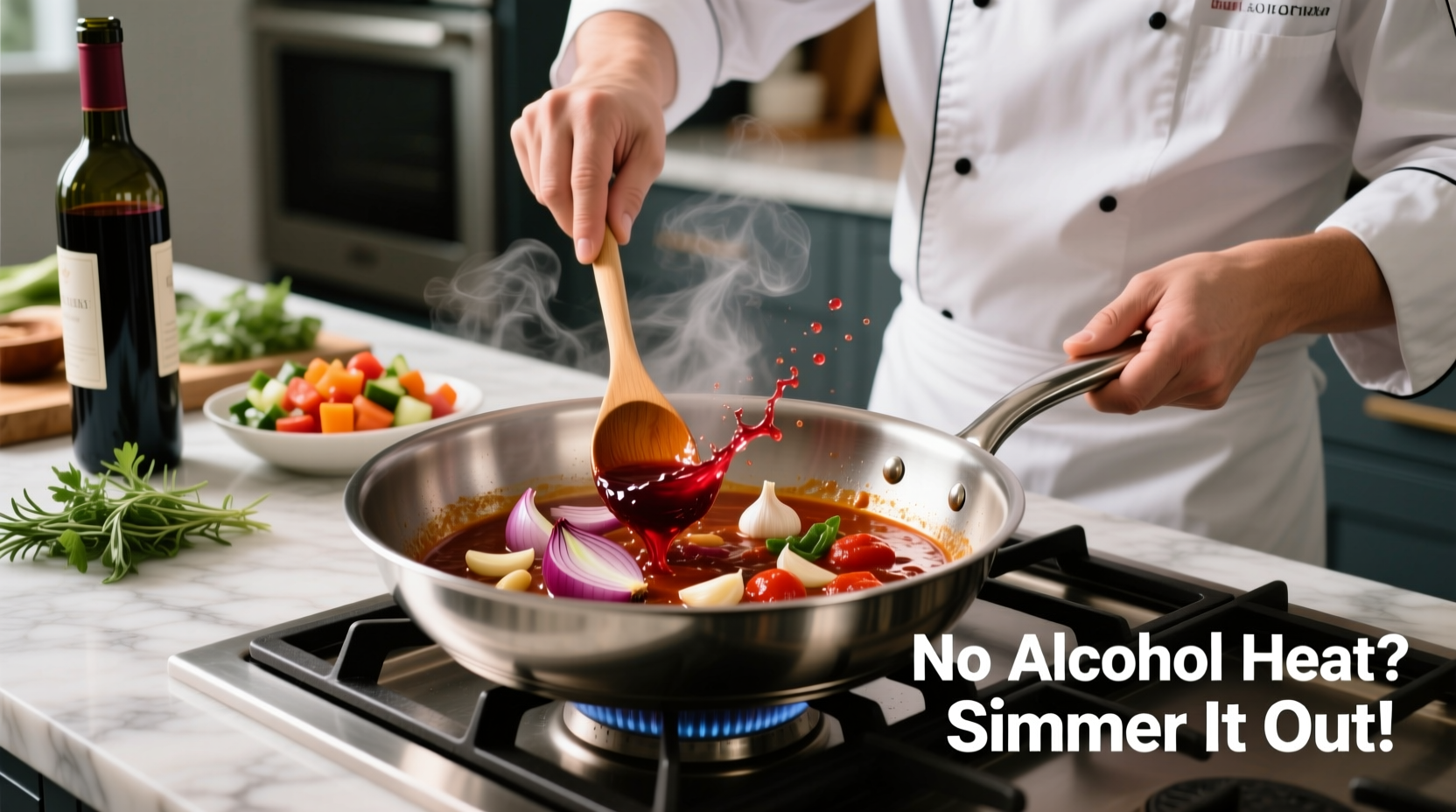
Alcohol acts as both a solvent and a flavor carrier in cooking, dissolving fat-soluble flavor compounds that water cannot capture while chemically altering how human taste receptors perceive food. When introduced to culinary applications, ethanol extracts intricate aromas from ingredients, elevates and balances rich or acidic profiles, and interacts with heat through evaporation and enzymatic reactions to transform raw components into deeply layered dishes.
The Scientific Role of Alcohol in the Kitchen
Understanding how alcohol functions in food preparation requires looking at chemistry, particularly the properties of ethanol and congeners. Water-based liquids extract certain flavor compounds, but many aromatic molecules found in herbs, spices, meats, and vegetables are hydrophobic—meaning they repel water but dissolve readily in alcohol. When wine, spirits, or beer are added to a pan, the alcohol acts as a solvent, pulling these locked-in flavors out of the ingredients and dispersing them throughout the dish.
Furthermore, alcohol serves as a flavor bridge. It binds to both water and fat molecules, allowing disparate elements in a sauce or stew to harmonize. This chemical bridging prevents fats from separating and helps distribute seasoning evenly across the palate. Additionally, ethanol lowers the surface tension of liquids, which enhances the evaporation rate of volatile aromas, carrying them upward into the air and intensifying the olfactory experience of eating.
Culinary Classifications: Selecting the Right Bottle
Choosing the correct beverage for a recipe involves more than grabbing whatever is open in the pantry. Different styles of alcohol bring distinct chemical and flavor profiles to a dish, and understanding these distinctions prevents culinary mishaps.
Wines: Dry vs. Sweet, Red vs. White
- Dry White Wines: High in acidity and moderate in alcohol, dry whites like Sauvignon Blanc, Pinot Grigio, or crisp Chardonnays work exceptionally well for deglazing seafood, poultry, and pan sauces. The acidity cuts through heavy fats and brightens the overall flavor profile.
- Dry Red Wines: Rich in tannins and deeper fruit notes, reds like Cabernet Sauvignon, Merlot, or Syrah pair naturally with robust braises, beef, lamb, and hearty tomato sauces. Tannins break down proteins in meats during long cooking cycles, while the deep fruit flavors concentrate as the liquid reduces.
- Sweet Wines: Dessert wines, ports, and sherries introduce concentrated sugars and distinct oxidation notes. They are best reserved for reduction sauces, poaching fruits, or finishing savory glazes where caramelization is desired.
Spirits and Liqueurs
High-proof spirits such as brandy, bourbon, rum, and vodka carry intense concentrations of flavor without adding excess volume or unwanted sweetness. Because of their elevated alcohol content—typically 40% ABV or higher—they are prime candidates for flambéing, where the volatile vapors ignite to leave behind toasted, caramelized aromatics while burning off the bulk of the ethanol. Liqueurs, conversely, contain high sugar levels and are utilized primarily in pastry work, custards, and dessert sauces where both flavor and sweetness are required.
Beer, Cider, and Fermented Tonics
Ales, lagers, stouts, and hard ciders bring unique profiles dictated by hops, malt, and yeast. Lighter lagers offer crispness to batters like beer-battered fish, while dark stouts and porters contribute roasted, coffee-like bitterness and deep color to stews, chili, and chocolate-based desserts.
The Myth and Reality of Alcohol Evaporation
A persistent culinary myth suggests that alcohol completely cooks out of a dish after a brief period of simmering or baking. Extensive culinary testing and laboratory analysis conducted by the U.S. Department of Agriculture (USDA) Nutrient Data Laboratory reveal a different reality. The rate at which ethanol dissipates depends on cooking technique, surface area, initial volume, and exposure time.
| Cooking Method | Cooking Time | Percentage of Alcohol Retained |
|---|---|---|
| Flambéed (ignited) | Immediate | 75% – 85% |
| Added to boiling liquid, removed from heat | None | 85% |
| Baked or simmered in a dish (alcohol stirred in) | 15 minutes | 40% |
| Baked or simmered in a dish | 30 minutes | 35% |
| Baked or simmered in a dish | 1 hour | 25% |
| Baked or simmered in a dish | 2 hours | 10% |
| Baked or simmered in a dish | 2.5 hours | 5% |
As the data demonstrates, achieving near-zero alcohol retention requires prolonged cooking times exceeding two hours. Cooks preparing meals for individuals with strict alcohol restrictions, recovering dependencies, or specific health conditions must account for this residual content rather than assuming heat instantaneously eradicates all traces of ethanol.
Core Techniques for Incorporating Alcohol
Mastering alcohol in the kitchen involves understanding when and how to introduce it to the cooking vessel to achieve specific chemical and textural outcomes.
Deglazing
Deglazing is the process of pouring liquid into a hot pan immediately after searing meats or vegetables. The residual sugars and proteins stuck to the bottom of the pan—known as the fond—instantly dissolve into the alcohol. Because ethanol boils at a lower temperature than water (approximately 173°F or 78°C), it vaporizes rapidly upon contact with a hot surface, helping to lift the fond while mellowing the raw bite of the alcohol.
Marinating and Brining
Because alcohol penetrates food tissues and acts as a solvent, it serves as an effective marinade component. It helps carry oil- and water-soluble spices deep into the muscle fibers of meat. However, because high concentrations of pure alcohol can denature proteins excessively and cause meat to toughen rather than tenderize, acidic alcohols like wine should be balanced with oils, acids, and sugars, and marination times should be monitored carefully.
Flambéing
Flambéing is as much a visual technique as a flavor-enhancing method. When high-proof liquor is warmed in a skillet and ignited, the combustion burns off the surface ethanol quickly, leaving behind the complex congeners and aromatic compounds of the spirit. This technique coats foods like steak Diane, crêpes suzette, or fruit compotes with a distinct, smoky caramelized finish.
Substitution Guidelines and Safety Considerations
When modifying recipes for dietary, religious, or personal preferences, replacing alcohol requires understanding its dual role as a liquid and a flavor agent. Simply omitting wine or spirits from a reduction sauce leaves a significant gap in acidity and depth.
Effective Non-Alcoholic Substitutes
- For White Wine: Use equal parts chicken or vegetable stock combined with a tablespoon of fresh lemon juice or white wine vinegar to mimic the missing acidity.
- For Red Wine: Substitute beef stock mixed with a splash of pomegranate juice, cranberry juice, or red wine vinegar for tartness and depth.
- For Beer: Use rich chicken or vegetable broth combined with a dash of Worcestershire sauce or malt vinegar.
- For Spirits: Extract or flavored syrups (like almond extract for amaretto) diluted in water can simulate specific flavor notes, though they should be used sparingly due to high concentration.
Safety Considerations
Cooking with high-proof liquors near an open flame demands caution. Always remove the pan from the burner before pouring alcohol directly from a bottle into a hot skillet to prevent flame traveling up the stream into the container. For individuals with severe allergies, sensitivities, or medical protocols requiring zero alcohol intake, verifying ingredient labels—including hidden alcohols in vanilla extracts and vinegars—is a critical safety step.
Frequently Asked Questions
Does cooking with alcohol make food taste like liquor?
When executed correctly, cooking softens the aggressive, sharp bite of raw alcohol, leaving behind concentrated fruit, malt, or herbal notes rather than the taste of harsh spirits. If a dish tastes heavily of raw alcohol, it typically means the liquid was added too late in the cooking process or was not allowed to simmer down sufficiently.
Can cheap wine be used for cooking?
Culinary convention dictates that if a wine is unpalatable to drink on its own, it should not be used in cooking. Poor-quality or heavily oxidized "cooking wines" found on standard grocery store shelves often contain high levels of added sodium and preservatives that concentrate unpleasantly during reduction. A moderately priced, drinkable table wine yields superior flavor results.
How do I prevent my sauce from tasting bitter when using red wine?
Bitterness in wine-based sauces usually stems from excessive reduction of heavy tannins or using an over-oaked, highly astringent red wine. To correct bitterness, balance the sauce with a small pat of cold butter, a pinch of sugar, or an extra splash of broth to dilute the concentrated tannins.
Is cooking wine the same as regular wine?
No. Standard cooking wines sold in grocery store condiment aisles are treated with salt and preservatives to prevent spoilage and extend shelf life on non-refrigerated shelves. Regular table wine, purchased from a liquor or grocery beverage section, contains no added salt, allowing the cook complete control over the seasoning of the dish.
What is the best alcohol for deglazing a pan?
The choice depends on the protein being cooked. Dry white wines or vermouth suit chicken, fish, and pork chops exceptionally well, while dry red wines, dry sherry, or bourbon pair naturally with beef, lamb, and game meats.
Conclusion and Next Actions
Elevating everyday cooking with alcohol relies on matching the right bottle to the ingredient, respecting the chemistry of reduction times, and understanding how ethanol interacts with flavor compounds. Begin your next culinary project by selecting a versatile, dry table wine or a quality spirit, incorporate it early in the cooking process to allow proper mellowing, and taste continuously as the liquid reduces to achieve a balanced, deeply aromatic result.