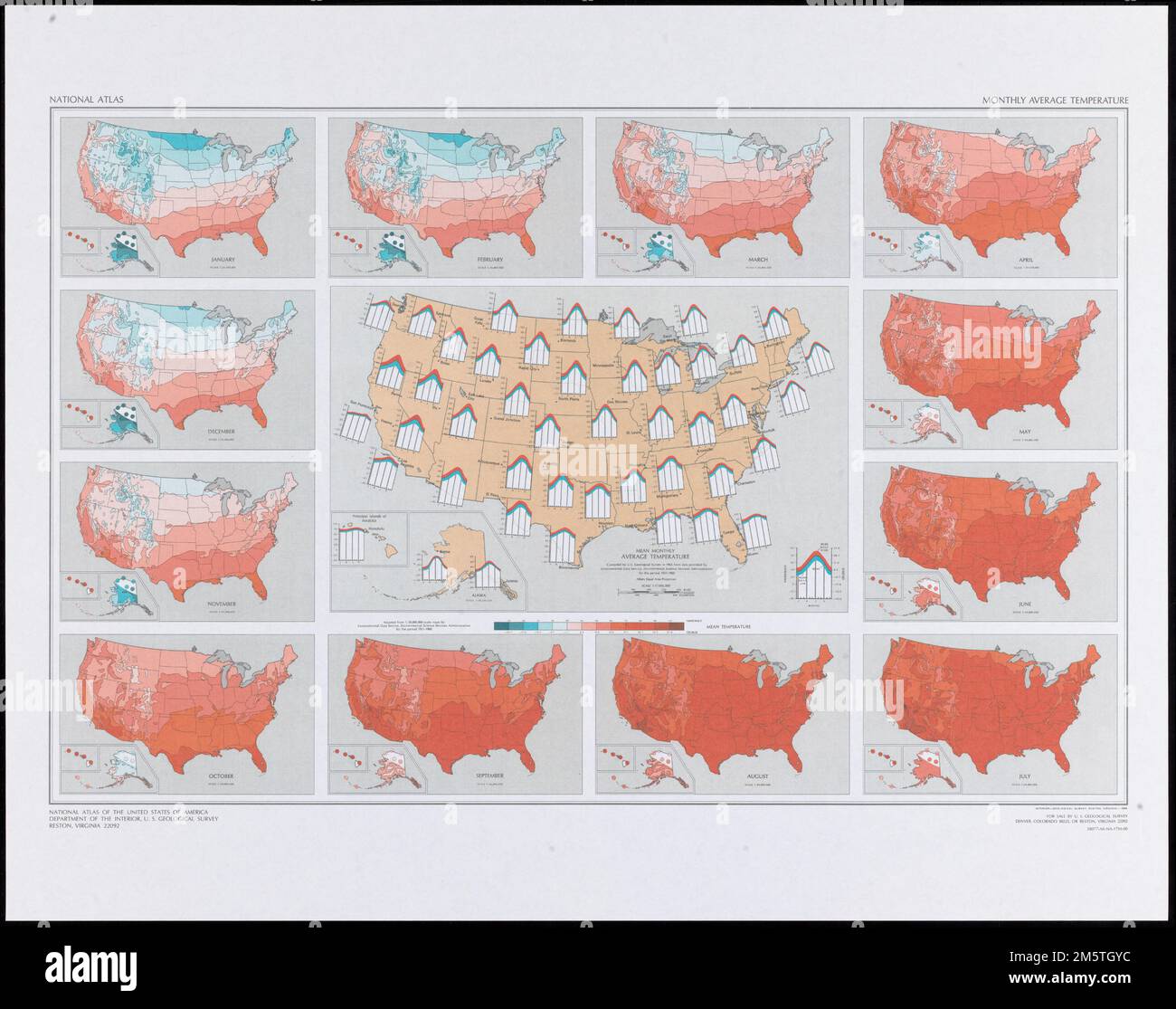
Alaska’s climate is characterized by extreme regional diversity, ranging from the temperate maritime conditions of the Southeast Panhandle to the true Arctic environment of the North Slope. Because the state spans more than 660,000 square miles, average temperatures vary drastically depending on latitude, proximity to the coast, and elevation. Travelers, researchers, and residents must differentiate between the mild coastal winters of the south and the sub-zero inland temperatures of the interior to accurately plan for seasonal shifts.
Understanding Alaska’s Diverse Climate Zones
To analyze Alaska’s average temperatures by month, one must first recognize that the state does not possess a singular climate. Instead, it is divided into distinct zones that behave independently throughout the calendar year.
The Maritime Zone includes the Southeast, the Gulf of Alaska, and the Aleutian Islands. This region is heavily influenced by the North Pacific Ocean, which acts as a thermal buffer. Temperatures here are significantly more stable than in the rest of the state, rarely reaching the extreme lows seen in the interior, but frequently experiencing high precipitation in the form of rain and snow.
The Continental Zone covers the vast Interior, including Fairbanks and the Copper River Basin. This area is defined by "extreme continentality," meaning it lacks the moderating effect of the ocean. Summers can be surprisingly warm, while winters are marked by prolonged, severe cold.
The Arctic Zone, located north of the Brooks Range, experiences long, dark winters and brief, cool summers. In this region, permafrost remains just below the surface for much of the year, and temperature fluctuations are often mitigated by the cold waters of the Arctic Ocean during the summer months.
Seasonal Temperature Transitions: A Monthly Breakdown
Winter (November through March)
Winter in Alaska is not a monolithic event. While the coast might see average daily highs hovering near freezing (30°F to 35°F), the Interior routinely experiences temperatures well below zero (-10°F to -20°F). January is typically the coldest month across most of the state. In the interior, temperatures can plummet to -40°F or lower during cold snaps. Coastal regions often experience "Chinook" winds—warm, downslope gusts that can temporarily spike temperatures by 20 degrees or more within hours.
Spring (April and May)
Spring is a season of rapid transformation. April serves as a transitional month where daylight hours increase dramatically. Average temperatures begin to climb above freezing in the South, while the North remains locked in winter. May is widely considered the beginning of the "fair" season. Snowmelt begins in earnest, and while ground temperatures remain cold, air temperatures in cities like Anchorage often reach the 50s°F by the end of the month.
Summer (June through August)
Summer represents a brief but intense burst of activity. July is the warmest month throughout Alaska. Coastal regions usually peak in the mid-60s°F, while the Interior can reach the 70s°F or even the low 80s°F. Despite these highs, nighttime temperatures often drop significantly, requiring layered clothing even in the height of the season.
Autumn (September and October)
Autumn is remarkably short. By mid-September, the first frosts are common in the Interior. By October, the transition to winter begins, with snow accumulation starting in the higher elevations and moving toward sea level. Daylight hours decrease at a rapid rate—one of the fastest shifts in the world—leading to a quick cooling of the landscape.
Alaska Temperature Data Comparison
The following table provides a generalized overview of average high and low temperature ranges across three representative regions. Note that these figures reflect long-term meteorological averages and are subject to localized weather patterns.
| Month | Southeast (High/Low °F) | Interior (High/Low °F) | Arctic (High/Low °F) |
|---|---|---|---|
| January | 35 / 25 | 1 / -15 | -5 / -20 |
| March | 40 / 30 | 25 / 0 | 5 / -15 |
| May | 55 / 40 | 60 / 35 | 35 / 20 |
| July | 65 / 50 | 75 / 50 | 50 / 35 |
| September | 55 / 45 | 50 / 30 | 40 / 30 |
| November | 40 / 30 | 15 / -5 | 5 / -15 |
Factors Influencing Regional Discrepancies
Several key factors explain why your experience in one part of Alaska may differ from the official data.
Elevation: The "lapse rate"—the rate at which temperature drops with an increase in altitude—is critical in Alaska. Mountainous areas, such as the Alaska Range or the Chugach Mountains, are significantly colder than the valleys below. If you are planning to travel to high-elevation mountain passes or glaciers, you must subtract 3°F to 5°F from the valley floor averages for every 1,000 feet of elevation gain.
Daylight Duration: Alaska’s latitude creates extreme variations in sunlight. In the summer, the "Midnight Sun" contributes to warming the ground, which then radiates heat back into the air, keeping temperatures higher overnight. Conversely, in the winter, the lack of solar radiation allows temperatures to sink to extreme lows, particularly in the Interior where nights can last for 20 hours or more.
Oceanic Influence: The Aleutian Low, a semi-permanent low-pressure system in the North Pacific, dictates weather for the southern coast. This system brings moisture-laden air that keeps the coast warmer but also leads to higher cloud cover. In the Interior, the absence of this moisture allows for clearer skies, which paradoxically leads to more extreme cold because heat escapes easily into the atmosphere at night.
Practical Considerations for Planning
When preparing for Alaska's temperatures, "dressing in layers" is the standard local recommendation. Because of the vast temperature swings between mid-day and the time the sun dips below the horizon, even in summer, reliance on a single heavy coat is ineffective.
- Base Layer: Moisture-wicking synthetic or merino wool materials are essential. Cotton should be avoided, as it retains moisture and loses its insulating properties when wet, posing a risk of hypothermia.
- Insulating Layer: Down or synthetic fleece provides the necessary heat trapping. Having a mid-weight jacket that can be stored in a pack is ideal for fluctuating conditions.
- Shell Layer: A windproof and waterproof outer layer is non-negotiable. Even in the Interior, wind chill can make temperatures feel much colder than the thermometer indicates.
For those traveling in winter, particularly in the Interior, be aware of the mechanical limitations of vehicles. Most Alaskans utilize engine block heaters and battery blankets to ensure vehicles can start at temperatures below -20°F. If you are renting a vehicle, verify that it is equipped with winterization features if your travel occurs between November and March.
Common Misconceptions Regarding Alaska’s Cold
A frequent mistake for visitors is the assumption that the entire state experiences "Arctic" conditions. Many travelers arrive in Anchorage in July expecting to wear parkas, only to find temperatures in the 70s°F. Conversely, those visiting in late spring often underestimate the depth of the snowpack still lingering in the shade or at higher elevations.
Another misconception is that the "record" temperatures are the "average" temperatures. While it is true that Alaska has recorded temperatures as low as -80°F in Prospect Creek, these are extreme anomalies. Understanding the difference between a record low and a monthly average will help in setting realistic expectations for your gear and travel plans.
Frequently Asked Questions
Does it rain more in the summer or the winter in Alaska? In the Southeast and Gulf regions, precipitation is actually higher in the autumn and winter months, often falling as heavy rain or wet snow. In the Interior, summer is the wet season, as warmer air can hold more moisture, leading to occasional rain showers.
When is the best time to visit if I want to avoid extreme cold? June, July, and August offer the most consistent, mild temperatures across the state. These months provide the best opportunity for outdoor activities with the least likelihood of sub-zero temperatures.
How much does the temperature drop at night in the summer? In the Interior, it is common to see a 20°F to 30°F drop from the daily high to the daily low. Coastal areas generally see a more moderate drop of 10°F to 15°F due to the insulating effect of the ocean.
Why does the weather forecast often differ from the average? Alaska’s complex topography creates "microclimates." A mountain range can block a weather system, resulting in sunny conditions on one side and heavy rain on the other. Always check localized forecasts for the specific town or region you are visiting rather than relying on a statewide average.
Are there parts of Alaska that never reach freezing? No. Every part of the state experiences temperatures below 32°F at some point during the winter months. Even the mildest coastal regions experience freezing temperatures throughout the winter season.
Final Recommendation
When planning for any activity in Alaska, consult the National Weather Service (NWS) Alaska Region office for the most current forecasts. For long-term planning, use historical climatological data specific to the exact coordinates or town you intend to visit. Because of the rapid pace at which weather patterns can change, always maintain a buffer in your schedule and ensure your equipment is rated for a temperature at least 15°F lower than the expected average for your travel dates.