Terminal 1 serves as a primary hub for major international and domestic carriers across the world’s busiest airports. While the specific airlines vary by city—such as Southwest at LAX or Lufthansa at JFK—Terminal 1 typically hosts flagship international carriers or dominant low-cost providers, often featuring specialized premium lounges and dedicated immigration facilities for arriving passengers.
Understanding Terminal 1 Dynamics in Global Aviation
The designation "Terminal 1" is almost universally reserved for the oldest, the most central, or the primary international gateway of an airport. In the year 2026, the landscape of Terminal 1 operations has evolved significantly due to massive infrastructure overhauls in major cities. For travelers, identifying which airlines operate out of Terminal 1 is not merely about finding a check-in desk; it is about understanding the logistics of ground transportation, security wait times, and the specific amenities available within that terminal’s footprint.
Terminal 1 environments are often distinct from newer "satellite" terminals. They frequently house the legacy carriers of a nation or the primary hub operations for major alliances like Star Alliance, SkyTeam, or Oneworld. Because these terminals often handle high-capacity wide-body aircraft for long-haul flights, the density of passengers per square foot is typically higher than in domestic-focused terminals.
The Impact of Codesharing on Terminal Location
One of the most frequent points of confusion for passengers in 2026 remains the distinction between the "marketing carrier" and the "operating carrier." If you purchase a ticket through United Airlines but the flight is operated by Lufthansa, you must go to the terminal where the operating carrier (Lufthansa) is located.
At major hubs like New York JFK or Paris Charles de Gaulle, this often means heading to Terminal 1 even if your ticket has a different airline's branding. Always verify the "Operated By" section of your digital boarding pass to ensure you arrive at the correct Terminal 1 facility.
John F. Kennedy International Airport (JFK) Terminal 1
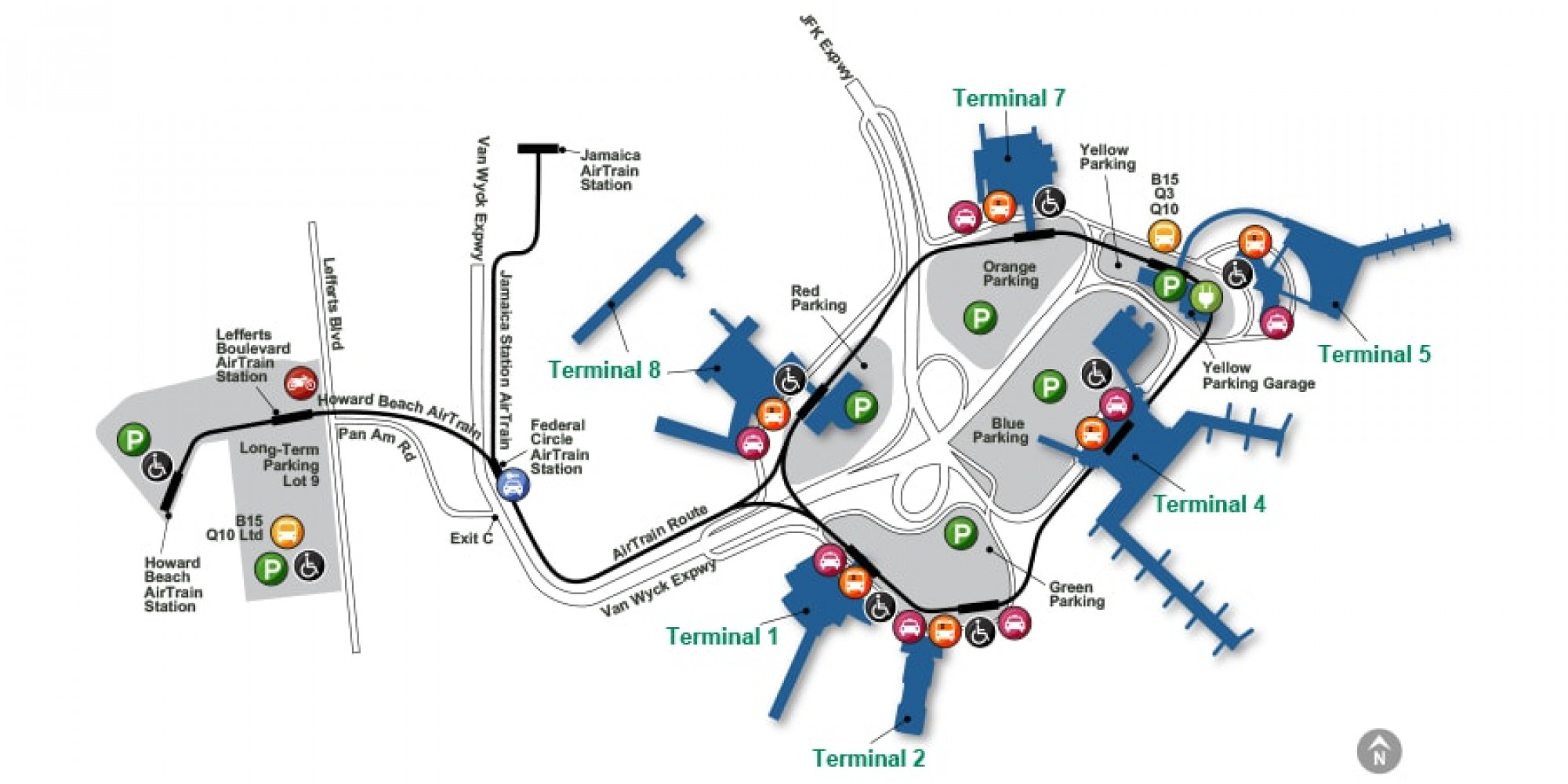
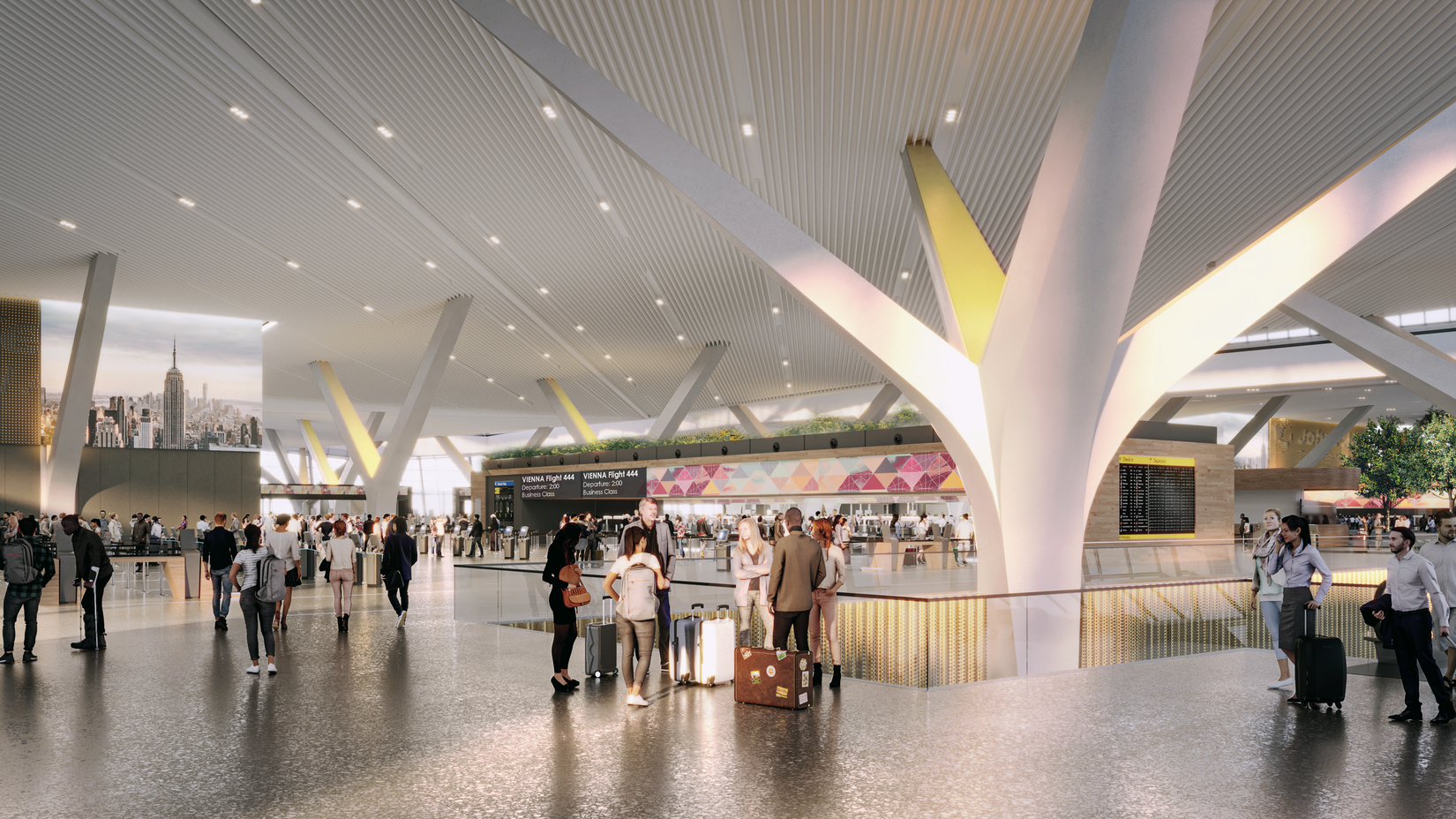
In 2026, JFK Terminal 1 represents the pinnacle of the "New JFK" redevelopment. The New Terminal One (NTO) project has reached a major milestone, with the first phase of its world-class gates now fully operational. This terminal is unique because it is managed by a consortium of airlines rather than the Port Authority alone, leading to a heavy focus on international premium service.
Primary Carriers at JFK Terminal 1
JFK’s Terminal 1 is almost exclusively international. It does not typically host domestic U.S. flights, which are instead routed through Terminals 4, 5, 7, and 8. The following airlines are the primary tenants:
- Air France: A cornerstone of the terminal, offering multiple daily flights to Paris-CDG.
- Lufthansa: The primary German carrier, utilizing Terminal 1 for its flagship A380 and 747-8i services.
- Korean Air: Serving as a vital link to Seoul-Incheon.
- ITA Airways: The Italian national carrier, which transitioned its operations here to align with SkyTeam partners.
- Turkish Airlines: One of the busiest operators in the terminal, connecting New York to Istanbul and beyond.
- Air China and China Eastern: Providing the bulk of trans-Pacific capacity to Beijing and Shanghai.
Amenities and Infrastructure
The 2026 version of JFK Terminal 1 features biometrically enabled boarding gates and an expanded "Lounge Row." Because many of the airlines here are flagship carriers, the terminal boasts some of the highest-rated first-class lounges in North America, including the redesigned Lufthansa Senator Lounge and the Air France La Première suite.
Los Angeles International Airport (LAX) Terminal 1
At LAX, Terminal 1 offers a stark contrast to the international heavy-lift operations of JFK. In 2026, LAX Terminal 1 remains the specialized domain of domestic travel and low-cost carriers (LCCs). Following the multi-billion dollar "LAMP" (Landside Access Modernization Program), Terminal 1 is now directly connected to the Automated People Mover (APM), making it one of the most accessible points in the airport.
Primary Carriers at LAX Terminal 1
- Southwest Airlines: The dominant tenant. Southwest occupies nearly the entire terminal for its domestic West Coast hub and short-haul international flights to Mexico and Central America.
- Viva Aerobus: Operating low-cost flights to various destinations in Mexico.
- Advanced Air: Providing regional turboprop services to smaller California and Southwest destinations.
Operational Logistics
Travelers at LAX Terminal 1 should note that while this terminal is efficient for point-to-point domestic travel, it is not physically connected airside to the Tom Bradley International Terminal (TBIT) without a significant walk or a shuttle bus. However, the 2026 terminal layout includes post-security bridges that have improved the transit experience for passengers connecting from Southwest to other domestic partners.
San Francisco International Airport (SFO) Terminal 1
The Harvey Milk Terminal 1 at SFO is widely considered one of the most technologically advanced and environmentally sustainable airport facilities in the world. Completed in the early 2020s and fully optimized by 2026, it serves a mix of major domestic carriers and specialized international routes.
Primary Carriers at SFO Terminal 1
- American Airlines: Utilizing SFO as a key West Coast gateway.
- JetBlue: Offering premium "Mint" service to the East Coast.
- Southwest Airlines: A major operator for intra-California and Nevada routes.
- Alaska Airlines: While Alaska has a large presence in Terminal 2, certain operations and codeshares frequently utilize Terminal 1 gates.
Technical Excellence at SFO
SFO Terminal 1 is the first airport terminal in the world to achieve LEED Platinum certification. For passengers, this translates to "Circadian Lighting" systems that adjust the color temperature of the terminal based on the time of day to reduce jet lag. It also features "View" dynamic glass that tints automatically to reduce heat and glare.
International Hubs: Paris, Frankfurt, and Dubai
Outside the United States, Terminal 1 often serves as the "Star Alliance Hub" or the historic heart of the airport.
Paris Charles de Gaulle (CDG) Terminal 1
After its massive renovation, CDG Terminal 1 is the primary home for Star Alliance carriers in France.
- Lufthansa, United Airlines, and Swiss: These carriers utilize the "satellite" pods of Terminal 1.
- Singapore Airlines: Operates its flagship A380 service from this terminal.
- Note on Navigation: CDG Terminal 1 is circular. Passengers should allow extra time for the automated "CDGVAL" shuttle when transferring from the TGV train station or Terminal 2.
Frankfurt Airport (FRA) Terminal 1
Frankfurt's Terminal 1 is the massive, sprawling home of Lufthansa and its partners.
- Lufthansa Group: Includes Swiss, Austrian Airlines, and Brussels Airlines.
- United Airlines and Air Canada: Strategic partners that share the Pier A and Pier Z gates.
- Complexity Warning: Terminal 1 at Frankfurt is divided into Concourses A, B, C, and Z. Concourse Z is effectively a floor built on top of Concourse A to separate non-Schengen (international) passengers from Schengen (European) passengers.
Dubai International (DXB) Terminal 1
While Terminal 3 is the exclusive home of Emirates, Terminal 1 at DXB is the "Concourse D" facility that hosts over 60 international airlines.
- British Airways, Air France, and Lufthansa: Key European operators.
- Cathay Pacific and Qatar Airways: Major regional and Asian carriers.
Comparison of Major Terminal 1 Operations
| Airport | Primary Focus | Key Airlines (2026) | Security/Tech Features |
|---|---|---|---|
| JFK (New York) | Int'l Long-Haul | Air France, Lufthansa, Korean Air | Biometric Boarding, New Terminal One Phase 1 |
| LAX (Los Angeles) | Domestic/LCC | Southwest, Viva Aerobus | People Mover Station, Modernized Check-in |
| SFO (San Francisco) | Domestic/Premium | American, JetBlue, Southwest | LEED Platinum, Circadian Lighting |
| CDG (Paris) | Star Alliance Hub | United, Lufthansa, Singapore Air | Circular "Camembert" design, Pod Gates |
| FRA (Frankfurt) | Lufthansa Hub | Lufthansa, United, Air Canada | Tiered Schengen/Non-Schengen Concourses |
Critical Prerequisites for Terminal 1 Travelers
Before heading to the airport in 2026, travelers must verify three critical factors to ensure they are at the correct Terminal 1 facility.
1. Terminal Verification via App
Do not rely on historical data or printed itineraries from months ago. Terminal assignments are subject to change due to gate maintenance or alliance shifts. Use the airline’s mobile app three hours before departure to confirm the current gate and terminal.
2. Check-In Deadlines
Because Terminal 1 facilities often handle large international aircraft, check-in deadlines are stricter. For international flights at JFK or CDG Terminal 1, the "hard close" for checked baggage is typically 60 to 75 minutes before departure. In contrast, domestic operations at LAX Terminal 1 may allow check-in up to 45 minutes prior.
3. Security Clearances and Programs
- TSA PreCheck/CLEAR: Available at most U.S. Terminal 1 locations (JFK, LAX, SFO).
- Global Entry: Highly recommended for those arriving at JFK Terminal 1, as the high volume of international arrivals can lead to significant wait times at standard customs kiosks.
- Digital Identity: In 2026, many Terminal 1 facilities utilize "OneID" technology, where your face acts as your passport and boarding pass. Ensure your digital profile is updated in your airline app.
Common Mistakes to Avoid
- The "LHR Terminal 1" Error: Many travelers still search for Terminal 1 at London Heathrow. Heathrow Terminal 1 closed permanently years ago to make way for the expansion of Terminal 2. If your flight says "London Terminal 1," it is likely an error or refers to a different airport like London City or Gatwick (which uses North/South designations).
- Assuming Inter-Terminal Connectivity: Just because you are at Terminal 1 does not mean you can easily walk to Terminal 2. At airports like JFK, you must exit security and take the AirTrain. Always check if you need to "re-clear" security when changing terminals.
- Lounge Misalignment: Not all Terminal 1 lounges are accessible to all passengers. In many Star Alliance hubs (like FRA or CDG), lounges are located behind specific passport control barriers. If you are flying a domestic leg within Europe, you may not be able to access the international first-class lounges in the non-Schengen area of Terminal 1.
Troubleshooting Terminal 1 Issues
What if I arrive at the wrong terminal? In 2026, most major airports have automated transit systems. At JFK, look for the AirTrain; at LAX, use the Automated People Mover. If you are within 90 minutes of your flight, notify a ground staff member immediately; they can sometimes provide "expedited transit" vouchers for the shuttle systems.
What if my airline isn't listed on the terminal directory? Check for a parent company. For example, if you are looking for "JAL" (Japan Airlines) at JFK, they are currently part of the Terminal 8 Oneworld hub, but in some cities, they may code-share into Terminal 1. When in doubt, search by the flight number (e.g., "LH401") rather than the airline name.
FAQs About Airlines at Terminal 1
Which airlines are currently at JFK Terminal 1?
As of 2026, JFK Terminal 1 hosts major international carriers including Air France, Lufthansa, Korean Air, Turkish Airlines, ITA Airways, and various Chinese carriers like Air China. It is the primary destination for flagship international service at JFK and is currently undergoing a massive transformation into the "New Terminal One."
Is Southwest always at Terminal 1?
While Southwest is the primary tenant of Terminal 1 at LAX and SFO, this is not a universal rule. For example, at Baltimore/Washington International (BWI), Southwest occupies multiple concourses that are not designated as "Terminal 1." Always check the specific airport layout, as Southwest often chooses terminals that allow for high-frequency domestic rotations.
Can I walk between Terminal 1 and other terminals?
This depends entirely on the airport. At SFO, Terminal 1 is connected to Terminal 2 via an airside walkway. However, at JFK and LAX, the terminals are largely disconnected post-security, requiring passengers to use the AirTrain or People Mover and go through security a second time if they are switching between most terminal buildings.
Does Terminal 1 have its own customs and immigration?
At major international hubs like JFK, CDG, and DXB, Terminal 1 has a fully integrated Federal Inspection Services (FIS) facility. This means you will clear customs directly within Terminal 1. At domestic-heavy terminals like LAX Terminal 1, there may be limited or no customs facilities, meaning international arrivals are often routed to the Tom Bradley International Terminal instead.
What is the "New Terminal One" at JFK?
The New Terminal One is a multi-billion dollar redevelopment project at JFK Airport. By 2026, the first major phase has opened, offering significantly more gate capacity, sustainable building technology, and a vastly expanded retail and dining footprint. It is designed to eventually replace the old Terminals 1 and 2, and the site of the former Terminal 3.
Final Recommendation for Travelers
To ensure a seamless experience at Terminal 1, download the official airport app for your specific destination (e.g., the "FlyLAX" app or the "JFK Airport" guide). These apps provide real-time updates on security wait times at Terminal 1 checkpoints and offer turn-by-turn navigation to your specific gate. If you are flying internationally, aim to arrive at Terminal 1 at least three and a half hours before departure to account for the high-density processing typical of these primary hub facilities.