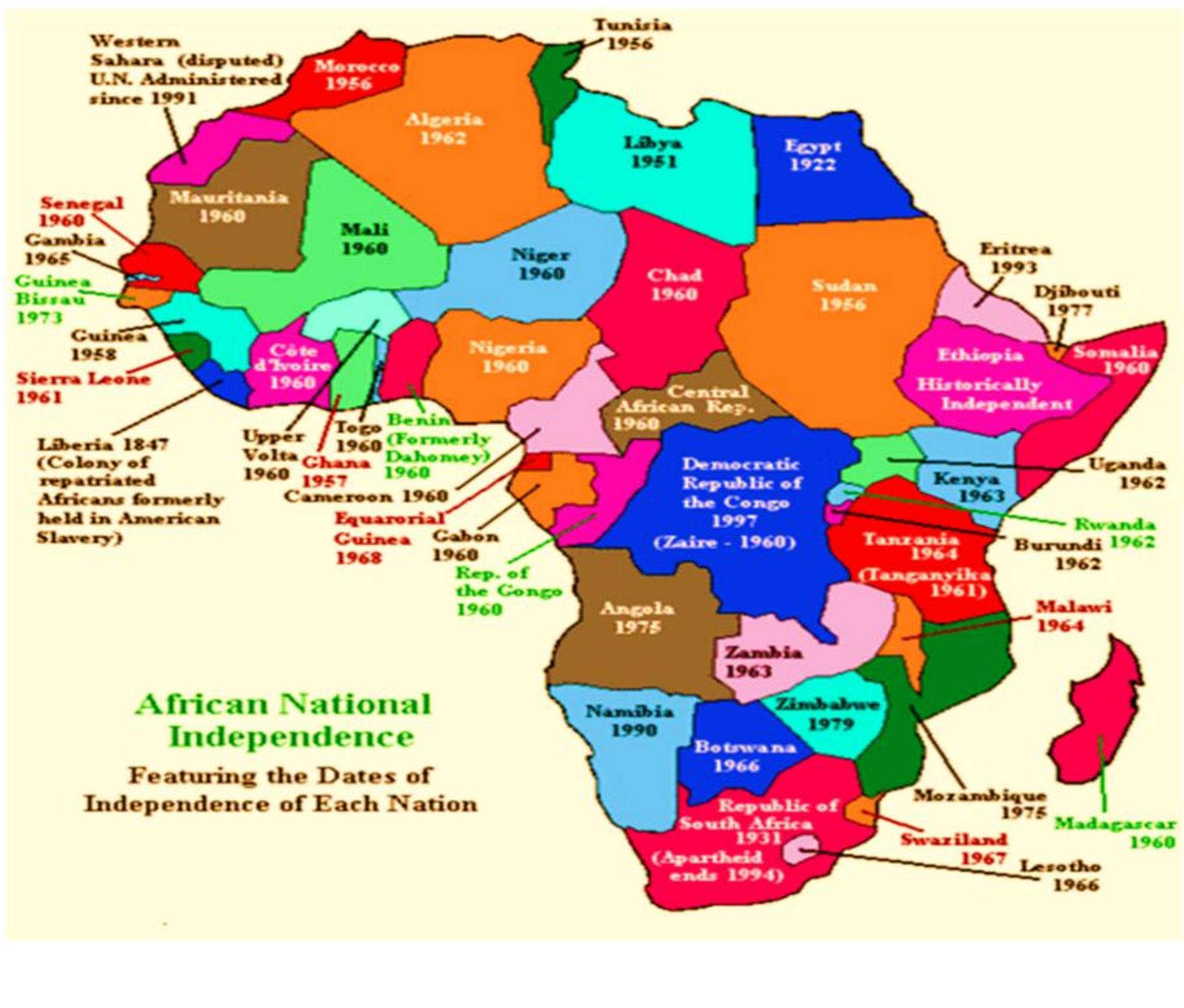
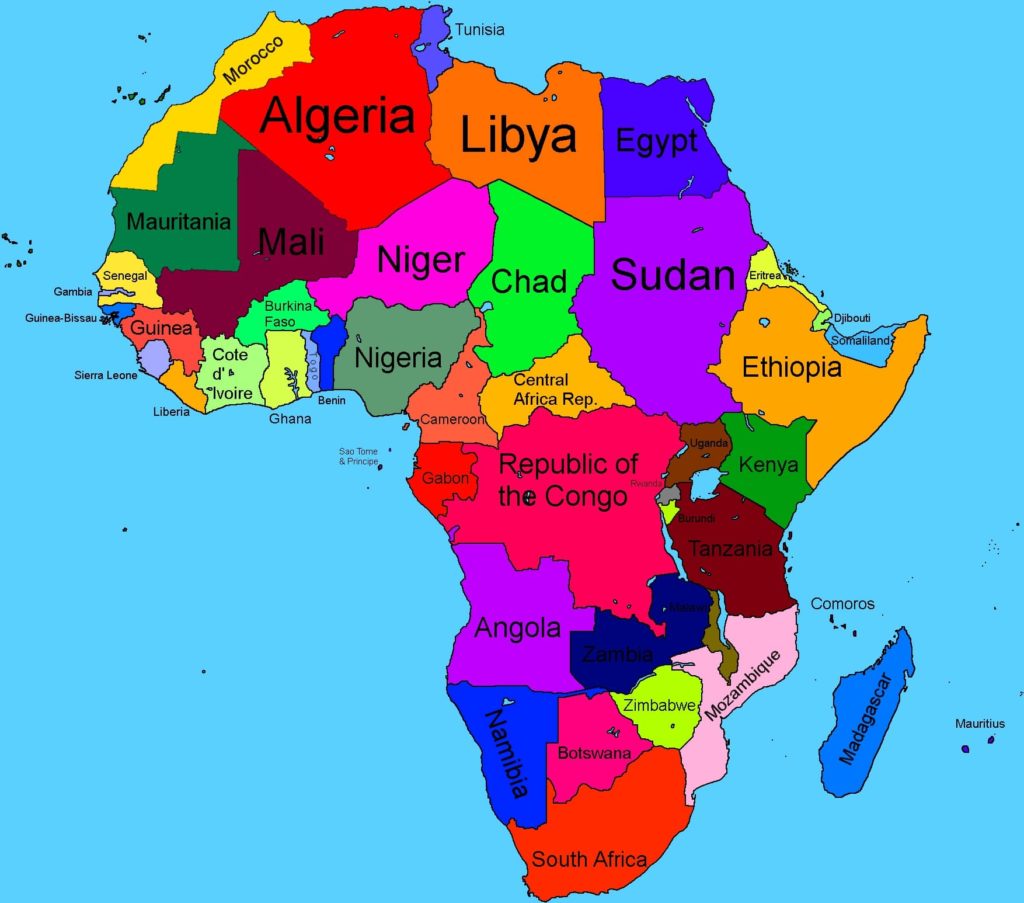
As of 2026, there are 54 sovereign nations in Africa recognized by the United Nations, while the African Union recognizes 55 member states, including the Sahrawi Arab Democratic Republic. This alphabetical list provides a definitive reference for these nations, including their capital cities, regional locations, and primary official languages.
The Complete Alphabetical List of African Countries
The African continent is characterized by its immense geographical, linguistic, and cultural diversity. Organizing these nations alphabetically is the most efficient way to access specific data for educational, diplomatic, or logistical purposes. Below is the detailed breakdown of all recognized African nations.
Nations A through C
Algeria Located in North Africa, Algeria is the largest country on the continent by total land area. Its capital is Algiers. As a major energy producer, it plays a critical role in the Mediterranean economy and maintains Arabic and Tamazight as its official languages.
Angola Situated on the west coast of Southern Africa, Angola is known for its vast mineral and petroleum reserves. Luanda serves as the capital and is one of the continent's most significant port cities. Portuguese remains the official language, reflecting its colonial history.
Benin A West African nation, Benin is known for being the birthplace of the Vodun religion and the former Dahomey Kingdom. Its capital is Porto-Novo, though the seat of government is located in Cotonou. French is the official language.
Botswana Located in Southern Africa, Botswana is a landlocked country known for its stable democracy and significant diamond industry. Gaborone is the capital. It is home to the Okavango Delta, a major center for biodiversity and tourism.
Burkina Faso This landlocked West African nation has Ouagadougou as its capital. It has a rich tradition of African cinema and arts, though it has faced significant internal security challenges in recent years. French is the primary language of administration.
Burundi Located in the Great Lakes region of East Africa, Burundi is a landlocked nation with Gitega as its political capital. It is one of the most densely populated countries in Africa, with Kirundi and French serving as official languages.
Cabo Verde (Cape Verde) This archipelago nation is situated in the central Atlantic Ocean, west of Senegal. Praia is the capital. Cabo Verde is recognized for its stable governance and high literacy rates compared to regional averages.
Cameroon Often called "Africa in miniature" due to its diverse landscapes, Cameroon spans Central and West Africa. Yaoundé is the capital, while Douala is the economic hub. It is one of the few countries on the continent that is officially bilingual in French and English.
Central African Republic (CAR) Located in the heart of the continent, the CAR is rich in natural resources such as gold and diamonds but has struggled with political instability. Bangui is the capital and largest city.
Chad A massive landlocked nation in North-Central Africa, Chad features the Sahelian and Saharan climates. N'Djamena is the capital. The country is a vital player in regional security initiatives within the Lake Chad Basin.
Comoros An island nation in the Indian Ocean located between Madagascar and Mozambique. Moroni is the capital. It is a member of the Arab League and reflects a blend of African, Arab, and French cultures.
Congo, Democratic Republic of the (DRC) The second-largest country in Africa by area, the DRC is located in Central Africa. Kinshasa is the capital. It holds some of the world's most significant deposits of cobalt and copper, essential for modern technology.
Congo, Republic of the Often referred to as Congo-Brazzaville to distinguish it from its neighbor, this nation is located to the west of the DRC. Brazzaville is the capital, situated directly across the Congo River from Kinshasa.
Côte d'Ivoire (Ivory Coast) A West African powerhouse in cocoa production, Côte d'Ivoire has Yamoussoukro as its political capital and Abidjan as its economic center. It has experienced significant economic growth over the last decade.
Nations D through J
Djibouti Located in the Horn of Africa, Djibouti occupies a strategic position near the Bab el-Mandeb strait. Djibouti City is the capital. Its economy is largely centered around its role as a regional maritime hub.
Egypt Spanning the northeast corner of Africa and the southwest corner of Asia, Egypt is a transcontinental nation. Cairo is the capital. It is home to one of the world's oldest civilizations and remains a major geopolitical influencer.
Equatorial Guinea Located in Central Africa, this nation consists of a mainland region and several islands. Malabo, located on Bioko Island, is the capital. It is one of the largest oil producers in Sub-Saharan Africa.
Eritrea Situated in the Horn of Africa with a long coastline along the Red Sea, Eritrea has Asmara as its capital. It achieved independence from Ethiopia in 1993 after a long-standing conflict.
Eswatini (formerly Swaziland) A small, landlocked monarchy in Southern Africa, Eswatini has two capitals: Mbabane (administrative) and Lobamba (legislative). It renamed itself in 2018 to distance the nation from its colonial-era name.
Ethiopia The most populous landlocked country in the world, Ethiopia is located in the Horn of Africa. Addis Ababa is the capital and the headquarters of the African Union. It is one of the two African nations that was never formally colonized.
Gabon Located on the Atlantic coast of Central Africa, Gabon is known for its high forest cover and significant petroleum industry. Libreville is the capital.
Gambia, The The smallest country on mainland Africa, it is almost entirely surrounded by Senegal except for its coastline on the Atlantic. Banjul is the capital.
Ghana A West African leader in democracy and economic development, Ghana was the first Sub-Saharan nation to gain independence from colonial rule. Accra is the capital.
Guinea Sometimes called Guinea-Conakry, this West African nation is a major source of bauxite. Conakry is the capital.
Guinea-Bissau Located in West Africa, south of Senegal, Bissau is the capital. It is known for its complex Atlantic coastline and the Bijagós Archipelago.
Kenya A major economic and logistics hub for East Africa, Kenya is famous for its wildlife and high-tech sector (Silicon Savannah). Nairobi is the capital.
Nations L through P
Lesotho A mountainous, landlocked kingdom entirely surrounded by South Africa. Maseru is the capital. It is unique for being the only independent state in the world that lies entirely above 1,000 meters in elevation.
Liberia Located in West Africa, Liberia was founded by free people of color from the United States. Monrovia is the capital. It is Africa's oldest modern republic.
Libya A North African nation with massive oil reserves, Libya has Tripoli as its capital. It has been undergoing a complex political transition for several years.
Madagascar The world's fourth-largest island, located in the Indian Ocean. Antananarivo is the capital. It is globally recognized for its unique biodiversity, including lemurs and baobab trees.
Malawi A landlocked country in Southeast Africa, Malawi is defined by the massive Lake Malawi. Lilongwe is the capital.
Mali A large, landlocked nation in West Africa with a rich history involving the ancient Mali Empire. Bamako is the capital.
Mauritania Bridging North and West Africa, Mauritania is largely covered by the Sahara Desert. Nouakchott is the capital.
Mauritius An island nation in the Indian Ocean known for its high-income economy and stable democracy. Port Louis is the capital.
Morocco Located in the Maghreb region of North Africa, Morocco has Rabat as its capital. It is known for its unique blend of Berber, Arab, and European influences.
Mozambique A Southeast African nation with a long Indian Ocean coastline. Maputo is the capital. It is a major portal for landlocked neighbors like Zimbabwe and Malawi.
Namibia Located in Southern Africa, Namibia is home to the Namib Desert. Windhoek is the capital. It was one of the last African nations to gain independence (in 1990).
Niger A landlocked West African nation, Niger is a major producer of uranium. Niamey is the capital.
Nigeria Africa's most populous nation and one of its largest economies. Abuja is the capital, while Lagos is the largest city and a global cultural hub.
Nations R through Z
Rwanda Known as the "Land of a Thousand Hills," Rwanda is a small, landlocked East African country. Kigali is the capital. It has become a regional leader in technology and environmental policy.
São Tomé and Príncipe An island nation in the Gulf of Guinea off the western equatorial coast of Central Africa. São Tomé is the capital.
Senegal A West African nation known for its vibrant culture and political stability. Dakar is the capital.
Seychelles An archipelago of 115 islands in the Indian Ocean. Victoria is the capital. It has the highest Human Development Index of any African nation.
Sierra Leone A West African country known for its history in the diamond trade and its capital, Freetown, which was founded as a home for formerly enslaved people.
Somalia Located in the Horn of Africa, Somalia has the longest coastline on the continent's mainland. Mogadishu is the capital.
South Africa Located at the southern tip of the continent, it is the most industrially developed nation in Africa. It has three capitals: Pretoria (executive), Bloemfontein (judicial), and Cape Town (legislative).
South Sudan The world's youngest nation, having gained independence from Sudan in 2011. Juba is the capital.
Sudan Located in Northeast Africa, Khartoum is the capital. It remains a critical bridge between the Arab world and Sub-Saharan Africa.
Tanzania An East African nation known for Mount Kilimanjaro and the Serengeti. Dodoma is the capital, though Dar es Salaam is the largest city and economic center.
Togo A narrow West African nation located between Ghana and Benin. Lomé is the capital.
Tunisia The northernmost country in Africa, Tunisia has Tunis as its capital. It is known for its Mediterranean coastline and ancient Carthaginian history.
Uganda A landlocked East African country with a diverse landscape encompassing the snow-capped Rwenzori Mountains and immense Lake Victoria. Kampala is the capital.
Zambia A landlocked nation in Southern-Central Africa, Zambia is a major copper producer. Lusaka is the capital.
Zimbabwe Located in Southern Africa, Zimbabwe is known for its dramatic landscape and diverse wildlife. Harare is the capital.
Regional Classification and Geographic Data
Understanding the alphabetical list is more useful when categorized by regional blocs. The African Union (AU) divides the continent into five distinct regions to facilitate economic cooperation and political stability.
| Country | Capital | Region | Official Language(s) |
|---|---|---|---|
| Algeria | Algiers | Northern | Arabic, Tamazight |
| Angola | Luanda | Southern | Portuguese |
| Egypt | Cairo | Northern | Arabic |
| Ethiopia | Addis Ababa | Eastern | Amharic |
| Ghana | Accra | Western | English |
| Kenya | Nairobi | Eastern | Swahili, English |
| Morocco | Rabat | Northern | Arabic, Tamazight |
| Nigeria | Abuja | Western | English |
| Rwanda | Kigali | Eastern | Kinyarwanda, English, French |
| South Africa | Pretoria | Southern | 11 Official Languages |
The Difference Between 54 and 55 Nations
The number of countries in Africa depends on the international organization providing the data. The United Nations (UN) recognizes 54 sovereign states. However, the African Union (AU) recognizes 55 member states.
The discrepancy arises from the Sahrawi Arab Democratic Republic (SADR), also known as Western Sahara. While the AU recognizes SADR as a full member state, the UN classifies Western Sahara as a "non-self-governing territory." Most alphabetical lists used for international travel or global logistics adhere to the UN list of 54, while diplomatic documents within the continent typically include all 55.
Geopolitical Groupings and Organizations
Beyond the simple alphabetical list, these nations interact through various Regional Economic Communities (RECs). These organizations aim to integrate the economies of African nations, similar to the European Union.
- ECOWAS (Economic Community of West African States): Focused on the 15 nations of West Africa, promoting regional trade and military cooperation.
- SADC (Southern African Development Community): A 16-member bloc that focuses on economic development and security in the southern part of the continent.
- EAC (East African Community): One of the fastest-growing regional blocs, which has recently expanded to include nations from the Great Lakes region.
- ECCAS (Economic Community of Central African States): Aims to achieve collective autonomy and raise the standard of living in Central Africa.
- AMU (Arab Maghreb Union): A trade agreement between the five nations of the North African Maghreb region.
Frequently Asked Questions
What is the newest country in Africa?
South Sudan is the newest country in Africa. It officially gained independence from Sudan on July 9, 2011, following a referendum. It is also the newest country in the world to be recognized by the United Nations and the African Union.
Which African nation is the largest by population?
Nigeria is the most populous nation in Africa. As of 2026, it continues to experience significant demographic growth, with its population exceeding 230 million people. It is a major hub for the continent's youth and technological innovation.
How many African countries are landlocked?
There are 16 landlocked countries in Africa: Botswana, Burkina Faso, Burundi, Central African Republic, Chad, Ethiopia, Lesotho, Malawi, Mali, Niger, Rwanda, South Sudan, Eswatini, Uganda, Zambia, and Zimbabwe. These nations often face unique economic challenges regarding trade and port access.
Are there any African countries that were never colonized?
Ethiopia and Liberia are generally considered the only two African nations that were never formally colonized by European powers. Ethiopia successfully resisted Italian invasion (though it was occupied briefly during WWII), and Liberia was established as a republic by free people of color from the United States.
What is the smallest country in Africa?
The Seychelles is the smallest country in Africa by both land area and population. It is an archipelago nation located in the Indian Ocean. On the African mainland, the smallest country is The Gambia.
Practical Recommendations for Researchers
When utilizing an alphabetical list of African nations, it is vital to verify the specific context of your search. If you are preparing a document for the African Union, ensure you include the Sahrawi Arab Democratic Republic to maintain diplomatic accuracy. If you are working on a United Nations report, the 54-nation list is the standard.
For travelers and logistics planners, always cross-reference the alphabetical list with current regional security updates. While the names of the countries remain consistent, visa requirements and border statuses can change rapidly. Using the 2026 data provided here ensures you are working with the most current recognition of capitals and sovereign statuses available.