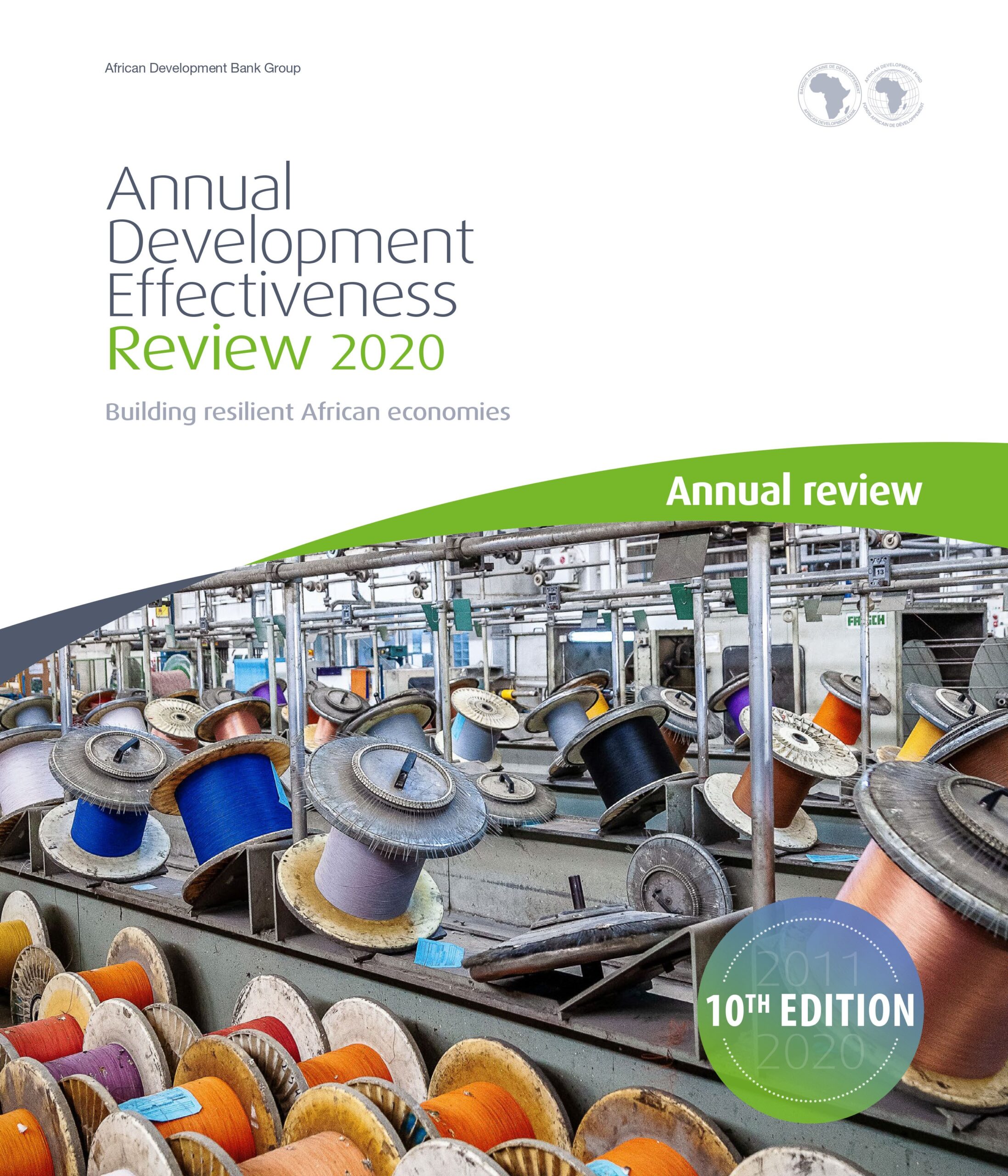
Africa's economic growth in the 2020s is defined by a complex transition from pandemic-era recovery to structural transformation driven by the African Continental Free Trade Area (AfCFTA) and digital acceleration. While debt sustainability and climate-related shocks remain significant hurdles, the continent’s diversified energy investments and expanding middle class are positioning it as a primary driver of global emerging market growth as we move through 2026.
The Macroeconomic Landscape: A Decade of Two Halves
The trajectory of Africa's economy in the 2020s can be categorized into two distinct phases: the crisis-management period (2020–2023) and the structural realignment phase (2024–2026 and beyond). The decade began with the unprecedented shock of the COVID-19 pandemic, which caused the continent's first recession in 25 years. This was followed by a "K-shaped" recovery where diversified economies, particularly in East Africa, rebounded swiftly, while commodity-dependent nations struggled with fluctuating oil and mineral prices.
By 2026, the focus has shifted from mere survival to long-term fiscal stability. Many nations have spent the first half of the decade grappling with high inflation, spurred by the global supply chain disruptions of 2021 and the fertilizer and grain shortages resulting from the Russia-Ukraine conflict in 2022. Central banks across the continent, from the Central Bank of Nigeria (CBN) to the South African Reserve Bank (SARB), have navigated a period of aggressive interest rate hikes to stabilize currencies and curb price volatility.
The current economic environment is characterized by "selective growth." This means that while the aggregate GDP growth for the continent is projected to hover around 4.0% to 4.5% for the remainder of the 2020s, individual performers like Rwanda, Ethiopia, and Côte d’Ivoire are consistently exceeding 6%. The challenge for the late 2020s remains the "Big Three"—Nigeria, South Africa, and Egypt—whose internal reforms are critical to moving the needle for the entire continent’s statistical average.
The AfCFTA: Unleashing Intra-African Trade
The African Continental Free Trade Area (AfCFTA), which officially commenced trading in January 2021, has become the centerpiece of the 2020s economic narrative. Before this agreement, intra-African trade accounted for less than 15% of the continent's total exports, significantly lower than the intra-regional trade seen in Europe or Asia.
Breaking Down Non-Tariff Barriers
The primary goal of the AfCFTA in the mid-2020s is the elimination of 90% of tariffs on goods and the reduction of non-tariff barriers (NTBs). NTBs, such as cumbersome customs procedures, excessive paperwork, and differing technical standards, have historically been more detrimental to trade than actual taxes. Through the Pan-African Payment and Settlement System (PAPSS), launched by Afreximbank, the continent is finally addressing the "currency problem," allowing African businesses to trade in local currencies rather than relying on the US Dollar or Euro.
Value Chain Integration
We are seeing the emergence of regional value chains, particularly in the automotive and textile sectors. For example, North African countries like Morocco have integrated their automotive manufacturing with European supply chains, but the AfCFTA is now facilitating similar links between South Africa's established industry and emerging mineral processing in Zambia and the Democratic Republic of Congo (DRC). By 2026, the focus has moved toward "Rules of Origin" enforcement, ensuring that products labeled "Made in Africa" truly benefit local labor and capital.
Digital Transformation and the "Silicon Savannah"
If the 2010s were the decade of mobile money, the 2020s are the decade of the digital ecosystem. The proliferation of subsea fiber-optic cables—such as Google’s Equiano and Meta’s 2Africa—has drastically reduced the cost of data and increased bandwidth across coastal and inland regions.
The Fintech Explosion
Fintech remains the most funded sector in Africa’s startup landscape. Beyond simple peer-to-peer transfers, companies are now offering sophisticated credit scoring for the unbanked, insurtech (insurance technology), and cross-border remittance solutions. The maturation of "unicorns" (startups valued at over $1 billion) in Lagos, Nairobi, and Cape Town demonstrates that African tech is no longer in its infancy. In 2026, the integration of Artificial Intelligence (AI) into logistics and agritech is beginning to solve "last-mile" delivery problems that have plagued the continent for decades.
Infrastructure for the Digital Age
The growth of the digital economy is inextricably linked to physical infrastructure. There is a massive surge in data center construction across the continent. Countries like Kenya and Nigeria are implementing "Digital Masterplans" that treat high-speed internet as a public utility. However, the "digital divide" remains a concern; rural areas still lag behind urban hubs, potentially creating an internal economic disparity that policymakers must address through targeted subsidies and satellite internet deployments.
The Energy Transition and Resource Management
Africa sits at the heart of the global "Green Transition." The 2020s have seen a pivot in how the continent manages its vast natural resources. Rather than merely exporting raw materials, there is a growing movement—supported by organizations like the African Development Bank (AfDB)—to ensure "Green Value Addition."
Critical Minerals for the Global North
The Democratic Republic of Congo (DRC) and Zambia are central to the global supply of cobalt, lithium, and copper, all of which are essential for electric vehicle (EV) batteries. In the mid-2020s, African governments are increasingly demanding that processing and refining take place on-continent. This shift from "pit to port" toward "pit to product" is essential for creating high-skilled jobs and capturing a larger share of the global value chain.
Renewable Energy Potential
Africa possesses the world's highest potential for solar energy, yet it has the lowest installed capacity. The 2020s have seen the launch of massive green hydrogen projects in Namibia, Mauritania, and Egypt. These projects aim not only to provide clean energy for domestic use but also to export green energy to a decarbonizing Europe. Meanwhile, decentralized solar grids are providing power to millions of rural households, bypassing the need for expensive, centralized national grids that are prone to failure.
Regional Growth Drivers: A Geographic Breakdown
Economic growth in Africa during the 2020s is not uniform. Different regions face unique opportunities and headwinds.
| Region | Key Growth Drivers (2020-2026) | Major Challenges |
|---|---|---|
| East Africa | Integration of DRC into the EAC; Infrastructure (SGR railway); Services sector. | Regional security; High debt-to-GDP in specific nations. |
| West Africa | Nigeria’s fuel subsidy reforms; Côte d'Ivoire's cocoa processing; Tech hubs. | Political instability in the Sahel; Inflationary pressures. |
| North Africa | Green Hydrogen; Near-shoring for EU manufacturing (Morocco/Egypt). | Water scarcity; Political transition uncertainties. |
| Southern Africa | Mining boom (Critical minerals); Liberalization of the energy market in South Africa. | Persistent high unemployment; Energy supply deficits. |
| Central Africa | Forestry and Carbon Credits (Congo Basin); Hydropower potential. | Governance issues; Infrastructure bottlenecks. |
The East African Community (EAC) Expansion
The inclusion of the Democratic Republic of Congo (2022) and Somalia (2023) into the EAC has created a massive market spanning from the Indian Ocean to the Atlantic. This expansion facilitates easier movement of labor and capital, though it also brings challenges regarding security and the harmonization of customs laws. By 2026, the EAC is the fastest-growing sub-region on the continent.
Nigeria and South Africa: The Reform Agenda
As the continent’s two largest economies, the performance of Nigeria and South Africa dictates much of the "Africa rising" narrative. Nigeria’s removal of the fuel subsidy and unification of exchange rates in 2023 was a painful but necessary step toward fiscal health. In South Africa, the 2020s have been defined by efforts to fix the national power utility (Eskom) and the logistics firm (Transnet). The success of these reforms is vital for regional stability.
Critical Challenges and Risks
Despite the optimism, the 2020s are a "danger decade" for several reasons.
- Debt Distress: Following the pandemic and the subsequent rise in global interest rates, several African nations faced debt crises. The G20 Common Framework was designed to help, but restructuring processes (as seen in Zambia and Ghana) were slow. By 2026, the focus is on "domestic resource mobilization"—improving tax collection to reduce reliance on foreign-denominated debt.
- Climate Change: Africa is the most vulnerable continent to climate change, despite contributing the least to global emissions. Frequent droughts in the Horn of Africa and devastating cyclones in Southern Africa have forced governments to divert development funds toward disaster relief and climate adaptation.
- Youth Unemployment: Africa has the world's youngest population. While this offers a "demographic dividend," it is also a ticking time bomb. If the economic growth of the 2020s does not translate into job creation in the formal sector, the risk of social unrest and migration increases.
FAQ
What is the projected GDP growth for Africa for the rest of the 2020s?
The African Development Bank and IMF generally project a continent-wide growth rate of approximately 4.0% to 4.5%. However, this is an average. "Growth leaders" are expected to maintain rates above 6%, while larger, more complex economies like South Africa may grow at a slower pace of 1% to 2% as they undergo structural reforms.
How has the AfCFTA impacted small businesses in the 2020s?
The AfCFTA has lowered the cost of entry into new markets for Small and Medium Enterprises (SMEs) by simplifying customs procedures and providing digital tools like the AfCFTA Hub. However, SMEs still face challenges regarding access to affordable finance and reliable electricity, which are necessary to scale production for a continental market.
Which sectors are attracting the most Foreign Direct Investment (FDI)?
As of 2026, FDI is primarily flowing into renewable energy (solar and green hydrogen), critical mineral mining (lithium and cobalt), and the digital economy (data centers and fintech). There is also a notable increase in "near-shoring" investments in North Africa from European manufacturers seeking to shorten their supply chains.
Is the "debt crisis" in Africa resolved as of 2026?
The crisis has stabilized but is not fully resolved. Most countries have successfully restructured their debts or implemented "belt-tightening" fiscal policies to manage repayments. The focus has shifted toward issuing "Green Bonds" and "Sustainability-Linked Bonds" to attract a new class of investors interested in environmental and social impact.
How is AI influencing Africa's economic growth in the 2020s?
AI is being used primarily in agriculture for crop yield prediction, in healthcare for diagnostic assistance in rural areas, and in fintech for automated credit scoring. By 2026, AI is also playing a significant role in optimizing the power grids and logistics networks that underpin the AfCFTA.
Final Recommendations for the Late 2020s
To sustain and accelerate growth through 2030, African nations must prioritize institutional quality and infrastructure connectivity. Investors should look beyond traditional commodity exports and focus on the "value-add" sectors, such as local manufacturing, agritech, and digital services. Policymakers must ensure that the benefits of the AfCFTA reach beyond large corporations to include women-led businesses and rural cooperatives. Finally, addressing the energy deficit through a mix of decentralized renewables and regional power pools remains the most critical prerequisite for long-term industrialization.