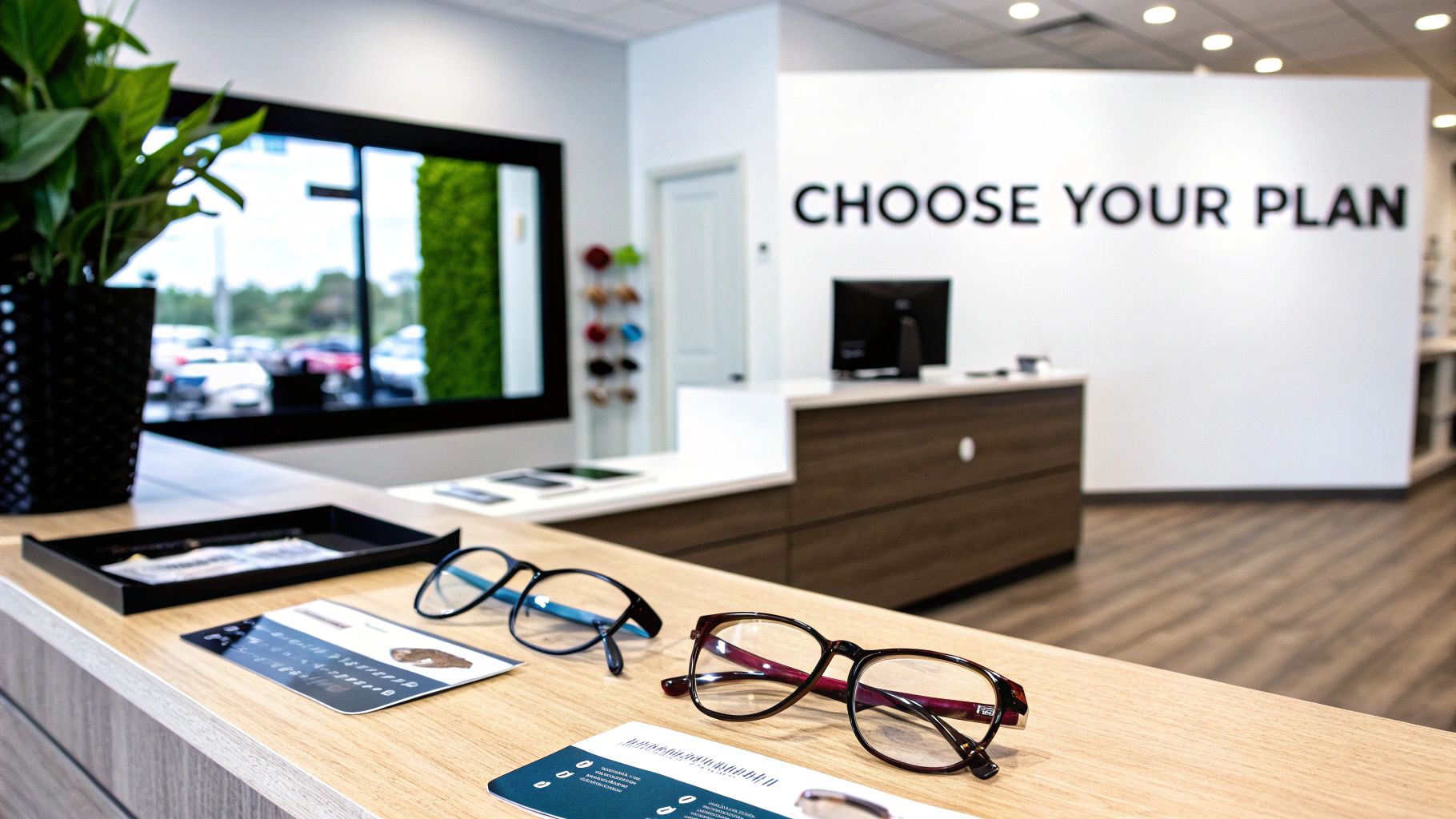
Securing affordable eye and dental insurance involves balancing monthly premiums, out-of-pocket deductibles, and network restrictions through standalone policies, employer-sponsored plans, discount programs, or public assistance options. Because standard health insurance policies typically exclude routine vision and dental care for adults, consumers must navigate a distinct landscape of supplemental policies, discount cards, and managed care networks to protect their long-term health and financial well-being.
Understanding the Landscape of Vision and Dental Care Needs
Routine medical health insurance historically separates eyes and teeth from overall physical health. Standard major medical policies governed by frameworks such as the Affordable Care Act (ACA) mandate comprehensive pediatric vision and dental coverage up to age 19 as essential health benefits. However, once individuals reach adulthood, these protections largely disappear from standard health plans. Adults must actively source separate coverage or pay entirely out of pocket for exams, corrective lenses, cleanings, fillings, and major restorative work.
Neglecting routine preventative care due to cost risks compounding minor conditions into severe medical emergencies. Poor dental health correlates directly with systemic issues like cardiovascular disease and diabetes complications, while unmanaged vision changes can lead to severe headaches, diminished workplace productivity, and dangerous accidents. Finding a cost-effective financial vehicle to cover these needs requires understanding the mechanics of how different plans structure their payments, provider networks, and benefit limits.
Core Types of Affordable Eye and Dental Plans
When exploring the market for cost-effective coverage, consumers generally encounter three distinct models: insurance policies, discount plans, and integrated supplemental packages. Each structure operates under different rules regarding waiting periods, annual maximums, and provider choice.
1. Traditional Dental and Vision Insurance
Traditional insurance functions much like standard medical insurance. You pay a monthly premium in exchange for shared risk, where the insurance carrier covers a percentage of specific procedures based on the "100/80/50" rule:
- Preventive Care (Cleanings, exams, X-rays): Typically covered at 100%.
- Basic Services (Fillings, simple extractions): Typically covered around 80%.
- Major Services (Crowns, root canals, bridges): Typically covered around 50%.
Vision insurance operates similarly, usually covering an annual eye exam for a small copay, an allowance for frames or contact lenses every 12 to 24 months, and discounted rates for lens enhancements like anti-reflective coatings or progressive lenses.
2. Dental and Vision Discount Programs
Discount plans are not insurance. Instead, consumers pay a low annual or monthly membership fee to access a contracted network of dentists and optometrists who have agreed to offer services at heavily discounted rates. While these programs feature no waiting periods, no deductibles, and no annual maximum payout caps, members must pay the entire discounted fee out of pocket at the time of service.
3. Bundled and Supplemental Policies
Many major insurance providers and third-party brokers offer combined dental and vision packages. Bundling these services under a single carrier often yields a lower combined premium than purchasing two entirely separate standalone policies. These plans are frequently sold directly to consumers, through insurance brokers, or via private health exchanges.
Comparing Coverage Options: Insurance vs. Discount Plans
Choosing the right financial model depends on your immediate health needs, budget stability, and tolerance for administrative rules. The following breakdown contrasts traditional insurance against discount networks.
| Feature | Traditional Dental & Vision Insurance | Dental & Vision Discount Plans |
|---|---|---|
| Payment Structure | Monthly premium + copays/coinsurance | Annual/monthly membership fee + full payment of discounted rate |
| Waiting Periods | Common for basic (3–6 months) and major (6–12 months) services | None; immediate activation upon enrollment |
| Annual Maximums | Yes (typically $1,000 to $2,000 per year for dental) | None (no limits on how much care you can receive) |
| Deductibles | Yes (usually $50 to $100 per year) | None |
| Provider Network | Restricted to specific PPO or HMO networks | Restricted to contracted discount provider panels |
| Best Suited For | Preventive care seekers and those anticipating major future work | Individuals needing immediate care who want to bypass waiting periods |
Key Cost Factors and Hidden Expenses
Affordability goes beyond the sticker price of a monthly premium. To truly secure an economical policy, consumers must calculate the total annual cost of ownership, accounting for several variables that frequently catch policyholders off guard.
Premiums, Deductibles, and Co-pays
A low monthly premium often masks high out-of-pocket costs elsewhere in the policy. For instance, a plan costing $10 per month might feature a high deductible and low coinsurance rates, making it expensive if you require fillings or crowns. Conversely, a $40 monthly premium might cover 80% of basic procedures immediately after a minimal deductible is met.
Annual Maximum Payout Caps
Most affordable dental insurance plans cap the total amount the insurance company will pay out in a single calendar year—frequently set between $1,000 and $1,500. Once you reach this limit, every dollar of dental care becomes your sole financial responsibility until the next plan year begins. If you require extensive restorative work like dental implants or multiple root canals, you will likely exceed this threshold quickly.
Waiting Periods and Pre-existing Conditions
To prevent consumers from purchasing insurance only when an expensive procedure is immediately necessary, carriers implement waiting periods. While preventive cleanings and routine eye exams are usually covered immediately, basic services may require waiting three to six months, and major services can require waiting up to a full year. Plans that advertise "no waiting period" often charge higher premiums or offer lower coverage tiers during the first year of enrollment.
Where and How to Buy Affordable Eye and Vision Coverage
Finding and enrolling in a cost-effective plan requires exploring multiple distribution channels. Depending on your employment status and location, several distinct avenues exist for acquiring coverage.
Employer-Sponsored Benefits
If you are employed, check your company’s HR portal. Group dental and vision plans negotiated by employers are almost always more affordable than individual plans because the employer often subsidizes a portion of the premium, and the risk is pooled across a larger workforce.
The Health Insurance Marketplace (Healthcare.gov)
While adult vision and dental are not categorized as essential health benefits under the ACA, many state and federal health insurance marketplaces allow shoppers to add standalone dental plans during the annual Open Enrollment Period (or via a Qualifying Life Event). These plans are vetted for consumer protection and transparency.
Direct-to-Consumer Carriers and Brokers
Numerous private insurance companies sell direct-to-consumer policies online. Using digital insurance comparison tools allows you to filter plans by your exact zip code, preferred provider networks, and maximum budget. When shopping privately, verify that the broker or carrier is licensed in your state of residence.
Frequently Asked Questions
Can I buy dental and vision insurance at any time of the year?
Unlike major medical health insurance, which restricts enrollment to specific annual windows or qualifying life events, many standalone dental and vision insurance plans permit year-round enrollment. However, discount plans can always be purchased and activated immediately at any time.
Does Medicare cover routine eye exams and dental work?
Original Medicare (Parts A and B) does not cover routine dental exams, cleanings, fillings, dentures, or routine eye exams for eyeglasses and contact lenses. Some Medicare Advantage (Part C) plans offer embedded or optional supplemental dental and vision benefits, though coverage limits and network restrictions vary widely by provider and location.
Are orthodontic treatments covered under affordable dental plans?
Routine adult orthodontic care (such as braces or clear aligners) is rarely covered under low-cost or basic dental insurance plans. When orthodontics are included, coverage is usually restricted strictly to dependent children under the age of 19, and plans often impose a separate lifetime maximum payout cap for these services.
What is the difference between an HMO and a PPO dental network?
A Dental Health Maintenance Organization (DHMO) requires you to select a primary care dentist within a strict network and offers lower out-of-pocket costs, but rarely covers out-of-network care. A Preferred Provider Organization (PPO) allows you to see any dentist, but staying within the preferred network significantly reduces your out-of-pocket expenses through pre-negotiated fee schedules.
How can I save money if I choose not to buy insurance?
If insurance premiums outweigh your expected dental and vision costs, you can reduce out-of-pocket expenses by utilizing local dental hygiene school clinics, federally qualified health centers (FQHCs) that offer sliding-scale fees based on income, or individual discount medical savings cards. Additionally, setting aside pre-tax dollars in a Flexible Spending Account (FSA) or Health Savings Account (HSA) can offset the financial impact of out-of-pocket care.
Practical Next Steps for Securing Coverage
Begin by auditing your personal healthcare utilization over the past two to three years. If your only medical expenses consist of bi-annual cleanings and an annual eye exam with unchanged prescription lenses, a lower-tier preventative insurance plan or a discount membership card will likely offer the highest financial return. Conversely, if you anticipate needing fillings, root canals, or corrective eyewear upgrades, look for a comprehensive PPO plan while carefully evaluating waiting periods and annual maximum payout caps. Review multiple quotes, verify that your preferred local practitioners accept the network, and ensure your chosen policy aligns with your household budget before enrolling.