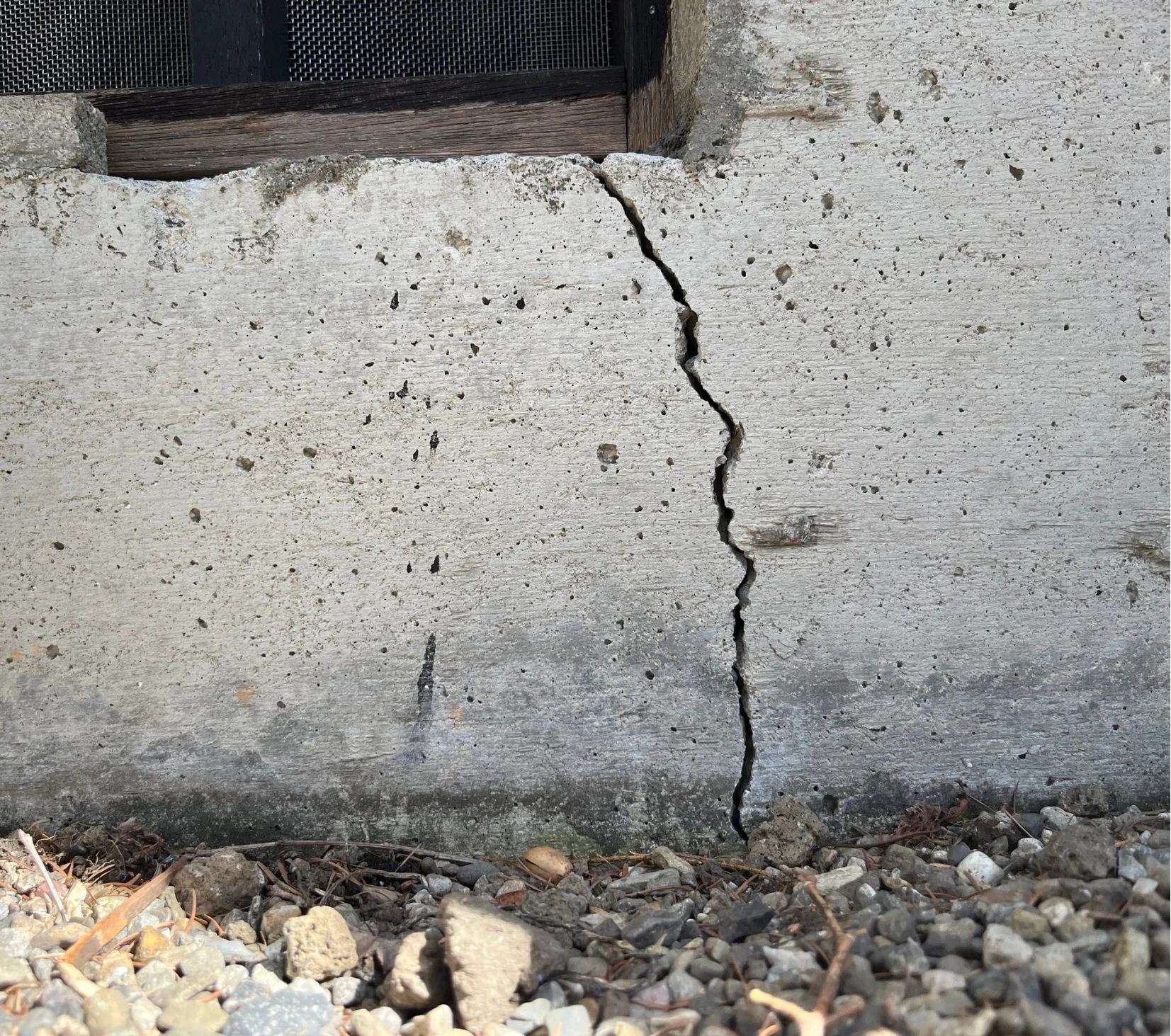
Accurate foundation repair in Dallas requires a specialized understanding of North Texas’s unique black gumbo clay soil, which expands and contracts significantly based on moisture levels. Successfully stabilizing a residential foundation involves precise structural assessment, soil moisture management, and the installation of engineered support systems like steel piers or concrete pressed pilings to restore structural integrity.
The Geological Reality: Why Dallas Foundations Fail
The primary driver of structural distress in Dallas-area homes is the region's expansive soil composition. Much of Dallas sits atop Eagle Ford Shale and Austin Chalk, overlaid with highly plastic clay. When this clay—often referred to as "black gumbo"—becomes saturated during the wet spring months, it swells, exerting tremendous upward pressure on slab foundations. Conversely, during the intense, prolonged heat of a North Texas summer, the soil dries, shrinks, and pulls away from the foundation, leaving voids.
This constant cycling, known as heave and settlement, creates a "yo-yo" effect that is rarely uniform. Because different sections of a house may experience varying soil moisture profiles due to drainage patterns, plumbing leaks, or mature tree roots, foundations often suffer from differential settlement. This is the root cause of the diagonal cracks in interior drywall, doors that refuse to latch, and exterior brick separation that many Dallas homeowners encounter.
Recognizing the Warning Signs of Structural Instability
Identifying the need for professional intervention early is critical to preventing catastrophic damage. While minor hairline cracks in a concrete slab are common in new construction due to initial curing, specific patterns indicate active structural failure:
- Door and Window Issues: Doors that swing open or shut on their own or frames that appear "racked" are classic signs that the slab has shifted out of plumb.
- Cracking Patterns: Look for "stair-step" cracks in brick veneer or masonry, especially those originating at corners of windows or door frames. Interior cracks that are wider than 1/8 inch or that have a jagged, diagonal orientation across drywall joints suggest significant movement.
- Separation: Gaps between the chimney and the home, or the foundation pulling away from the siding, indicate that the structure is sinking or tilting.
- Floor Slope: If you place a marble on the floor and it rolls consistently in one direction, the foundation may be suffering from significant differential settlement.
The Process of Accurate Assessment
An accurate repair begins with an engineering-grade survey. In Dallas, reputable foundation repair contractors often recommend—or require—an independent structural engineer’s report before any mechanical work begins. An engineer will use a laser level or a manometer to map the elevation of every room in the home, creating a topographical grid of the foundation.
This diagnostic phase is crucial because it distinguishes between "cosmetic" settlement and "structural" failure. Not every crack requires piers; sometimes, the solution lies in improved surface drainage or root barriers rather than invasive underpinning. An accurate assessment will always conclude with a written scope of work that specifies the number of piers required, the depth they must reach (to hit "refusal" or a stable load-bearing stratum), and the projected plan for lifting the slab.
Comparing Common Repair Methodologies in North Texas
When physical intervention is deemed necessary, homeowners are typically presented with several industry-standard methods. The following table summarizes the most common approaches used in the Dallas market:
| Method | Material | Mechanism | Best Used For |
|---|---|---|---|
| Steel Pressed Piers | Galvanized Steel | Hydraulically driven to bedrock | Long-term stability, deep reaches |
| Concrete Pilings | Pre-cast Concrete | Stacked segments pushed into soil | Standard slab-on-grade homes |
| Helical Piers | Steel Shafts | Screwed into the earth (like a screw) | Lightweight structures, porches |
| Mudjacking/Polyjacking | Cement or Foam | Injection into voids beneath slab | Filling small voids, leveling floors |
Steel Pressed Piers
Steel piers are widely considered the gold standard in Dallas for homes requiring deep penetration to bypass the active clay zone. These piers are driven hydraulically until they reach a stable stratum (such as limestone or bedrock). Because they are steel, they are highly resistant to the corrosive nature of the soil and provide the most predictable load-bearing capacity.
Concrete Pressed Pilings
This is the most common and cost-effective method for standard residential slab repairs. Cylindrical concrete segments are pressed under the slab until they reach refusal. While effective, they are susceptible to the same ground movement as the foundation if they do not reach deep enough, which is why the depth of the installation is a critical quality factor.
The Role of Drainage and Moisture Maintenance
Repairing the foundation is only half the battle; maintaining it is the other. Many foundation failures in Dallas are exacerbated by poor drainage. If water pools against the foundation after a storm, the soil expands; if it stays dry for too long, it shrinks.
A comprehensive repair plan should include a site drainage audit. This may involve the installation of French drains, catch basins, or simple regrading of the landscape to ensure that water flows away from the home’s perimeter. Furthermore, in the intense heat of 2026, many experts recommend the use of soaker hoses or automated drip irrigation systems during drought conditions. The goal is to keep the soil moisture content relatively constant, preventing the drastic swings that cause slab movement.
Navigating Estimates and Warranties
When vetting contractors, focus on transparency regarding the warranty and the verification process. A lifetime, transferable warranty is the industry standard in Dallas, but its value is only as good as the company’s longevity. Verify if the company has a physical office in the Dallas-Fort Worth area and check their standing with the Better Business Bureau.
Beware of "lifetime" warranties that contain "service fee" clauses for every subsequent adjustment. It is common for foundations to "settle in" after a lift; a reputable contractor will be clear about their policy on re-adjustments and the conditions that void the warranty (such as adding heavy additions to the home or installing new plumbing beneath the slab without proper soil compaction).
Common Mistakes to Avoid
- Prioritizing Price Over Engineering: Opting for the lowest bid without a licensed structural engineer’s plan often leads to "spot piering," which only treats the symptoms and not the cause, potentially causing the slab to snap in a new location.
- Ignoring Plumbing: Before or immediately after foundation work, a hydrostatic plumbing test is mandatory. If you lift a house and have a leaking sewer line underneath, the water from the leak will continue to undermine the soil, rendering the repair useless within months.
- Neglecting Root Management: Planting large trees, such as Oaks or Willows, too close to the foundation is a recipe for future movement. If a tree is already in place, consider root barriers.
Frequently Asked Questions
1. How do I know if I need a foundation repair or just a plumbing fix? Start with a hydrostatic plumbing test performed by a licensed plumber. If the sewer system is leaking, it will saturate the soil under your home, causing the foundation to shift. Always address plumbing leaks before installing piers, as the moisture change from the repair itself can alter the stabilization needs.
2. Can I repair my foundation during the hot Dallas summer? Yes, but with caution. While summer is the traditional peak time for movement due to soil shrinkage, working in extreme heat requires extra care for the concrete and the site. Professional crews are accustomed to the Texas climate and adjust their methods to ensure proper curing and stabilization even in high-heat conditions.
3. Does homeowner’s insurance cover foundation repair? Generally, no. Most standard homeowner’s insurance policies in Texas cover "sudden and accidental" damage, but they exclude damage caused by "earth movement," "settling," or "shrinkage." Unless the foundation damage was caused by a covered peril like a burst pipe, you will likely be responsible for the cost out of pocket.
4. How long does the average foundation repair process take? For a standard residential home, the physical installation of piers usually takes 2 to 4 days. However, the entire process—including the initial engineering inspection, the permitting phase, the repair, and the final walk-through—can span several weeks.
5. Will my house move again after it is repaired? It is normal for a home to experience slight "settling" after being lifted. Reputable contractors will offer a follow-up period to monitor the foundation and perform minor adjustments if the slab settles outside of expected parameters. Proper ongoing moisture maintenance around the home significantly reduces the risk of future movement.
Final Recommendation: The Path Forward
If you suspect foundation distress, your first step should be an objective, third-party structural engineering report. Do not rely solely on free estimates from contractors, as their goal is often to sell specific pier products. Once you have a stamped engineering report detailing the required repairs, use that document to solicit bids from at least three established local companies. Ensure every contract includes a clear warranty, a specific plan for hydrostatic testing, and a detailed explanation of the pier placement strategy. By treating foundation repair as an engineered process rather than a quick patch, you protect the long-term value and safety of your Dallas home.